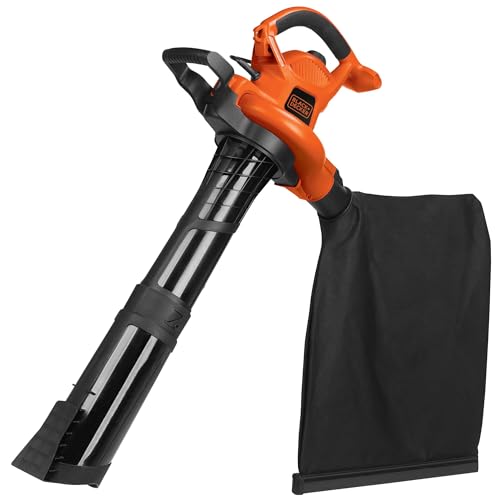
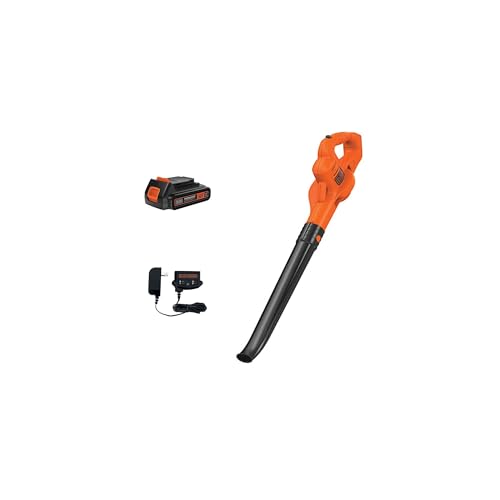
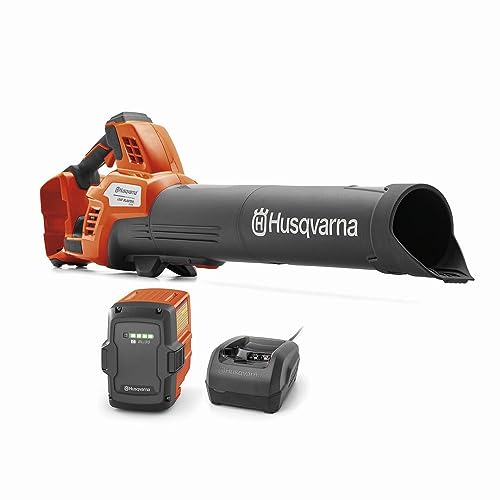
A corded 3-in-1 unit suits homeowners needing uninterrupted power and high mulching reduction for heavy garden beds, though an extension cord inevitably limits overall yard reach.

Pros
- Tool-free conversion among blow, vac, and mulch modes
- Air speeds up to 230 mph with 2-speed settings
- Vortex impeller grinds up to 10 bags down to 1
- Built-in cord retainer helps prevent accidental unplugging
- Includes concentrator, blow/vacuum tubes, and bag
Cons
- Requires constant extension cord tether
- Two fixed speeds offer less fine-tuned control

Pros
- Instant switch between blow and vacuum modes
- High 18:1 mulch ratio maximizes bag capacity
- Rated up to 350 CFM and 210 MPH air output
- Variable-speed control for different debris types
- Includes 42L debris collection bag
Cons
- Corded design limits overall yard reach
- Weighs 9.3 pounds before debris accumulates

Pros
- High-output airflow rated up to 600 CFM and 160 MPH
- Includes two 4.0Ah batteries for cordless runtime
- Efficient 15:1 mulching ratio reduces disposal volume
- Tool-free easy-clean access gate for clearing clogs
- Height-adjustable wheels and anti-static handle for user comfort
Cons
- Turbo Boost and top speeds will deplete battery runtimes quickly
- Weighs 10 pounds, which may tire some users during extended sessions

Pros
- Brushless motor delivers up to 700 CFM and 180 MPH
- 3-in-1 tool-free blowing, vacuuming, and mulching
- Stated 15:1 mulch ratio with a 40L collection bag
- Adjustable support wheels help carry the tool's weight
- Includes two 4.0Ah batteries and a quick-access clean gate
Cons
- Total runtime is limited to up to 30 minutes
- Turbo blast mode is restricted to 10-second bursts

Pros
- Combines blowing, vacuuming, and mulching in one unit
- Rated up to 500 CFM airflow and 167 MPH air speed
- 15:1 mulching reduction ratio saves bag space
- Integrated support wheels help reduce arm fatigue
- Includes collection bag and cord retainer
Cons
- Requires an extension cord and nearby electrical outlet
- Weighs 6.6 lbs, which can be heavy during long sessions
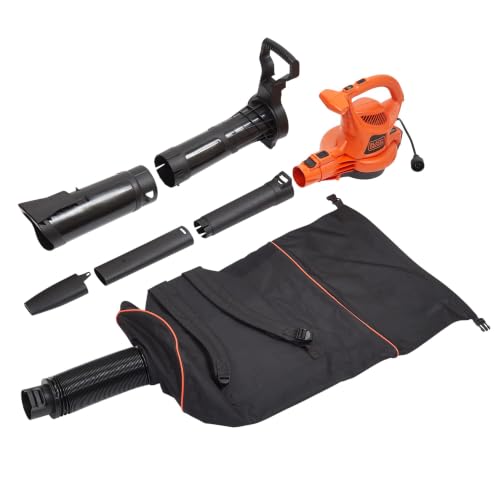
Pros
- High performance delivering up to 250 MPH and 400 CFM
- POWERBOOST button supplies extra power on demand
- Hands-free backpack collection bag doubles standard capacity
- Zipper-free bag design with wide opening for easy emptying
- Flexible tube improves maneuverability during vacuum mode
Cons
- Corded design requires an extension cord and limits total range
- Heavier build at 11.1 pounds before collecting leaves

Pros
- 2-in-1 blower and vacuum with quick-change switch
- Delivers up to 460 CFM and 167 MPH airflow
- Anti-jam internal suction tube and secure snap buckle
- Includes 40L collection bag with 15:1 mulch ratio
Cons
- Tethered cord limits working range
- Requires an outdoor extension cord (not included)

Pros
- Delivers up to 600 CFM of blowing output
- Tool-free switch between blow and vac modes
- 16:1 mulch ratio compacts collected leaves
- Large 50L collection bag included
- Variable-speed control for tailored airflow
Cons
- Requires an extension cord and nearby power source
- Weighs 9.1 pounds before filling collection bag

Pros
- 12-amp motor achieves up to 250 MPH and 400 CFM
- High-impact metal fan prevents clogs and offers 16:1 mulch ratio
- Includes a disposable tie-and-toss leaf bag system
- Two speed settings suited for delicate flower beds or stuck debris
- Built-in cord retainer keeps extension cords secured
Cons
- Corded design restricts cleaning area to cord length
- Disposable bags will require replacement purchases once used
Corded Continuous Power vs. Cordless Mobility for Suction Tasks
Corded leaf vacuums provide sustained electrical output for heavy yard debris, whereas cordless models trade unlimited runtime for portable mobility across broader properties.
If you have a compact lawn with accessible outdoor outlets, corded machines like the WORX Trivac 3-in-1 Electric Leaf Blower/Leaf (WG509) and the BLACK+DECKER Corded Leaf Blower Leaf Vacuum deliver reliable 12-amp clearing power without fading. You never have to pause work to wait for a battery recharge. However, managing extension cords around landscaping obstacles can be cumbersome, even with built-in cord retainers designed to prevent accidental disconnections. For more context on choosing power configurations, see our guide on what leaf blower is the best.
Conversely, battery-powered options such as the MZK 40V Leaf Vacuum Mulcher and the HEYWORK 40V Yard Blower Vacuum eliminate cords completely. Both ship with two 4.0Ah batteries, giving you freedom to navigate fence lines and outbuildings. The trade-off lies in work endurance: the MZK unit advertises up to 30 minutes of continuous runtime. Demanding tasks like vacuuming dense, wet piles drain battery packs rapidly, requiring either spare batteries or planned breaks during extensive seasonal cleanups.
Mulching Reduction Ratios: How Impellers Impact Debris Volume
Higher reduction ratios dramatically shrink yard waste volume, meaning you empty the collection bag far less frequently during large cleanup jobs.
When selecting a leaf blower sucker, the internal impeller configuration dictates how finely leaves and soft debris are shredded before entering the bag. The WORX Trivac 3-in-1 Electric Leaf Blower/Leaf (WG509) features an advertised 18:1 mulching ratio, turning up to 18 bags of loose foliage into a single compact bag. Similarly, the BLACK+DECKER Leaf Blower Leaf Vacuum and Leaf (BV6000) advertises a 16:1 ratio and utilizes a high-impact metal fan engineered to resist clogging when drawing in matted yard waste.
Mid-range shredders, including the NEWBULIG 3-in-1 Electric Leaf Blower Vacuum and the MZK 2-in-1 Electric Leaf Blower Vacuum Mulcher, deliver an advertised 15:1 reduction ratio. The entry-level BLACK+DECKER Corded Leaf Blower Leaf Vacuum (BV3600) offers an anti-clog vortex impeller with a 10:1 ratio. While high reduction ratios make bagging and composting significantly more efficient, they require dry leaves to function smoothly; wet foliage can still bog down shredders regardless of advertised ratios.
Weight Distribution and Ergonomic Features: Wheels vs. Backpacks
Leaf vacuums grow substantially heavier as their collection bags fill, making specialized weight distribution systems essential for preventing shoulder and back strain.
Standard shoulder-strap bags concentrate the weight of shredded leaves onto one side of your torso. To address this, tools like the MZK 40V Leaf Vacuum Mulcher, HEYWORK 40V Yard Blower Vacuum, and NEWBULIG 3-in-1 Electric Leaf Blower Vacuum include integrated support wheels. The MZK and Heywork models feature height-adjustable wheels that roll directly over grass and hard surfaces, letting the ground bear the tool’s mass. This design simplifies long clearing sessions across driveways and level lawns, as explored in our overview of using a leaf blower for driveway cleaning.
Alternatively, the BLACK+DECKER Leaf Blower (BEBL7000) employs an easy-to-wear backpack collection system. By placing the leaf load squarely on both shoulders via backpack straps and connecting the vacuum tube through a flexible hose, it frees your arms from supporting accumulated debris. While wheels excel on smooth, flat terrain, a backpack system offers superior agility when navigating steep embankments, mulch beds, or tight garden boundaries.
Air Volume (CFM) vs. Airspeed (MPH) in Vacuum Performance
Air volume (CFM) determines how much debris a vacuum pulls into the tube simultaneously, while airspeed (MPH) primarily dictates sweeping strength in blower mode.
When operating in suction mode, a higher cubic-feet-per-minute (CFM) rating allows the machine to ingest wider swathes of leaves without bogging down. The MZK 40V Leaf Vacuum Mulcher leads the group with an advertised 700 CFM, followed closely by the WORX Trivac 3-in-1 Electric Leaf Blower/Leaf (WG512) and HEYWORK 40V Yard Blower Vacuum at 600 CFM. High CFM makes collecting sprawling, dry leaf blankets significantly faster.
In contrast, models like the BLACK+DECKER Leaf Blower (BEBL7000) and BLACK+DECKER Leaf Blower Leaf Vacuum and Leaf (BV6000) prioritize high airspeed, reaching up to 250 MPH alongside 400 CFM. Exceptional velocity helps dislodge wet or stubborn debris while blowing, but lower CFM means the suction intake area draws in less overall volume per second. Balancing the two metrics depends on whether you spend more time herding piles into windrows or vacuuming them into the collection bag.
Frequently Asked Questions About Leaf Blower Vacuums
Can a leaf blower vacuum handle wet leaves and twigs without clogging?
While models from MZK and Heywork feature anti-jam internal tubes and easy-access cleanout gates, damp leaves and woody branches significantly increase clog risks. Corded models with metal impellers handle damp debris better, but vacuuming dry material remains the best practice to prevent blockages.
What is the main difference between CFM and MPH on a combination tool?
CFM (cubic feet per minute) measures the volume of air moved, which governs how much debris the vacuum can pull inside at once. MPH (miles per hour) measures air speed, which dictates the force used to dislodge stuck or heavy debris when operating in blower mode.
How do collection bag styles affect cleanup convenience?
Shoulder-slung bags hold between 40 and 50 liters on models like the WORX Trivac or MZK corded unit, but they concentrate weight on one side. Backpack systems distribute weight across both shoulders, while models like the BLACK+DECKER BV6000 support disposable tie-and-toss bags to minimize handling dirty residue.
Choosing the Right Leaf Blower Vacuum for Your Yard
Matching the tool to your property size, access to power outlets, and physical comfort ensures you do not overspend or struggle with unnecessary weight during seasonal cleanups.
If you maintain a suburban lot with standard outdoor outlets, corded models provide the best combination of sustained power and lower upfront cost. When researching options or considering where can I buy A leaf blower, evaluate whether you prefer quick-flip mode levers or modular tube swaps. Machines with tool-free switches, like the WORX Trivac line, let you alternate between blowing and vacuuming instantly, whereas models requiring tube swaps take slightly longer to reconfigure between tasks.
For homeowners wanting an all-around reliable yard cleanup tool, the WORX Trivac 3-in-1 Electric Leaf Blower/Leaf (WG509) is the recommended choice due to its high 18:1 mulching ratio, dependable 12-amp motor, and convenient mode switch. Its primary limitation is the corded design, which tethers your working radius to the length of an extension cord. If you need unrestricted range across a larger property without cord management, consider the MZK 40V Leaf Vacuum Mulcher as a capable cordless alternative featuring dual batteries and supportive ground wheels.