A snow blower is a machine used to remove snow from surfaces like driveways, sidewalks, and roads. It typically uses an auger to scoop up snow and a discharge chute to throw it to the side, making snow removal efficient and less physically demanding than shoveling. By automating the labor-intensive process of clearing winter precipitation, these machines allow homeowners and professionals to manage heavy snowfall across various outdoor areas with significantly less physical strain.
What Exactly Is a Snow Blower?
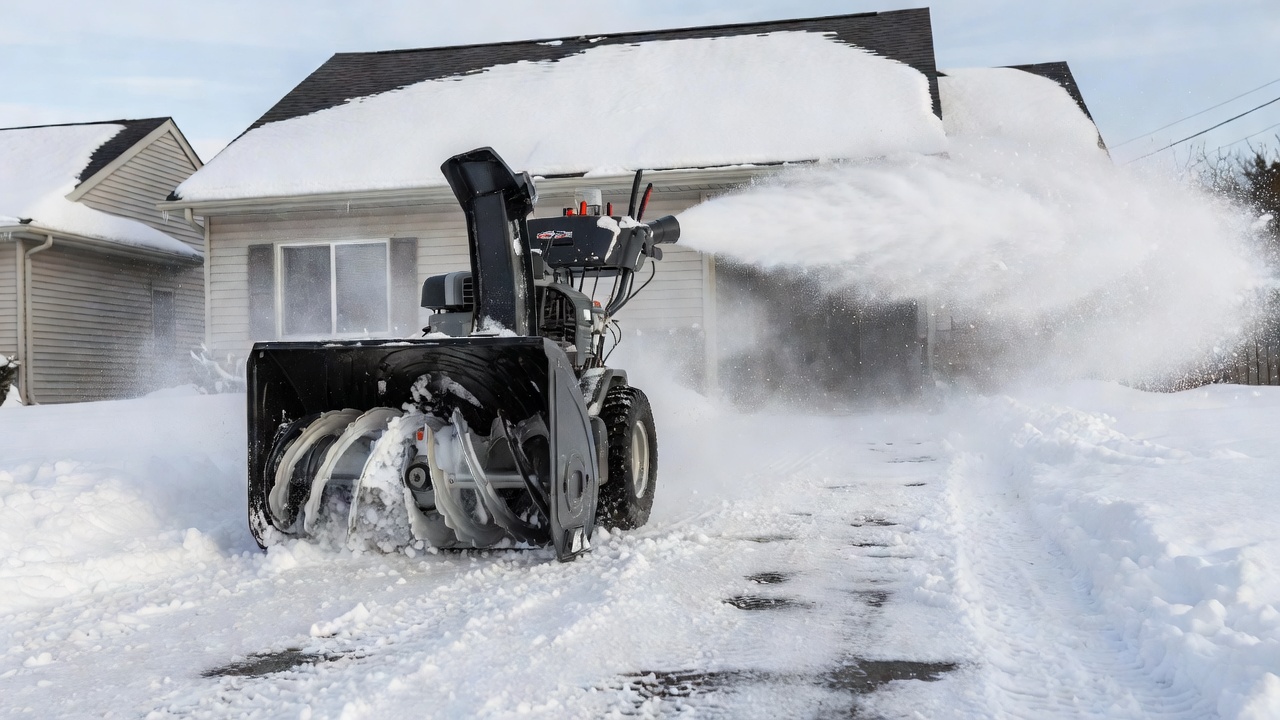
At its core, a snow blower is a piece of winter equipment designed to displace snow from a specific area to a designated disposal zone. Unlike a snow plow, which pushes snow to the side using a blade, a snow blower actively collects and propels snow through a focused mechanism. The primary problem this equipment solves is the physical burden and time commitment associated with manual snow removal. By utilizing mechanical power, a snow blower can clear large volumes of snow from walkways and driveways that would otherwise require hours of manual labor with a shovel.
Key Components of a Snow Blower
To understand how this equipment functions, it is helpful to identify the primary components that work in tandem to move snow. While models vary in complexity, most share these foundational parts:
- Engine or Motor: This provides the necessary power to operate the intake and discharge mechanisms. It may be fueled by gasoline or powered by electricity.
- Auger: Located at the front of the unit, the auger is a rotating component designed to break up packed snow and pull it into the machine’s housing.
- Impeller: Often found in two-stage models, the impeller is a high-speed fan that forces the snow gathered by the auger up and out through the chute.
- Discharge Chute: This adjustable tube directs the path of the snow as it exits the machine, allowing the operator to choose where the snow is deposited.
- Housing: The metal or plastic shroud that protects the internal components and directs the flow of snow toward the intake.
How a Snow Blower Works: A Step-by-Step Guide
The process of clearing snow is a logical sequence of intake, movement, and discharge. First, the auger rotates to contact the surface, breaking apart snow and ice. As the machine moves forward, the auger scoops the snow into the housing. In single-stage models, the auger performs both the gathering and the throwing of the snow. In two-stage models, the auger gathers the snow and feeds it into a second, faster-spinning impeller, which then launches the snow out of the discharge chute.
The operator controls the direction of the snow by adjusting the angle and rotation of the discharge chute. By manipulating these settings, the user can ensure snow is thrown away from the cleared path, such as toward a lawn or a designated snow bank, rather than back onto the area they have already cleared.
Common Uses and Applications
Snow blowers are versatile tools used in various residential and commercial environments. They are most commonly utilized on driveways, sidewalks, and parking areas. Because they are designed to handle different depths and types of snow—ranging from light, fluffy powder to heavy, wet, or packed snow—they are essential winter equipment for regions that experience regular seasonal accumulation.
While residential users typically employ these machines to clear their own property, they are also frequently used by facility managers and maintenance crews to ensure safety on commercial walkways. Regardless of the setting, the goal remains the same: to provide a clear, safe surface for pedestrian or vehicle traffic. Always consult the specific manufacturer’s manual for operating guidelines, as safety features and maintenance requirements vary by model. If you are unsure about the safe operation of your equipment, consult a qualified professional to ensure proper maintenance and handling.