What Is the Best Snowblower? (Direct Answer)
There is no single “best” snowblower for everyone; the right choice depends entirely on your specific conditions. For heavy or deep snow on large driveways, a two-stage gas-powered snowblower is generally the most powerful and durable option. For small to medium areas with lighter snow, a lightweight single-stage electric or cordless model offers easy, low-maintenance operation. For eco-friendly, cordless convenience, a battery-powered two-stage model is a strong choice, provided you manage battery run time carefully.
Understanding the Question: What Makes a Snowblower “Best”?
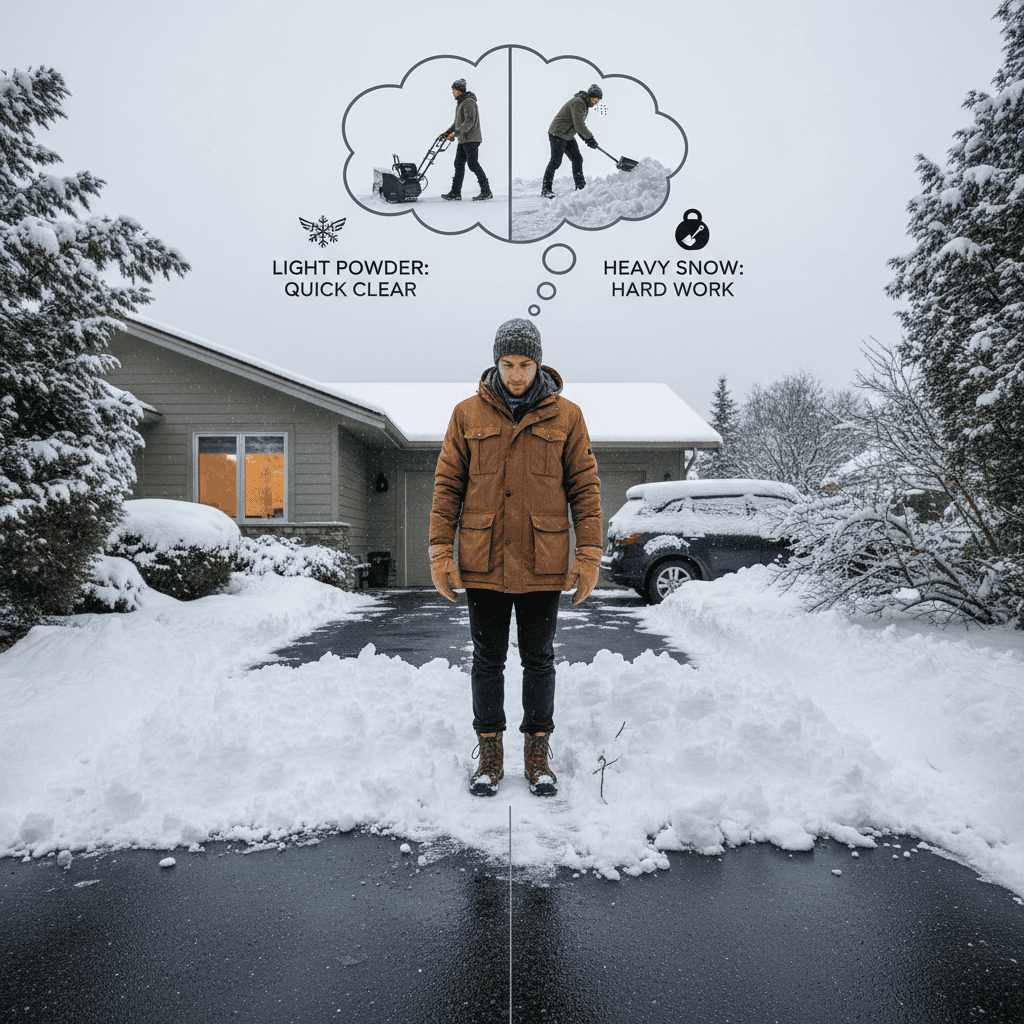
The term “best” is subjective and depends entirely on your unique circumstances. A snowblower that is perfect for a homeowner with a short, paved driveway in a light-snow region would be completely inadequate for someone with a long gravel driveway in a heavy-snow belt. Before looking at specific models, you must first understand your own needs.
Key personal factors that change the answer include:
- Average Snowfall Depth: Do you typically get a few inches or over a foot per storm?
- Driveway/Walkway Size: Are you clearing a small sidewalk or a large, multi-car driveway?
- Surface Type: Is your surface paved (asphalt, concrete) or gravel? This is critical for choosing the right auger type.
- Power Source Preference: Do you have easy access to an outlet? Do you prefer the low maintenance of electric or the raw power of gas?
- Budget: What is your initial investment and willingness to pay for ongoing fuel or maintenance costs?
Key Factors to Consider Before Buying a Snowblower
Educating yourself on the most important specifications will help you match a machine to your needs, ensuring you don’t overspend on features you don’t need or buy a model that is underpowered for your conditions.
How Does Average Snowfall Depth Affect Your Choice?
Snowfall depth is the primary factor in determining the clearing depth capacity you need. This specification tells you the maximum height of snow the machine can handle in a single pass.
- Light Snow (Under 6 inches): A single-stage electric or cordless model is sufficient.
- Moderate Snow (6-12 inches): A single-stage gas or a basic two-stage model is recommended.
- Heavy Snow (Over 12 inches): A robust two-stage or three-stage gas model is necessary to handle the volume and weight.
Why Does Driveway Size and Surface Matter?
Clearing width determines how many passes you’ll need to make. A wider clearing width (24 inches or more) is essential for large driveways to save time and effort. For smaller walkways, a narrower model (18-21 inches) is more maneuverable.
Surface type is non-negotiable for safety and machine longevity:
- Paved Surfaces (Asphalt, Concrete): All snowblower types are suitable. Rubber-edged augers on single-stage models are ideal as they can scrape close to the pavement.
- Gravel or Crushed Stone: You must use a two-stage or three-stage model with a skid shoe. These models have an auger that is elevated above the housing, preventing it from picking up and throwing rocks. Single-stage models will dig into gravel and become dangerous projectiles.
Gas, Electric, or Cordless: The Power Source Trade-Offs
| Power Source | Pros | Cons |
|---|---|---|
| Gas-Powered | Most powerful, unlimited run time, best for heavy snow and large areas. | Requires fuel and oil, regular maintenance (spark plugs, oil changes), produces emissions, louder. |
| Corded Electric | Instant start, no fuel or emissions, quiet, low maintenance, often lighter. | Limited by cord length and outlet access, less powerful, not ideal for very heavy or wet snow. |
| Cordless/Battery-Powered | Complete freedom of movement, no cords, no emissions, quiet, low maintenance. | Limited by battery run time (typically 30-60 minutes), higher upfront cost, batteries degrade over time. |
Performance Specs: Width, Depth, and Throw Distance
- Clearing Width: The width of the path the snowblower clears in one pass. Larger is faster for big areas.
- Clearing Depth: The maximum height of snow the intake can handle. Must exceed your typical snowfall.
- Throw Distance: How far the machine can propel snow. Important if you need to throw snow far from the cleared area (e.g., over a bank).
Types of Snowblowers Explained
Understanding the mechanical differences between single-stage, two-stage, and three-stage designs is fundamental to making the right choice.
Single-Stage Snowblowers
These models use a single auger (a rotating spiral blade) to both scoop up the snow and throw it out the chute. The auger makes direct contact with the ground, which helps scrape pavement clean but makes them unsuitable for gravel. They are lighter, more affordable, and best for light to moderate snow on paved surfaces. They are available in gas, electric, and cordless versions.
Two-Stage Snowblowers
These machines use an auger to gather snow and feed it into a second component, the impeller (a high-speed fan), which then throws the snow out the chute. This two-step process allows for much greater power, clearing depth, and throw distance. The auger is housed above the ground, making them safe for gravel driveways. They are almost exclusively gas-powered and are the standard for heavy snow and large areas. Most are self-propelled, reducing operator effort.
Three-Stage Snowblowers
An advanced variation of the two-stage design, these add a third component: an accelerator. This accelerator spins perpendicular to the auger, breaking up heavy, compacted snow and ice faster before feeding it to the impeller. They clear snow up to 50% faster than two-stage models and are ideal for very large areas with frequent, heavy snowfall. They are the most powerful but also the most expensive and complex.
Step-by-Step Guide to Choosing Your Snowblower
Follow this practical decision process to match a machine to your exact needs.
Step 1: Measure Your Area
Measure the length and width of your driveway and primary walkways. Calculate the approximate square footage. This will help you decide on the necessary clearing width and whether a self-propelled model is worth the investment for larger areas.
Step 2: Assess Your Snow Conditions
Note your typical snowfall depth per storm and the consistency (light and powdery vs. heavy and wet). This will determine the required clearing depth and power level.
Step 3: Match Type to Conditions
- Small paved area, light snow: Single-stage (electric/cordless or gas).
- Medium to large paved area, moderate to heavy snow: Two-stage gas.
- Gravel driveway: Two-stage or three-stage (gas).
- Eco-conscious, medium area, moderate snow: Cordless two-stage (manage battery expectations).
Step 4: Consider Budget and Long-Term Costs
Factor in not just the purchase price, but also ongoing costs. Gas models require fuel and periodic maintenance. Electric models have near-zero operating costs. Cordless models have a high upfront cost due to batteries, which will eventually need replacement.
Direct Answer: The Best Snowblower for Each Scenario
Based on common needs, here is a definitive recommendation by category:
- Best for Heavy Snowfall & Large Driveways: A two-stage gas-powered snowblower with a clearing width of 24 inches or more, self-propulsion, and electric start. This combination provides the power, durability, and features needed to handle demanding conditions efficiently.
- Best for Small Areas & Light Snow: A single-stage electric or cordless snowblower. These are lightweight, easy to store, require no fuel, and are perfect for clearing sidewalks, small driveways, and patios after light snowfalls.
- Best for Eco-Friendly, Cordless Convenience: A battery-powered two-stage snowblower with a high-voltage battery system (e.g., 56V or 80V). This offers the power and gravel-safe design of a two-stage model with zero emissions and no cord. Ensure you have spare batteries for extended clearing sessions.
- When to Consider a Service: If you have an extremely large property, physical limitations, or live in an area with infrequent but massive snowfall, hiring a snow removal service may be more cost-effective and practical than purchasing and maintaining a large machine.
Frequently Asked Questions
What is the difference between a snow blower and a snow thrower?
The terms are often used interchangeably, but technically, a snow thrower is a single-stage machine where the auger both gathers and throws the snow. A snow blower typically refers to a two-stage machine with a separate auger and impeller for greater power.
Can I use a single-stage snowblower on gravel?
No, it is not recommended and can be dangerous. The auger on a single-stage model contacts the ground, which will pick up and throw gravel, rocks, and debris. Always use a two-stage or three-stage model with adjustable skid shoes on gravel surfaces.
How do I maintain my snowblower?
Maintenance varies by type. For gas models, regular tasks include checking/changing oil, replacing spark plugs, and lubricating cables. For all models, you should check and tighten bolts, inspect the auger and impeller for damage, and ensure the chute rotates freely. Always clean the machine thoroughly after use to prevent rust.
Are cordless snowblowers powerful enough?
Modern high-voltage cordless models (56V and above) are powerful enough for most residential needs, including moderate to heavy snow. However, their performance is limited by battery run time. For very large areas or back-to-back storms, you will need multiple batteries or a gas model.