When to Start Mowing Your Lawn: The Direct Answer
Start mowing when grass reaches 2.5 to 3.5 inches in height or when soil temperature consistently remains above 50°F. In northern regions, this typically occurs in late April to early May; in southern regions, February to March; and in transitional zones, March to April. Always follow the one-third rule: never remove more than one-third of the grass blade in a single mowing to maintain lawn health.
The Universal Lawn Mowing Rule: Height and Temperature
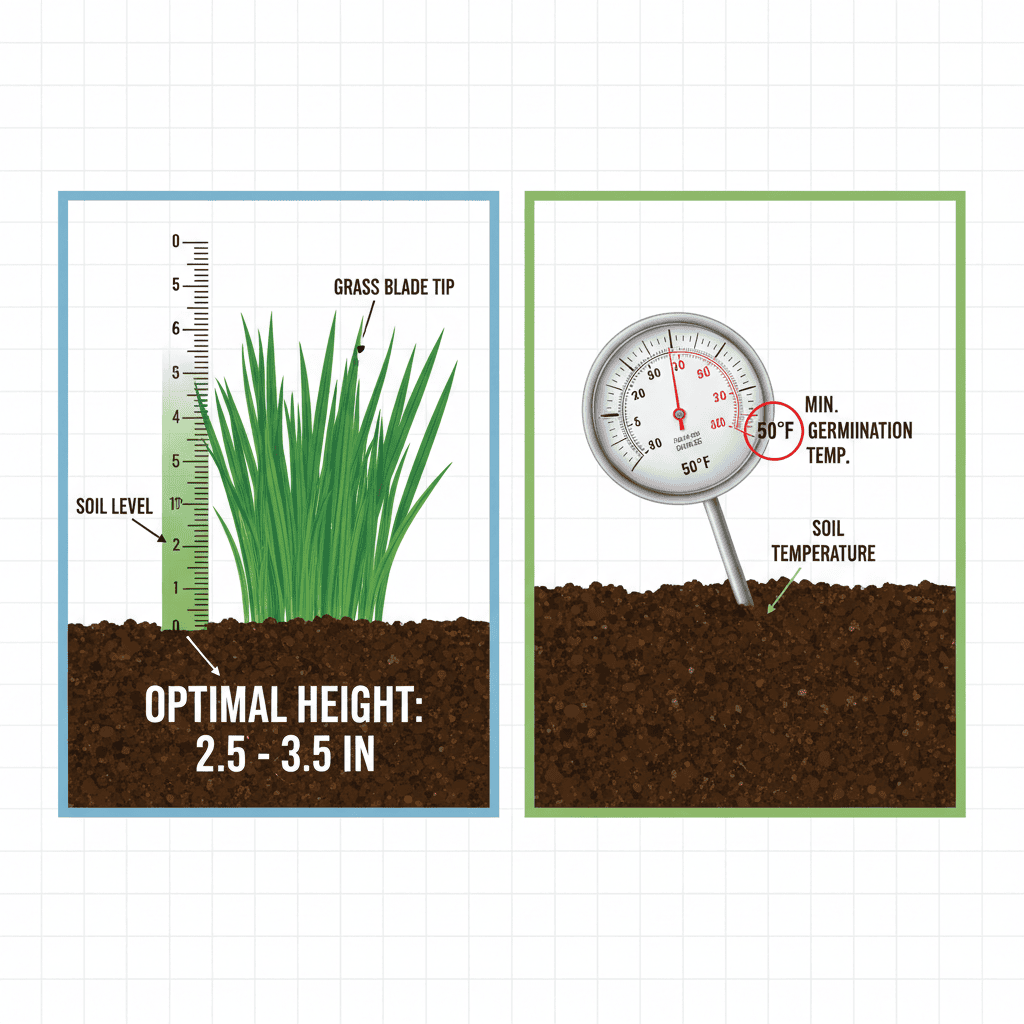
Two primary indicators signal when to begin mowing regardless of your location: grass height and soil temperature. These metrics work together to ensure both your lawn’s health and your mower’s effectiveness.
Grass Height: The 2.5 to 3.5 Inch Standard
Most lawn experts recommend starting your first mow when grass reaches between 2.5 and 3.5 inches tall. This height ensures the grass has recovered from winter dormancy and developed sufficient blade structure to withstand cutting. Mowing too early—when grass is shorter or still weak—stresses the plant and invites disease and weed invasion.
The ideal cutting height depends on your grass type, but the general rule is to mow when growth reaches about 50% taller than your target maintenance height. If you typically maintain grass at 2.5 inches, begin mowing once it reaches approximately 3.75 to 4 inches.
Soil Temperature: The 50°F Threshold
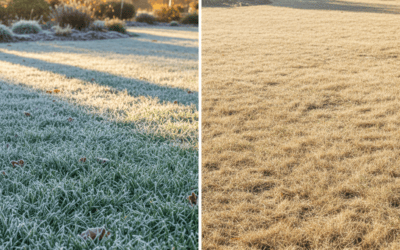
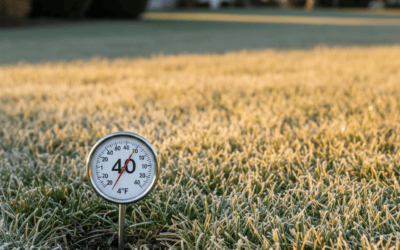
Soil temperature is equally important. When soil remains consistently above 50°F, grass actively grows and can recover quickly from mowing. Cooler soil temperatures indicate the plant is still dormant or transitioning out of dormancy, making it vulnerable to damage from cutting.
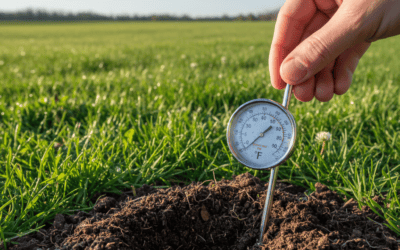
Check soil temperature using a soil thermometer inserted 4 inches deep into your lawn. Take readings over several days to confirm consistency. Many regional extension services also provide soil temperature data online.
The One-Third Rule: Why It Matters
Never cut more than one-third of the grass blade length in a single mowing session. This rule is foundational to lawn health. Removing more than one-third:
- Stresses the plant and slows recovery
- Increases susceptibility to disease and pest damage
- Can cause brown tips and visible scalping
- Forces the grass to redirect energy toward blade regrowth instead of root development
Following the one-third rule means mowing more frequently during peak growing season, but the healthier, denser lawn is worth the extra effort.
Regional Timing: When to Start by Climate Zone
While the height and temperature rules apply universally, geographic location significantly affects timing. The United States spans multiple climate zones with vastly different growing seasons.
Northern Regions (USDA Zones 3-5)
In northern states like Minnesota, Wisconsin, Michigan, and the Northeast, lawn mowing typically begins in late April through May. Cool-season grasses dominate these regions and break dormancy as soil temperatures rise in spring.
Watch for these local indicators in northern regions:
- Consistent daytime temperatures above 60°F
- Ground no longer frozen or waterlogged from snowmelt
- Visible green growth across most of the lawn
- Soil temperature readings consistently above 50°F for 7-10 days
Northern lawns may not require mowing until mid-May in colder microclimates or at higher elevations. Patience pays off—mowing too early in spring can damage weakened grass.
Southern Regions (USDA Zones 8-10)
In southern states like Florida, Texas, Georgia, and the Carolinas, mowing often begins as early as February or March. Warm-season grasses in these regions green up earlier, and soil temperatures climb faster.
Southern homeowners should watch for:
- Soil temperatures consistently above 50°F (often by early February)
- New green growth breaking through winter dormancy
- Nighttime temperatures regularly above 50°F
- Grass reaching the 2.5-3.5 inch height threshold
In southern regions with mild winters (southern Florida, coastal Texas), some grasses may require year-round mowing with only a brief slowdown period in winter.
Transitional Zones (USDA Zones 6-7)
States like Kentucky, Tennessee, Missouri, and mid-Atlantic regions experience variable springs. Mowing typically begins in March or April, but timing is less predictable than in purely northern or southern regions.
In transitional zones, rely more on observation than calendar dates:
- Check soil temperature consistently—this is your most reliable indicator
- Watch the 5-day weather forecast before mowing; a cold snap can slow growth
- Observe how quickly grass is growing; faster growth means readiness
- Begin mowing when confident that hard freezes are finished for the season
Cool-Season vs. Warm-Season Grasses: Different Start Times
Grass type, not just geography, determines when mowing should begin. Cool-season and warm-season grasses follow different growth cycles and respond to different temperature triggers.
Cool-Season Grasses: Spring Growth Cycle
Cool-season grasses (Kentucky bluegrass, perennial ryegrass, tall fescue) are dominant in northern and transitional regions. They actively grow in spring and fall when temperatures are moderate (60-75°F) and slow or go dormant in summer heat.
Cool-season lawns typically begin mowing in mid-to-late spring (April-May in the North) when soil temperatures reach 50°F and grass growth accelerates. These grasses are most vigorous in spring, so they can sustain regular mowing once growth begins.
Warm-Season Grasses: Late Spring Growth Cycle
Warm-season grasses (Bermuda, zoysia, St. Augustine, buffalo grass) dominate southern regions. They remain dormant and brown until soil warms significantly, then grow vigorously during hot months.
Warm-season lawns typically begin mowing in late winter or early spring (February-March in the South) after initial green-up, but growth accelerates as soil temperatures exceed 65-70°F. Beginning too early wastes time since growth is slow in cool soil.
Identifying Your Grass Type
Unsure which grass type dominates your lawn? Check these resources:
- Contact your local cooperative extension office—they can identify grass from photos or samples
- Observe your lawn’s dormancy pattern: if it browns in summer, it’s cool-season; if it browns in winter, it’s warm-season
- Review your region’s typical grass recommendations online
- Ask a local landscape professional
Local Indicators to Check Before Your First Mow
While calendars and soil thermometers provide guidance, observing your specific lawn offers the most accurate signal that mowing should begin.
Visible Growth Patterns
Your lawn will tell you when it’s ready. Before mowing, confirm:
- Grass has visible green color across most of the lawn, not just scattered shoots
- Blades are firm and upright, not soft or flattened by winter
- Growth is consistent; if some areas are still dormant, wait a few more days
- Grass height reaches the 2.5-3.5 inch threshold uniformly
Soil and Weather Conditions
Environmental conditions matter as much as grass appearance:
- Soil moisture: Mow when soil is dry or slightly moist, not waterlogged. Soggy soil compacts easily under mower wheels, damaging the lawn structure.
- Frost and freeze risk: Wait until the threat of hard freezes (below 28°F) has passed. A late frost after early mowing can severely damage new growth.
- Rainfall timing: If rain is forecast within 24 hours, wait to mow. Cutting wet grass clogs mowers and spreads disease.
Regional Microclimates
Your specific lawn’s microclimate may differ from regional averages:
- North-facing lawns warm slower than south-facing ones
- Shaded areas green up later than sunny spots
- Low-lying areas may stay wet longer after snowmelt
- Elevated areas may warm faster and be ready earlier
Begin mowing when the majority of your lawn is ready, then address slower sections as they catch up.
Step-by-Step: Preparing for Your First Lawn Mow of the Season
Before you push that mower out of storage, complete these preparation tasks to ensure a successful first mow and protect your equipment.
1. Service Your Mower
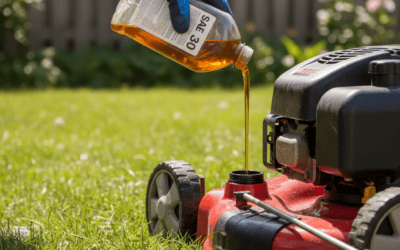
- Change the oil if you stored the mower for more than 30 days
- Replace or clean the air filter to ensure proper engine performance
- Inspect spark plugs and replace if corroded or worn
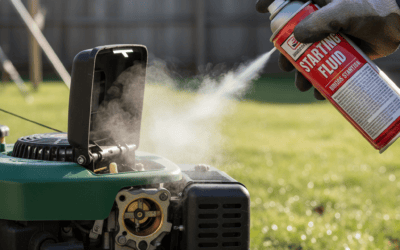
- Check fuel: Drain old fuel from last season and add fresh gasoline, or replace fuel if you stored the mower with fuel inside
2. Inspect Cutting Blades
- Check blades for damage, dullness, or rust
- Sharpen blades if they’re dull (dull blades tear grass, causing brown tips)
- Replace blades if they’re bent or damaged
- Ensure blades are balanced; unbalanced blades cause vibration and uneven cutting
3. Check Mower Settings
- Set the cutting height to your desired maintenance height (typically 2.5-3.5 inches)
- For the first mow, consider raising blades slightly higher than normal to avoid scalping if the lawn is uneven
- Verify that all wheels are set to the same height for even cutting
- Test the mower on a small section before mowing the entire lawn
4. Clear the Lawn
- Remove sticks, stones, and debris that could damage blades or be ejected dangerously
- Mark any low spots or obstacles so you can navigate carefully
- Address bare or thin patches with seed or repair if needed, but after the first few mows once growth is established
5. Plan Your Mowing Pattern
- Decide on a consistent mowing pattern (stripes, checkerboard, or spiral)
- Alternating patterns each week reduces soil compaction and tire wear
Common Mistakes to Avoid When Starting Your Lawn Mowing Season
Many homeowners inadvertently damage their lawns by rushing the spring mowing schedule. Avoid these common pitfalls.
Mowing Too Early in the Season
Cutting grass before it’s fully out of dormancy stresses the plant and reduces vigor. Early mowing exposes the crown of the grass plant, making it vulnerable to frost damage, disease, and weed invasion. Wait until soil temperatures consistently stay above 50°F and grass shows uniform green growth.
Cutting Too Short
Some homeowners think a short cut means fewer mowing sessions—this backfires. Cutting below 2 inches in the first mow (or repeatedly throughout the season):
- Stresses the grass plant
- Allows sunlight to reach soil, promoting weed germination
- Reduces the grass’s ability to shade out weeds and compete
- Causes brown, thin lawns by mid-summer
Maintain the 2.5-3.5 inch height for most cool-season grasses and follow your specific grass type’s recommendations.
Mowing Wet Grass
Wet grass clumps in the mower deck, clogs the chute, and leaves uneven cut marks. Wet mowing also:
- Spreads fungal disease spores across the lawn
- Compacts soil under heavy mower wheels
- Damages mower blades and bearings
Wait until grass is dry or at least surface-dry before mowing.
Ignoring the One-Third Rule
Removing more than one-third of the blade in one session shocks the grass. If your lawn grew taller than usual (due to travel or weather), mow twice: once to reduce height by one-third, then again a few days later to reach your target height.
Using Dull Blades
Dull blades tear rather than cut grass cleanly, creating brown tips that look unhealthy and invite disease. Sharpen blades at least twice per season, or more often if you mow frequently or have rocky soil.
Mowing During Drought Stress
If your region is experiencing drought or if soil is very dry, delay mowing or raise blade height. Cutting stressed grass further compromises its ability to recover. Water deeply before mowing if conditions are very dry.
Frequently Asked Questions
Q: What if my lawn is still partially dormant in spring? Should I wait to mow?
A: If some areas are green and growing while others are still brown, wait a few more days for the whole lawn to green up uniformly. Mowing unevenly dormant grass can damage the weak sections. However, if 80% of the lawn is actively growing and reaching mowing height, you can begin mowing and address slower sections as they grow in.
Q: Can I mow before soil reaches 50°F if grass is already tall?
A: It’s not recommended. Even if grass has grown to 3.5 inches, mowing before soil temperature reaches 50°F indicates the grass is not actively growing. Cutting dormant or semi-dormant grass stresses it unnecessarily. Wait for soil temperature to consistently reach 50°F before the first mow, even if it takes a week or two longer.
Q: How often should I mow once I start in spring?
A: In spring, cool-season grasses grow rapidly. Mow when grass reaches about 50% above your target height—typically weekly or every 10 days during peak spring growth. Once summer heat slows growth, mowing frequency typically decreases to every 10-14 days.
Q: What’s the best time of day to mow?
A: Mid-morning to early afternoon is ideal. Morning dew should dry first (prevents disease spread and clumping), and afternoon heat shouldn’t stress fresh cuts. Avoid mowing in extreme heat, late evening, or before rain.
Final Thoughts on Spring Lawn Mowing
Starting your lawn mowing season at the right time sets the foundation for a healthy, attractive lawn all year. Rather than following a rigid calendar, use the combination of grass height (2.5-3.5 inches), soil temperature (consistently above 50°F), and local observation to determine readiness. In northern regions, expect late April through May; in southern regions, February through March; and in transitional zones, March through April—with regional and microclimate variation. Always follow the one-third rule, maintain sharp blades, and avoid common mistakes like mowing too early or too short. A thoughtful approach to that first spring mow will pay dividends in lawn health and appearance for months to come.