Quick Answer
There is no single best robot vacuum for every home, since the right pick depends on floor types, pets, budget, and whether you need mopping. For most households, a mid-to-premium model with self-emptying, smart mapping, and strong cleaning performance offers the best value.

Pros
- 3.13-inch slim height per manufacturer specifications
- 35,000 Pa suction rating with upgraded DuoBrush
- Dual AI cameras for obstacle detection and adaptation
- 10-in-1 dock with 212°F hot-water mop washing per listing
- MopExtend and SideReach features for edges and corners
Cons
- Listed weight of 52 pounds makes it bulky to move
- Claimed suction gains are manufacturer figures, not tested results
Pros
- Exceptional suction power for deep carpet cleaning.
- Advanced mapping technology prevents the robot from getting stuck or missing areas.
- Convenient self-emptying base reduces manual maintenance to a minimum.
- Effective at handling pet hair without brush roll tangles.
Cons
- High price point compared to newer and more compact models.
- The physical footprint of the Clean Base is relatively large and requires dedicated space.
- Some users may find the noise level during the automatic emptying cycle quite loud.
The Ultimate Hands-Free Cleaning Solution
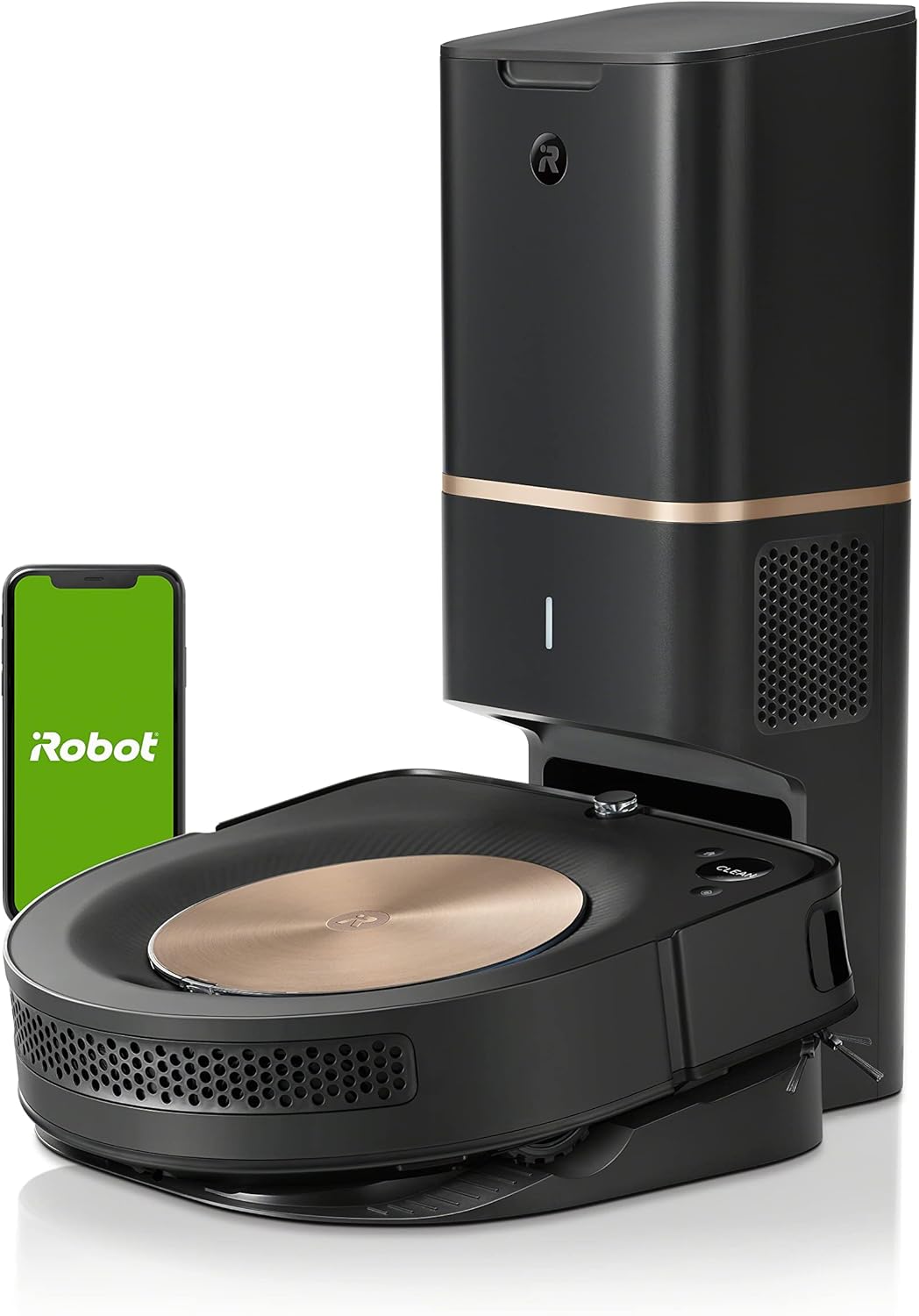
The iRobot Roomba s9+ robot vacuum stands as the flagship solution for homeowners who demand a pristine living space without the daily chore of vacuuming. Designed for those with large homes or significant pet shedding, this device combines raw suction power with industry-leading mapping capabilities. It is a premium investment for anyone looking to reclaim their time through high-end automation.
Performance and Navigation
What sets the s9+ apart is its proprietary PerfectEdge Technology. Unlike traditional round vacuums, the D-shaped design allows it to navigate into corners and along edges with precision. With 40x more suction than base-level models, it excels at pulling deeply embedded dirt from rugs and carpets. The vSLAM navigation system is incredibly intelligent, capturing thousands of data points per second to ensure no corner is left uncleaned while avoiding obstacles effectively.
Smart Integration and Maintenance
The standout feature is undoubtedly the Clean Base Automatic Dirt Disposal, which allows the robot to empty its own bin for up to two months. Combined with the iRobot OS, which provides personalized cleaning schedules based on seasonal pollen or pet shedding cycles, the vacuum feels truly proactive. Users can easily partition their home into specific rooms or zones, allowing for targeted cleaning via simple voice commands or the intuitive mobile app.
Final Verdict
While the iRobot Roomba s9+ carries a higher price tag, it justifies the cost through its comprehensive feature set and autonomous reliability. It is a robust machine that prioritizes performance and deep cleaning. While it occupies a larger space than smaller robots and operates with significant noise during self-emptying, the trade-off is a consistently clean home with virtually zero manual effort required.

Pros
- 36,000 Pa suction, rated by the manufacturer for carpets and hard floors
- Retractable LDS mapping with manufacturer-stated 300+ obstacle recognition
- 212°F hot-water mop washing with auto detergent dispensing
- Manufacturer-rated climbing up to 3.46 inch double-layer thresholds
- Expanded edge cleaning with FlexiArm and in-app curtain marking
Cons
- Heavy at 31.7 pounds with a 19.5 x 15.8 x 17.7 inch footprint
- Supports only 2.4 GHz Wi-Fi
For most households, the best value lies in the mid-to-premium range: a self-emptying model with smart mapping and strong cleaning performance. Budget shoppers should prioritize navigation quality and suction over extra features, while pet owners should focus on strong suction and tangle-resistant brushes. In short, the best robot vacuum is the one that matches your specific home layout, cleaning needs, and budget.
What Does “Best” Actually Mean for a Robot Vacuum?
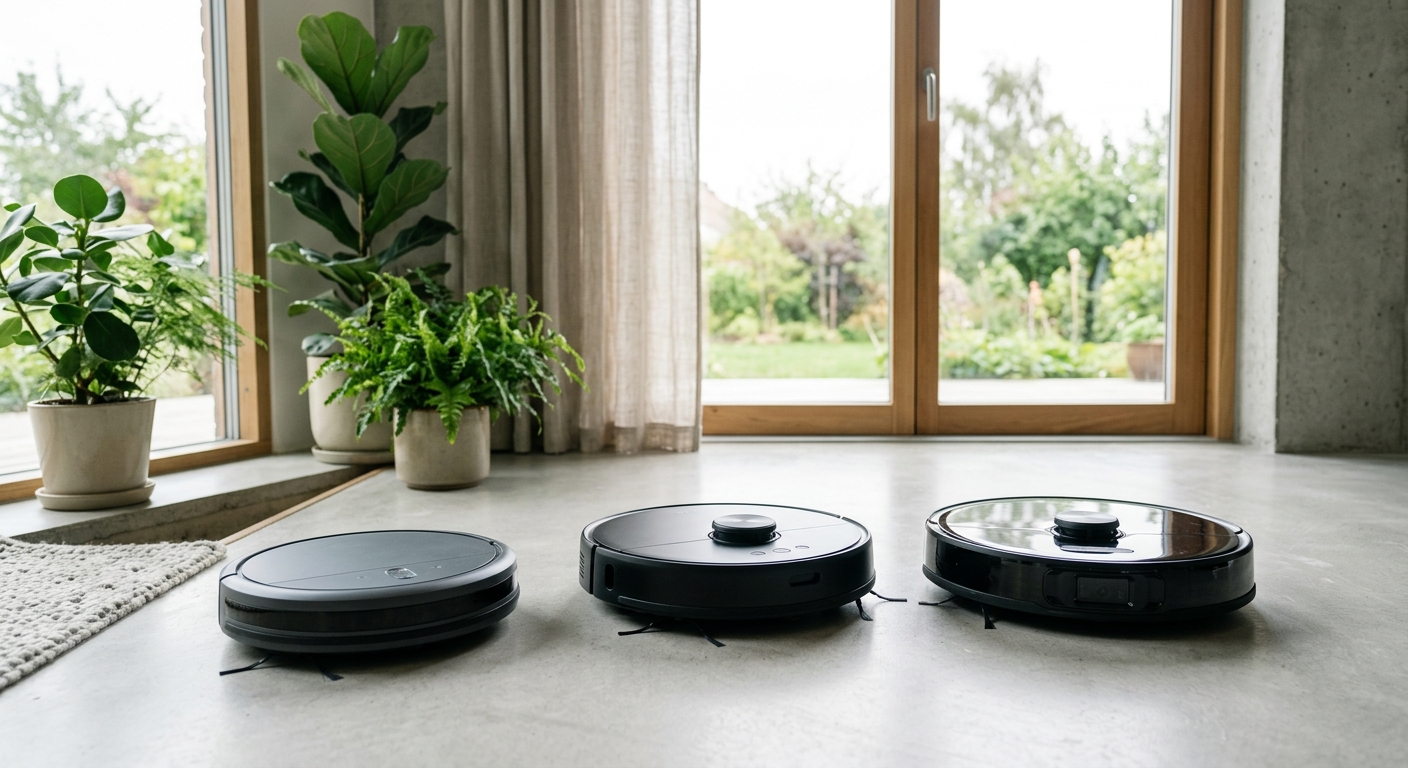
Understanding what “best” means requires recognizing that robot vacuums serve different purposes and home environments. The term can refer to several different categories: For complementary hardware performance, examine our breakdown on robot vacuum.
- Best Overall: The model that performs excellently across most metrics, cleaning power, navigation, reliability, and features, for the average home.
- Best Value: The model offering the most important features at the most reasonable price point, balancing performance and cost.
- Best for Specific Use Cases: Models optimized for particular needs, such as pet hair removal, deep carpet cleaning, hard floor mopping, or small apartment navigation.
- Best Premium: The most advanced model with every feature, regardless of cost, for those wanting cutting-edge technology.
Reviewers and experts define “best” based on standardized testing protocols that measure suction power, debris pickup on different surfaces, navigation accuracy, battery life, noise levels, and user experience. No single model dominates every category, which is why comprehensive guides break recommendations into these use-case categories.
Key Factors to Consider Before Buying a Robot Vacuum
Suction Power and Cleaning Performance
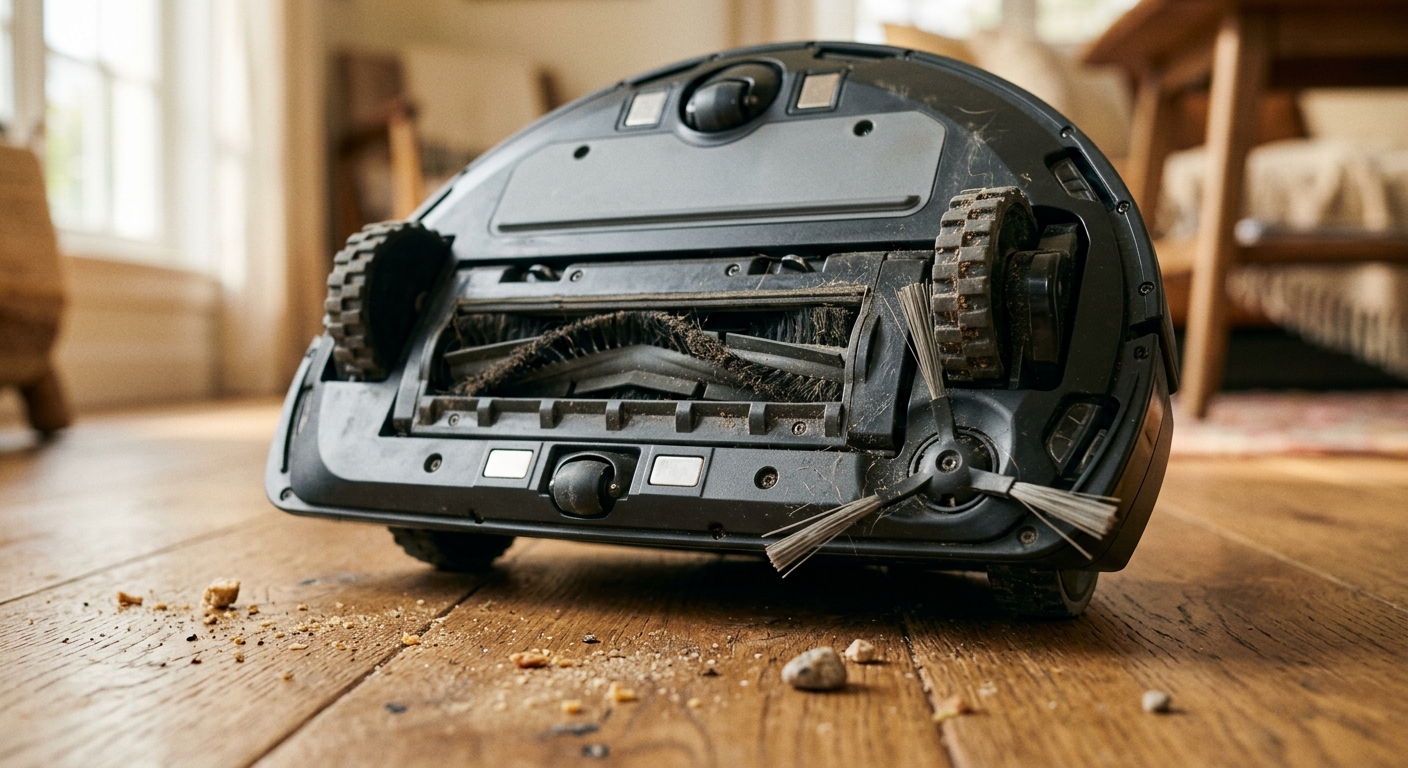
Suction power, measured in Pascals (Pa), is crucial for effective cleaning. Budget models typically offer 1,500-2,000 Pa, mid-range models provide 2,500-4,000 Pa, and premium models can exceed 5,000 Pa. However, suction power alone doesn’t determine cleaning effectiveness, brush design, airflow optimization, and cleaning path algorithms also matter significantly. For troubleshooting and reliability insights, consult our in-depth why robot vacuum keeps getting lost lidar fix report. For complementary hardware performance, examine our breakdown on robot vacuum for pet hair.
Navigation Technology
Navigation systems determine how efficiently a robot vacuum cleans and how well it avoids obstacles:
- LiDAR Navigation: Uses laser sensors to create precise maps of your home, enabling efficient cleaning paths and accurate room mapping. This is the gold standard for navigation accuracy.
- Camera-Based Navigation: Uses visual sensors to map environments, often combined with AI for object recognition. Can be slightly less accurate than LiDAR but offers better obstacle identification.
- Random Bump Navigation: The most basic system where robots clean randomly until they bump into obstacles. Less efficient but more affordable.
Self-Emptying Docks
Self-emptying docks automatically transfer debris from the robot’s dustbin into a larger bag or container in the base station. This feature reduces maintenance frequency from daily to weekly or monthly, though it adds significant cost (typically $200-$400 more than models without this feature). The convenience is particularly valuable for large homes or pet owners.
Obstacle Avoidance
Advanced models use 3D sensors, structured light, or AI cameras to recognize and avoid small objects like shoes, cables, and pet waste. This prevents the robot from getting stuck or spreading messes, a critical feature for homes with children, pets, or cluttered floors.
Mopping Functionality
Many premium robot vacuums now include mopping capabilities. Basic models use a simple damp cloth, while advanced systems feature vibrating mop pads, water flow control, and automatic lifting when transitioning to carpet. For homes with mostly hard floors, this can eliminate the need for separate cleaning devices.
Battery Life and Coverage
Battery life determines how large an area the robot can clean on a single charge. Most models offer 60-120 minutes of runtime, with premium models reaching 180+ minutes. Larger homes (over 2,000 square feet) should prioritize models with longer battery life or automatic recharging and resuming capabilities.
How to Choose Based on Your Home and Lifestyle
For Pet Owners
Pet owners should prioritize models with:
- High suction power (3,000 Pa minimum)
- Tangle-resistant brush designs
- HEPA filtration to capture allergens
- Strong obstacle avoidance to avoid pet waste accidents
- Larger dustbins or self-emptying docks to handle increased debris
For Carpet-Heavy Homes
Homes with significant carpeting need:
- High suction power (4,000+ Pa recommended)
- Motorized brush rolls that agitate carpet fibers
- Auto-boost features that increase suction on carpet
- Models specifically designed for deep carpet cleaning
For Hard Floor Homes
Hard floor homes benefit from:
- Models with mopping capabilities
- Soft brush rolls that won’t scratch surfaces
- Edge cleaning brushes for baseboards and corners
- Slightly lower suction requirements since debris sits on the surface
For Small Apartments
Smaller spaces can often use: To evaluate matched hardware tolerances, consult our detailed overview of can robot vacuums cross high thresholds.
- More affordable models with basic navigation
- Compact designs that fit under furniture
- Models with smaller dustbins since there’s less area to cover
- Basic app controls for scheduling and monitoring
Step-by-Step Guide to Identifying the Best Robot Vacuum for You
- Assess Your Home: Measure your total square footage, identify floor types (carpet, hardwood, tile), note furniture layout, and identify problem areas.
- Identify Your Needs: Consider pet ownership, allergy concerns, desire for mopping, and how often you can empty dustbins.
- Set a Realistic Budget: Budget models ($200-$400) offer basic cleaning; mid-range ($400-$700) provide smart features; premium ($700+) include self-emptying and advanced navigation.
- Research Reliable Sources: Consult independent testing organizations like Consumer Reports, Wirecutter, or RTINGS that conduct standardized performance tests.
- Compare Key Specifications: Focus on suction power, navigation type, battery life, dustbin capacity, and special features relevant to your needs.
- Consider Long-Term Costs: Factor in replacement parts (filters, brushes), bags for self-emptying docks, and potential repair costs.
- Read User Reviews: Look for patterns in user experiences regarding reliability, customer service, and real-world performance.
Direct Answer: What Is the Best Robot Vacuum Right Now?
The brands consistently rated as making the best robot vacuums include iRobot (Roomba), Roborock, Ecovacs (DEEBOT), and Shark. However, the most expensive model is not always the best choice, the best robot vacuum is the one that matches your specific needs and budget.
For most homes today, the consensus points toward mid-to-premium models with LiDAR navigation, strong suction (3,000+ Pa), and smart mapping capabilities. Self-emptying docks are increasingly considered essential for convenience, though they add significant cost. Robot vacuums typically last 4-6 years with proper maintenance, though battery degradation may necessitate earlier replacement. When planning workspace deployment, consider the engineering criteria outlined in our robot vacuum not connecting to wifi guide.
Frequently Asked Questions About Robot Vacuums
Which robot vacuum is best for pet hair?
For pet hair, prioritize models with high suction power (3,000 Pa minimum), tangle-resistant brush designs, and strong obstacle avoidance. Look for models specifically marketed for pet owners, which often include specialized brush rolls and enhanced filtration systems. Regular maintenance (cleaning brushes and filters) is crucial regardless of the model chosen.
What is the best iRobot vacuum?
iRobot’s Roomba lineup offers options for different needs and budgets. The Roomba j7+ excels at obstacle avoidance, the Roomba s9+ provides strong suction for carpets, and the Roomba Combo models offer vacuuming and mopping. The “best” Roomba depends on your specific requirements, consider floor types, pet ownership, and desired features when choosing within the Roomba ecosystem.
Do robot vacuums work well on carpets and rugs?
Modern robot vacuums can clean carpets effectively, but performance varies significantly by model. High-suction models (4,000+ Pa) with motorized brush rolls perform best on carpet. Many models include auto-boost features that increase suction when transitioning from hard floors to carpet. For thick carpets or deep pile rugs, premium models with strong suction and specialized brush designs are recommended.
Are robot vacuums worth the money compared to traditional vacuums?
Robot vacuums offer convenience and regular maintenance cleaning that traditional vacuums cannot match. They excel at daily upkeep, reaching under furniture, and maintaining cleanliness between deep cleans. However, they typically don’t replace traditional vacuums entirely, they complement them. For many users, the time savings and consistent cleaning make them worthwhile, especially for those with mobility issues or busy schedules.
Safety Resources for Robot Vacuums
Robot vacuums run without supervision, so check that charging cables are intact and that the dock sits on a flat surface. Keep loose cords and small objects out of the path. General electrical safety background for household devices is available from International Electrotechnical Commission (IEC).