Quick Answer
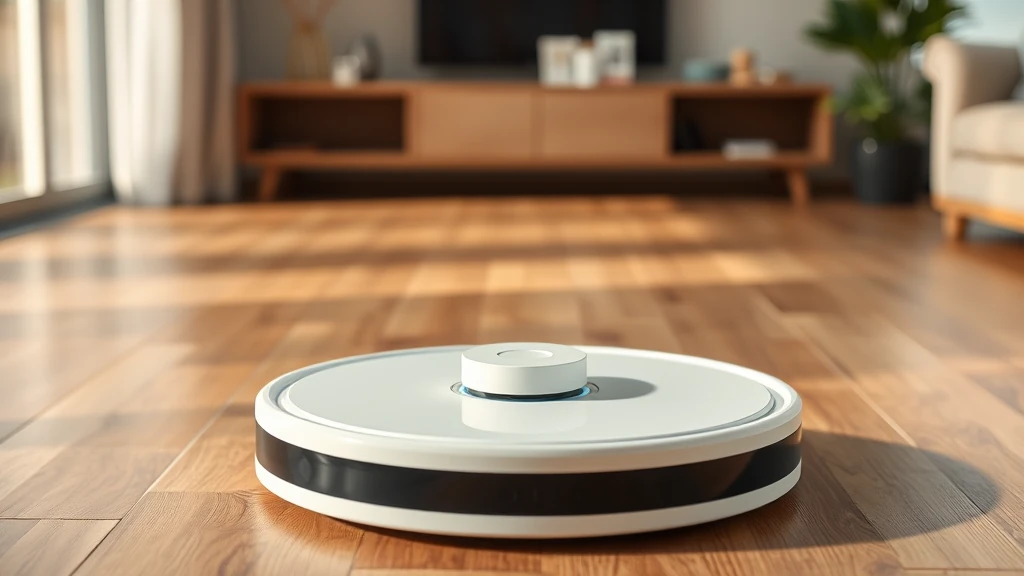
No single robot vacuum is best for everyone, since the ideal model depends on floor types, budget, and needs such as pet hair or mopping. Look for strong suction, reliable navigation, and useful battery life. Leading brands often rank well, but the right fit depends on your home layout.
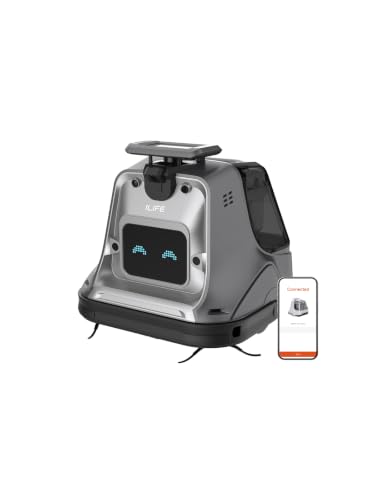
Pros
- Manufacturer-rated 20,000Pa suction with a 250W brushless motor
- Dual detachable batteries rated for up to 210 minutes of cleaning
- 3L dustbin with a modular design for simpler routine maintenance
- LiDAR, 3D ToF and stereo-camera navigation with app or touchscreen control
- Designed for large indoor areas such as hotels, offices and retail spaces
Cons
- Listed footprint of 14.84 x 14.69 x 14.21 inches is fairly large
- No customer reviews yet to confirm real-world performance

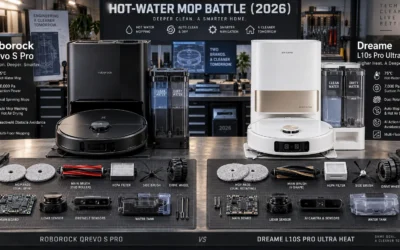
Pros
- 3.13-inch slim height per manufacturer specifications
- 35,000 Pa suction rating with upgraded DuoBrush
- Dual AI cameras for obstacle detection and adaptation
- 10-in-1 dock with 212°F hot-water mop washing per listing
- MopExtend and SideReach features for edges and corners
Cons
- Listed weight of 52 pounds makes it bulky to move
- Claimed suction gains are manufacturer figures, not tested results
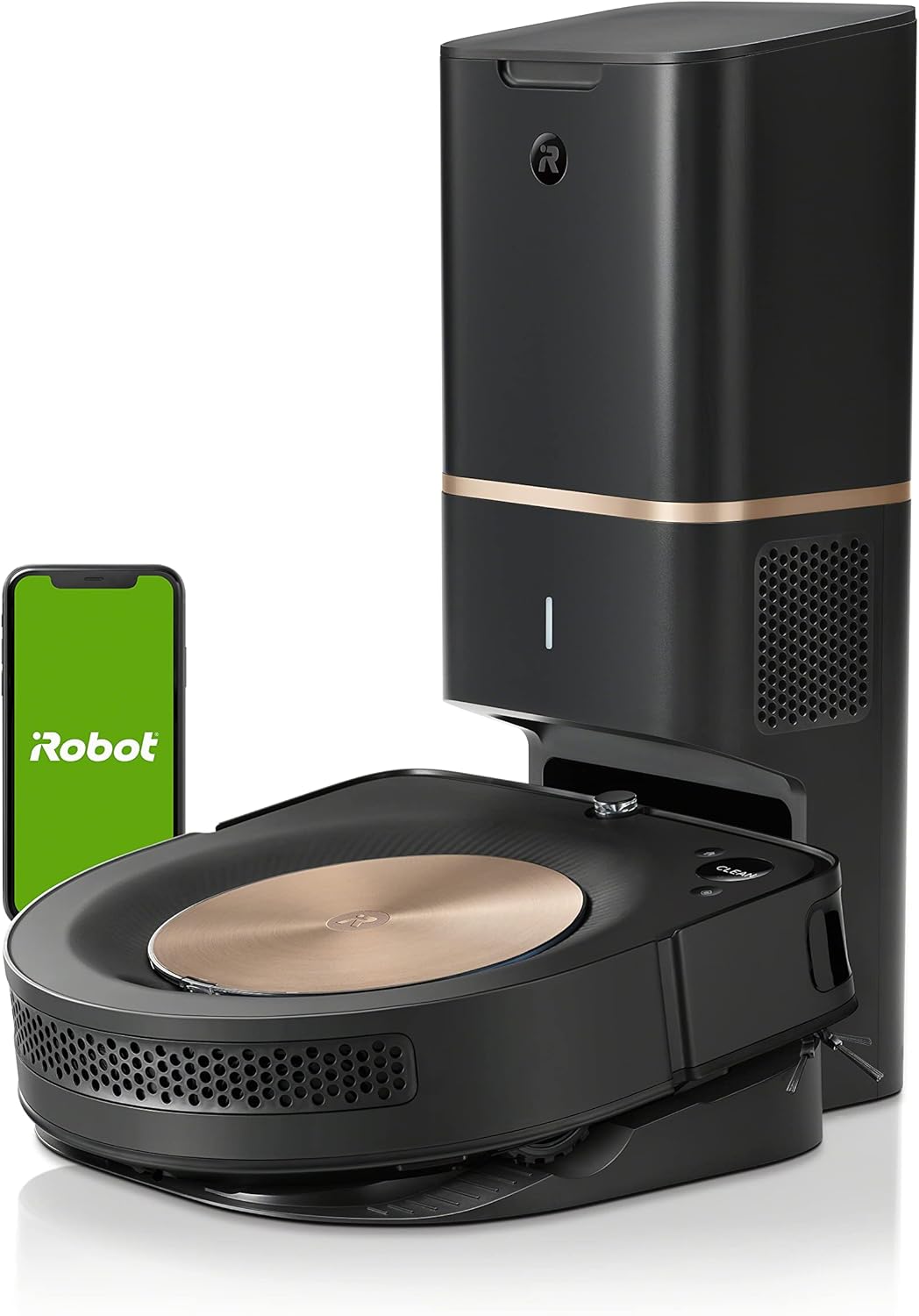
Pros
- Exceptional suction power for deep carpet cleaning.
- Advanced mapping technology prevents the robot from getting stuck or missing areas.
- Convenient self-emptying base reduces manual maintenance to a minimum.
- Effective at handling pet hair without brush roll tangles.
Cons
- High price point compared to newer and more compact models.
- The physical footprint of the Clean Base is relatively large and requires dedicated space.
- Some users may find the noise level during the automatic emptying cycle quite loud.
The Ultimate Hands-Free Cleaning Solution
The iRobot Roomba s9+ robot vacuum stands as the flagship solution for homeowners who demand a pristine living space without the daily chore of vacuuming. Designed for those with large homes or significant pet shedding, this device combines raw suction power with industry-leading mapping capabilities. It is a premium investment for anyone looking to reclaim their time through high-end automation.
Performance and Navigation
What sets the s9+ apart is its proprietary PerfectEdge Technology. Unlike traditional round vacuums, the D-shaped design allows it to navigate into corners and along edges with precision. With 40x more suction than base-level models, it excels at pulling deeply embedded dirt from rugs and carpets. The vSLAM navigation system is incredibly intelligent, capturing thousands of data points per second to ensure no corner is left uncleaned while avoiding obstacles effectively.
Smart Integration and Maintenance
The standout feature is undoubtedly the Clean Base Automatic Dirt Disposal, which allows the robot to empty its own bin for up to two months. Combined with the iRobot OS, which provides personalized cleaning schedules based on seasonal pollen or pet shedding cycles, the vacuum feels truly proactive. Users can easily partition their home into specific rooms or zones, allowing for targeted cleaning via simple voice commands or the intuitive mobile app.
Final Verdict
While the iRobot Roomba s9+ carries a higher price tag, it justifies the cost through its comprehensive feature set and autonomous reliability. It is a robust machine that prioritizes performance and deep cleaning. While it occupies a larger space than smaller robots and operates with significant noise during self-emptying, the trade-off is a consistently clean home with virtually zero manual effort required.
Understanding the Question: Why ‘Best’ Depends on Your Situation
The term ‘best’ is subjective and varies based on user priorities. A model that’s perfect for a pet owner with carpets might be overkill or inefficient for someone with hard floors and a tight budget. Reviews and recommendations can vary across sources because different tests prioritize different features.
- What does ‘best’ mean for different users? For pet owners, ‘best’ means superior suction and anti-tangle brushes. For allergy sufferers, it means excellent filtration and sealing. For busy families, it means reliable navigation and long battery life.
- How do floor types and home layout affect the choice? Homes with thick carpets need high suction power. Homes with lots of furniture or tight spaces need advanced navigation (like LiDAR) to avoid getting stuck. Large homes require longer battery life and efficient path planning.
Key Factors to Consider When Choosing a Robot Vacuum
Evaluating these core criteria will help you identify the best robot vacuum for your specific scenario.
Suction Power and Cleaning Performance
Suction power, often measured in Pascals (Pa), determines how well a vacuum lifts debris from floors and carpets. Higher Pa ratings generally indicate stronger suction, which is crucial for deep-cleaning carpets and picking up pet hair. However, raw power isn’t everything; brush design and airflow also play critical roles.
Navigation and Intelligence
Navigation technology dictates how efficiently and reliably a robot cleans your home.
- LiDAR (Laser Navigation): Uses a laser to map your home with high precision. It’s fast, accurate, and works well in the dark, allowing for efficient, methodical cleaning and accurate room-by-room mapping.
- Camera-based Navigation (vSLAM): Uses a camera and algorithms to map surroundings. It can be very effective but may struggle in very dark rooms.
- Gyroscope/Accelerometer Navigation: A more basic, budget-friendly option. The robot follows a systematic back-and-forth pattern but may miss spots or be less efficient in complex layouts.
Battery Life and Self-Charging
Battery life determines how much area the robot can clean in a single charge. Look for models that offer at least 90-120 minutes for average-sized homes. A crucial feature is ‘recharge and resume,’ where the robot automatically returns to its dock when the battery is low, charges, and then continues cleaning where it left off.
Smart Features and Connectivity
Modern robot vacuums are part of the smart home ecosystem.
- App Control: Allows you to start, stop, schedule, and view cleaning maps from your smartphone.
- Mapping and Room-Specific Cleaning: Lets you define rooms, set no-go zones, and send the robot to clean a specific area.
- Voice Assistant Compatibility: Works with Amazon Alexa, Google Assistant, or Siri for voice commands.
Mopping Capabilities
Many robots now offer 2-in-1 vacuuming and mopping. The effectiveness varies. Basic models use a dragging cloth, while advanced ones have vibrating mops or electronic water flow control. Consider if mopping is a primary need or a bonus feature.
Pet Hair Handling
For homes with pets, look for features like high suction, rubberized or anti-tangle brush rolls that prevent hair from wrapping, and large dustbins with fine dust filters. When planning workspace deployment, consider the engineering criteria outlined in our why is my robot vacuum not dispensing water guide.
Step-by-Step Guide to Finding Your Best Robot Vacuum
Follow this practical process to narrow down the ideal model for you.
- Define Your Budget: Prices range from budget models under $200 to premium all-in-one stations over $1,000. Set a clear range.
- Assess Your Home: Measure your space. Note floor types (carpet, hardwood, tile), presence of rugs, and furniture layout.
- Prioritize Your Needs: Is your top priority pet hair, mopping, quiet operation, or smart home integration?
- Compare Navigation and Battery: For larger or more complex homes, invest in LiDAR navigation and longer battery life with recharge-and-resume.
- Read Expert Reviews and Specs: Look for performance tests from trusted sources. Compare spec sheets side-by-side, focusing on the factors most important to you.
- What features do top-rated models generally share? They typically offer strong suction (2000 Pa+), advanced navigation (LiDAR or vSLAM), long battery life with recharge-and-resume, robust app control with mapping, and good build quality.
- How do major brands compare in general strengths?
- iRobot (Roomba): Known for reliability, excellent carpet cleaning, and a user-friendly app. Their high-end models have advanced obstacle avoidance.
- Roborock: Often praised for offering a great balance of performance, features (especially mopping), and value. Their LiDAR navigation is highly regarded.
- Ecovacs (Deebot): Known for innovative features, like their all-in-one OZMO Turbo mopping systems and advanced AI obstacle avoidance in premium models.
Frequently Asked Questions About Best Robot Vacuum Cleaner
How often should I run my robot vacuum?
For most homes, running the robot vacuum 3-5 times per week is sufficient to maintain clean floors. Homes with pets or high traffic may benefit from daily runs. You can easily schedule this through the robot’s app.
Do robot vacuums work on thick carpets?
Yes, many modern robot vacuums are designed to clean medium-pile carpets effectively. However, performance depends on suction power and brush design. For very thick, plush carpets, look for models with high Pa ratings and specialized carpet-boost modes that automatically increase suction when transitioning from hard floors. To compare alternative configurations, check our hands-on review of robot vacuum not connecting to wifi.
What is the difference between LiDAR and camera navigation?
LiDAR uses a laser to create a precise map of your home and is generally faster and more accurate, working well in any lighting. Camera-based navigation (vSLAM) uses visual cues and can also create detailed maps but may be slightly less consistent in very dark environments. Both are considered premium navigation systems.
Can a robot vacuum replace a traditional vacuum cleaner?
For daily maintenance and upkeeping clean floors, a robot vacuum can significantly reduce the need for manual vacuuming. However, most people still keep a traditional or stick vacuum for quick spot cleaning, deep cleaning upholstery, or reaching areas the robot cannot access, like under low furniture or on stairs.

Related Maintenance and Operating Guides
To keep your equipment running at peak operating efficiency, explore our related technical walkthroughs and maintenance tutorials:
- Consult our detailed breakdown on robotic pool cleaner comparison guide.
Robot Cleaner Safety Background
Robot cleaners can get caught under loose fringe, so tuck rugs in and block off stairs with barriers. Clean the sensors and wheels only after unplugging the dock. For general electrical safety guidance, consult International Electrotechnical Commission (IEC).