Quick Answer
No single vacuum cleaner is best for every home, since the right choice depends on floor types, pets, and budget. A model that balances suction, versatility, and easy maintenance suits most households. Pet owners should prioritize tangle-resistant brushes, and cordless models are handy for quick clean-ups.

Pros
- Exceptional suction power that rivals many corded upright vacuums.
- Real-time battery countdown on the LCD screen eliminates low-battery anxiety.
- Highly effective de-tangling technology prevents hair-wrap maintenance.
- Point-and-shoot hygienic bin emptying mechanism keeps your hands clean.
Cons
- At 6.6 pounds, the unit can feel slightly heavy during extended overhead cleaning.
- The compact 0.2-gallon dustbin requires more frequent emptying during whole-house sessions.
- Does not include the laser dust-illumination feature found on higher-tier models.
The Dyson V11 Origin Cordless Vacuum is engineered for homeowners who need heavy-duty cleaning power without the restriction of a cord. Specifically optimized for homes with pets, this versatile stick vacuum bridges the gap between lightweight convenience and deep-cleaning performance. If you struggle with stubborn pet hair on carpets or fine dust on hard floors, this vacuum is designed to handle those challenges daily.
Standout Features and Real-World Performance
At the heart of this machine is the Dyson Hyperdymium motor, which delivers 185 air watts of suction power. In real-world testing, this translates to effortless debris pickup on both thick rugs and hardwood floors. The de-tangling Motorbar cleaner head uses specialized hair removal vanes to automatically clear wrapped pet hair from the brush bar as you vacuum, eliminating the tedious chore of cutting hair away manually. Additionally, the specialized Hair screw tool uses an anti-tangle conical brush bar to lift pet hair off upholstery and stairs without clogging.
Design, Build Quality, and Usability
Dyson's engineering shines in the V11's user-centric design. The integrated LCD screen provides real-time feedback, showing your selected power mode, maintenance alerts, and a countdown of the remaining battery life to the very second. This feature eliminates battery anxiety entirely. Converting the unit into a handheld vacuum takes just one click, making it easy to transition from high ceilings to tight car interiors. The whole-machine filtration system is another highlight, capturing 99.99 percent of microscopic particles and expelling cleaner air back into your living space.
Considerations and Drawbacks
While the performance is top-tier, there are a couple of trade-offs to consider. Weighing in at 6.6 pounds, the vacuum can feel a bit heavy during prolonged overhead dusting. Additionally, the 0.2-gallon bin capacity is relatively compact, meaning you will need to empty it more frequently during large-scale deep cleans. It also lacks the advanced laser illumination found on some of Dyson's more expensive models.
The Verdict
The Dyson V11 Origin Cordless Vacuum is an exceptional cleaning tool that delivers on its promise of powerful, hassle-free deep cleaning. With its intelligent battery management, specialized pet tools, and robust filtration, it is a highly recommended investment for pet owners and busy households seeking a premium cordless vacuum experience.

Pros
- Lightweight and ergonomic design at only 5.6 pounds makes it easy to clean high-up spots.
- Excellent hair de-tangling performance with both the Motorbar and Hair screw tools.
- Advanced sealed filtration system is great for households with allergy sufferers.
- Converts quickly to handheld mode for maximum versatility.
Cons
- Run time is limited to about 5 minutes when using the intensive Max power mode.
- Requires a full charge before first use, and bin capacity is relatively small compared to larger upright vacuums.
If you are looking for a powerful yet lightweight cleaning solution, our Dyson V8 Plus Cordless Vacuum review highlights why this machine remains a top choice for busy households. Engineered specifically to tackle dirt, dust, and stubborn pet hair, this cordless stick vacuum offers the perfect balance of portability and deep-cleaning performance. It is an excellent match for pet owners and anyone dealing with long hair, thanks to its specialized anti-tangle technology.
Standout Performance and De-Tangling Technology
The defining feature of this vacuum is its Motorbar cleaner head, which uses polycarbonate hair removal vanes to automatically clear wrapped hair from the brush bar while you vacuum. Combined with the specialized Hair screw tool, which features an anti-tangle conical brush bar, this vacuum makes quick work of pet beds, stairs, and car upholstery. You get up to 40 minutes of fade-free power in everyday mode, though switching to Max mode for stubborn spots will reduce battery life significantly.
Ergonomic Design and Whole-Machine Filtration
Weighing only 5.6 pounds, the vacuum is exceptionally easy to maneuver. It quickly converts to a handheld unit with a single click, allowing you to reach tight spaces and high corners effortlessly. Allergy sufferers will also appreciate the advanced, whole-machine filtration system. By capturing 99.99% of microscopic particles as small as 0.3 microns, it ensures that dust and pet dander stay sealed inside the machine, expelling fresher air into your home.
The Verdict
While the compact bin capacity and the short 5-minute run time on Max mode are minor trade-offs, the overall performance, lightweight build, and hassle-free hair removal make it a standout appliance. If you want a reliable, high-performance cordless vacuum that simplifies pet hair cleanup, this model is a highly recommended investment for your home cleaning routine.

Pros
- Powerful motor provides deep cleaning performance on both carpets and hard floors
- Easy to switch between handheld and stick modes for versatile cleaning tasks
- Wall-mounted docking station keeps the vacuum charged and organized
- Advanced filtration captures allergens and fine dust, improving indoor air quality
Cons
- Battery runtime in maximum power mode is limited, which can interrupt cleaning large areas
- Smaller dust bin requires more frequent emptying in homes with heavy foot traffic or pets
The Dyson V8 Cordless Vacuum Cleaner is a solid choice for renters, apartment dwellers, or as a secondary quick-clean vacuum in larger homes. Its standout strength is the powerful suction and maneuverability that makes daily spot cleaning fast and effective. The main compromise is its battery life; while sufficient for most daily tasks, it may not last through a deep clean of a large, multi-story home on a single charge.
Brand: Dyson
Model: V8
Power Source: Cordless, Rechargeable Battery
Key Feature: Hygienic Bin Emptying
Versatility: Converts to Handheld
What Makes a Vacuum Cleaner the ‘Best’?
Defining the ‘best’ vacuum requires looking beyond marketing claims and understanding the core factors that determine a machine’s performance and value. The right vacuum for you will excel in the areas most important to your household.
Key Evaluation Criteria
- Suction Power: This is the fundamental measure of a vacuum’s cleaning ability, typically measured in air watts (AW) or pascals (Pa). Higher suction is crucial for deep-cleaning carpets and picking up heavy debris.
- Filtration System: Essential for trapping dust, allergens, and pet dander. A true HEPA (High-Efficiency Particulate Air) filter captures 99.97% of particles down to 0.3 microns, making it vital for allergy sufferers.
- Weight and Maneuverability: A lighter vacuum is easier to carry up stairs and maneuver around furniture. Consider the overall design, swivel steering, and whether it can lay flat to reach under low furniture.
- Noise Level: Measured in decibels (dB), this affects comfort during use. Some models offer quieter operation, which is beneficial in homes with sleeping children or noise-sensitive individuals.
- Maintenance and Durability: Consider the cost and frequency of replacing bags or filters, the availability of parts, and the overall build quality and warranty.
Comparing Vacuum Types
Different vacuum designs are optimized for different tasks. Understanding their strengths helps narrow your search.
| Vacuum Type | Primary Strengths | Best For |
|---|---|---|
| Upright | Powerful suction, often with a motorized brush roll for carpets. All-in-one design. | Deep-cleaning wall-to-wall carpet in medium to large homes. |
| Canister | Versatile, with a long hose and various attachments. Quieter and more maneuverable than uprights. | Homes with a mix of hard floors and carpets, stairs, and above-floor cleaning. |
| Cordless Stick | Lightweight, cord-free convenience. Excellent for quick clean-ups and hard floors. | Small apartments, hard floors, and as a secondary vacuum for daily touch-ups. |
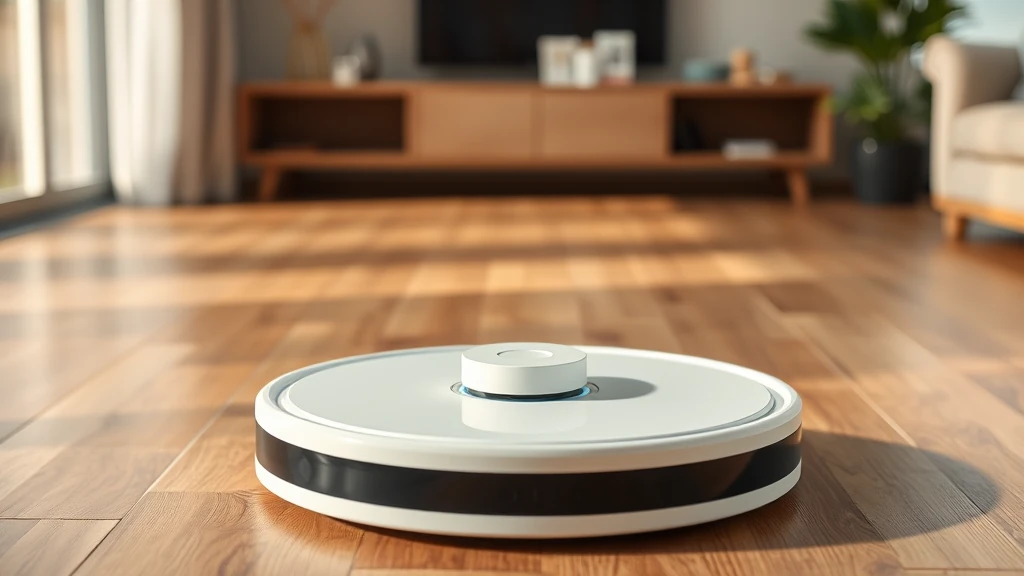
| Robot | Autonomous cleaning on a schedule. Low profile fits under furniture. | Maintenance cleaning on hard floors and low-pile carpets in uncluttered spaces. |
How to Choose the Right Vacuum for Your Needs
The ‘best’ vacuum is the one that matches your specific household context. Answer these questions to guide your decision.
1. What Are Your Primary Floor Surfaces?
Your flooring is the most critical factor. For deep-pile carpets, you need strong suction and a motorized brush roll, often found in upright or powerful canister vacuums. For hard floors (wood, tile, laminate), a vacuum with a soft roller head or a canister with a hard-floor tool is ideal to prevent scratches and ensure debris pickup. Many modern vacuums have brush rolls that can be turned off for hard floors.
2. Do You Have Pets or Allergies?
If you have pets, look for models specifically designed for pet hair removal. These typically feature stronger suction, specialized rubber or bristle brush rolls that resist hair tangles, and included tools like pet hair upholstery nozzles. For allergies, a vacuum with a sealed system and a true HEPA filter is non-negotiable. This ensures that microscopic allergens are trapped inside the vacuum and not blown back into the air.
3. What Is Your Home Size and Layout?
For large homes, consider cord length (for corded models) or battery runtime (for cordless models). A larger dustbin capacity is also important to avoid frequent emptying. For multi-story homes, weight and portability become key; a lightweight cordless stick or a compact canister may be more practical than a heavy upright.
4. What Is Your Budget?
Set a realistic budget. Budget models can provide excellent cleaning performance for the price, though they may have shorter warranties, less powerful motors, or require more frequent filter changes. Mid-range and premium models often offer longer battery life, superior filtration, quieter operation, and more durable construction. Remember to factor in the ongoing cost of bags or replacement filters.
Frequently Asked Questions About What Is The Best Vacuum Cleaner
Is a cordless vacuum as powerful as a corded one?
Modern high-end cordless vacuums have significantly closed the performance gap. While top-tier corded models still often have the highest raw suction power for deep carpet cleaning, premium cordless models now offer comparable suction for most daily cleaning tasks. The trade-off is runtime; cordless models are limited by battery life, making them best for homes under a certain square footage or for quick, frequent clean-ups rather than whole-house deep cleaning in one session. Before finalizing equipment decisions, refer to our comprehensive why is my robot vacuum not dispensing water comparison.
How often should I replace the filter in my vacuum?
The frequency depends on the filter type and your usage. Washable filters (often foam or felt) should be rinsed monthly if used regularly and allowed to dry completely for 24 hours before reinserting. HEPA filters are typically not washable and should be replaced every 6 to 12 months, or sooner if you notice reduced suction or a musty smell. Always refer to your vacuum’s manual for specific guidance.
What is the difference between suction power measured in AW and Pa?
Both are units of measurement for suction, but they measure slightly different things. Air Watts (AW) measure the actual cleaning power at the cleaning head, accounting for airflow and suction. Pascals (Pa) measure static suction lift, which is the maximum pressure the motor can generate. Generally, a higher AW number is a more reliable indicator of real-world cleaning performance, especially on carpets. For broader ecosystem context, read through our operational guide on can robot vacuums cross high thresholds.
Can one vacuum cleaner work well on both carpets and hard floors?
Yes, many versatile models are designed for multi-surface cleaning. The key features to look for are a brush roll that can be turned off or has a ‘hard floor’ mode to prevent scattering debris on hard surfaces, and strong, adjustable suction. Canister vacuums with floor heads that automatically adjust, or uprights with a brush roll shut-off switch, are excellent choices for homes with a mix of flooring types.
Related Maintenance and Operating Guides
To keep your equipment running at peak operating efficiency, explore our related technical walkthroughs and maintenance tutorials:
- Consult our detailed breakdown on robotic pool cleaner comparison guide.
- Consult our detailed breakdown on deep carpet cleaning machine reviews.
General Vacuum Safety Reading
A vacuum works best when the filter is clean, the hose is clear, and the cord stays off the floor. Switch the unit off before servicing any part. General information on electrical products used in homes is available from International Electrotechnical Commission (IEC).