Can You Mow a Wet Lawn?
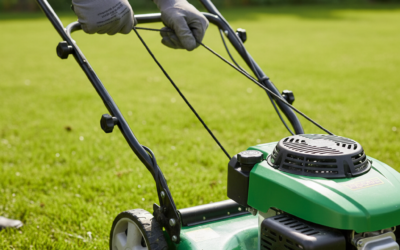
No, mowing a wet lawn is generally not recommended. Doing so can lead to uneven cuts, clumping of grass clippings, potential damage to the lawn (such as ruts or soil compaction), an increased risk of slipping for the operator, and can stress or damage the lawnmower. The best practice is to wait until the grass is dry, typically after morning dew has evaporates or following rain.
Why Should You Avoid Mowing a Wet Lawn?
Mowing grass when it is wet introduces several problems that affect the quality of the cut, the health of your lawn, the safety of the operator, and the longevity of your equipment.
Uneven Cuts and Poor Cut Quality
Wet grass blades tend to bend and clump together rather than standing upright. When the lawnmower blade passes through, it cannot cut the grass cleanly and uniformly. This results in an uneven, ragged appearance. The clumps of wet grass can also be left behind in unsightly rows or patches.
Clumping of Grass Clippings
Moisture causes the freshly cut grass clippings to stick together in heavy clumps. These clumps can smother the underlying grass by blocking sunlight and trapping moisture, which can lead to fungal diseases and brown patches. They are also difficult for mulching mowers to process effectively.
Damage to the Lawn: Ruts and Soil Compaction
The weight of a lawnmower, especially a riding mower, can press down on soft, wet soil. This can create ruts or compact the soil. Soil compaction reduces the air and water pockets in the soil, making it harder for grass roots to grow and thrive. In severe cases, it can lead to long-term lawn health issues.
Safety Hazard for the Operator
Wet grass and soil create a slippery surface. There is a significantly increased risk of slipping and falling while operating a walk-behind mower or losing traction and control with a riding mower. This is a serious personal safety concern.
Stress and Potential Damage to the Lawnmower
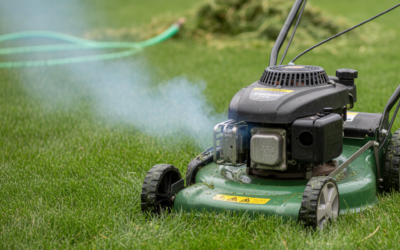
Wet grass is heavier and can clog the mower deck, discharge chute, and bagging system more easily. This forces the engine to work harder, potentially leading to overheating or increased wear. Moisture can also accelerate rust on metal components and, in some cases, affect the electrical systems of battery-powered mowers.
Key Factors to Consider Before Mowing
While the general advice is to wait, understanding the specific conditions can help you make a more informed decision.
How Wet is “Too Wet” to Mow?
There is no universal measurement, but a good rule of thumb is to avoid mowing if you can see visible moisture on the blades or if the soil is soft enough to leave a footprint when you walk on it. If the grass is merely damp from morning dew and the soil is firm, it is usually acceptable to mow. If it has rained recently and the ground is saturated, it is best to wait.
Grass Type Susceptibility
Some grass types are more resilient than others. Fine fescues and perennial ryegrass can be more prone to clumping when wet. Warm-season grasses like Bermuda or Zoysia, which have a more aggressive growth habit, might tolerate a wet mow slightly better, but the risks of compaction and clumping still apply.
Lawnmower Type Matters
- Reel Mowers: These are generally less effective on wet grass because the blades can push the grass down rather than cutting it cleanly.
- Rotary Mowers (Gas/Electric/Battery): These are more common and have a higher risk of clumping and clogging. Mulching mowers are particularly prone to leaving wet clumps.
- Zero-Turn or Riding Mowers: The heavy weight of these machines poses the greatest risk for creating ruts and compacting wet soil.
What to Do If You Absolutely Must Mow Wet Grass
Sometimes, schedules or weather patterns leave you with no choice but to mow less-than-ideal conditions. If you must proceed, take these precautions to minimize damage and risk.
Safety Precautions First
- Wear shoes with excellent traction to prevent slips.
- Go slower than usual, especially on slopes or turns.
- Be extra cautious on hillsides, as traction is greatly reduced.
- Consider using a walk-behind mower instead of a riding mower to reduce soil pressure.
Adjust Your Mowing Technique
- Set the Mower Deck Higher: Raise the cutting height by one or two settings. This reduces the amount of grass being cut at once, lessening the load on the engine and reducing clumping.
- Mow in a Single Pass: Avoid overlapping your tracks, as this can increase soil compaction.
- Take Your Time: Slower ground speed allows the mower to process the wet grass more effectively.
- Use the Discharge Chute: If your mower has a side discharge, use it instead of the mulching or bagging function. This helps prevent clogging.
Important Post-Mowing Steps
- Remove Clumps Immediately: Use a rake to break up and spread out any grass clumps left on the lawn. This prevents smothering and promotes even decomposition.
- Clean the Mower Thoroughly: Wet grass sticks to everything. Use a hose or scraper to remove all clippings from the mower deck, wheels, and discharge chute to prevent rust and corrosion.
- Let the Mower Dry Completely: Before storing the mower, ensure it is completely dry, especially if it has electrical components.
Expert Recommendations and Best Practices
Lawn care professionals and manufacturers consistently advise patience for the best results.
Ideal Mowing Conditions
The ideal time to mow is when the grass is completely dry, the soil is firm, and the temperature is moderate. For most climates, this is often in the mid-to-late morning after the dew has fully evaporated or in the late afternoon before evening dew sets in.
Recommended Wait Times
After a rain shower, a general recommendation is to wait at least 24 to 48 hours for the soil and grass to dry out sufficiently. After a heavy downpour, you may need to wait even longer. For morning dew, waiting until the sun has been up for a few hours is usually enough.
Frequently Asked Questions
Can mowing wet grass damage my lawnmower?
Yes, it can. Wet grass is heavier and stickier, which can clog the mower deck and discharge chute, forcing the engine to work harder and potentially overheat. The moisture can also accelerate rust on metal parts and, in electric or battery-powered mowers, poses a risk to electrical components if water enters sensitive areas.
Will mowing wet grass cause disease in my lawn?
It can contribute to conditions that favor disease. The heavy, wet clumps of grass clippings left behind can trap moisture against the soil and existing grass blades, creating a perfect environment for fungal growth and diseases like brown patch or dollar spot.
Is it better to mow wet grass with a mulching mower or a bagging mower?
Neither is ideal, but if you must choose, using the side-discharge function is often better than mulching or bagging. Mulching mowers will leave large, wet clumps, and bagging mowers will clog very quickly. Discharging the clumps allows you to rake and spread them out more easily afterward.
How can I tell if my lawn is too wet to mow?
Perform the “footprint test.” Walk across a section of your lawn. If your shoes leave a clear, deep imprint in the soil, it is too wet and soft to support the weight of a mower without causing compaction. If the grass blades are visibly dripping with water, it is also too wet for a clean cut.