Quick Answer: What Is A Rototiller?
A rototiller is a gardening tool used to cultivate and break up soil by rotating metal tines or blades, making it easier to prepare garden beds, mix in amendments, or remove weeds.

Pros
- Manufacturer-stated 15 Amp corded power
- 18-inch size listed in the title
- Six steel tines per the listing
- Adjustable wheels included in the listing
Cons
- Corded design limits range to nearby outlets
- Power and tilling claims are unverified

Pros
- 13.5 Amp corded electric power stated
- 16-inch size listed in the title
- Steel tines per the listing
- Model SUJ-TJ604E identified
Cons
- Corded design limits range to nearby outlets
- Power and performance claims are unverified
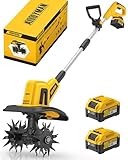
Pros
- Two 4.0Ah batteries and charger listed
- 360 RPM speed per the manufacturer
- 9-inch tilling width stated
- 6.6-inch tilling depth stated
Cons
- RPM, width and depth figures are unverified claims

Pros
- Battery-powered for cord-free tilling
- Designed for gardening and garden rototilling
Cons
- Battery, dimensions and power details not supplied
Understanding the Rototiller: Definition and Core Function
At its core, a rototiller is a motorized or manual device designed to mechanically break up and turn over soil. It consists of a set of curved metal blades, known as tines, that rotate to dig into the ground. This action pulverizes compacted earth, mixes organic matter like compost or fertilizer into the top layers, and helps create a loose, aerated seedbed ideal for planting.
The primary purpose of a rototiller is to save significant time and physical labor compared to manual digging with a spade or hoe. It is most commonly used for preparing new garden plots, maintaining existing beds, and incorporating soil amendments to improve soil health and structure.
Types of Rototillers and Key Factors to Consider
Rototillers come in several variations, primarily categorized by their power source and tine configuration. Understanding these differences is crucial for selecting the right tool for your gardening needs.
Main Types of Rototillers
- Gas-Powered Rototillers: These are typically the most powerful and are ideal for large gardens or breaking new, compacted ground. They offer cordless operation but require fuel mixing and regular engine maintenance.
- Electric Rototillers: Available in corded and cordless (battery-powered) models, electric tillers are quieter, lighter, and require less maintenance than gas models. They are best suited for smaller gardens, raised beds, or regular maintenance of already-loose soil.
- Manual or Hand Tillers: These are non-powered tools, often featuring a crank or a set of claws, designed for very small areas, container gardening, or light soil aeration.
Front-Tine vs. Rear-Tine Rototillers
A key design distinction lies in the placement of the tines:
- Front-Tine Rototillers: The tines are located at the front of the machine, under the engine. They are lighter, more maneuverable, and generally less expensive. They are suitable for soft to moderately compacted soil and regular garden maintenance.
- Rear-Tine Rototillers: The tines are positioned behind the engine and drive wheels. This design provides better stability and allows the tines to dig deeper and more effectively into hard, compacted, or virgin soil. They are typically larger, heavier, and more powerful, making them the choice for serious gardeners or large-scale soil preparation.
Factors to Consider When Choosing
When selecting a rototiller, consider the size of your garden, the current condition of your soil, and the frequency of use. For a small, established vegetable plot, a lightweight electric or front-tine model may suffice. For breaking new ground or working with clay-heavy soil, a more powerful rear-tine or gas model is advisable.
Step-by-Step Guidance: How to Use a Rototiller
Using a rototiller effectively and safely involves proper preparation and technique. Follow these steps for optimal results.
How to Prepare a Garden Bed with a Rototiller
- Plan and Mark: Clearly outline the area you intend to till. Remove any large rocks, sticks, or debris that could damage the tines.
- Soil Moisture Check: The ideal soil is moist but not wet. If soil is too dry, it will be hard and dusty; if too wet, it will clump and compact further. Water the area lightly a day before if needed.
- Adjust Depth: Set the rototiller to the desired tilling depth. For initial soil preparation, a depth of 6-8 inches is common. For maintenance, tilling only the top 2-4 inches may be sufficient.
- Operate the Machine: Start the rototiller according to the manufacturer’s instructions. Engage the tines and guide the machine slowly across the soil. Overlap your passes slightly to ensure even cultivation.
- Incorporate Amendments: If adding compost, fertilizer, or lime, spread it evenly over the tilled area before making a second pass with the rototiller to mix it thoroughly into the soil.
Safety Precautions
- Always wear sturdy closed-toe shoes, long pants, and eye protection.
- Keep hands and feet clear of the rotating tines at all times.
- Be aware of your surroundings, including underground utilities, hoses, and irrigation lines.
- Follow all safety instructions in the operator’s manual, especially regarding fuel handling for gas models.
When Is the Best Time to Rototill?
The best time is typically in the spring when the soil has dried out enough to be workable but is still moist from winter rains or snowmelt. Tilling in the fall can also be beneficial to break up compacted soil and allow winter weather to further improve its structure. Avoid tilling when the soil is saturated, as this can destroy soil structure and lead to severe compaction.
Direct Answers to Common Rototiller Questions
Is a rototiller the same as a cultivator?
While the terms are often used interchangeably, there is a technical difference. A rototiller is generally a larger, more powerful machine designed to break new ground and till deeply. A cultivator is typically a smaller, lighter tool used for lighter tasks like mixing soil in existing beds, weeding between rows, and incorporating surface amendments. Many modern machines blur this line, but the core distinction lies in intended power and depth of work. For troubleshooting and reliability insights, consult our in-depth marshall stanmore iii vs harman kardon onyx studio 8 report.
Can a rototiller remove weeds?
Yes, a rototiller can effectively uproot and destroy many annual weeds by chopping them and mixing them into the soil, where they decompose. However, it is not a perfect solution. Tilling can sometimes spread perennial weed seeds or root fragments (like bindweed or quackgrass) to new areas, potentially worsening the problem. For persistent weeds, other methods like mulching or targeted removal may be more effective.
Do I need a rototiller for a small garden?
Not necessarily. For a small raised bed or container garden, manual tools like a garden fork, broadfork, or hand cultivator may be more practical, economical, and less disruptive to soil health. A rototiller becomes more valuable as the garden size increases or when establishing a new plot from compacted lawn or sod. Readers comparing setup options can review our technical analysis on dyson v8 cyclone vs bissell featherweight stick.
Frequently Asked Questions About What Is A Rototiller
What are the disadvantages of using a rototiller?
Overuse of a rototiller can degrade soil structure over time, breaking down beneficial aggregates and harming earthworm populations and microbial life. It can also bring dormant weed seeds to the surface, where they can germinate. Additionally, rototillers are heavy, can be difficult to maneuver in tight spaces, and require regular maintenance, especially gas-powered models.
How deep can a rototiller go?
The tilling depth depends on the model and type. Most front-tine models can till to a depth of 5-6 inches, while powerful rear-tine models can reach depths of 8-10 inches or more. It’s often best to till in multiple shallow passes rather than one deep pass to avoid straining the machine and creating a hardpan layer at the bottom of the tilled zone. For complementary field maintenance guidelines, examine our breakdown of bissell crosswave hydrosteam vs shark stainforce.
How do I maintain a rototiller?
Basic maintenance includes cleaning the tines and undercarriage after each use to prevent rust and soil buildup. For gas models, this involves regular oil changes, air filter cleaning/replacement, and spark plug checks. Electric models require checking the power cord or battery and ensuring the tines are sharp. Always store the rototiller in a dry place according to the manufacturer’s guidelines.
Related Maintenance and Operating Guides
To keep your equipment running at peak operating efficiency, explore our related technical walkthroughs and maintenance tutorials:
- Consult our detailed breakdown on cordless stick vacuum buyer guide.
- Consult our detailed breakdown on robotic pool cleaner comparison guide.
Rototiller Safety Background
A rototiller uses spinning tines to break up soil, which makes it useful but demanding to control. Hold the handles firmly and keep your feet behind the tines. Background on general safety for garden machinery comes from American National Standards Institute (ANSI).