Quick Answer
An edger is a gardening tool that cuts vertically into soil and grass to create clean, defined borders along garden beds, walkways, driveways, and lawn edges. Unlike string trimmers, which cut grass above ground, edgers work below the surface to separate turf from hardscaping or planted areas. Use one to keep lawn lines crisp and grass out of beds.

Pros
- Battery and charger are included, reducing extra setup costs and compatibility guesswork.
- Cordless design offers easier mobility than corded edging tools.
- Attachment-capable platform adds value for users who want a multi-tool system.
- Curved shaft and adjustable wheel support more comfortable and controlled use.
Cons
- Attachments are sold separately, so the full multi-tool potential requires additional purchases.
- The 0-review rating profile means there is little customer feedback available to verify long-term real-world performance.
- At this level, it may be more than casual users need if they only want a basic standalone edger.
Overview & Design: The Husqvarna 330iKE Combi Switch is a cordless electric lawn edger kit that includes a battery and charger. It is built around a curved shaft design, an adjustable wheel, and a steel blade, giving it a practical setup for clean lawn borders and edge definition.
Performance & Key Features: This model uses an 8-inch steel cutting blade with a 2.5-inch cutting depth, which should handle standard edging tasks with control. The 6-inch adjustable wheel helps improve stability, while the active cooling system is intended to support consistent power and battery longevity during use. Its attachment-capable platform also adds flexibility for users who want to expand beyond edging.
Drawbacks & Considerations: The main limitation is that extra attachments are not included, so buyers interested in the full Combi Switch system will need to purchase them separately. It also has limited customer feedback available, so there is less real-world review data than for more established best-sellers. For users who only need a simple edger, the platform may be more advanced than necessary.
Verdict: The Husqvarna 330iKE Combi Switch is best suited to homeowners who want a cordless edger with strong control and the option to expand into a multi-tool system later. It is a sensible pick for buyers who value battery convenience, attachment compatibility, and a more premium edging platform.

Pros
- 25.4cc X-Torq engine, per manufacturer
- Standalone starter for starter cord changes
- Heavy-duty edger head for rugged use
- Optimized sight lines for viewing the blade
Cons
- Listed weight is 14 pounds
- Gas engine requires fuel and routine upkeep

Pros
- Brushless motor design supports efficient power delivery and durability.
- Cordless format avoids fuel mixing and gas engine maintenance.
- Balanced construction can improve control and comfort during use.
- Broad M18 compatibility is useful for current Milwaukee battery owners.
Cons
- Battery and charger details are not included in the manufacturer listing.
- No exact edging width, runtime, or weight specification is provided.
- May be less ideal for buyers who prefer the unlimited run time of a gas tool for very large properties.
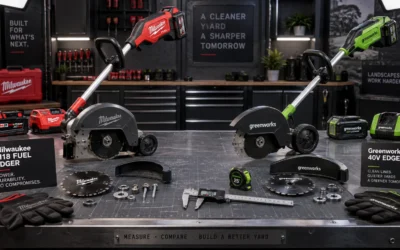
Overview & Design: The Milwaukee M18 FUEL Edger is a cordless edging tool built around Milwaukee's POWERSTATE brushless motor. The design focus is straightforward: deliver strong edging performance in a lighter, more balanced package than a typical gas unit.
Performance & Key Features: According to the product data, it is designed to edge faster than a 31cc gas equivalent. That makes it a good fit for homeowners and maintenance users who want efficient border cleanup along sidewalks, driveways, and garden edges. It also works with the Milwaukee M18 system, which is a practical advantage for users already invested in that battery platform.
Drawbacks & Considerations: The listing does not provide battery, runtime, weight, or accessory details, so buyers should verify those before purchase. It is also important to note that cordless tools trade gas-style continuous runtime for convenience, so very large properties may require spare batteries.
Verdict: This edger makes the most sense for Milwaukee M18 users who want a cleaner, lower-maintenance alternative to gas edging. If you value platform compatibility, easier handling, and brushless performance, it is a strong fit.
Why Do You Need an Edger?
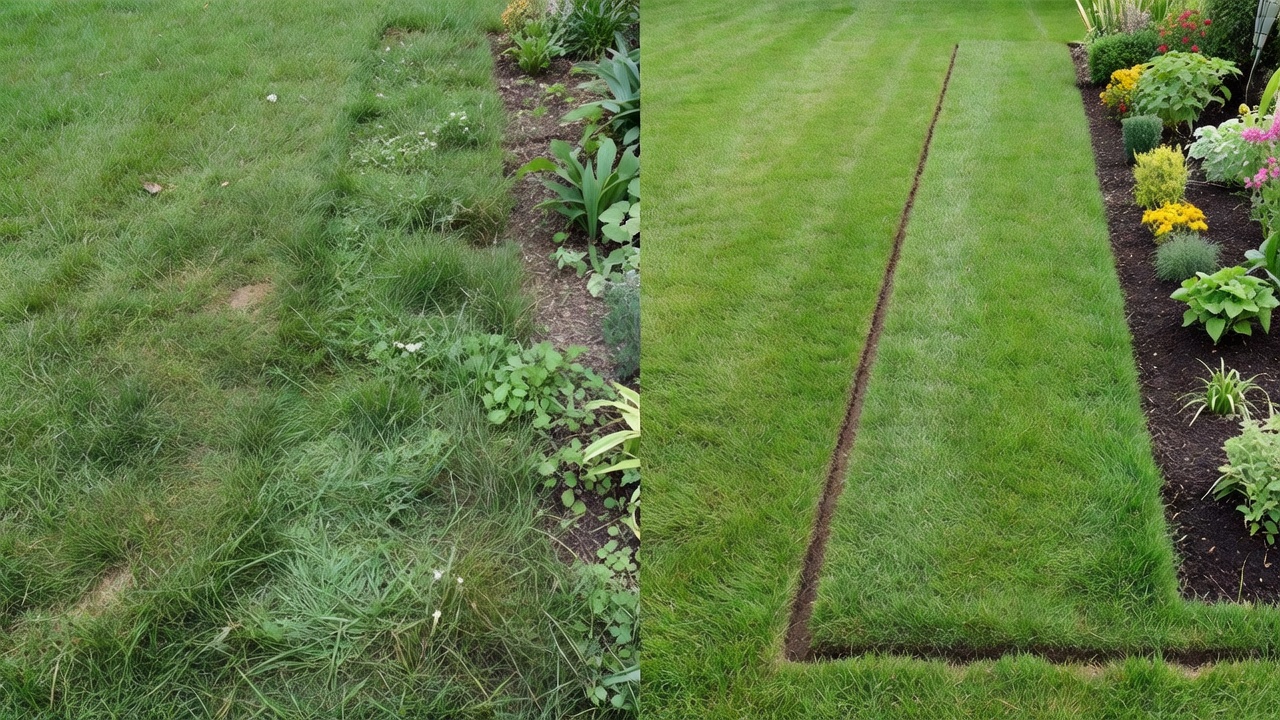
An edger solves a common lawn maintenance problem: grass naturally creeps into garden beds, walkways, and driveways over time, creating a ragged, unkempt appearance. While string trimmers can clean up loose grass above ground, they don’t address the root systems that continue to spread beneath the soil surface.
Regular edging accomplishes several things:
- Creates defined borders: Establishes a clean line between your lawn and garden beds, mulch areas, or hardscaping
- Prevents grass encroachment: Cuts off underground rhizomes and root systems that cause grass to spread into unwanted areas
- Improves curb appeal: A well-edged lawn looks professionally maintained and neater overall
- Reduces future maintenance: Regular edging makes subsequent trimming easier and requires less effort
- Protects garden beds: Keeps lawn grass separated from planted areas, reducing competition for nutrients and water
Edger vs. String Trimmer: What’s the Difference?
While both tools work on lawn borders, they serve different purposes:
| Feature | Edger | String Trimmer |
|---|---|---|
| Cutting Depth | Cuts 2 to 4 inches below soil surface | Cuts only above-ground grass |
| Primary Function | Creates defined borders and cuts grass roots | Cleans up loose grass and edges after edging |
| Blade Type | Fixed metal disc or rotating blade | Flexible nylon string or cord |
| Best Used | Monthly or seasonally; preventative border maintenance | Weekly or as needed for regular trimming |
| Surface Application | Vertical cutting motion into soil | Horizontal cutting motion along ground level |
Types of Edgers
Manual Edgers
Manual edgers rely on human power and are ideal for small yards or detailed work around obstacles. They come in two primary designs:
- Spade-style edgers: Feature a flat or slightly curved blade attached to a long handle. You push the blade vertically into the soil and rock it back and forth to cut through grass roots and soil. They require physical effort but offer precise control.
- Wheel-based manual edgers: Have a rotating disc mounted on a wheeled frame. You roll the tool along the border while pushing down, and the rotating blade cuts as it moves. These require less force than spade edgers and work well for longer, straight borders.
Pros: No fuel or electricity needed, quiet, precise, low cost ($20-$60).
Cons: Physically demanding, slower on large properties, limited cutting depth control.
Electric Edgers
Electric edgers are powered by AC electricity (plug-in) or rechargeable lithium-ion batteries. Most modern options use batteries for convenience and cordless operation.
How they work: A rotating metal disc or blade cuts vertically into the soil as you push the tool along the border. Most electric edgers have adjustable cutting depths and wheeled designs for easier maneuverability. For complementary field maintenance guidelines, examine our breakdown of marshall stanmore iii vs harman kardon onyx studio 8.
Pros: Low maintenance, quiet, consistent power, no fuel smell, ideal for residential properties, relatively lightweight ($100-$300).
Cons: Battery runtime is limited (typically 20, 45 minutes per charge), corded models restrict movement, less powerful than gas edgers. To evaluate matched hardware tolerances, consult our detailed overview of dyson v8 cyclone vs bissell featherweight stick.
Gas-Powered Edgers
Gas edgers use small internal combustion engines and are the most powerful option. They’re typically wheeled with rotating blades and handle demanding jobs.
Pros: Maximum power and runtime, ideal for large properties or dense, compacted soil, professional-grade performance. When planning workspace deployment, consider the engineering criteria outlined in our bissell crosswave hydrosteam vs shark stainforce guide.
Cons: Higher cost ($300-$800+), require fuel and maintenance (spark plug changes, air filter cleaning, seasonal storage), louder operation, heavier to handle.
Robotic Edgers
Emerging robotic edgers can operate autonomously along pre-set borders, similar to robot lawnmowers. They’re still relatively uncommon in residential markets but represent the newest technology category.
Pros: Hands-free operation, consistent results, low noise.
Cons: High cost ($500-$1,500+), require setup and programming, limited availability, may struggle with complex border shapes.
Key Components and How an Edger Works
The Cutting Mechanism
The cutting mechanism is the core of any edger. Most edgers use one of two designs:
- Rotating disc blade: A circular metal blade spins vertically as you push or roll the tool. The spinning motion cuts through soil and grass roots. This design is common on wheeled electric and gas edgers.
- Fixed flat blade: A stationary blade is pressed or rocked into the ground, cutting through soil and roots through leverage and repeated motion. Manual spade edgers typically use this design.
Cutting Depth
Most edgers cut between 2 and 4 inches below the soil surface, which is deep enough to sever grass root systems and prevent re-growth. Adjustable-depth models let you control how deep the blade penetrates, useful for different grass types and soil conditions.
Blade Materials
Edger blades are typically made from:
- Hardened steel: Durable, sharp, and long-lasting; standard on most quality edgers
- Stainless steel: More corrosion-resistant, ideal for wet climates
- Carbon steel: Affordable but may dull faster and require more frequent sharpening
Primary Use Cases for Edgers
Lawn and Garden Bed Borders
The most common use: edging creates a crisp line between the lawn and garden beds, preventing grass roots from spreading into planted areas. This is especially important for perennial beds and mulch areas.
Hardscaping Edges
Edgers work well along driveways, patios, sidewalks, and decks, preventing grass and weeds from encroaching onto hard surfaces. Regular edging reduces the need for manual weeding in these high-traffic areas.
Retaining Wall Borders
If you have raised beds or retaining walls, an edger maintains a clean border and prevents grass from creeping into the wall base.
Mulch and Soil Areas
Edgers can define borders between mulch beds and lawn, keeping the two areas visually and physically separate.
When and How Often to Edge
Best Time to Edge
Edge your lawn when:
- Soil is moist but not waterlogged: Moist soil is easier to cut and allows the blade to penetrate cleanly. Avoid edging after heavy rain when soil is muddy or during drought when soil is hard and compacted.
- Grass is dry: Dry grass blades are easier to cut cleanly without clogging the machine.
- Grass is actively growing: Early spring through early fall is ideal, when the grass is healthy and growing.
Edging Frequency
Most homeowners should edge their lawn borders:
- Monthly during growing season: For properties with significant grass encroachment or high-visibility borders
- Every 6 to 8 weeks: For average residential lawns where moderate edging prevents major overgrowth
- 2 to 4 times per season: For low-maintenance yards or properties with naturally stable borders
The exact frequency depends on grass type, climate, and how quickly your specific lawn spreads into garden beds.
Maintenance and Care for Edgers
Blade Maintenance
- Keep blades sharp: A dull blade tears grass and soil instead of cutting cleanly. Sharpen blades annually or when you notice reduced cutting efficiency.
- Remove debris: After each use, remove grass clippings and soil from the blade to prevent rust and corrosion.
- Inspect for damage: Check for cracks, chips, or bends before each use.
Equipment Care by Type
Manual edgers: Minimal maintenance. Wipe down after use, store dry, and occasionally oil the handle.
Electric edgers: Charge batteries between uses, clean the housing, check cord condition (for plug-in models), and store indoors.
Gas edgers: Change oil annually, replace spark plugs and air filters per manufacturer guidelines, drain fuel before seasonal storage, and keep the engine clean.
Secondary Meanings of “Edger”
Edge Computing
In technology, an “edger” or “edge device” refers to computing infrastructure deployed at the edge of a network, close to data sources like sensors, IoT devices, or end users. Examples include edge servers, routers, and gateways that process data locally rather than sending it to a central data center.
Hockey
In ice hockey, an “edger” refers to a player positioned along the edges or boards of the rink, typically wingers or defensemen who operate in the perimeter areas rather than the center.
Everything You Need to Know: What Is An Edger FAQ
Can I use an edger on wet grass or soil?
It’s not recommended. Wet grass and soil clog the blade, reduce cutting efficiency, and can damage the machine. Wait for soil to be moist but not waterlogged, and ensure grass is dry before edging.
How deep should an edger cut?
Most edgers should cut 2 to 4 inches deep, which is sufficient to sever grass root systems and prevent re-growth. If your soil is very compacted, you may need to make multiple passes or adjust the blade depth on adjustable-depth models.
What’s the difference between edging and trimming?
Edging creates a vertical border line by cutting into soil, while trimming cuts loose grass above ground level. Edging is preventative maintenance that addresses roots; trimming is aesthetic cleanup. Both are useful for complete lawn border care.
Do I need to edge every year?
Yes, regular edging is part of ongoing lawn maintenance. Grass roots continuously spread, especially in moist climates or with vigorous grass varieties. Even if you edge less frequently, annual edging is recommended to maintain defined borders and prevent major overgrowth.
Can edgers work on rocky or clay soil?
Edgers can work on clay soil, but it’s harder and may require more effort or multiple passes. Rocky soil can damage blades. If your soil is extremely compacted or rocky, a gas-powered edger with adjustable depth will perform better than a manual or electric option. Consider testing a small area first.
Edgers and Clean Lawn Borders
An edger trims grass along hard surfaces to create a crisp line between turf and paving. Gas, electric, and manual versions each handle edging differently in terms of effort and noise. General safety information for rotating cutters, which applies to edgers too, is offered by American National Standards Institute (ANSI).