Quick Answer: Your Lawn Mower Disposal Options
You can dispose of an old lawn mower by donating it if it’s still functional, taking it to a certified scrap metal or e-waste recycler, using your municipal hazardous waste program, hiring a junk removal service, or selling it for parts if repairable. The critical first step: drain all fuel and oil into appropriate containers before pursuing any disposal method. Local regulations vary, some areas restrict gas-powered equipment from landfills due to environmental hazards.
Why Proper Lawn Mower Disposal Matters
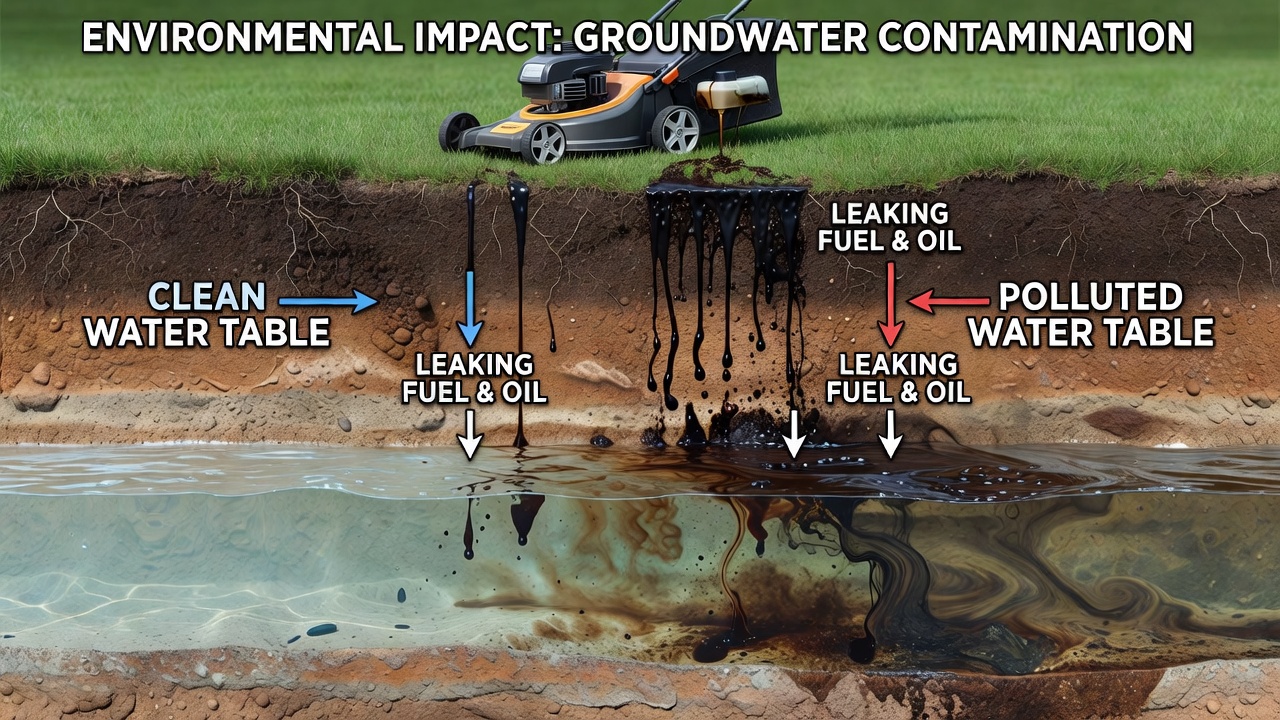
Lawn mowers contain hazardous materials that make casual disposal dangerous and often illegal. Gas-powered mowers hold fuel and oil that can contaminate groundwater and soil if leaked in a landfill. The engine itself contains metals and materials that require specialized processing. Many municipalities prohibit gas-powered lawn equipment from regular trash and landfills, violating these rules can result in fines.
Proper disposal protects local water supplies, reduces toxic leachate in landfills, and recovers valuable materials like aluminum, steel, and copper for reuse. Taking time to dispose responsibly is both an environmental and legal responsibility.
Assess Your Mower’s Condition First
Before choosing a disposal method, determine whether your mower is still functional or beyond repair. A working mower opens donation opportunities. A mower that runs but needs minor repairs might be worth selling to someone willing to fix it. A completely broken or rusted mower typically requires recycling or scrap metal services.
Consider repair costs versus replacement: if your mower needs engine work costing more than 50% of a new model’s price, disposal and replacement usually makes sense. If it’s a minor fix, spark plug, blade sharpening, belt replacement, repair-and-donate becomes an economical choice that extends the mower’s life.
Drain Fuel and Oil Before Any Disposal Method
This step is non-negotiable and must happen before donation, recycling, or junk removal. Fuel and oil residue pose fire hazards and environmental contamination risks.
- Drain fuel: Run the engine until the tank empties, or use a siphon pump to extract remaining gas into an approved container. Let the engine cool for at least 30 minutes first.
- Drain oil: Tip the mower to access the drain plug (check your manual for location), and drain used oil into a metal or plastic container with a secure lid.
- Store drained fluids: Keep fuel and oil in clearly labeled, sealed containers away from living areas, sunlight, and ignition sources.
- Disposal of fluids: Never pour fuel or oil down drains or into soil. Take them to an auto parts store (many accept used oil free), a hazardous waste facility, or an oil recycling center.
Donation: The Best Option for Working Mowers
If your mower runs reliably, donation is the lowest-friction and most rewarding disposal path. Working mowers stay in use rather than entering the waste stream.
Organizations that accept lawn mowers:
- Habitat for Humanity ReStores: Many locations accept working lawn equipment. Contact your local store to confirm before dropping off.
- Goodwill and Salvation Army: Some branches accept lawn mowers; call ahead since policies vary by location.
- Nonprofit tool libraries: Community tool-sharing organizations sometimes accept donations to loan equipment to members.
- Churches and community centers: Local organizations may accept mowers for maintenance programs or to lend to members in need.
- Facebook Marketplace and Craigslist: Offer a free or low-cost mower locally; many people will pick up working equipment.
Condition requirements: Most donation organizations accept mowers that start reliably and cut grass, even if they show cosmetic wear. Some may decline mowers with significant rust or non-functional parts.
Recycling and Scrap Metal Services
Lawn mowers contain valuable materials, steel, aluminum, iron, and copper, that recyclers can recover and resell. Scrap metal facilities process mowers by separating materials and safely disposing of hazardous fluids. For troubleshooting and reliability insights, consult our in-depth marshall stanmore iii vs harman kardon onyx studio 8 report.
How to find a scrap metal recycler:
- Search “scrap metal recycling near me” or “metal recycling centers” online.
- Call local recycling centers and ask if they accept lawn mowers.
- Many recyclers will charge a small fee ($5-$25) to accept a mower, though some may pay a few dollars if metal prices are high and the mower has substantial steel content.
- Check whether they require you to drain fuel and oil beforehand (most do).
E-waste recyclers: Some certified e-waste facilities also accept lawn mowers, particularly electric models. Certified e-waste recyclers follow EPA standards for hazardous material handling. Readers comparing setup options can review our technical analysis on dyson v8 cyclone vs bissell featherweight stick.
Municipal Hazardous Waste Programs
Most cities and counties operate hazardous waste collection days or drop-off centers specifically for items like lawn mowers that contain fuel, oil, or batteries.
- Visit your city or county waste management website and search for “hazardous waste” or “bulky item pickup.”
- Call your local solid waste department to ask about lawn mower disposal.
- Collection events typically happen 1 to 4 times per year; some communities offer year-round drop-off facilities.
- Cost is usually free or $5-$20 per item, though some programs charge higher fees for engine-powered equipment.
Municipal programs often prioritize proper fluid drainage and material recovery, making them an environmentally sound option even if not the most convenient.
Junk Removal and Bulk Waste Pickup Services
If you need immediate pickup and don’t want to transport the mower yourself, junk removal services and municipal curbside bulk pickup offer convenience.
Curbside bulk pickup: Many municipalities include one free bulk item pickup per year for residents. Call your waste hauler or check your billing statement to confirm eligibility. You typically place the mower at the curb on a designated day.
Private junk removal: Services like 1-800-GOT-JUNK, Bye Junk, or local handyman services will pick up lawn mowers for a fee (typically $50-$150 depending on location and mower size). Confirm beforehand that they’ll recycle responsibly rather than sending it to a landfill.
Important consideration: Ask explicitly whether the service ensures responsible recycling. Some junk removal companies may dispose of items improperly to cut costs.
Repair and Resale as Alternatives to Disposal
Before committing to disposal, evaluate whether repair and resale extend the mower’s useful life economically.
When repair makes sense: If the engine starts but runs rough, or the deck is functional but cosmetically worn, minor repairs often restore good working condition. Common affordable repairs include carburetor cleaning ($50-$100 if DIY), spark plug replacement ($10-$20), air filter cleaning (free), and blade sharpening (free to $15 DIY).
Selling a used lawn mower:
- Facebook Marketplace: Popular for local sales; post clear photos, the model/brand, condition, and asking price.
- Craigslist: Reaches a wide audience in your area; use “lawn mower” as your primary keyword.
- OfferUp and Letgo: Mobile-first platforms good for quick local sales.
- Local buy/sell/trade groups: Community Facebook groups often have active trading. Post with clear condition details.
- Consignment shops: Some tool or garden equipment shops accept lawn mowers on consignment, taking a percentage of the sale.
Realistic pricing: a working used mower typically sells for 30 to 50% of its original retail price, depending on age, condition, and brand.
Check Local Regulations and Restrictions
Disposal rules vary significantly by region. Some areas prohibit gas-powered mowers from curbside trash entirely, while others have specific hazardous waste protocols.
How to find your local rules:
- Visit your city or county solid waste management website.
- Search “[your city] lawn mower disposal” to find municipal guidelines.
- Call your waste hauler’s customer service line and ask directly about lawn mower restrictions.
- Check if your area has EPA-regulated e-waste or hazardous waste programs.
Many states follow EPA guidance that prohibits gas-powered equipment from municipal solid waste landfills. Ignoring these rules can result in fines for residents or refusal of service by waste haulers.
Everything You Need to Know: How To Dispose Old Lawn Mower FAQ
Can you put a lawn mower in the trash?
In most areas, no. Gas-powered lawn mowers are prohibited from regular trash and curbside pickup due to fuel and oil content. Municipal codes typically classify them as hazardous waste. Placing a mower in the trash can result in fines. Use donation, recycling, or your municipal hazardous waste program instead.
How much does it cost to dispose of a lawn mower?
Costs range from free to $150+. Municipal hazardous waste events are often free or charge $5-$20. Scrap metal recyclers may charge $5-$25 or pay a few dollars if metal prices are favorable. Private junk removal typically costs $50-$150. Donation is always free. Curbside bulk pickup is usually included free once per year for residents.
What happens to lawn mowers at recycling centers?
Recycling facilities drain remaining fuel and oil safely, then mechanically separate the mower into materials: steel, aluminum, cast iron, copper wiring, and plastic. These materials are sold to manufacturers for reuse in new products. Hazardous fluids are sent to specialized processors or incinerated safely under EPA supervision. Electronics and batteries, if present, are handled according to e-waste protocols.
Can you donate a broken lawn mower?
Most donation organizations prefer working mowers but may accept non-functional ones if they’re repairable with reasonable effort. Habitat for Humanity ReStores, for example, evaluate each item. If a mower won’t start or has a broken deck, contact the organization first before dropping it off. If decline donation, scrap metal or municipal hazardous waste programs will accept it regardless of condition.
Summary: Choose the Right Disposal Path
The best disposal method depends on your mower’s condition and your circumstances. Prioritize donation if the mower works, it extends the product’s life and helps someone in need. If repair isn’t feasible, scrap metal recycling or municipal hazardous waste programs ensure responsible material recovery and proper fluid handling. Never place a lawn mower in regular trash or leave it on the curb without confirming your municipality allows it. Always drain fuel and oil before any disposal method, and store those fluids safely until you can take them to a hazardous waste facility or auto parts store.
Related Maintenance and Operating Guides
To keep your equipment running at peak operating efficiency, explore our related technical walkthroughs and maintenance tutorials:
- Consult our detailed breakdown on bissell crosswave hydrosteam vs shark stainforce.
- Consult our detailed breakdown on heavy-duty chainsaw buyer guide.
Recycling an Old Lawn Mower
Metal frames, engines, and batteries are often sorted into separate streams at recycling centers. Drain fuel and oil first, and call ahead to confirm what the site accepts.
Anyone curious about safe end of life handling for powered yard equipment may find American National Standards Institute (ANSI) a helpful starting point.