Can You Use Motor Oil in a Lawn Mower? The Direct Answer
Motor oil can work in some lawn mowers, but it depends on your equipment’s age and the oil grade. Older mowers with single-grade engines (SAE 30) can use standard motor oil as a substitute. However, modern lawn mowers require multi-grade oils (10W-30 or 10W-40) that perform across temperature ranges. Using incompatible oil risks poor engine performance, increased wear, starting difficulties, and potential warranty voidance. Always check your mower’s manual first.
Understanding Oil Grades: Single-Grade vs. Multi-Grade
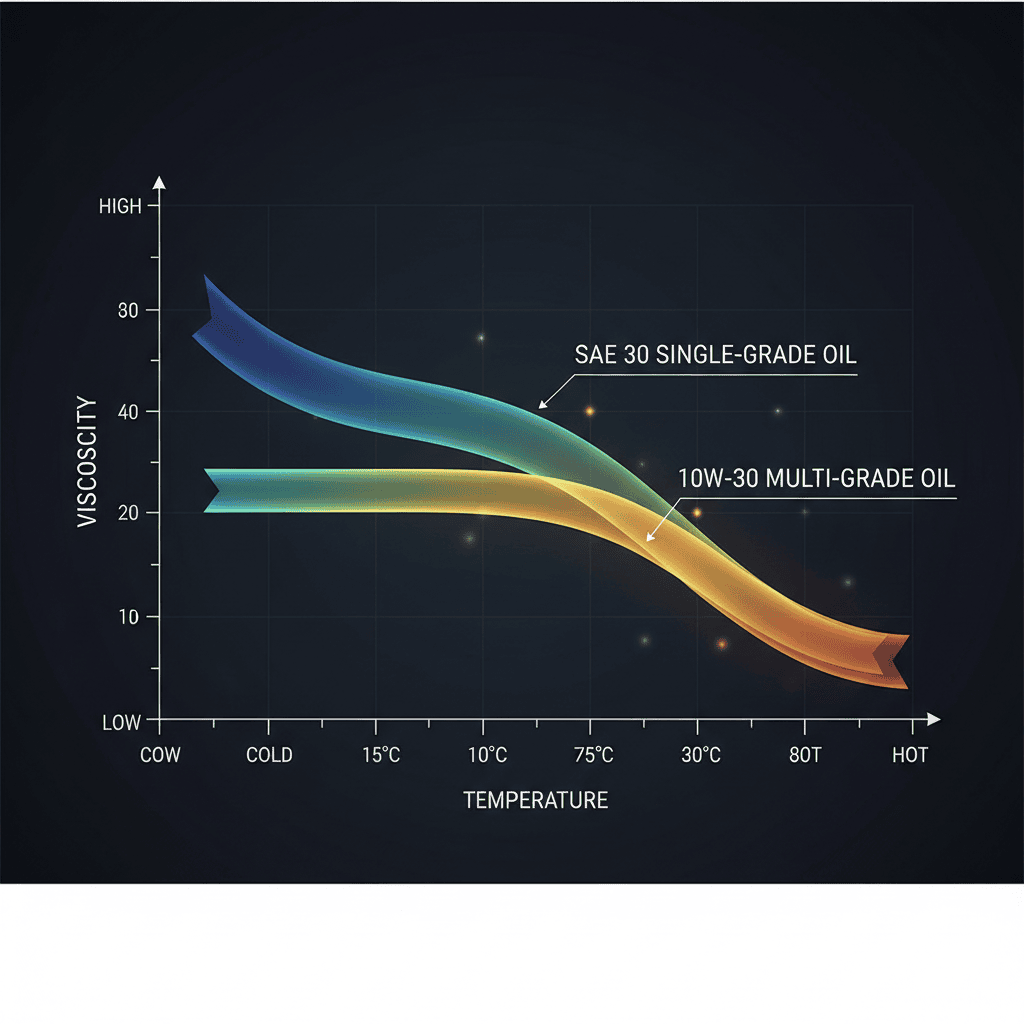
Before deciding whether motor oil works in your lawn mower, you need to understand what the numbers on an oil bottle mean. This is the key to determining compatibility.
Single-grade oils like SAE 30 have one viscosity rating and work best in a narrow temperature range. They’re thicker at high temperatures and thinner at low temperatures. Most oils labeled simply “SAE 30” or “SAE 40” are single-grade and were common in equipment manufactured before the 1990s.
Multi-grade oils like 10W-30 or 10W-40 use additives to maintain consistent viscosity across a wider temperature range. The “W” stands for winter; the first number (10W) indicates how the oil flows in cold conditions, while the second number (30 or 40) indicates performance at high temperatures. Modern lawn mowers almost universally require multi-grade oils.
Why does this matter? Temperature changes affect how oil flows. If oil is too thick in cold weather, it won’t circulate properly and the engine won’t start. If it’s too thin in hot weather, it won’t protect engine components from friction and wear. Multi-grade oils solve this problem by adjusting their viscosity automatically.
When Motor Oil Works: Older Equipment Exceptions
If you own a vintage lawn mower—typically anything manufactured before 1990—there’s a decent chance straight SAE 30 motor oil will work. Many older push mowers and riding mowers were designed for single-grade oils and can run on standard automotive motor oil without issues.
To determine if your mower qualifies:
- Check the manual or oil cap. If it specifies “SAE 30” or “SAE 40” with no W rating, you likely have a single-grade engine.
- Inspect the mower’s age. Look for a manufacturing date on the engine block or frame. Briggs & Stratton, Honda, and Tecumseh engines made before 1995 often accepted single-grade oils.
- Look at engine design. Older engines typically have simpler fuel systems and air cooling without modern temperature management, making them more forgiving of oil type.
Even if motor oil works in an older mower, there are trade-offs. Single-grade motor oil doesn’t provide the same cold-start performance as modern multi-grade small engine oils, and seasonal oil changes may be necessary in colder climates.
Why Modern Mowers Require Specific Oil
Modern lawn mower engines are more sophisticated than their vintage counterparts. They operate with tighter tolerances, higher compression ratios, and more demanding cooling requirements. These factors mean they need oil that performs consistently across temperature ranges.
Four-stroke engines (the most common type in residential mowers) use oil to lubricate internal components, cool the engine, and reduce friction. Modern four-stroke mowers require multi-grade oils like 10W-30 or 10W-40. These oils contain detergents and anti-wear additives formulated specifically for small engine demands.
Two-stroke engines (found in some chainsaws, string trimmers, and older mowers) mix fuel and oil together for lubrication. If your mower is two-stroke, you cannot use motor oil at all—two-stroke mowers require pre-mixed fuel or special two-stroke oil blended into gasoline.
Small engine oils differ from automotive motor oils in several ways:
- Additive packages: Small engine oils have different detergent and anti-wear formulations suited to the operating conditions of lawn mowers, which often sit idle for months and run at variable speeds.
- Viscosity stability: Small engine multi-grade oils maintain better viscosity consistency across the extreme temperature swings small engines experience.
- Storage stability: Lawn mower oil is designed to remain stable in engines that sit unused for winter or between mowing seasons.
Risks of Using Motor Oil in Your Lawn Mower
Using incompatible motor oil in a modern lawn mower creates real engine damage risks:
- Starting problems: If motor oil is too viscous (thick) for your mower’s engine, it won’t flow properly during cold starts, making it difficult or impossible to start the engine.
- Poor lubrication: If motor oil is too thin for your mower’s engine temperature operating range, it won’t provide adequate protection. This leads to increased friction between moving parts, faster wear on cylinders and pistons, and potentially catastrophic engine failure.
- Sludge buildup: Motor oils contain different additive packages than small engine oils. Using the wrong oil can cause varnish and sludge deposits to accumulate on engine components, reducing performance and lifespan.
- Warranty voidance: Using non-approved oil almost certainly voids your mower’s manufacturer warranty. If the engine fails, you’ll pay for repairs out of pocket.
- Overheating: Incompatible oil may not cool the engine effectively, leading to overheating and potential engine seizure.
The cumulative effect of these issues can mean your $500 mower engine fails after a season or two of use, requiring expensive replacement or repair.
How to Check Your Mower’s Oil Requirements
Finding the correct oil for your mower is straightforward:
- Consult the owner’s manual. This is the definitive source. The manual specifies the exact oil grade and type required. If you don’t have the manual, search for it online using your mower model number.
- Check the oil cap or dipstick. Most lawn mower oil caps have a label indicating the required oil type (e.g., “10W-30” or “SAE 30”).
- Look at the engine block. The engine manufacturer (Briggs & Stratton, Honda, Tecumseh, Kohler) often stamps oil recommendations on the engine itself.
- Visit the manufacturer’s website. Enter your mower model number to find specifications and approved oil types.
Modern mowers almost universally require 10W-30 or 10W-40 multi-grade small engine oil. Some manufacturers also approve synthetic variants of these grades.
Emergency vs. Long-Term Use: What’s Safe
There’s a difference between emergency substitution and regular use.
Short-term emergency use: If you’re out of small engine oil and need to run your mower once or twice, using appropriate-grade motor oil in an older mower for a single session is unlikely to cause immediate damage. This is not ideal, but it’s a practical emergency measure. However, never do this in a modern mower—even one session can cause problems.
Recurring use: If you plan to use motor oil regularly instead of small engine oil, stop. The cumulative wear and damage will add up quickly. You’ll shorten your engine’s lifespan significantly and risk complete failure.
Timeline for damage: You might get away with using incompatible oil for a few mowing sessions before problems appear, or it might take a season. The timing depends on how far off the oil grade is, your engine’s design, and mowing conditions. Betting on luck is not a maintenance strategy.
Cost Comparison: Is Motor Oil Cheaper?
This is often the reason people consider using motor oil. Let’s look at actual prices:
- Standard motor oil (conventional): $4–$8 per quart at retail.
- Small engine oil (conventional): $6–$10 per quart at retail.
- Synthetic small engine oil: $12–$18 per quart.
Per-use cost is minimal. Most lawn mowers use 0.5–1.5 quarts per season. Even if you pay $10 per quart for quality small engine oil, you’re spending $5–$15 per year on oil. Replacing an engine that fails due to oil mismatch costs $300–$1,500.
The financial case for using motor oil is weak. The savings don’t justify the risk.
Budget-conscious option: Buy conventional (non-synthetic) small engine oil in bulk during off-season sales. Many retailers discount lawn mower supplies in fall. You’ll still spend less than $20 per year while protecting your equipment.
What Manufacturers Recommend
Major lawn mower manufacturers are clear and consistent in their guidance:
- Briggs & Stratton: Recommends 10W-30 for most models. States that using motor oil or other non-approved oils may cause engine damage and voids warranty.
- Honda: Specifies 10W-30 or 10W-40 small engine oil for four-stroke engines. Does not approve automotive motor oil.
- Toro: Requires multi-grade small engine oil (typically 10W-30) for residential mowers. Notes that improper oil may result in engine damage not covered by warranty.
- John Deere: Specifies approved oil types by model; modern mowers require 10W-30 or 10W-40 small engine oils.
No major manufacturer approves using standard automotive motor oil in modern lawn mowers. The exceptions listed in some older manuals apply only to vintage equipment from 1990 or earlier.
Synthetic Oil vs. Conventional: Does It Matter for Mowers?
You can use either conventional or synthetic small engine oil in your mower, provided it meets the required grade (10W-30, etc.). Synthetic oils offer longer drain intervals and better high-temperature stability but cost more. For residential mowers that typically run 50–100 hours per year, conventional oil is sufficient and cost-effective. Synthetic oil is a worthwhile upgrade for commercial or high-use mowers.
Frequently Asked Questions
Can I use 10W-30 motor oil (not small engine oil) in my lawn mower?
Technically, 10W-30 automotive motor oil has the same viscosity rating as 10W-30 small engine oil. However, the additive packages differ, and automotive oil is formulated for different operating conditions. Using it once or twice in an emergency is unlikely to cause immediate harm, but it’s not recommended for regular use. Small engine oil is inexpensive enough that substituting motor oil offers no real benefit and introduces risk. Stick with small engine oil.
What happens if I accidentally used motor oil in my mower?
If you used motor oil once or twice, don’t panic. Drain it out, refill with the correct small engine oil, and monitor your mower during the next few uses for any unusual sounds or performance issues. If everything runs normally, you’re likely fine. If you notice problems (hard starting, rough running, white smoke), stop using the mower and consult a repair technician.
Is there any lawn mower that can use regular motor oil?
Yes—very old lawn mowers (pre-1990s) with single-grade engine specifications can use SAE 30 automotive motor oil. However, even these older machines run better on appropriate small engine oils. If you own a vintage mower and the manual specifies SAE 30, you have flexibility, but consider upgrading to a 10W-30 small engine oil for better performance and easier cold-weather starting.
Will using the wrong oil void my warranty?
Almost certainly, yes. Lawn mower warranties explicitly require use of manufacturer-approved oils. Using motor oil or other unapproved oil gives manufacturers grounds to deny warranty claims for engine damage. Don’t risk it.
The Bottom Line
Using motor oil in a modern lawn mower is a false economy that creates unnecessary risk. The correct oil for your mower is inexpensive, widely available, and designed specifically for lawn mower engines. Check your manual, buy the recommended oil grade, and change it according to the maintenance schedule. Your mower will run reliably for years, and you’ll avoid costly repairs. If you own a vintage mower with single-grade oil requirements, you have more flexibility, but small engine oil is still the better choice. The difference in cost—often just a few dollars per year—is trivial compared to the cost of engine failure or repair.