Direct Answer: To change the oil in a Craftsman lawn mower, first cool the engine and disconnect the spark plug wire for safety. Locate the oil drain plug and drain the old oil into a pan. Replace the oil filter if your model has one, then refill with the correct type and amount of oil—typically SAE 30 for most Craftsman models. Reconnect the spark plug wire, run the engine briefly to circulate the new oil, and check the level.
Why Regular Oil Changes Matter for Your Craftsman Mower
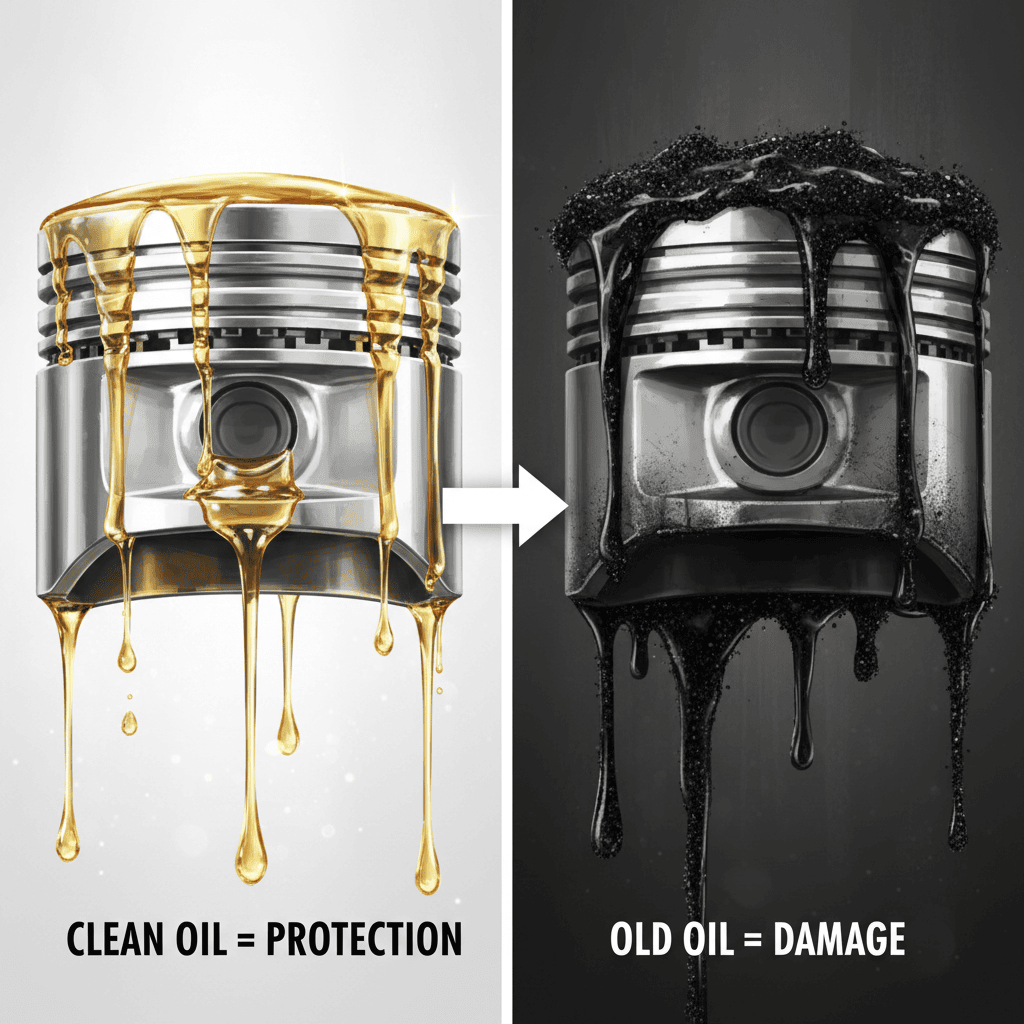
Oil is the lifeblood of your lawn mower’s engine. It lubricates moving parts, reduces friction, dissipates heat, and helps remove contaminants. Over time, oil breaks down from heat and use, losing its ability to protect your engine. Neglecting oil changes can lead to increased wear, reduced performance, harder starting, and eventually engine failure. Most Craftsman mowers need an oil change every 50-100 hours of operation or at least once per season, whichever comes first.
The oil change process is straightforward and takes about 15-30 minutes. Whether you have a push mower, riding mower, or zero-turn model, the basic procedure is similar, though the location of components may vary slightly.
Key Differences Between Mower Types
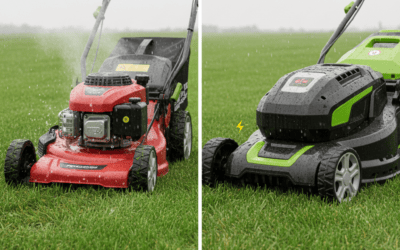
Understanding your mower type helps you locate components more easily:
- Push Mowers: Smaller engines with drain plugs typically located on the side or bottom of the engine block. Oil capacity is usually 0.5-1.5 quarts. Many push mowers do not have oil filters.
- Riding Mowers: Larger engines with drain plugs underneath the mower deck or on the side of the engine. Oil capacity ranges from 1.5-3 quarts. Most have spin-on oil filters accessible from below or the side.
- Zero-Turn Mowers: Similar to riding mowers but with dual hydrostatic transmissions. Engine oil capacity and drain locations are comparable to mid-size riding mowers.
What You’ll Need Before Starting
Tools and Supplies
- New engine oil (correct type and amount for your model)
- Oil filter (if applicable to your model)
- Oil drain pan (at least 2-3 quart capacity)
- Socket wrench or box wrench (usually 3/8″ or 1/2″ for drain plug)
- Oil filter wrench (if your model has a spin-on filter)
- Funnel (to prevent spills)
- Clean rags or shop towels
- Container for disposing of old oil
- Optional: ramps or jack (for riding mowers, to access drain plug)
- Optional: siphon pump (alternative to drain plug on some models)
Finding Your Mower’s Specifications
Before purchasing oil, consult your Craftsman mower’s owner’s manual to determine:
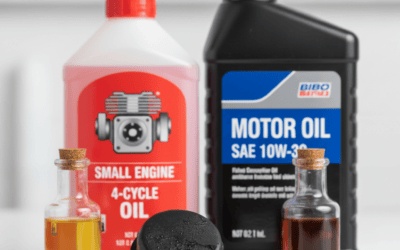
- Oil Type and Viscosity: Most Craftsman mowers use SAE 30 (single-viscosity) or 10W-30 (multi-viscosity). Check your manual—the type matters for engine protection.
- Oil Capacity: This tells you how much oil to add after draining. Overfilling or underfilling reduces performance and can damage the engine.
- Drain Plug Location: Some push mowers have the drain plug on the bottom, while riding mowers may have it on the side or underneath.
- Filter Type: Not all Craftsman mowers have oil filters. Riding mowers typically do; push mowers often don’t.
If you don’t have your manual, search online for “Craftsman [model number] oil capacity” or visit the Craftsman support website.
Step-by-Step Oil Change Procedure
Step 1: Prepare the Mower
Safety first. Never work on a hot engine—you risk burns. Allow the mower to cool for at least 15 minutes after last use.
- Move the mower to a level surface or flat concrete area where spills are easy to clean.
- Locate the spark plug wire (usually a thick black wire connected to the top or side of the engine).
- Disconnect the spark plug wire by twisting it gently and pulling it off the plug. This prevents accidental engine start if someone cranks the ignition.
- If your mower has a fuel shutoff valve, close it to prevent fuel leakage.
Step 2: Locate and Prepare the Drain Plug
Consult your manual or visual inspection to find the oil drain plug.
- For push mowers: The drain plug is usually a bolt on the side or bottom of the engine. You may need to tilt the mower slightly (be careful not to spill fuel from the carburetor).
- For riding mowers: You may need to position the mower on ramps or use a jack to access the underside. The drain plug is typically on the lowest point of the engine.
- Place the oil drain pan directly under the plug to catch draining oil.
Step 3: Drain the Old Oil
- Using the appropriate wrench, slowly unscrew the drain plug by turning it counterclockwise. Stop when the plug is nearly loose enough to remove by hand.
- Carefully unscrew it the rest of the way by hand, keeping your hand clear of the draining oil.
- Allow the oil to drain completely into the pan. This can take 5-10 minutes. Tilt the mower slightly (if safe) to ensure all oil drains.
- Once draining stops, wipe the drain plug clean with a rag. Inspect the plug for damage or stripped threads. If damaged, purchase a replacement at a hardware or lawn equipment store.
- Wipe the drain plug hole area clean as well to prevent dirt from entering the engine.
Step 4: Replace the Oil Filter (If Applicable)
Not all Craftsman mowers have oil filters. Check your manual to confirm.
For mowers with spin-on filters:
- Locate the cylindrical filter, usually mounted on the side of the engine or on a bracket nearby.
- Place the drain pan underneath to catch residual oil.
- Use an oil filter wrench to loosen the filter by turning it counterclockwise. Once loose, unscrew it by hand and set it aside.
- Clean the filter mounting surface (the threaded base) with a clean rag.
- Apply a thin layer of new oil around the rubber gasket of the replacement filter. This helps create a proper seal.
- Screw the new filter on by hand until the gasket contacts the mounting surface. Then tighten an additional 3/4 turn with your hand (do not use a wrench for this final tightening—you risk over-tightening).
For mowers with cartridge filters (less common): These are typically located in a housing on top of the engine. Remove the housing cap, pull out the old filter element, and insert a new one. Refer to your manual for specific steps.
Step 5: Reinstall the Drain Plug
- Screw the drain plug back into the drain hole by hand first to avoid cross-threading.
- Once hand-tight, use the wrench to tighten it securely. Do not over-tighten—firm and snug is sufficient. Over-tightening can strip the threads or damage the plug.
- Wipe away any oil spilled during reinsertion.
Step 6: Add New Oil
- Locate the oil fill cap, usually on top of the engine, marked with an oil can symbol.
- Unscrew the cap and set it aside (do not lose it).
- Insert a funnel into the oil fill hole to prevent spills.
- Pour the correct amount of new oil slowly into the funnel. Refer to your manual for the exact capacity. For push mowers, this is typically 0.5-1.5 quarts; for riding mowers, 1.5-3 quarts.
- Pour slightly less than the full amount at first, then check the level with the dipstick (see Step 7).
Step 7: Check the Oil Level
- Replace the oil fill cap (but do not screw it on tightly yet).
- Locate the dipstick, usually attached to the oil fill cap or nearby on the engine block.
- Pull out the dipstick and wipe it clean with a rag.
- Reinsert the dipstick fully, then pull it out again to read the level.
- The oil level should reach the “full” mark on the dipstick. If low, add more oil in small amounts and recheck.
- If overfilled, drain the excess using the drain plug (only a small amount) or use a siphon pump to remove oil from the fill hole.
- Once the level is correct, screw the oil fill cap on tightly and wipe the exterior clean.
Step 8: Reconnect the Spark Plug Wire and Run the Engine
- Reattach the spark plug wire by pushing it firmly onto the spark plug until you hear or feel a click.
- If you closed the fuel shutoff valve, open it again.
- Start the engine and let it run for 2-3 minutes. This circulates the new oil throughout the engine and helps the new filter fill with oil.
- Turn off the engine and wait 2-3 minutes for oil to drain back into the pan.
- Check the oil level one more time using the dipstick. Add oil if necessary to reach the full mark.
Step 9: Cleanup and Disposal
- Wipe up any oil spills with rags or paper towels.
- Place the old oil and used filter in a sealed container. Old oil is recyclable—take it to a local recycling center, automotive shop, or municipality hazardous waste facility.
- Many auto parts stores accept used oil for free; call ahead to confirm.
- Never pour old oil down the drain or into the ground—it contaminates water supplies.
Oil Type and Capacity Reference Chart
| Mower Type | Typical Oil Type | Typical Capacity | Has Oil Filter |
|---|---|---|---|
| Push Mower (small) | SAE 30 | 0.5-1 quart | No |
| Push Mower (large) | SAE 30 or 10W-30 | 1-1.5 quarts | No |
| Riding Mower (mid-size) | 10W-30 | 1.5-2 quarts | Yes |
| Riding Mower (large) | 10W-30 | 2-3 quarts | Yes |
| Zero-Turn Mower | 10W-30 | 2-3 quarts | Yes |
Note: Always verify your specific model’s requirements in the owner’s manual. Using the wrong oil type or capacity can affect engine performance and warranty coverage.
Common Mistakes to Avoid
- Not disconnecting the spark plug wire: This is a critical safety step. Always disconnect it to prevent accidental engine start.
- Overfilling the oil: This causes excessive pressure, leaks, and engine damage. Fill to the full mark on the dipstick, not above it.
- Underfilling the oil: Low oil levels cause inadequate lubrication, increased wear, and engine seizure. Always fill to the correct level.
- Using the wrong oil type: SAE 30 and 10W-30 have different properties. Using the wrong type can reduce engine protection.
- Over-tightening the drain plug or filter: This strips threads and damages components. Tighten firmly and snugly, not with maximum force.
- Not letting the engine cool: Hot oil can cause severe burns. Always allow at least 15 minutes for cooling.
- Skipping the oil filter replacement: If your mower has a filter, replace it every oil change. A clogged filter reduces oil circulation.
- Ignoring oil disposal regulations: Old oil is hazardous waste. Never dump it improperly—use a proper disposal facility.
Frequently Asked Questions
How often should I change the oil in my Craftsman mower?
Most manufacturers recommend changing oil every 50-100 hours of use or once per season, whichever comes first. If you use your mower frequently (several times per week), plan for oil changes every 4-6 weeks. For casual users (once or twice weekly), a seasonal change is usually sufficient. Check your owner’s manual for the specific interval recommended for your model.
Can I use 10W-30 motor oil if my manual calls for SAE 30?
It depends on your mower’s design and climate. SAE 30 is a straight-weight oil that performs best in warmer weather. 10W-30 is a multi-viscosity oil designed for a wider temperature range, including cold starts. If you live in a cold climate and your mower has difficulty starting in spring, 10W-30 can help. However, always prioritize your manual’s recommendation. If your manual specifies SAE 30, use that unless you have a specific reason to deviate (such as cold-weather performance issues). Using the wrong oil type may void your warranty.
What should I do if I accidentally overfill the oil?
Stop—do not run the engine. Overfilled oil can cause pressure buildup, leaks, and engine damage. Use the drain plug to remove excess oil (place a pan underneath to catch it), or use a siphon pump to extract oil from the fill hole. Remove only a small amount at a time, then recheck the level with the dipstick. Once the level reaches the full mark, you’re ready to go. If you’ve already run the engine, check for leaks around the drain plug and filter area, and monitor performance closely.
Do all Craftsman mowers have oil filters?
No. Most push mowers do not have oil filters—they rely on oil circulation alone. Riding mowers and zero-turn mowers typically have spin-on or cartridge-style oil filters. Check your owner’s manual or inspect your mower visually. If you see a cylindrical component on the side of the engine with threads, that’s likely an oil filter. If you’re unsure, consult your manual or contact Craftsman customer support with your model number.
Can I change the oil while the engine is warm?
Not recommended. Warm oil drains faster, but the risk of severe burns is high. Oil can reach 200°F or hotter after engine use, and even brief contact can cause serious injury. Always allow the engine to cool for at least 15 minutes. This small wait prevents burns and gives you better control during the process. Warm oil is thin enough to drain quickly anyway, so cooling doesn’t significantly extend the task.
Where can I dispose of old lawn mower oil?
Several options are available: (1) Local automotive repair shops often accept old oil for free; (2) Many auto parts stores (AutoZone, O’Reilly, Advance Auto Parts) accept used oil and filters at no charge; (3) Municipal hazardous waste facilities accept oil; (4) Some gas stations accept used oil. Call ahead to confirm, and bring your old oil in a sealed, labeled container. Never pour used oil down the drain or into the ground—it contaminates groundwater and harms ecosystems.