Direct Answer: What Are Power Tools?

Power tools are tools that are actuated by an additional power source and mechanism other than solely manual labor. Unlike hand tools that rely on human force alone, power tools are driven by electric motors, compressed air, hydraulic power, or other energy sources to perform tasks more efficiently and with greater force.
This foundational definition highlights the key distinction: while hand tools depend on the user’s physical exertion, power tools harness external energy to enhance productivity, precision, and capability in various tasks, from construction to DIY projects.
Definition: Power Tools vs. Hand Tools
To understand power tools fully, it’s essential to contrast them with hand tools. Hand tools are operated manually, using only the user’s strength and motion—examples include hammers, screwdrivers, and wrenches. Power tools, on the other hand, integrate a power source to automate or amplify work, reducing physical strain and increasing output.
Core Difference Between Power Tools and Hand Tools
- Energy Source: Hand tools use human energy exclusively; power tools employ external sources like electricity, air pressure, or hydraulics.
- Efficiency: Power tools enable faster task completion, such as drilling holes in seconds versus minutes with a manual drill.
- Force and Precision: Power tools deliver consistent force, allowing for cleaner cuts, smoother finishes, and handling of tougher materials.
This contrast underscores why power tools are indispensable in modern work environments, from professional workshops to home garages.
How Power Tools Work: Energy Sources
Power tools rely on various energy sources to function, each suited to specific applications and environments. Understanding these mechanisms helps in selecting the right tool for a job.
Main Power Sources for Power Tools
- Electric Motors: The most common source, converting electrical energy into mechanical motion. Corded tools use AC power from outlets, while cordless tools use rechargeable batteries for portability.
- Compressed Air (Pneumatic Power): Tools like nail guns and impact wrenches use air compressors to generate force, often in industrial or automotive settings where durability and high torque are needed.
- Hydraulic Power: Utilizes pressurized fluid to create movement, common in heavy-duty tools like log splitters or certain saws, providing immense power for demanding tasks.
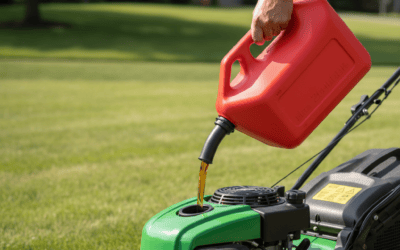
- Other Sources: Includes gasoline engines for outdoor tools like chainsaws or even solar-powered options for eco-friendly applications.
How an Electric Motor Drives a Power Tool
Electric motors in power tools work by converting electrical energy into rotational motion. Inside the motor, electromagnetic fields cause a rotor to spin, which is then transferred to the tool’s mechanism—such as a drill bit or saw blade—through gears or belts. This process allows for variable speed control and torque adjustments, enhancing versatility.
Role of Compressed Air and Hydraulic Systems
Pneumatic systems use compressed air from a compressor to drive pistons or turbines, offering high power-to-weight ratios and resistance to overheating. Hydraulic systems, in contrast, use incompressible fluids under pressure to generate force, making them ideal for applications requiring steady, heavy-duty performance without the risk of air compression losses.
Main Categories of Power Tools
Power tools are typically classified by their function, energy source, or design. This categorization aids in understanding their applications and helps users choose appropriate tools for specific tasks.
Primary Categories by Function
| Category | Description | Common Examples |
|---|---|---|
| Drilling and Driving | Tools for creating holes or driving fasteners | Drills, impact drivers, hammer drills |
| Cutting and Sawing | Tools for slicing through materials | Circular saws, jigsaws, reciprocating saws |
| Sanding and Grinding | Tools for smoothing or shaping surfaces | Orbital sanders, angle grinders, bench grinders |
| Fastening and Assembly | Tools for tightening or joining components | Impact wrenches, pneumatic nailers, rivet guns |
| Specialty Tools | Tools for specific tasks like routing or planing | Routers, planers, oscillating multi-tools |
Classification by energy source further refines this: electric (corded or cordless), pneumatic, or hydraulic tools each have unique advantages based on power needs and mobility.
Common Examples of Power Tools
To provide practical context, here are everyday examples of power tools across categories and power sources.
Electric-Powered Tools
- Corded Electric Drills: Reliable for continuous use in workshops, powered directly from outlets.
- Cordless Power Tools: Battery-operated drills, saws, and sanders offering portability for jobsite mobility.
Pneumatic (Compressed Air) Tools
- Air-Driven Nail Guns: Used in framing and roofing for rapid fastening.
- Pneumatic Impact Wrenches: Common in automotive repair for loosening tight bolts.
Hydraulic Power Tools
- Hydraulic Log Splitters: Efficient for splitting firewood with minimal manual effort.
- Hydraulic Presses: Used in metalworking for shaping or assembling parts.
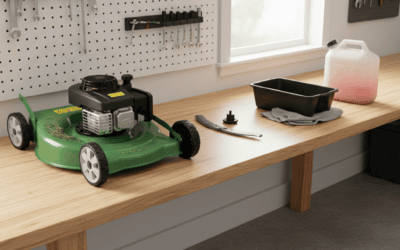
Other examples include gasoline-powered chainsaws for outdoor cutting and battery-operated lawn mowers for landscaping, showcasing the diversity of power tools.
Power Tools vs. Industrial Machinery: Key Differences
A common ambiguity arises in distinguishing power tools from industrial machinery. While both use external power, their scale, design, and application differ significantly.
Where Is the Line Between Power Tools and Industrial Equipment?
- Portability: Power tools are typically handheld or bench-mounted for individual use; industrial machinery is stationary and designed for factory settings.
- Power and Capacity: Power tools handle smaller, more precise tasks; industrial machines process bulk materials or heavy-duty operations.
- User Interaction: Power tools require direct operator control; industrial machinery often operates semi-automatically or as part of a production line.
For example, a circular saw is a power tool used by carpenters, while a large band saw in a lumber mill is industrial machinery. This distinction helps in avoiding confusion about scope and functionality.
Frequently Asked Questions
What is the difference between power tools and hand tools?
Power tools use an external energy source like electricity or compressed air to perform tasks with greater efficiency and force, whereas hand tools rely solely on manual labor. For instance, a power drill can create holes faster and with less user effort than a hand drill.
What are the main types of power tools?
Power tools are categorized by function, such as drilling (drills), cutting (saws), sanding (sanders), and fastening (impact wrenches). They are also classified by power source, including electric (corded or cordless), pneumatic, and hydraulic tools.
How do you choose the right power tool for a job?
Consider the task requirements, material type, and environment. For heavy-duty tasks, pneumatic or hydraulic tools may be best; for portability, cordless electric tools are ideal. Always prioritize safety features and ergonomics.
Are cordless power tools as effective as corded ones?
Modern cordless power tools, with advanced battery technology, often match corded tools in power and runtime for most applications. They offer greater mobility but may require recharging, making corded tools preferable for continuous, high-demand tasks.