
Direct Answer: How Often Should You Sharpen Lawnmower Blades?
For most homeowners, lawnmower blades should be sharpened once per mowing season or after every 20-25 hours of use, which typically translates to 2-3 times per year. This frequency keeps your blade sharp enough to cut cleanly without straining the mower engine. However, the ideal interval varies based on your lawn size, grass type, yard conditions, and how demanding your mowing schedule is.
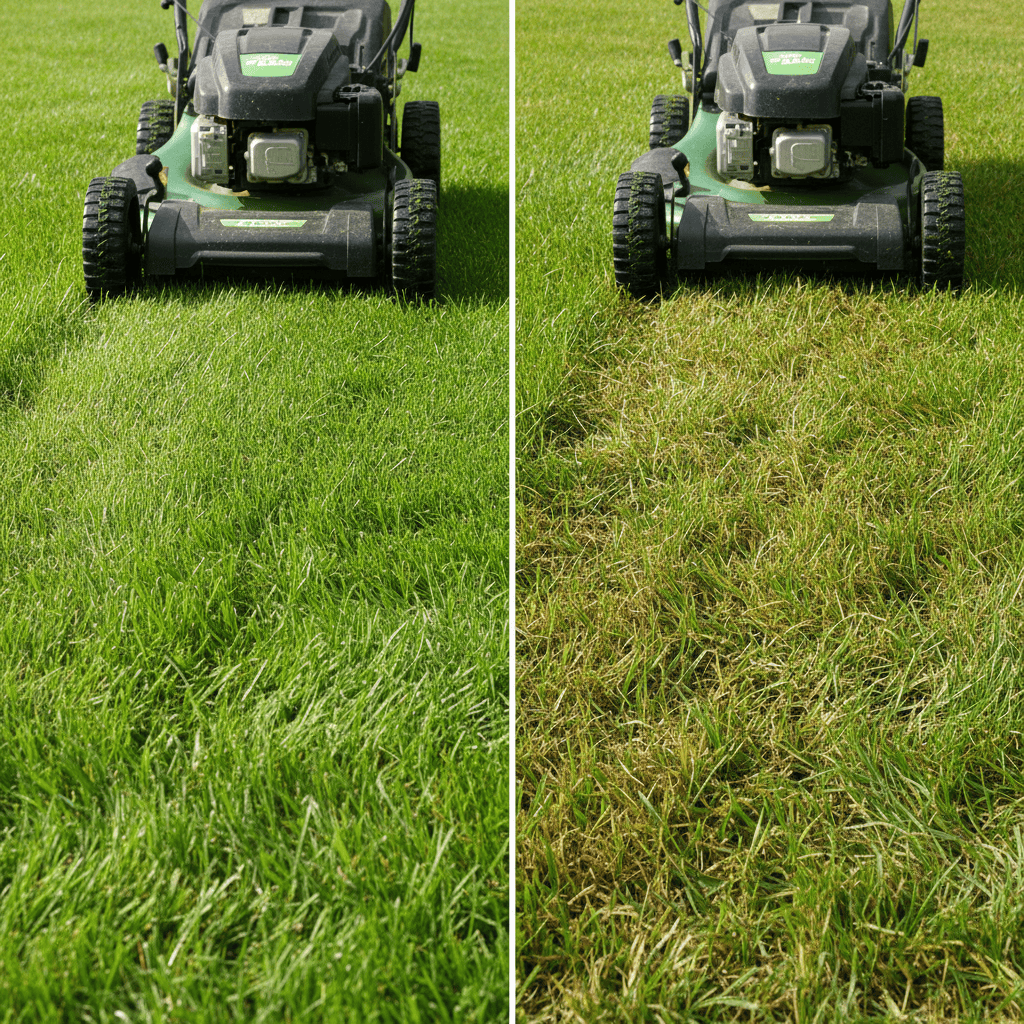
The golden rule is simple: check your blades at the start of every season, and sharpen them whenever you notice ragged grass tips, increased mowing effort, or a dull edge when you inspect the blade. If you mow frequently on a large property, sandy soil, or tough grass, plan on sharpening more often.
Understanding the Sharpening Frequency for Lawnmower Blades
The Standard Rule of Thumb: 20-25 Hours of Use
Industry-standard advice from lawn care professionals centers on the 20-25 hours of use guideline. This is the amount of runtime after which a typical steel blade begins to lose its cutting edge under normal conditions. For a homeowner mowing a quarter-acre lawn, that translates to roughly 10 to 12 mowing sessions before a sharpen is needed.
What That Means for a Typical Mowing Schedule
Most homeowners mow about once a week for 20-24 weeks during the growing season. At roughly 1-1.5 hours per mow, you will accumulate about 20-30 hours of cutting time in one season. That is why the advice condenses to one sharpen per season, or 2-3 times per year if you mow year-round in a mild climate or for longer periods each week.
Consider this quick translation guide:
| Mowing Scenario | Typical Sharpening Frequency |
|---|---|
| Small suburban lawn, weekly mowing | Once per season (every 20-25 hours) |
| Large property or long mowing sessions | 2-3 times per season |
| Commercial landscaping use | Every 5-10 hours or weekly |
| Year-round mowing in mild climates | Every 2-3 months |
Why Blade Sharpness Matters for Lawn Health
A sharp blade slices grass cleanly, while a dull blade tears and shreds it. Torn grass tips turn brown, become more vulnerable to disease, and give your lawn a ragged, unhealthy appearance. Keeping the blade properly sharpened is one of the most effective forms of blade maintenance you can perform for long-term lawn health and consistent mower performance.
Key Factors That Determine How Often You Should Sharpen
The 20-25 hour guideline is a baseline. Several specific factors can speed up blade dulling and require you to sharpen more frequently.

Pros
- Includes pre-installed 30° and extra 40° angle brackets
- 7-inch 60-grit ceramic grinding wheel per listing
- Lists support for high-lift, low-lift, gator, and flat blades
- Includes a blade balancer and six center-hole adapters
- Package lists extra replacement sandpapers
Cons
- Weighs 35 pounds, so it is not very portable
- Vibration reduction and sharpening performance are manufacturer claims

Pros
- Metal and aluminum cone, said to outlast plastic
- Magnetic base for hands-free use
- Listed for many riding and push mower blades
- Designed to check balance after sharpening
Cons
- Universal fit is manufacturer-stated; confirm your blade
- Checks balance only; does not sharpen blades
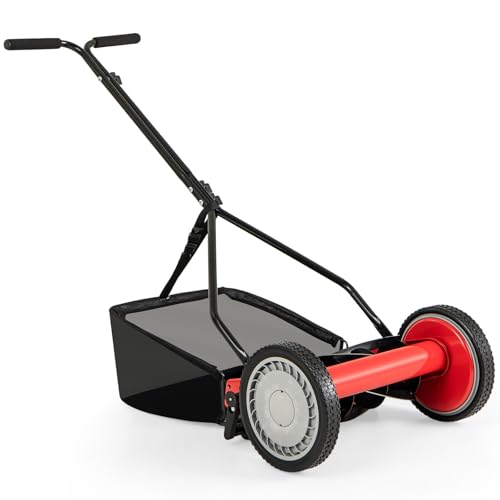
Pros
- Five heavy-duty steel blades and 14-inch deck enable efficient clean cutting
- Four adjustable cutting heights provide flexibility for various grass conditions
- Detachable grass catcher supports neat collection plus easy mulching switch
- Fully manual design delivers zero emissions and quiet operation
- Foam-padded handles and space-saving form improve comfort and storage
Cons
- Requires physical pushing effort as a motorless reel mower not ideal for large areas
- Performs best only on grass shorter than 4 inches with recommended weekly use
- Cutting height options are limited to a maximum of 2 inches
The IRONMAX 14 Inch Push Reel Lawn Mower is a manual walk-behind lawnmower designed for gardens parks and small to medium yards. It features a straightforward red build with five steel blades and foam-padded handles that create an immediate impression of practical lightweight outdoor equipment free from motors or batteries.
In real-world use the 14-inch cutting deck paired with five heavy-duty steel blades produces clean uniform cuts while covering ground efficiently. Four adjustable heights of 1.06 inches 1.6 inches 1.81 inches and 2 inches allow precise trimming. The detachable grass catcher bag collects clippings or can be removed for mulching mode all while the fully manual operation remains quiet and emission free.
Users should note that this push design demands physical effort which may tire operators on larger spaces. Optimal results require weekly mowing of grass shorter than 4 inches and the maximum cutting height stays limited at 2 inches so very tall or uneven lawns may need extra preparation.
This mower delivers strong value for eco-conscious homeowners and gardeners seeking a simple quiet tool for regular light-duty maintenance of small outdoor spaces who prefer manual operation over powered alternatives.
Lawn Size and Mowing Frequency
Bigger lawns mean more minutes of actual cutting per session, which accelerates wear. If you mow a half-acre or more, you can easily log 20 hours of blade use in just eight to ten mows. In that case, plan for multiple sharpenings per season rather than just one. Conversely, owners of small city yards may find they can go an entire season-and-a-half between sharpenings.
- Small lawn (under 1/4 acre): one sharpening per season is usually sufficient.
- Medium lawn (1/4-1/2 acre): consider sharpening twice per season.
- Large property (over 1/2 acre): sharpen every 2-3 weeks of regular mowing or every 20-25 hours.
Grass Type and Growing Conditions
Thick, coarse, or fast-growing grasses like Bermuda, St. Augustine, and tall fescue put more stress on the edge than fine, slow-growing turf. If your grass is dense and vigorous, expect blades to dull noticeably faster than the average 20-25 hour guideline. Wet, thick grass also dulls edges quicker because the blade works harder to push through heavy clumps.
Sandy Soil and Debris-Rich Yards
Sandy soil is the number one environmental culprit for rapid blade dulling. Sand particles thrown up onto the blade act like sandpaper, wearing down the edge quickly. If your yard has sandy soil, lies near a beach, or is sprinkled with grit, sticks, and small debris, sharpen every 10-15 hours instead of waiting for the standard interval. Before finalizing equipment decisions, refer to our comprehensive marshall stanmore iii vs harman kardon onyx studio 8 comparison.
Commercial Use and Large Properties
Professional landscapers and groundskeepers typically sharpen their blades every 5-10 hours of use, often daily or multiple times a week during peak season. They rely on sharp blades for quality results, faster mowing, and reduced fuel consumption. Homeowners with very large properties should follow a similar mindset: if you are logging heavy hours each week, treat yourself like a commercial operator and sharpen more generously.
Mower Type and Blade Material
Rotary mower blades dull faster than reel mower blades. Standard stamped steel blades are the most common and are inexpensive to replace, while premium high-lift or hardened alloy blades hold an edge longer. If you use a mulching blade, it works harder and may need slightly more frequent attention to keep mulching performance sharp. For broader ecosystem context, read through our operational guide on dyson v8 cyclone vs bissell featherweight stick.
Signs Your Lawnmower Blades Need Sharpening Sooner
Rather than tracking hours obsessively, learn to read the signs from your lawn and your mower. These are the most reliable indicators that your blades need attention before the standard interval rolls around.
Visual Signs on the Lawn
- Ragged or shredded grass tips: after mowing, look at fresh-cut grass. Clean, straight cuts mean a sharp blade; frayed, torn tips mean it is dull.
- White or brown tips on the lawn: torn grass loses moisture quickly and develops a pale, bleached appearance within a day or two.
- Uneven cut or missed patches: a dull blade tends to push grass down instead of cutting it, leaving uneven strips.
- Grass clumping: instead of being thrown cleanly into the bag or spread evenly, torn grass gathers into wet clumps.
Changes in Mower Performance and Sound
- The mower seems to labor or slow down, especially in thick grass.
- You notice excessive vibration or a rough, unbalanced feel through the handle.
- The engine sounds strained, or you smell hot metal from increased friction.
- Visible nicks, dents, or rolled-over edges when you inspect the blade.
- The blade looks rounded or shows shiny wear along its cutting edge.
If you notice any of these signs, do not wait for the 20-25 hour mark. Sharpen the blade immediately, as a dull blade reduces mower performance and damages lawn health. For troubleshooting and reliability insights, consult our in-depth bissell crosswave hydrosteam vs shark stainforce report.
Step-by-Step Guide: How to Sharpen Lawnmower Blades
Sharpening your blades at home is a straightforward DIY task that most people can complete in under an hour. Safety is the priority throughout.
Essential Safety Steps Before You Begin
- Remove the spark plug wire: always disconnect the spark plug to prevent the engine from accidentally starting.
- Drain the fuel or work with a nearly empty tank: this prevents leaks and reduces fire risk when you tip the mower.
- Protect your hands: wear heavy work gloves; blade edges are sharp even when dull.
- Secure the mower: tip it on its side with the carburetor and air filter facing upward so oil does not leak into them.
- Block the blade: wedge a piece of wood between the blade and the mower deck to stop it from spinning while you loosen the bolt.
Tools and Methods for Sharpening
You have three dominant options for sharpening a lawnmower blade:
- Bench grinder: the fastest method, ideal for heavy nicks and badly dulled edges. Use light passes and keep the blade moving to avoid overheating and drawing out the temper of the steel.
- Hand file or angle grinder: a 10-inch flat file or angle grinder works well for routine sharpening. Follow the blade’s existing bevel angle, usually about 30-45 degrees.
- Rotary tool with sharpening attachment: convenient for quick touch-ups between full sharpenings.
Whichever method you choose, maintain the original cutting angle of the blade. Do not try to create a razor-sharp edge like a kitchen knife; a durable, lightly honed edge holds up better against dirt and grass.
Proper Reinstallation and Balancing
An unbalanced blade causes severe vibration, damages the mower spindle, and produces an uneven cut. Balance the blade before reinstalling it:
- Slide the blade onto a blade balancer tool or a nail driven into a wall.
- Wait for the blade to settle. The heavier side will dip downward.
- Remove a little more metal from the heavy side, then test again.
- Repeat until the blade hangs perfectly level.
- Reinstall with the blade’s lifting edge facing up toward the deck, tighten the bolt to the manufacturer’s torque spec, and reconnect the spark plug wire.
Best Practices for Lawnmower Blade Maintenance
Consistent blade maintenance extends the life of both the blade and the mower itself. Adopt these habits to keep your equipment performing well all season.
- Inspect blades at season start: make sharpening part of your spring tune-up routine.
- Clean under the deck regularly: built-up grass and damp clippings accelerate rust and corrosion on the cutting edge.
- Mow dry grass when possible: wet grass is heavier, dulls blades faster, and leaves residue that damages the edge.
- Avoid hitting hard objects: stones, roots, and curbs cause nicks that lead to premature dulling or blade damage.
- Replace when the blade is too thin: if the cutting edge has been ground down significantly, or if it has cracks or severe bends, replace it instead of sharpening again.
- Keep a spare blade: having a backup means you can swap in a sharp blade immediately and sharpen the dull one at your convenience.
Everything You Need to Know: How Often To Sharpen Lawnmower Blades FAQ
How many times a year should I sharpen my lawnmower blades?
For the average homeowner, sharpen once per mowing season, which equals about 1-2 times per year. If you mow year-round in a mild climate or have a large yard, plan on 2-3 sharpenings per year.
Can I sharpen lawnmower blades without removing them?
Yes, you can use a handheld angle grinder or rotary tool to touch up the edge while the blade is still mounted, but this is less precise and does not allow you to balance the blade. For best results, remove the blade, sharpen it, and balance it before reinstalling.
How do I know if my lawnmower blade is too dull?
Look for frayed or whitish grass tips after mowing, difficulty pushing the mower, excessive vibration, and a visible rounded edge when you inspect the blade. If the blade has large chips, deep cracks, or has been sharpened many times down to a thin edge, replace it.
Does sandy soil really make blades dull faster?
Yes. Sand and abrasive grit get thrown up against the blade during mowing, acting like sandpaper and wearing away the cutting edge rapidly. If your lawn has sandy soil, sharpen every 10-15 hours of use instead of the standard 20-25 hours.
Related Maintenance and Operating Guides
To keep your equipment running at peak operating efficiency, explore our related technical walkthroughs and maintenance tutorials:
- Consult our detailed breakdown on residential zero-turn lawn mower guide.
Blade Sharpening Safety Background
The right sharpening interval depends on grass type, soil conditions, and whether the mower regularly strikes rocks or debris. Those interested in general safety practices for rotary blades may look at American National Standards Institute (ANSI).