Understanding the Question: Battery Lifespan vs. Charge Duration
When you ask, “How long does a lawn mower battery last?” the answer depends on what you mean. Are you asking about the total service life of the battery in years, or how long a fully charged battery will run during a single mowing session? This distinction is crucial for planning maintenance and understanding your equipment’s needs.
The informational intent behind this question typically points to the battery’s overall lifespan—how many years it will function before needing replacement. However, understanding both metrics helps you get the most from your lawn mower battery.
Total Service Life in Years
A lawn mower battery typically lasts 3-5 years with proper maintenance. This lifespan represents the total number of years the battery can reliably hold a charge and start your mower before it needs replacement. Several factors influence whether your battery will last closer to 3 years or 5 years, including battery type, climate conditions, usage patterns, and how well you maintain it.
Runtime Per Charge
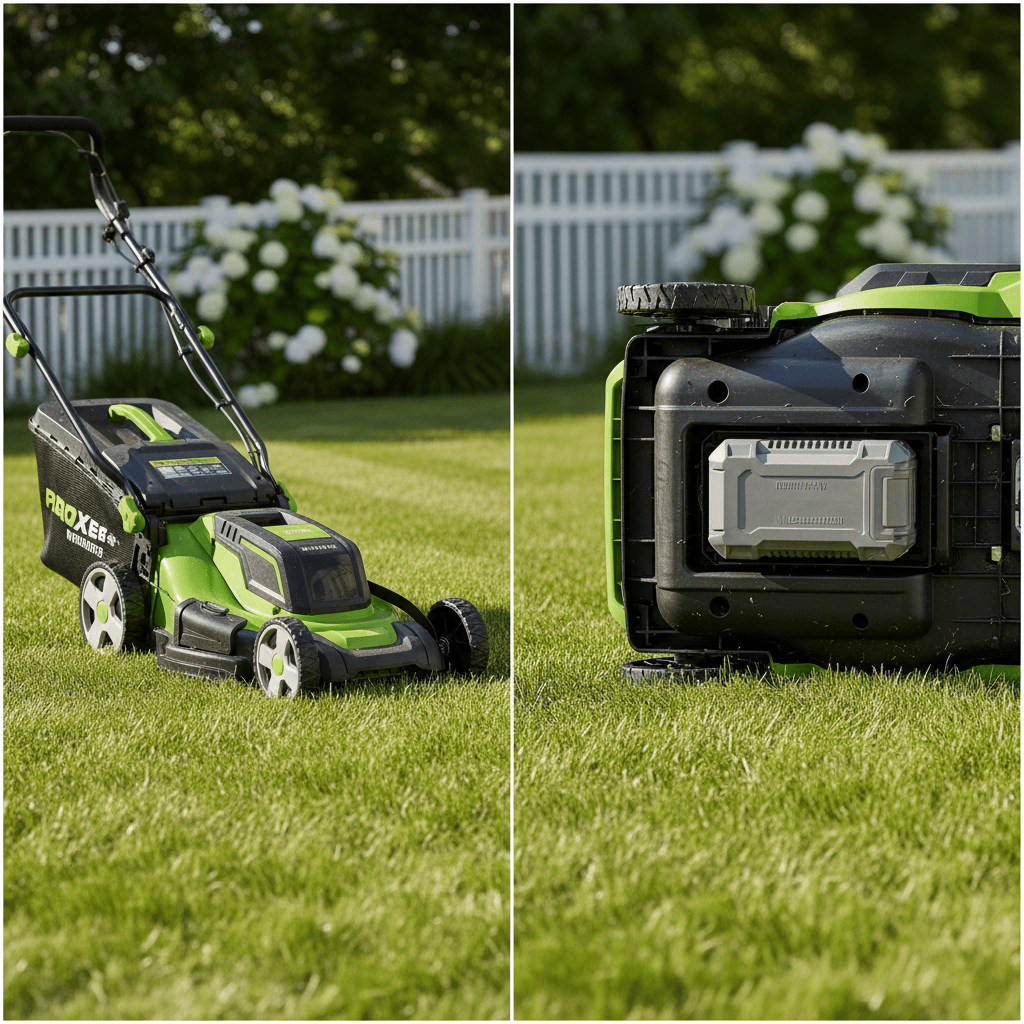
For cordless electric lawn mowers, the runtime per charge typically ranges from 30 to 60 minutes, depending on the battery capacity and mower model. This is separate from the battery’s total lifespan in years. A battery might provide 45 minutes of runtime per charge for 4 years before its overall capacity diminishes to the point where replacement is necessary.
Key Factors That Affect Lawn Mower Battery Lifespan
Understanding what influences your battery’s longevity helps you make informed decisions about maintenance and replacement timing. Here are the primary factors that determine whether your battery survives on the short or long end of the 3-5 year range.
Battery Type
The type of battery in your lawn mower significantly impacts its expected lifespan:
- Lead-acid batteries are the most common and typically last 3-4 years. They require regular maintenance, including checking water levels and cleaning terminals.
- AGM (Absorbent Glass Mat) batteries are maintenance-free and usually last 4-5 years. They’re more resistant to vibration and can handle deeper discharges better than standard lead-acid batteries.
- Lithium-ion batteries are lighter, charge faster, and can last 5+ years with proper care. They’re becoming more common in cordless electric mowers but are more expensive upfront.
Climate Conditions
Extreme temperatures can significantly shorten battery life. Heat accelerates chemical degradation inside the battery, while freezing temperatures can cause internal damage. Batteries stored in uncontrolled environments like sheds or garages without climate control often have shorter lifespans than those kept in moderate conditions.
Usage Patterns and Mowing Frequency
How often you mow and the size of your lawn directly impact battery wear. A battery used weekly on a large property will experience more charge cycles than one used bi-weekly on a small yard. More frequent use means more stress on the battery’s internal components, potentially reducing its overall lifespan.
Charging Habits
How you charge your battery matters significantly. Overcharging, deep discharging, or using incompatible chargers can all reduce the number of usable charge cycles. Modern smart chargers help prevent these issues, but understanding proper charging practices is essential for maximizing battery life.
Step-by-Step Guide to Maximizing Your Battery’s Lifespan
With proper maintenance, you can push your battery toward the 5-year mark or beyond. Follow these actionable steps to extend your lawn mower battery’s service life.
Proper Charging Routine
After each mowing session, charge your battery according to the manufacturer’s recommendations. Avoid letting the battery completely discharge before recharging, as deep discharges stress the battery’s chemistry. For lead-acid batteries, charge immediately after use rather than waiting. For lithium-ion batteries, partial charges are actually better than full discharge cycles.
Seasonal Storage and Winterization
Proper off-season storage is critical for battery longevity. Before storing your mower for winter:
- Charge the battery fully before storage
- Disconnect the battery from the mower
- Store in a cool, dry location (ideally 40-60°F)
- For lead-acid batteries, check and top off water levels with distilled water
- Use a trickle charger or battery maintainer during extended storage periods
Terminal Maintenance
Clean battery terminals every 3-6 months to prevent corrosion buildup that can impede electrical flow. Use a wire brush to remove corrosion, then apply a thin layer of dielectric grease or petroleum jelly to protect against future buildup. Always disconnect the battery before cleaning terminals.
Water Level Checks (Lead-Acid Batteries)
If you have a traditional lead-acid battery, check water levels monthly during the mowing season. Use only distilled water to top off cells, filling to just above the internal plates. Never overfill, as this can cause acid overflow during charging.
Signs Your Lawn Mower Battery Needs Replacement
Recognizing when your battery is failing helps you plan for replacement before being stranded mid-mow. Watch for these warning signs:
Performance Symptoms
- Slow cranking: The engine turns over sluggishly when you try to start the mower
- Weak starts: The mower starts but seems to struggle, especially in cold weather
- Reduced runtime: Cordless mowers lose charge faster than when new
- Intermittent power: The mower loses power unexpectedly during use
Testing with a Multimeter
A multimeter or voltmeter can confirm whether your battery is holding a charge properly. A fully charged 12V battery should read between 12.6 and 12.8 volts. If it drops below 12.4 volts after sitting overnight, or if it can’t hold a charge for more than a few days, replacement is likely needed.
Visual Inspection Signs
Inspect your battery regularly for physical damage:
- Swelling or bulging: Indicates internal damage or overheating
- Cracks or leaks: Compromises battery integrity and safety
- Excessive corrosion: Terminal corrosion that returns quickly after cleaning
- Unusual odors: Sulfur smell indicates acid leakage or internal problems
Proactive Replacement Timing
Consider proactive replacement after 4 seasons of reliable service, especially if you notice any performance decline. Waiting for complete failure can leave you unable to mow when needed, and some battery failures can damage other electrical components in your mower.
Battery vs. Alternative Power Sources: When Replacement Is Worth It
Deciding whether to replace your battery or invest in a new mower requires considering several factors.
Cost Comparison
A replacement lawn mower battery typically costs between $30 and $100, depending on the type and capacity. A new cordless electric lawn mower ranges from $200 to $500 for residential models. If your mower is otherwise in good condition, battery replacement is usually more economical than purchasing a new mower.
Age and Condition of the Mower
If your mower is more than 7-8 years old and showing signs of wear beyond the battery, investing in a new mower might make more sense. However, if the mower deck, motor, and other components are in good shape, a new battery can extend its useful life significantly.
Warranty Considerations
Check your mower’s warranty coverage before replacing the battery yourself. Some manufacturers cover batteries for 1-2 years, while others require professional installation to maintain warranty validity. Understanding your warranty terms can influence whether you replace the battery independently or through the manufacturer.
Frequently Asked Questions
Can I use a car battery in my lawn mower?
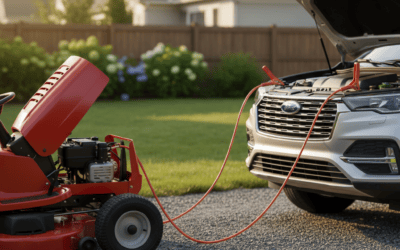
While you might find a car battery that fits physically, it’s not recommended. Car batteries are designed for short, high-current bursts to start engines, while lawn mower batteries (especially for cordless electric mowers) are designed for sustained power delivery. Using an incompatible battery can damage your mower’s electrical system and may void your warranty.
How do I know what battery type my lawn mower uses?
Check your owner’s manual for the recommended battery specifications. You can also look at the existing battery for labels indicating the type (lead-acid, AGM, lithium-ion) and capacity (measured in amp-hours). If you’re unsure, take the old battery to a battery retailer or consult your mower manufacturer’s website.
Is it worth rebuilding an old lawn mower battery?
Rebuilding or reconditioning lead-acid batteries is possible but rarely cost-effective for lawn mower applications. The process requires specialized equipment and chemicals, and the rebuilt battery typically won’t last as long as a new one. For most homeowners, purchasing a new battery is simpler, safer, and more reliable.
How does temperature affect lawn mower battery performance?
Extreme heat accelerates battery degradation, while cold temperatures reduce available power. In hot climates, batteries may last 20-30% shorter than the typical 3-5 year range. In cold climates, batteries may struggle to start the mower in winter but can last longer if stored properly during cold months. Always store batteries in moderate temperatures when possible.