Direct Answer: How Much Oil Does a Lawn Mower Take?
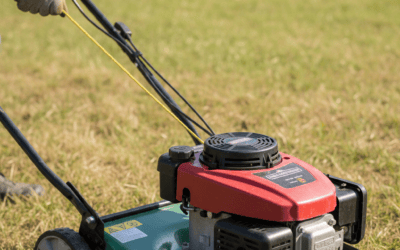
Check your owner’s manual for the exact crankcase capacity, because it varies by engine model and manufacturer. For most walk-behind four-stroke lawn mowers, the crankcase holds roughly 15–18 US fluid ounces (about 0.5–0.6 US quart, or 0.45–0.5 liter). Use the dipstick or fill plug to confirm the level after pouring, and never overfill — overfilling can cause smoke, leaks, and engine damage.
If you have a two-stroke mower, the answer is different: oil is mixed into the gasoline rather than poured into a separate crankcase.
Four-Stroke vs. Two-Stroke Engines: Which Oil Guidance Applies to You?
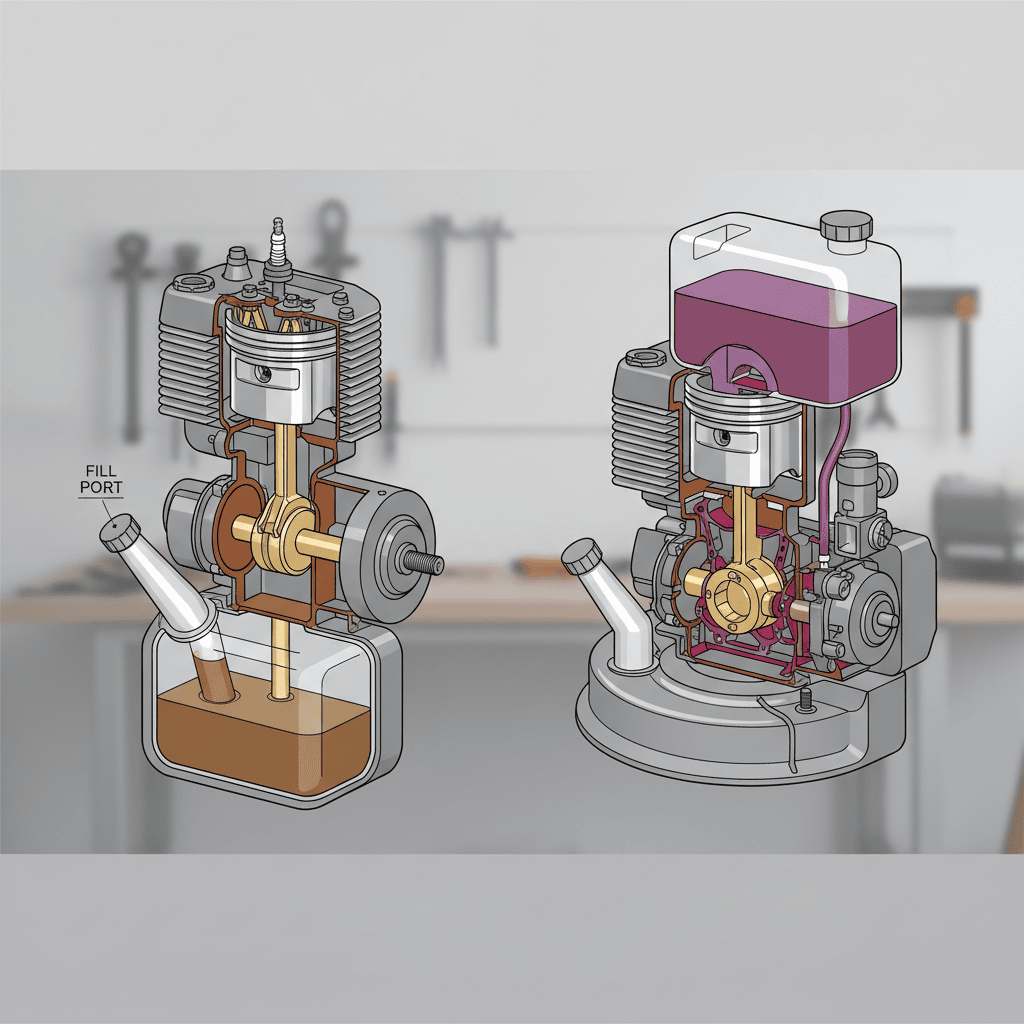
The first and most critical step is to identify your engine type. The oil filling procedure is fundamentally different between four-stroke and two-stroke lawn mower engines.
How Do I Tell If My Mower Is Four-Stroke or Two-Stroke?
- Four-Stroke Engine: This is the most common type for modern walk-behind and riding mowers. It has a separate oil fill port and a gas tank. The oil is used to lubricate the engine and is not burned off during normal operation. You will typically see “4-Cycle” or “4-Stroke” marked on the engine or in the manual.
- Two-Stroke Engine: These are less common now but are often found on older or very lightweight trimmers and some small push mowers. A two-stroke engine does not have a separate oil reservoir. Instead, you must mix oil directly into the gasoline at a specific ratio (e.g., 50:1) before filling the fuel tank.
Where Does the Oil Go in a Four-Stroke Mower?
In a four-stroke mower, the oil goes into the crankcase. You will find a fill cap or a dipstick, usually located on the side of the engine. This is where you pour new oil during an oil change or top-up.
Do Two-Stroke Mowers Have a Separate Oil Fill?
No. For a two-stroke mower, you do not pour oil into the engine itself. You mix the correct amount of two-stroke oil into your gasoline can before filling the mower’s fuel tank. The engine then burns this oil-gasoline mixture for lubrication.
Step-by-Step: How to Fill and Check the Oil Level Correctly
Follow these steps for a four-stroke lawn mower to ensure you add the correct amount of oil without overfilling.
What Is the Correct Sequence for Draining Old Oil and Adding Fresh Oil?
- Prepare: Run the mower for a few minutes to warm the oil, which helps it drain better. Then, turn off the engine and disconnect the spark plug wire for safety.
- Drain: Locate the oil drain plug (often at the base of the engine) or tip the mower carefully (with the air filter and carburetor facing up) to drain the old oil into a pan.
- Refill: Replace the drain plug securely. Using a funnel, slowly pour in about three-quarters of the recommended oil capacity.
- Check & Top-Up: Wait a minute for the oil to settle into the crankcase, then check the dipstick. Add the remaining oil in small increments until the level is correct.
How Do I Read the Dipstick to Confirm the Level Is Correct?
Unscrew or pull out the dipstick, wipe it clean with a rag, and reinsert it fully without screwing it back in (check your manual for the exact procedure). Remove it again and look at the oil film. The level should be between the “ADD” and “FULL” marks on the dipstick. It should never be above the “FULL” line.
Should I Check the Oil When the Engine Is Cold or Warm?
The most accurate reading is typically taken with the engine warm but not running. Run the mower for a few minutes, shut it off, and wait about a minute for the oil to settle before checking. Always check on a level surface.
Key Factors That Change the Amount of Oil Needed
The “15–18 ounce” guideline is a general average. The exact capacity for your specific mower can vary significantly.
Does Engine Size in cc Affect How Much Oil the Crankcase Holds?
Yes. A larger engine (measured in cubic centimeters, or cc) will have a larger crankcase and require more oil. A small 140cc walk-behind mower engine might hold 15 oz, while a larger 190cc engine could hold 20 oz or more.
Do Riding Mowers Hold Significantly More Oil Than Walk-Behind Mowers?
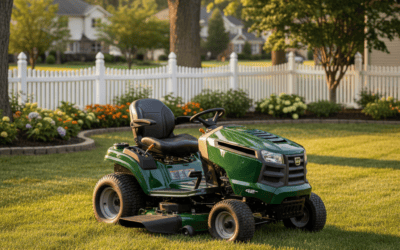
Absolutely. Riding mowers and lawn tractors have much larger engines. Their oil capacity can range from 48 to 64 US fluid ounces (1.5 to 2 quarts) or even more, depending on the engine size. Never assume a riding mower holds the same amount as a push mower.
What Happens If I Add Oil Without Knowing the Capacity?
You risk overfilling. This is a common and serious mistake. The dipstick is your only reliable guide. Always add oil slowly and check the level frequently.
What Oil Type Should I Use, and What Are the Risks of Wrong Levels?
Using the right oil and maintaining the correct level is essential for engine health.
Which Oil Viscosity Is Recommended for Most Small Mower Engines?
For most four-stroke lawn mower engines, the recommended oil is SAE 30. This viscosity is ideal for the operating temperatures typical during mowing season. For variable or cooler climates, a multi-viscosity oil like 10W-30 may be recommended. Always check your owner’s manual for the manufacturer’s specific recommendation.
What Are the Symptoms of Overfilled Oil?
- White or blue smoke from the exhaust.
- Oil leaking from seals or the gasket.
- Foamy or bubbly oil on the dipstick, caused by the crankshaft churning in excess oil.
- Increased internal pressure that can cause engine damage.
What Happens If the Oil Level Is Too Low?
Running an engine with insufficient oil leads to metal-on-metal friction. This causes rapid overheating and can result in catastrophic engine failure, such as a seized piston or a thrown rod, which is often more expensive to repair than replacing the mower.
Frequently Asked Questions
Can I use car oil in my lawn mower?
Yes, but only if it matches the recommended viscosity (like SAE 30 or 10W-30) and is for a four-stroke engine. Do not use oil labeled for two-stroke engines or oil with friction modifiers designed for modern cars, as these can harm small engine components.
How often should I change the oil in my lawn mower?
A good rule of thumb is to change the oil every 50 hours of operation or at least once per mowing season, whichever comes first. New mowers may require an initial oil change after the first 5-10 hours of use to remove break-in contaminants.
What should I do if I accidentally overfilled the oil?
Do not start the engine. You must drain the excess oil immediately. You can either use the drain plug or carefully siphon it out with a turkey baster or fluid transfer pump until the dipstick reads at the “FULL” mark.