How Do You Change a Spark Plug on a Lawn Mower?
To change a spark plug on a lawn mower, first ensure the engine is off and completely cool. Disconnect the spark plug wire to prevent accidental starting. Use a spark plug socket to remove the old plug, check the electrode gap on the new plug with a gap gauge, hand-thread the new plug to avoid cross-threading, torque it to the manufacturer’s specification (typically 15 ft-lbs), and finally reconnect the spark plug wire.
What Tools and Materials Do You Need?
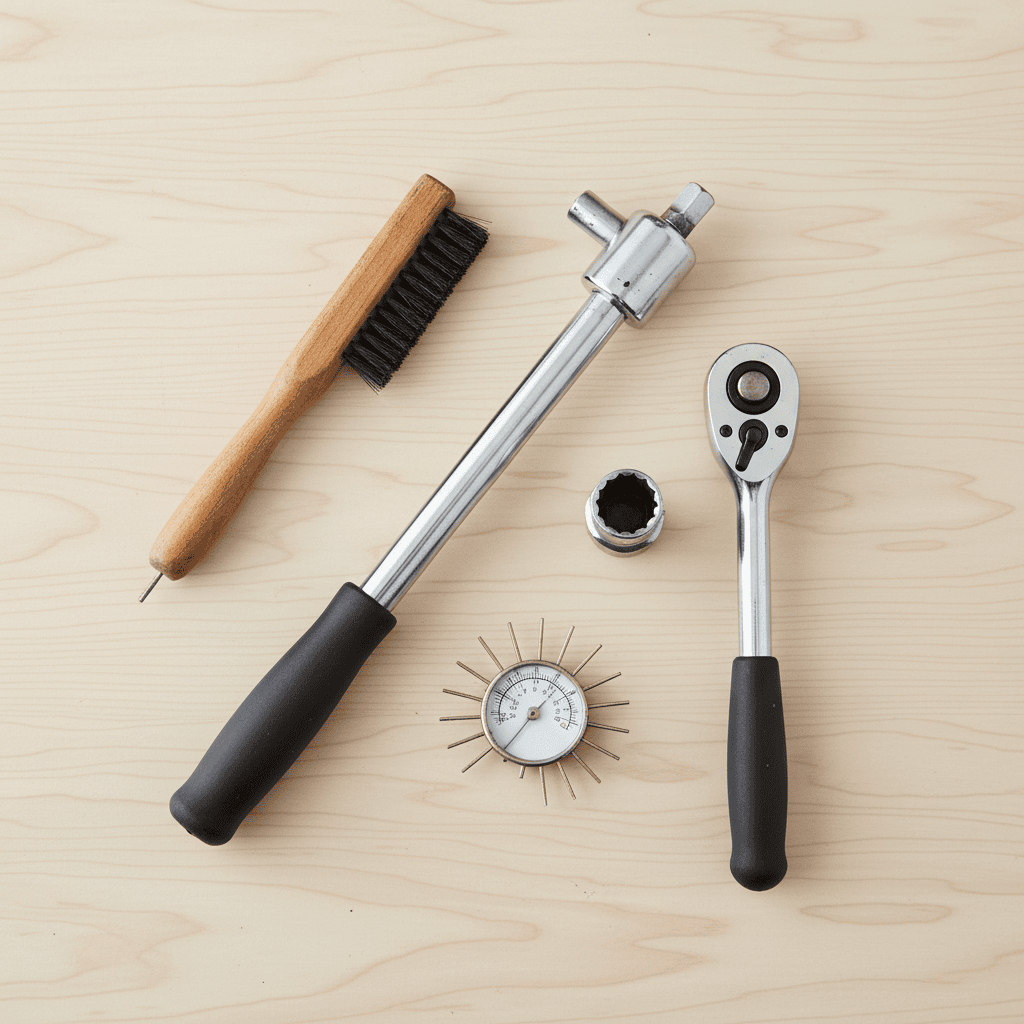
Having the right tools makes the job quick and prevents damage to your mower’s engine. Here’s what you’ll need:
- Spark Plug Socket: This specialized socket has a rubber insert to grip the spark plug’s ceramic insulator, allowing you to remove and install it without cracking the plug.
- Gap Gauge: A simple tool used to measure and set the distance between the spark plug’s center and ground electrodes. While many new plugs come pre-gapped, you should always verify the gap for your specific engine.
- Torque Wrench: This ensures you tighten the spark plug to the exact specification (usually around 15 ft-lbs for most small engines). Over-tightening can strip threads or crack the plug, while under-tightening can cause compression loss.
- Socket Wrench or Ratchet: To turn the spark plug socket.
- Wire Brush or Compressed Air (Optional): To clean debris from the spark plug well before removal.
How do I find the correct spark plug model for my mower? Consult your lawn mower’s owner’s manual. The correct spark plug model number is listed there. You can also find it by looking up your mower’s engine model number online or at a parts store.
How to Safely Prepare Your Lawn Mower
Safety is the most important step. Never work on a hot engine or with the ignition on.
- Turn Off the Engine and Let It Cool: A hot engine can burn you, and working on a running engine is extremely dangerous. Allow at least 15-20 minutes for the engine to cool completely.
- Disconnect the Spark Plug Wire: Firmly grasp the rubber boot (not the wire itself) and pull it straight off the spark plug terminal. This is the primary safety step that guarantees the engine cannot start accidentally.
- Secure the Mower: For a push mower, place it on a flat, stable surface. For a riding mower, engage the parking brake, turn off the ignition, and remove the key.
Should I work on a push mower or riding mower differently? The core procedure is the same, but access differs. On a push mower, the spark plug is usually on the front or side of the engine. On a riding mower, it may be under the hood or require you to tilt the mower deck (consult your manual for the correct tilting procedure to avoid oil or fuel leaks).
Step-by-Step Guide to Changing the Spark Plug
1. Remove the Old Spark Plug
With the spark plug wire disconnected, use a wire brush or compressed air to clean any dirt or grass clippings from around the spark plug base. This prevents debris from falling into the cylinder. Place the spark plug socket over the plug and use the ratchet to turn it counter-clockwise to loosen and remove it.
2. Check and Set the Electrode Gap
Compare the old plug with the new one to ensure they are the same length and thread size. Use a gap gauge to measure the gap between the center electrode and the curved ground electrode at the tip of the new plug. The correct gap is specified in your owner’s manual (commonly between 0.028″ and 0.031″ for many mowers). Gently tap the side electrode on a hard surface to close the gap or use the gauge’s wire to open it until it matches the specification.
3. Install the New Spark Plug
This is the most critical step to avoid damage. First, hand-thread the new spark plug into the engine block. Turn it clockwise by hand until it is finger-tight. This ensures the threads are aligned correctly and prevents cross-threading, which can ruin the engine’s cylinder head. Once it’s hand-tight, use the torque wrench to tighten it to the specified torque (typically 15 ft-lbs, but always check your manual).
4. Reconnect the Spark Plug Wire
Push the spark plug wire boot firmly back onto the terminal of the new spark plug until you feel or hear it click into place. A loose connection can cause misfires or prevent the engine from starting.
Common Mistakes and Troubleshooting
- Over-tightening: This is the most common error. It can strip the aluminum threads in the engine block or crack the spark plug’s insulator. Always use a torque wrench. If you don’t have one, tighten until snug, then give it just a 1/4 turn more—never force it.
- Cross-threading: If the plug doesn’t screw in easily by hand, stop immediately. Back it out and try again, ensuring it’s perfectly straight. Forcing it will cause expensive damage.
- Engine Won’t Start After Replacement: Double-check that the spark plug wire is securely connected. Verify the new spark plug is the correct model and that the gap is set properly. If it still won’t start, the problem may lie elsewhere, such as with the fuel or ignition system.
- Using the Wrong Plug: Installing a plug that is too long can cause it to hit the piston, leading to catastrophic engine failure. Always use the exact model specified for your engine.
How often should I be changing my lawn mower’s spark plug? For optimal performance, it’s recommended to replace the spark plug at least once per mowing season or every 100 hours of use. A fouled or worn plug can cause hard starting, reduced fuel efficiency, and loss of power.
Frequently Asked Questions
What happens if I don’t change the spark plug?
A worn or fouled spark plug can lead to several issues: difficulty starting the engine, rough idling, reduced power, increased fuel consumption, and higher emissions. In severe cases, it can cause engine misfires that may damage the catalytic converter on newer models.
Can I clean an old spark plug instead of replacing it?
While you can sometimes clean a spark plug with a wire brush and adjust the gap, replacement is always recommended during routine maintenance. Spark plug electrodes erode over time, and cleaning won’t restore them to optimal condition. New plugs are inexpensive and ensure reliable performance.
Do all lawn mowers have the same spark plug?
No. Spark plugs vary by engine manufacturer, model, and size. Using the wrong plug can lead to poor performance or engine damage. Always consult your owner’s manual for the exact part number.