Direct Answer: How to Change Lawn Mower Oil
Changing the oil in a lawn mower is a straightforward maintenance task that takes about 15 to 30 minutes. In short, you warm up the engine, drain the old oil through the oil drain plug or dipstick tube into an oil pan, replace the oil filter if your mower has one, and refill with the correct type and amount of fresh engine oil. Always consult your owner’s manual for the exact oil viscosity and capacity, wear gloves and safety glasses, and dispose of the used oil at a recycling center or auto parts store rather than pouring it down a drain.
Why Changing Lawn Mower Oil Matters
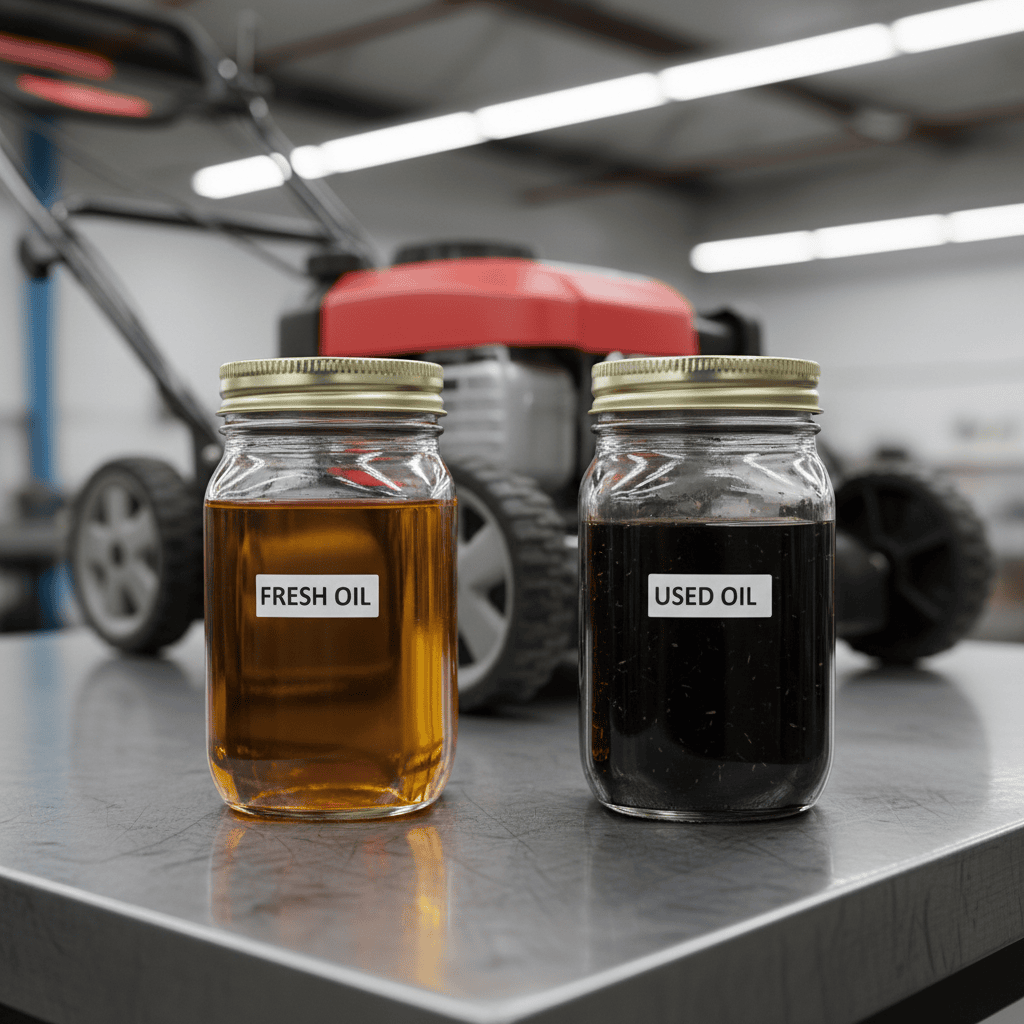
Engine oil is the lifeblood of your lawn mower’s small engine. It lubricates moving parts, reduces friction, carries away heat, and traps dirt and debris that would otherwise cause premature wear. Over time, oil breaks down, becomes contaminated with combustion byproducts, and loses its ability to protect the engine.
Running a mower with old, degraded oil can lead to a range of problems, including:
- Increased engine wear and shortened lifespan
- Overheating caused by reduced lubrication
- Hard starting and rough idling
- Carbon buildup on internal components
- Costly repairs or the need for a complete engine replacement
Regular oil changes are one of the most important and inexpensive ways to keep your mower running reliably season after season. For most residential mowers, that means changing the oil at least once per season or every 50 hours of operation, whichever comes first. If you mow a large lawn or operate in dusty conditions, you may need to change it more frequently.
What You Need Before You Start
Before you begin, gather the right tools and materials. Having everything ready will make the job faster, cleaner, and safer. Here is a checklist of the essential items:
| Item | Purpose |
|---|---|
| Fresh engine oil | Replaces the old oil; use the type and viscosity specified in your owner’s manual |
| Oil drain pan | Catches the old oil as it drains; a wide, shallow pan works best |
| Wrench or socket set | Loosens and removes the oil drain plug |
| Funnel | Helps pour new oil into the fill tube without spills |
| Oil filter wrench (if equipped) | Removes the spin-on oil filter on mowers that have one |
| New oil filter (if equipped) | Replaces the old filter during the oil change |
| Shop rags or paper towels | Wipes up spills and cleans the drain plug and fill area |
| Safety glasses | Protects your eyes from oil splashes and debris |
| Work gloves | Protects your hands from hot oil and sharp metal edges |
| Container for used oil | A sealed container, such as the original oil bottle, for transporting old oil |
You should also have your owner’s manual nearby. It contains the most accurate information about your specific mower, including the recommended oil type, viscosity, and capacity, as well as the location of the drain plug and dipstick.
Choosing the Right Oil for Your Lawn Mower
Most residential lawn mowers use a four-stroke engine that requires separate engine oil. Two-stroke engines, which are less common on modern walk-behind mowers, require a mixture of oil and gasoline, so check your owner’s manual to confirm which type you have.
The most common oil recommendation for small four-stroke lawn mower engines is SAE 30, which performs well in warm conditions. However, many manufacturers now recommend 10W-30, a multi-viscosity oil that flows more easily during cold starts. Some manuals also approve 5W-30 or synthetic blends. The right choice depends on the ambient temperature where you mow and the specific engine design.
Here are a few general guidelines:
- SAE 30: Best for warmer temperatures above 40°F; the traditional choice for many push mowers.
- 10W-30: A versatile multi-grade oil suitable for a wide range of temperatures; check your manual for approval.
- 5W-30: Better for colder conditions and newer engines that specify it.
- Synthetic oil: Offers better high-temperature stability and longer life, but only use it if your manual allows it.
Using the wrong oil viscosity can cause problems. Oil that is too thick can make starting difficult and reduce lubrication during cold weather, while oil that is too thin may not protect the engine adequately in hot conditions. Always follow the recommendation in your owner’s manual, and look for oil labeled for small air-cooled engines when possible.
How to Change Lawn Mower Oil: Step-by-Step
The following steps apply to most push and walk-behind lawn mowers. If you own a riding mower or zero-turn mower, the general process is the same, but the drain plug and oil filter may be located differently, so consult your manual.
Step 1: Prepare the Mower
Start by placing the mower on a flat, level surface. If the engine has been running, let it cool for a few minutes so the oil is warm but not hot enough to burn you. Warm oil drains faster and carries more suspended contaminants, but you should still be able to touch the engine comfortably.
Next, disconnect the spark plug wire and secure it away from the spark plug. This prevents the engine from accidentally starting while you work near the blade and drain area. You may also want to remove the grass catcher or any debris from the mower deck to keep the work area clean.
For most walk-behind mowers, the simplest approach is to drain the oil through the dipstick tube using a siphon pump, especially if your mower does not have a drain plug. If your mower has a drain plug, position the mower so the plug is at the lowest point, or tilt it slightly to ensure all the oil drains out.
Step 2: Drain the Old Oil
Place the oil drain pan under the oil drain plug or the dipstick tube. If your mower has a drain plug, use a wrench to loosen it slowly, then remove it by hand while keeping slight upward pressure so it does not fall into the pan. Allow the oil to drain completely, which usually takes a few minutes.
If your mower has no drain plug, use an oil siphon pump inserted into the dipstick tube to draw the old oil out into the pan. Some mowers can also be tipped on their side to pour the oil out of the fill tube, but you should check your manual first because tipping can cause oil to leak into the air filter or carburetor on some models.
Once the oil has stopped draining, inspect it for metal shavings or a milky appearance. A small amount of dark color is normal, but metal particles could indicate internal wear, and a milky look suggests water contamination. If you notice either, have the engine inspected by a professional.
Step 3: Replace the Oil Filter (If Equipped)
Many walk-behind mowers do not have an oil filter, but some larger models and most riding mowers do. If your mower has a spin-on oil filter, remove it with an oil filter wrench and allow the remaining oil to drain into the pan. Before installing the new filter, lightly coat the rubber gasket on the top of the filter with a small amount of fresh oil. Screw the new filter on by hand until the gasket makes contact, then tighten it an additional three-quarters of a turn. Do not overtighten.
Step 4: Add New Oil
After the old oil has fully drained, reinstall the drain plug and tighten it securely, but do not overtighten it. If you removed the oil filter, make sure the new filter is properly installed before adding oil.
Locate the oil fill tube, which is usually marked with an oil can symbol or labeled “Oil Fill.” Insert a clean funnel into the tube and pour in the recommended amount of fresh oil from your owner’s manual. Add the oil slowly and pause occasionally to check the level, especially if you are near the full capacity.
Step 5: Check the Oil Level
Wait a minute or two after pouring to allow the oil to settle into the crankcase. Then remove the dipstick, wipe it clean with a rag, reinsert it fully, and pull it out again to read the level. The oil should sit between the “Full” and “Add” marks, ideally near the full mark. If it is low, add a small amount at a time and recheck. If it is overfull, drain a little out, because excess oil can cause the engine to smoke or leak.
Step 6: Clean Up and Dispose of Used Oil
Wipe up any spills with rags and clean the area around the fill tube and drain plug. Reconnect the spark plug wire before starting the mower. Run the engine for a minute or two, then shut it off and recheck the oil level, topping off if necessary.
Pour the used oil into a clean, sealable container, such as the original oil bottle or a dedicated oil jug. Do not mix it with other fluids like gasoline or antifreeze, because contaminated oil is much harder to recycle. Take the container to a local recycling center, auto parts store, or service station that accepts used oil. Many communities also hold household hazardous waste collection events. Never pour used oil onto the ground, into a storm drain, or into the trash, as it is both illegal in most areas and harmful to the environment.
How Often Should You Change Lawn Mower Oil?
For most residential lawn mowers, the standard recommendation is to change the oil every 50 hours of operation or once per season, whichever comes first. If you mow a small lawn, a single annual change before the first mow of the season is usually sufficient. If you mow a large property, mow frequently, or cut grass in dusty, dirty conditions, plan to change the oil more often, such as every 25 hours.
New mowers often require a first oil change after the initial break-in period, typically the first 5 hours of use, because new engines shed small metal particles as parts wear in. Check your owner’s manual, as some manufacturers recommend this early change to protect the engine over the long term.
Other signs that an oil change is due include:
- The oil on the dipstick looks dark, gritty, or milky
- The oil level is consistently low
- The engine runs louder or rougher than usual
- The mower is difficult to start
- The oil has a strong fuel smell, which can indicate a carburetor problem
Tips for a Smooth Oil Change
- Change the oil when the engine is warm but not hot. Warm oil flows faster and drains more completely.
- Always work on a level surface so the oil drains evenly and the dipstick reading is accurate.
- Keep the mower’s spark plug wire disconnected throughout the process to prevent accidental starting.
- Use a funnel with a flexible neck to reach awkward fill tubes without spilling.
- Record the date and engine hours of each oil change in a small notebook or on a sticker under the deck.
- If you are unsure which oil to buy, bring your owner’s manual or the old oil container to the store and compare recommendations.
- Consider using a siphon pump if your mower lacks a drain plug; it is cleaner than tipping the mower.
- Check the air filter and spark plug while you are at it, since they are common maintenance items that affect engine performance.
Frequently Asked Questions
Can I change lawn mower oil without a drain plug?
Yes. If your mower does not have an oil drain plug, you can use an oil siphon pump inserted into the dipstick tube to extract the old oil. Alternatively, some mowers can be tipped on their side so the oil pours out of the fill tube, but you should check your owner’s manual first, because tipping can cause oil to enter the air filter or carburetor on certain models.
What type of oil does a lawn mower take?
Most four-stroke lawn mower engines use SAE 30 or 10W-30 oil, depending on the manufacturer’s recommendation and the operating temperature. Check your owner’s manual for the exact viscosity and capacity. Two-stroke engines, if you have one, require a specific oil-and-gasoline mixture rather than straight engine oil.
How often should I change the oil in my lawn mower?
Change the oil at least once per season or every 50 hours of operation, whichever comes first. New mowers often need a first change after the initial 5-hour break-in period. If you mow frequently, in dusty conditions, or on a large property, change the oil more often.
What should I do with used lawn mower oil?
Pour the used oil into a clean, sealable container and take it to a recycling center, auto parts store, or service station that accepts used oil. Never pour it on the ground, down a drain, or into the trash, as it is harmful to the environment and often illegal to dispose of that way.