Direct Answer: Should You Mow a Wet Lawn?
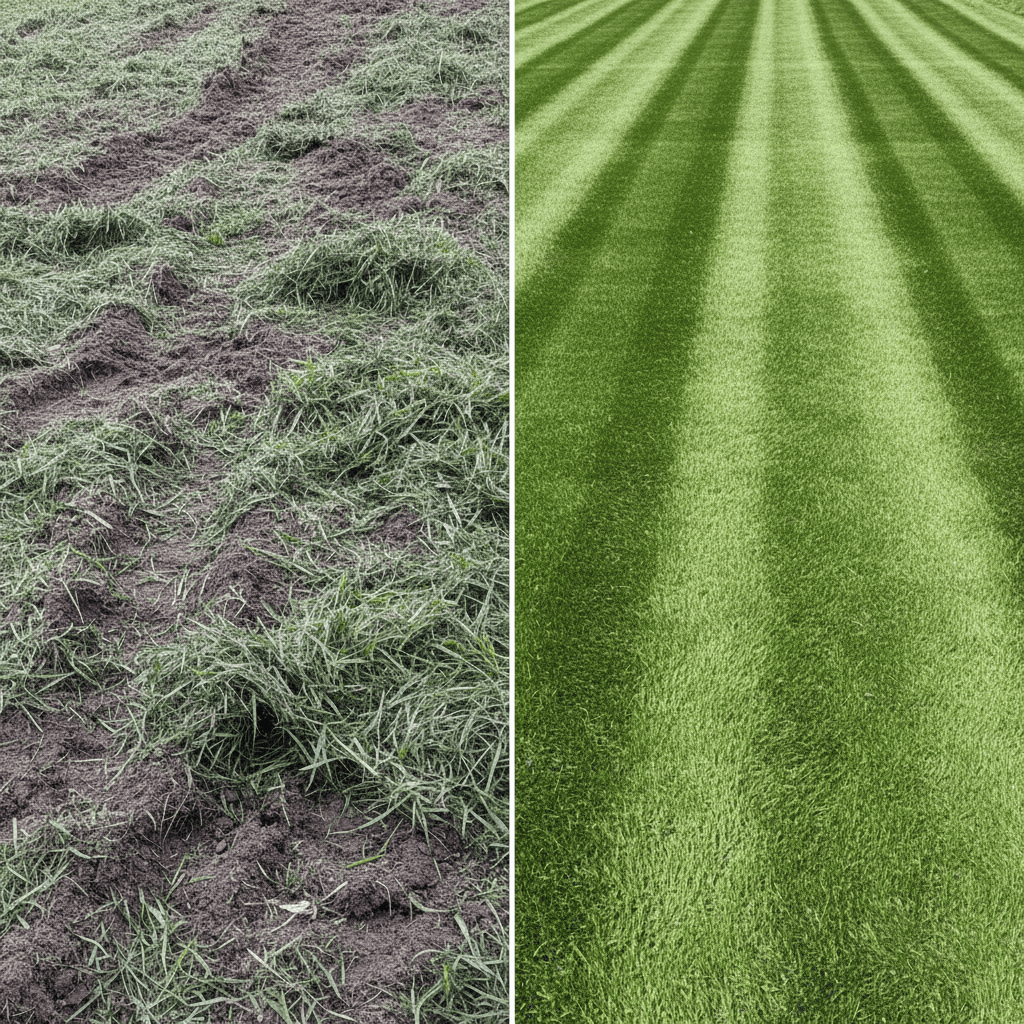
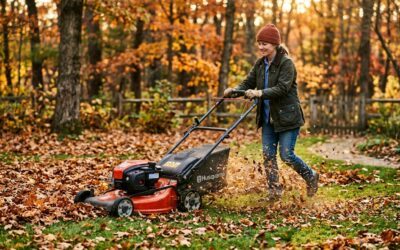
It is generally not recommended to mow a wet lawn. Mowing wet grass can lead to uneven cuts, soil compaction, disease spread, and damage to both your lawn and your mower. However, if you absolutely must mow due to time constraints or weather patterns, you can take specific precautions to minimize damage: wait for the grass to partially dry, use a sharp blade, set your mower to a higher cutting height, mow slowly, and clean the mower deck frequently to prevent clumping.
Why Mowing a Wet Lawn Is Risky
Understanding the risks helps explain why waiting for dry conditions is the best practice.
- Uneven Cuts and Clumping: Wet grass blades bend and stick together, making it difficult for mower blades to cut cleanly. This results in an uneven, ragged appearance and large clumps of clippings that can smother the grass beneath.
- Soil Compaction and Rutting: The added weight of water on the soil makes it more susceptible to compaction from mower wheels. This can create ruts, damage grass roots, and hinder future growth.
- Spread of Lawn Diseases: Mowing wet grass can spread fungal spores and bacteria from one part of your lawn to another, especially if the grass blades are torn rather than cleanly cut.
- Equipment Damage and Safety Hazards: Wet clippings stick to the mower deck and undercarriage, leading to corrosion over time. There is also an increased risk of electrical shock if using an electric mower, and wet conditions can make the ground slippery, increasing the risk of accidents.
Key Factors to Consider Before You Start
If mowing is unavoidable, assess these conditions first.
- Drying Time: The ideal scenario is to wait at least 24-48 hours after rain or heavy dew. If you must mow sooner, wait for the surface moisture to evaporate. The grass should feel dry to the touch, even if the soil is still damp.
- Blade Sharpness: A sharp blade is crucial. It will make cleaner cuts on tough, wet blades, reducing tearing and the spread of disease. Have your blade sharpened or replaced before the mowing season.
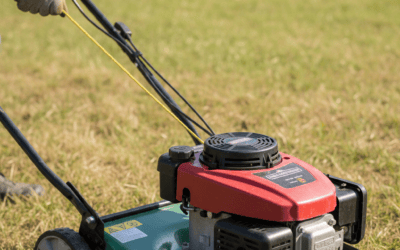
- Mower Type: A gas-powered mower is generally safer than an electric mower for wet conditions due to the risk of electrical shock. Ensure your mower is in good working order.
Step-by-Step Guide to Mowing a Wet Lawn
Follow these steps to mow as safely and effectively as possible when conditions are less than ideal.
- Prepare Your Equipment: Install a freshly sharpened blade. Check the oil and fuel levels for a gas mower.
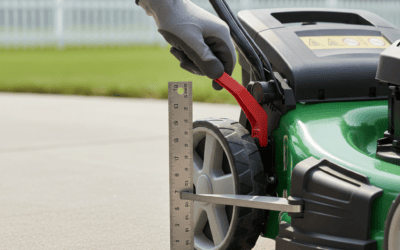
- Set the Mower Height: Raise the cutting deck to one of its highest settings. Cutting more than one-third of the grass blade at a time is stressful for the lawn, and this is especially true when grass is wet.
- Mow Slowly and in Overlapping Rows: Move at a slower pace than usual to allow the blade to cut through the wet grass effectively. Use a pattern that slightly overlaps rows to ensure no strips are missed.
- Clean the Deck Frequently: Stop every few passes to scrape or rinse the underside of the mower deck. Built-up wet clippings reduce cutting efficiency and promote rust.
- Handle Clippings Properly: If clumps are left on the lawn, rake them up to prevent them from blocking sunlight and air to the grass below.
Post-Mowing Care and Cleanup
Proper aftercare helps your lawn recover and maintains your equipment.
- Lawn Care: After mowing, avoid walking on the lawn while it is still wet to prevent compaction. Monitor the lawn for signs of stress or disease in the following days.
- Equipment Maintenance: Thoroughly clean the mower deck, blade, and wheels after mowing wet grass to remove all clippings and moisture. This prevents rust and ensures the mower is ready for next time.
Frequently Asked Questions
Can mowing wet grass damage my lawn mower?
Yes, it can. Wet grass clippings stick to the mower deck and undercarriage, which can lead to corrosion over time. The added moisture can also affect the performance of belts and other moving parts if not cleaned properly.
How long should I wait after rain to mow?
As a general rule, wait at least 24 hours after rain stops. For heavy downpours, you may need to wait 48 hours or longer. The goal is for the grass blades to be dry to the touch, even if the soil beneath is still moist.
Is it better to mulch or bag clippings when the lawn is wet?
Bagging is often better in wet conditions. Mulching wet clippings can lead to large clumps that smother the grass and promote disease. Bagging removes the excess moisture and clumps from the lawn.
What is the best type of mower for wet grass?
A gas-powered rotary mower with a sharp blade is generally the most effective and safest option for wet grass. Avoid using reel mowers, as they can easily clog with wet clippings.