What Is the Correct Angle to Sharpen a Chainsaw Chain?
The standard sharpening angle for most chainsaw chains is between 25 and 35 degrees, measured from the perpendicular to the guide bar. However, the precise angle is not universal; it depends on the specific chain type, the manufacturer’s recommendations, and the intended use. For example, chains designed for cutting softwood typically use a 25-30 degree angle, while chains for hardwood or frozen wood often require a steeper 30-35 degree angle. Always consult your chainsaw’s manual for the exact specification for your model and chain.
Understanding Chainsaw Sharpening Angles
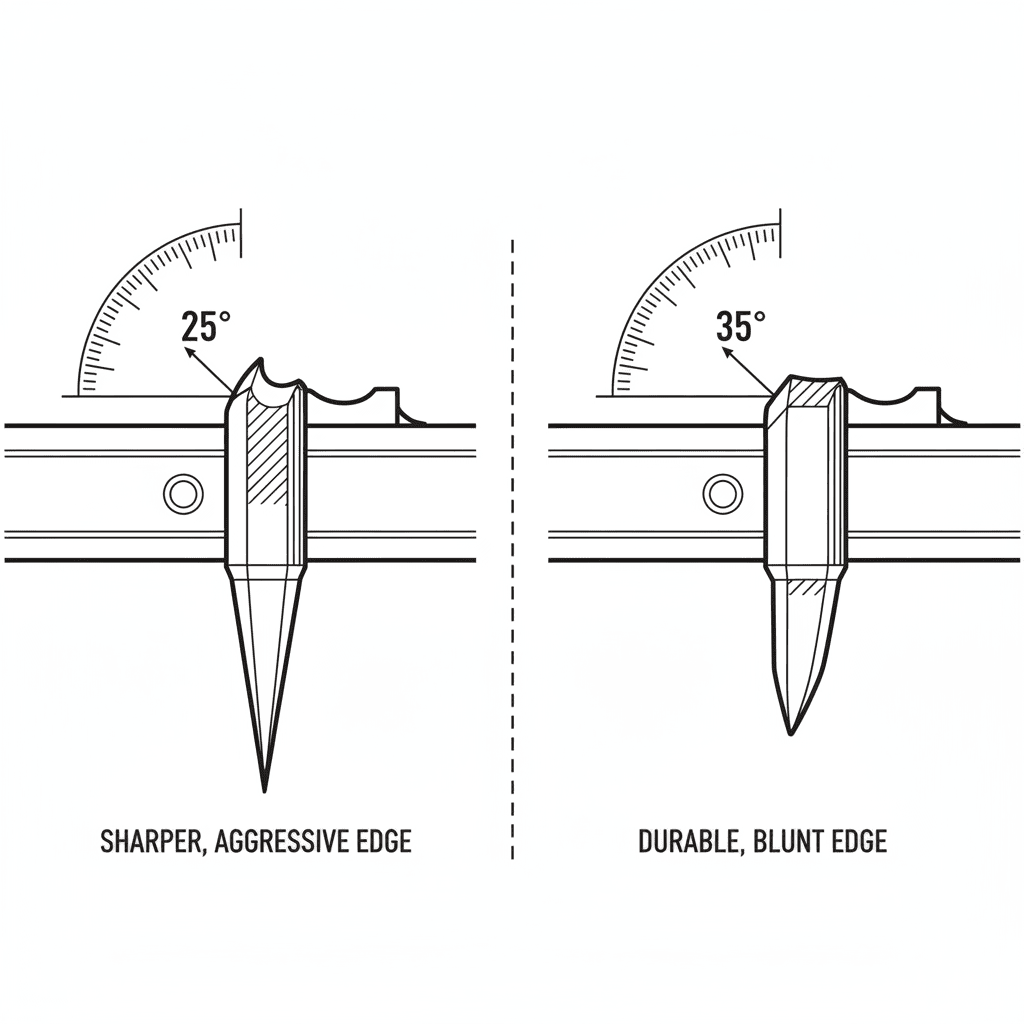
The sharpening angle refers to the angle at which the cutting tooth (cutter) is filed. This is primarily the top plate angle, which is the angle of the cutting edge relative to the guide bar. Getting this angle correct is critical for several reasons:
- Cutting Efficiency: The correct angle ensures the chain cuts smoothly and quickly, reducing effort and fuel consumption.
- Chain Life: An improper angle can cause the cutters to dull prematurely, chip, or break.
- Safety: An incorrectly sharpened chain can increase the risk of kickback, especially if the angle is too steep or uneven.
Key Factors That Determine Your Sharpening Angle
The ideal angle is influenced by several variables. Understanding these will help you determine the right setting for your specific situation.
1. Type of Wood
The hardness of the wood you primarily cut is a major factor. Softer woods like pine or fir are cut more easily and benefit from a slightly shallower angle (25-30 degrees), which creates a sharper, more aggressive edge. Hardwoods like oak or maple, and especially frozen wood, require a steeper, more durable edge (30-35 degrees) to resist dulling and chipping.
2. Manufacturer Specifications
The definitive source for the correct angle is your chainsaw’s owner’s manual or the documentation that came with your replacement chain. Manufacturers design chains with specific grinds for optimal performance. Deviating from these specs can void warranties and lead to poor performance.
3. Intended Use
The task at hand can influence the ideal angle. For general-purpose bucking and felling, the standard 25-35 degree range is appropriate. For specialized tasks like pruning with a smaller saw, a different angle might be specified. Low-kickback or safety chains often have unique cutter geometries and may require a specific angle.
Step-by-Step Guide to Measuring and Setting the Angle
Whether you use a hand file or an electric grinder, setting the correct angle is a precise process.
Using a Hand File and Guide
- Identify the Angle: Look for the angle stamped on the cutter itself or in your manual. Common markings are 25°, 30°, or 35°.
- Set the File Guide: Most file guides have angle markings. Align the guide to the correct degree as specified.
- Position the File: Place the round file into the cutter’s gullet. The file should be perpendicular to the guide bar’s side, but tilted forward to match the top plate angle.
- File with Consistent Strokes: Push the file forward with smooth, even strokes, maintaining the set angle. Typically, 2-3 strokes per tooth are sufficient.
Using an Electric Grinder
- Consult the Grinder Manual: Different grinders have different calibration methods.
- Set the Angle Dial: Adjust the grinder’s angle setting to match your chain’s specification.
- Secure the Chain: Place the chain in the grinder’s vise, ensuring it is level and secure.
- Make Light Passes: Grind with light, controlled passes to avoid overheating the metal, which can weaken it.
Common Sharpening Angles for Different Chain Types
While you must verify with your manual, here are general guidelines:
| Chain Type / Use Case | Recommended Top Plate Angle | Notes |
|---|---|---|
| General-Purpose (Softwood) | 25° – 30° | Provides a sharp, aggressive cut for fast work in softer materials. |
| Hardwood / Frozen Wood | 30° – 35° | Creates a more durable edge that resists dulling and chipping. |
| Low-Kickback / Safety Chain | Varies (Often 25° – 30°) | Designed with specific safety features; always use the manufacturer’s specified angle. |
| Carving / Specialty | Varies Widely | Depends on the specific cutter design for detailed work. |
Tips for Maintaining Consistent Angles and Avoiding Mistakes
- Uniform Strokes: Use the same number of filing strokes (e.g., 2-3) for each tooth to keep the chain balanced.
- Check for Symmetry: After sharpening, compare the left and right cutters. They should look identical in size and angle.
- Watch for Signs of Error: If the saw pulls to one side during a cut, it often indicates uneven sharpening or an incorrect angle on one side.
- Reset Your Guide Frequently: When using a file guide, check its alignment against a known angle before starting and periodically during the job.
Frequently Asked Questions
What is the difference between the top plate angle and the side plate angle?
The top plate angle is the angle of the cutter’s top edge relative to the guide bar and is the primary angle you set when sharpening. The side plate angle is the angle of the cutter’s side edge. Both are important for the cutter’s geometry, but the top plate angle is the one most commonly adjusted during routine sharpening with a file or grinder.
Can I use the same angle for all my chainsaws?
No. Different chainsaws and different chains (even from the same brand) can have different specifications. A chain for a 16-inch homeowner saw may require a different angle than a chain for a 24-inch professional saw. Always check the manual or chain packaging for each specific chain.
What happens if I sharpen at the wrong angle?
Sharpening at an incorrect angle can lead to several problems: the chain may cut slowly or unevenly, it may dull very quickly, it can increase the risk of the chain pulling to one side, and in some cases, it can increase the potential for dangerous kickback.
How do I know if my chain is too worn to sharpen?
Signs that a chain may need replacement instead of sharpening include: cutters that are visibly chipped or broken, the depth gauges (rakers) being filed down too low, or the chain being stretched beyond the adjustment range of the saw’s tensioning system.