Do New Mower Blades Come Pre-Sharpened?
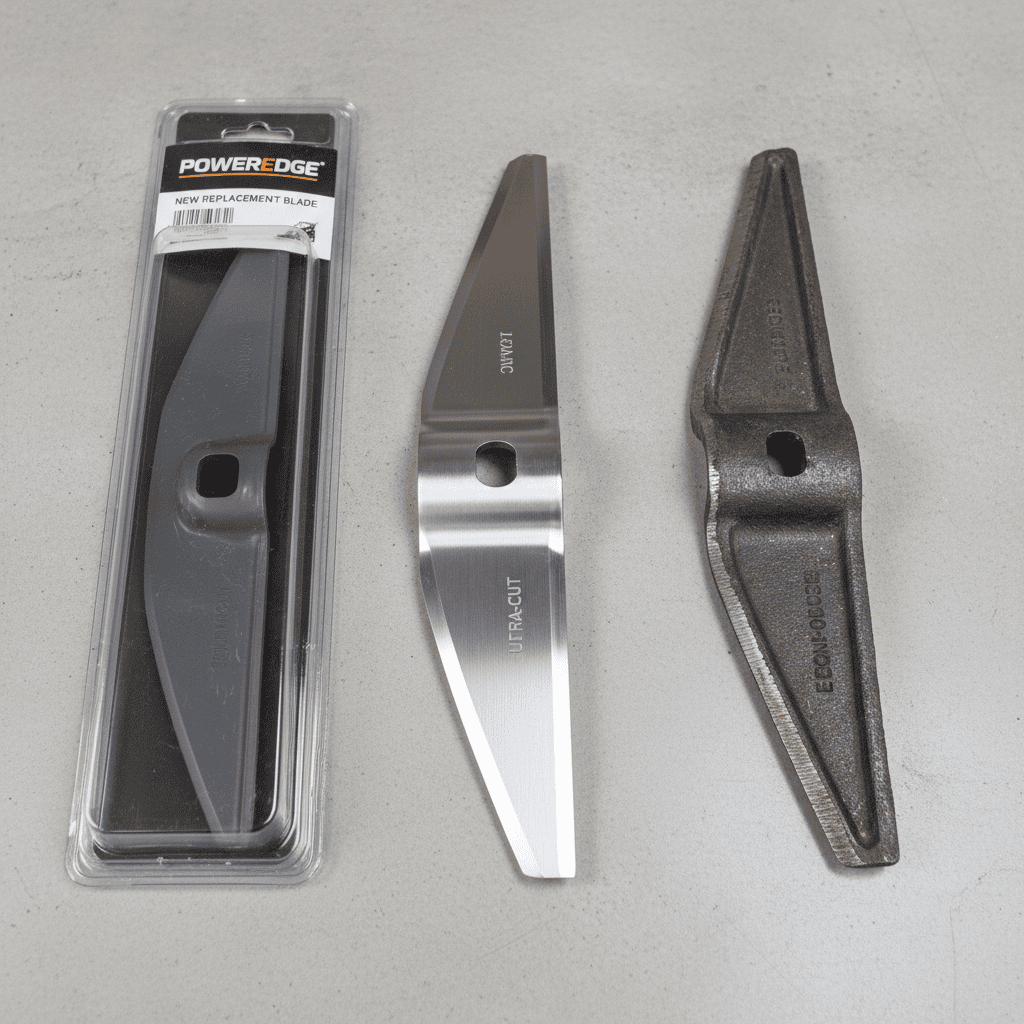
Most new mower blades arrive pre-sharpened from the manufacturer and are ready to use without additional sharpening. However, blade sharpness varies significantly depending on the manufacturer, blade type, and price tier. Budget-tier blades may arrive with lower initial sharpness or dull quickly during shipping and storage, while premium blades typically maintain adequate factory sharpness for immediate use. Inspecting new blades before installation is a prudent step to confirm cutting performance meets your expectations.
Understanding Factory Blade Sharpness Standards
What Manufacturers Typically Consider “Sharp”
Most lawn mower blade manufacturers sharpen blades to a factory edge angle of approximately 30 to 45 degrees, though specifications vary. This angle is designed to balance cutting efficiency with durability and safety. A factory-sharpened blade should cleanly cut grass without tearing or crushing the blade, leaving a neat edge rather than a ragged one.
The challenge is that “factory-sharpened” doesn’t follow a universal standard across manufacturers. Premium brands like Gator and Toro maintain tighter quality control and sharper edge angles, while budget store-brand blades may prioritize cost reduction over initial sharpness.
How Price Tier Affects Initial Sharpness
Budget blades (typically under $15 per blade) are more likely to arrive dull or with inconsistent edge quality. Manufacturers at this price point may:
- Use lower-quality steel that dulls more easily
- Apply less precision during the sharpening process
- Ship blades with protective coatings that can interfere with initial cutting performance
Mid-range blades ($15–$30) generally arrive adequately sharp and perform well for most homeowners. Premium blades ($30+) typically maintain superior factory sharpness and edge retention through multiple mowing seasons.
How to Inspect New Blades Before Installation
Visual Inspection for Sharpness
Before installing new blades, perform these simple checks:
- Examine the edge under light: A properly sharpened blade edge should appear thin and catch light evenly. A dull blade will have a thick, rounded edge that reflects light noticeably.
- Run your thumb carefully across the blade edge (parallel, never perpendicular): A sharp blade will catch slightly on your skin; a dull blade will feel smooth. Exercise extreme caution—mower blades are dangerous even when dull.
- Check for damage: Look for chips, cracks, bends, or rust that may indicate shipping damage or improper storage.
- Inspect both edges: Mower blades are double-edged; both sides should be equally sharp.
Functional Cutting Test
The most reliable way to assess sharpness is a practical test:
- Install the new blade on your mower
- Mow a small test area (10–15 feet) on healthy grass
- Examine the cut grass: A sharp blade produces clean cuts with minimal fraying at the leaf edge. A dull blade leaves torn, ragged grass that appears brown or white at the tips within 24 hours
- If grass appears torn, stop and sharpen or replace the blade before continuing
This test takes minimal time and provides definitive evidence of blade performance.
When New Blades May Need Pre-Use Sharpening
Budget Blades and Store Brands
If you’ve purchased blades from a general hardware store, discount retailer, or online marketplace at unusually low prices, pre-use sharpening is more likely to be necessary. These manufacturers prioritize cost efficiency and may not sharpen blades to the same standard as premium brands.
Blades Damaged During Shipping or Storage
Mower blades can become dulled or damaged if:
- They were stored in humid conditions, causing rust or corrosion
- The packaging was damaged during transit
- Blades were stored long-term without protective coating or dry storage
- The blade was dropped or bent during handling
If you suspect shipping damage or extended warehouse storage, inspect the blade more carefully and test it before relying on it for regular mowing.
Blade Type Variations
Different blade types may have varying factory sharpness standards:
- Standard blades: Typically arrive sharp and ready for use
- Mulching blades: Have a curved design and may require slightly different sharpness standards; inspect the curved edges carefully
- High-lift blades: Designed for superior airflow; sharpness is critical to performance, so inspect thoroughly
- Gator blades (hybrid design): Combine cutting and mulching; factory sharpness is essential to their function
Best Practices for New Blade Installation
Pre-Installation Checklist
Before installing new blades:
- Disconnect the spark plug wires to prevent accidental starting
- Clean the blade spindle area to remove old grass and debris
- Verify blade compatibility with your mower model and deck size
- Check the rotation direction (some blades are directional)
- Ensure blades are balanced; unbalanced blades cause vibration and uneven cutting
After Installation
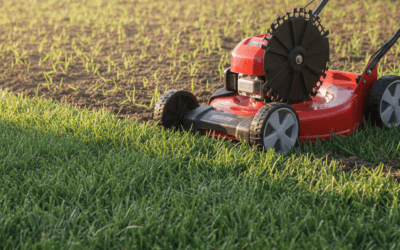
Run your mower on a small test patch before full operation. Listen for unusual vibration or rattling, which can indicate improper installation or blade imbalance. If the first test cut shows torn or ragged grass, stop immediately and reassess blade sharpness.
Blade Maintenance After First Use
Expected Lifespan of Factory Sharpness
Factory-sharpened blades typically maintain adequate sharpness for 20 to 40 hours of mowing under normal conditions, depending on grass type, lot size, and blade quality. Tougher or drier grass, sandy soil, and frequent mowing reduce this timeline.
Signs Your Blade Needs Sharpening
After initial use, watch for these indicators:
- Grass appears torn or ragged at the tips
- The mower requires noticeably more engine power to cut the same grass
- You notice brown or white discoloration on cut grass tips within 24 hours
- The mower vibrates more than usual during operation
Sharpening Frequency and Blade Replacement
Most residential mowers benefit from blade sharpening every 20–30 hours of use. However, if blades become chipped, bent, or develop cracks, replacement is safer and more cost-effective than sharpening. Professional blade sharpening services typically cost $10–$20 per blade and require 1–2 days turnaround.
Frequently Asked Questions
Do all new mower blades come pre-sharpened?
Most do, but sharpness standards vary by manufacturer. Premium brands like Toro, John Deere, and Gator typically arrive sharp and ready for use. Budget or store-brand blades may arrive dull or with lower initial sharpness. Inspecting and testing new blades is the most reliable way to confirm readiness.
How can I tell if a new blade is too dull before installation?
Examine the edge under bright light—a sharp edge appears thin and even, while a dull edge looks thick and rounded. Carefully run your thumb parallel to the edge (never perpendicular) to feel for sharpness. The functional cutting test on a small grass patch is the most definitive method.
Should I sharpen new blades preemptively?
Only if you’ve purchased very low-cost blades or suspect shipping damage. Premium or mid-range blades from reputable manufacturers typically arrive adequately sharp. Unnecessary pre-use sharpening can alter the original angle and reduce blade lifespan. Test first; sharpen only if needed.
How often should I sharpen mower blades after the first use?
Most residential blades need sharpening every 20–40 hours of mowing under normal conditions. Inspect blades for dullness every 4–6 weeks during mowing season. High-use or commercial mowers may require more frequent sharpening. If blades become chipped or bent, replacement is typically more practical than sharpening.