Do New Lawn Mower Blades Need to Be Sharpened?
Most new lawn mower blades arrive pre-sharpened from the manufacturer and are ready to use immediately. However, sharpness varies significantly depending on the brand and blade quality—premium blades often come razor-sharp, while budget options may be noticeably duller. Many experienced users choose to sharpen new blades before installation to ensure optimal cutting performance and a cleaner cut from the first use, even though it’s technically not required.
Are New Lawn Mower Blades Pre-Sharpened?
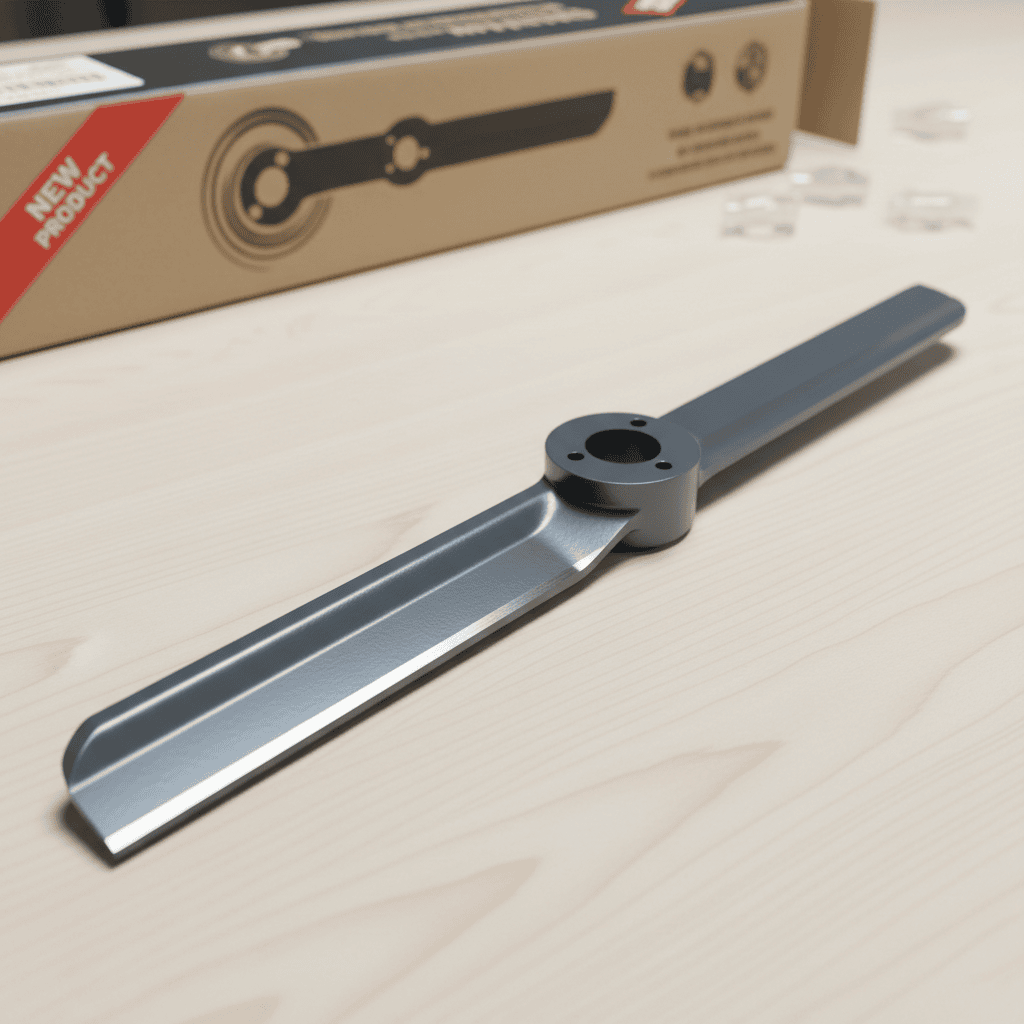
Yes, most lawn mower blade manufacturers do pre-sharpen blades before shipping. This factory sharpening is standard practice across the industry, regardless of price point. The goal is to deliver blades in a functional, ready-to-use condition so customers can install them immediately without additional preparation.
However, “pre-sharpened” doesn’t always mean “optimally sharp.” Manufacturers balance production efficiency with cost, so the sharpening quality reflects these constraints. Factory sharpening is designed to meet minimum performance standards—blades will cut grass, but they may not deliver the precision or cleanliness you’d get from professional sharpening.
The typical condition of blades out of the box is functionally sharp enough for immediate use. You can install a new blade and mow your lawn without additional preparation. Most homeowners will see acceptable results without pre-sharpening.
Factors That Affect New Blade Sharpness
Blade quality and price point are the primary factors determining how sharp a new blade actually is. Premium blades from established manufacturers typically arrive sharper and better finished than economy options. The manufacturing process, steel quality, and finishing techniques all influence the sharpness level you receive.
Different mower brands have different quality standards. Some brands prioritize sharp blades as part of their value proposition, while others treat sharpening as a minimal requirement. OEM (Original Equipment Manufacturer) blades from major mower producers often arrive sharper than universal replacement blades from third-party suppliers.
Storage and shipping conditions rarely affect blade sharpness significantly. Blades are typically protected during transit, and the edge doesn’t dull appreciably from standard handling or storage. The sharpness level you receive from the box is essentially the factory standard.
You can assess blade sharpness visually by examining the edge under good light. A properly sharp blade appears as a thin, continuous line with no visible dull spots or gaps. A dull blade shows a thicker edge with a visible rounded or flat surface. The “paper test”—carefully running your thumb across the edge—can indicate sharpness, though this requires caution and isn’t foolproof.
When You Should Sharpen a New Blade Before Installation
Pre-sharpening a new blade before installation offers several benefits, though none are absolutely necessary. A freshly sharpened blade delivers a cleaner cut, reducing ragged grass tips that can stress the plant and invite disease. The difference is most noticeable on sensitive grasses or when you prioritize lawn appearance.
Pre-sharpening also extends the time until your next sharpening is needed. A blade that starts sharper remains at acceptable sharpness levels longer than one starting at factory-minimum sharpness. This can delay maintenance by 2-4 weeks depending on mowing frequency and lawn conditions.
Pre-sharpening is unnecessary if you purchased a premium blade from a reputable manufacturer known for quality sharpening, or if you’re simply looking for functional cutting performance without concern for cutting quality. Many casual homeowners never pre-sharpen and see no issues.
The relationship between blade sharpness and cutting results is direct: sharper blades produce cleaner cuts, duller blades produce ragged, torn edges. A dull blade causes visible damage to grass tips—they appear brown or white within hours of mowing as the plant tissue desiccates at the torn edge. This stress weakens the grass, invites fungal issues, and degrades lawn appearance.
How to Check If Your New Blade Needs Sharpening
Visual inspection is the first assessment method. Look at the blade edge under bright light. A sharp edge appears as a thin, dark line with no visible gaps, flatness, or rounding. A dull edge shows a thick, rounded surface, sometimes with visible light reflection off the flat top. Budget blades often display obvious dullness even when new.
The paper-cutting test provides a practical field assessment. Hold a sheet of paper vertically and carefully attempt to cut downward through it with the blade edge. A sharp blade cuts cleanly through paper with minimal resistance. A dull blade either fails to cut paper or tears and crumples it. This test is safer than thumb-testing and gives clear results.
After installation, observe your first mowing. Sharp blades produce clean cuts with uniform grass length. Poor cutting performance appears as uneven cuts, ragged grass tips, or the mower struggling to cut through grass that it normally handles easily. If you notice these issues, sharpening (or blade replacement) is warranted.
Best Practices for New Blade Installation and Maintenance
Timing depends on your preference. Some users sharpen before installation to ensure optimal performance from day one. Others install new blades as-is and only sharpen if cutting performance degrades. Both approaches work; the choice depends on whether you prioritize maximum cutting quality or convenience.
Lawn mower blades typically need sharpening every 20-50 hours of mowing time, depending on lawn conditions, grass type, and cutting quality standards. Hard, rocky soil dulls blades faster than soft, loamy soil. Frequent mowers may sharpen every 4-8 weeks during growing season; casual mowers might sharpen twice per season or less.
Sharpening requires basic tools: a metal file (10-inch bastard cut or similar), a secure way to hold the blade, proper eye protection, and a way to measure blade balance. Many homeowners use a rotary tool with sharpening attachments or professional sharpening services. Professional sharpening typically costs $10-20 per blade and ensures balanced, consistent results.
Replacement is preferable to sharpening when blades are bent, cracked, chipped, or heavily pitted. Damaged blades can’t be reliably sharpened and pose safety risks. Replace damaged blades immediately rather than attempting repair.
Frequently Asked Questions
Can I use a brand new lawn mower blade right out of the box without sharpening?
Yes, you can use a new blade immediately without additional sharpening. Factory-pre-sharpened blades are ready to install and will cut grass effectively. However, the cutting quality may not be optimal, especially if you purchased a budget blade or have quality-sensitive grass. Many users sharpen new blades anyway to maximize cutting performance from the start, but it’s optional rather than required.
How can I tell if my new blade is dull before installing it?
Examine the blade edge visually under bright light—a sharp edge appears thin and dark, while a dull edge looks thick and rounded. The paper-cutting test is more conclusive: hold paper vertically and attempt to cut through it. A sharp blade cuts cleanly; a dull blade tears or fails. You can also compare your new blade to an older, known-sharp blade if you have one for reference.
Is it worth sharpening a new blade before using it?
It depends on your priorities. Pre-sharpening delivers cleaner cuts, extends the blade’s useful life, and improves lawn appearance—benefits most noticeable on quality-conscious homeowners with healthy turf. If you prioritize convenience over cutting perfection, or purchased a premium blade, pre-sharpening may be unnecessary. For budget blades, pre-sharpening often delivers worthwhile improvement in cutting quality.
Does blade quality affect how sharp new blades arrive?
Yes, significantly. Premium blades from reputable manufacturers typically arrive much sharper than economy blades. Higher-quality steel, better finishing processes, and stricter quality control result in sharper factory edges. If cutting quality matters to you, purchasing a higher-quality blade often reduces or eliminates the need for pre-sharpening, since premium blades start at a higher sharpness standard.
Conclusion
New lawn mower blades are pre-sharpened and ready to use immediately, making pre-sharpening optional rather than mandatory. However, sharpness varies by manufacturer and blade quality, and many users find that pre-sharpening before installation delivers noticeably better cutting performance. Assess your new blade using visual inspection or the paper-cutting test, consider your quality standards and lawn conditions, and sharpen before installation if improved cutting quality justifies the effort. For routine maintenance, plan to sharpen blades every 20-50 hours of mowing, and replace rather than sharpen any blade that’s bent, cracked, or heavily damaged.