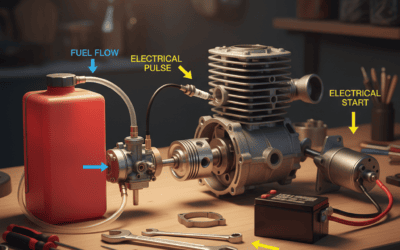
Quick Answer: To start a Briggs and Stratton lawn mower, first check that you have fresh fuel, adequate oil, and a connected spark plug wire. Set the choke to the full choke position for cold starts, engage the primer bulb 3–5 times if equipped, position the throttle to fast, and pull the starter cord with a firm, quick motion. For warm starts, use half-choke or no-choke depending on engine temperature.
Pre-Start Checks Before Attempting to Start
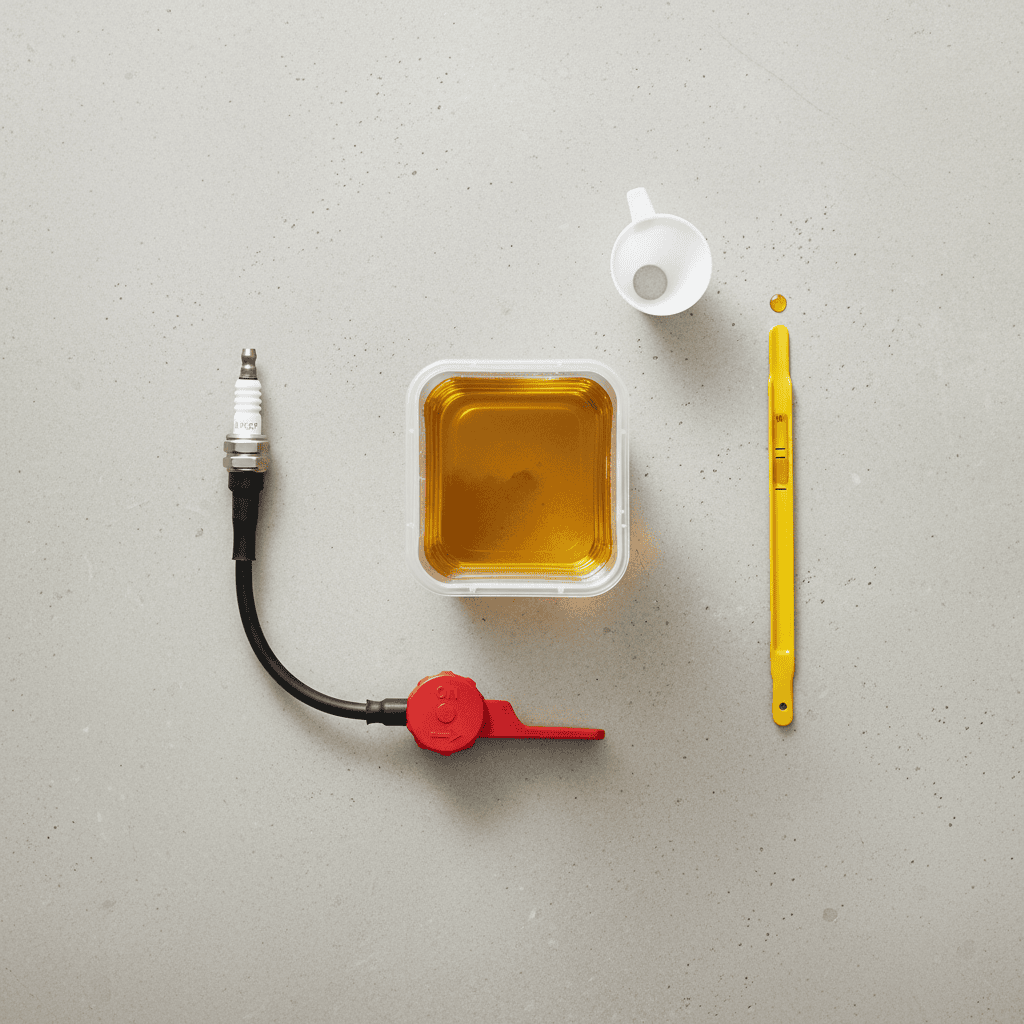
Before you attempt to start your Briggs and Stratton lawn mower, taking a few minutes to perform pre-start inspections can prevent frustration and engine damage. These checks ensure the mower is safe to operate and ready to start reliably.
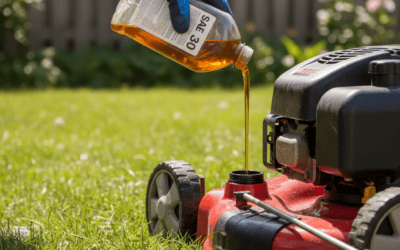
- Fuel Level and Freshness: Verify that the fuel tank contains fresh gasoline. Briggs and Stratton engines can develop starting problems when using fuel older than 30 days, as it degrades and leaves varnish deposits in the carburetor.
- Oil Level: Check the oil dipstick or sight glass to ensure the oil level is adequate. Running an engine with low oil can cause hard starting and internal damage.
- Spark Plug Wire: Confirm the spark plug wire is firmly connected to the spark plug terminal. A loose or disconnected wire prevents ignition and is one of the most common reasons mowers won’t start.
- Fuel Valve Position: If your mower has a manual fuel valve, turn it to the on position. Some models have automatic valves and don’t require this step.
- Visual Inspection: Look for any obvious damage, loose bolts, or debris around the engine that could interfere with operation.
Understanding the Choke and Its Role in Starting
The choke is a critical control that restricts airflow to the carburetor, enriching the fuel mixture for easier starting. Understanding when and how to use the choke separates successful starts from repeated pulling and frustration.
How the Choke Works: When the choke is set to the full choke position, it limits air intake, creating a rich fuel mixture that ignites more readily in cold conditions. As the engine warms up, less choke is needed because warming fuel vaporizes more readily.
Cold Start vs. Warm Start Positioning:
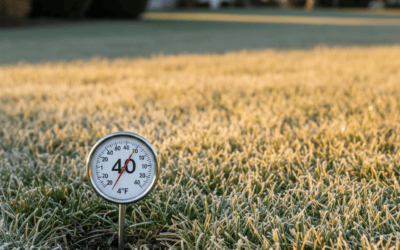
- Cold Start (engine below 50°F): Use full choke for the initial pull. After the first attempt, move the choke to half-choke for the next 3–4 pulls. Once the engine fires, you may need to adjust the choke position to keep it running smoothly.
- Warm Start (engine still warm from recent use): Use half-choke or no-choke, depending on how recently you ran the engine. An engine that was running just minutes ago may start with the choke completely off.
- Transition to Running: Once the engine starts and idles, gradually move the choke lever toward the open position as the engine temperature rises. Leaving the choke on full position while running can cause the engine to run too rich and stall.
Step-by-Step Cold Start Procedure for Briggs and Stratton Engines
A cold start requires more preparation than a warm start because the fuel doesn’t vaporize as easily in a cold engine. Follow these steps in sequence for the best results.
Step 1: Prime the Engine (If Equipped)
Many Briggs and Stratton engines include a primer bulb located on the side of the carburetor. This bulb forces fuel directly into the carburetor, eliminating the need to pull the starter cord multiple times on a cold day.
- Locate the rubber primer bulb on the carburetor housing.
- Press the bulb 3–5 times with a firm, deliberate motion. You should feel slight resistance as fuel fills the carburetor.
- Do not over-prime; excess fuel can foul the spark plug or leak into the crankcase.
Step 2: Set the Choke to Full Choke
Locate the choke lever on the engine (usually on the side or top of the carburetor). Move it firmly to the full choke position. This step is critical for cold engines and should not be skipped.
Step 3: Set the Throttle to Fast
Move the throttle control lever to the fast (maximum) position. This supplies adequate fuel volume to the engine during starting. Once the engine is running, you can adjust throttle down if desired.
Step 4: Pull the Starter Cord with a Firm, Quick Motion
Grip the starter cord handle and pull it straight toward you with one continuous, swift motion. Do not jerk; use a steady, firm pull that fully extends your arm. The goal is to rotate the engine fast enough for the spark plug to fire.
- On the first pull, the engine may not start. This is normal.
- Allow the recoil spring to return the cord fully before pulling again.
- Typically, a cold engine requires 3–6 pulls before starting. If after 6 pulls the engine hasn’t fired, stop, wait 1–2 minutes, and repeat the sequence.
Step 5: Listen for the Engine to Fire and Transition the Choke
Once the engine starts, immediately move the choke lever to the half-choke position to prevent the engine from stalling. As the engine runs for 10–30 seconds, it will warm up, and you can gradually move the choke toward the open position. If the engine dies, move the choke back to full and resume pulling the starter cord.
Warm Start Procedure and Differences
Restarting an engine that has been running and is still warm is significantly simpler than a cold start. The fuel in a warm carburetor vaporizes readily, requiring less choke and primer bulb engagement.
Warm Start Steps:
- Set the choke to half-choke or the open position (no choke), depending on how long the engine has been idle.
- Skip priming; the carburetor already contains fuel from the previous run.
- Set the throttle to fast.
- Pull the starter cord 1–2 times.
- Once started, adjust the choke fully open if you hadn’t already.
A warm engine should start on the first or second pull. If it doesn’t, this signals a potential problem such as a fouled spark plug, dirty carburetor, or stale fuel.
Common Starting Problems and Troubleshooting
Even after following the correct starting procedure, certain issues can prevent your Briggs and Stratton engine from starting. Understanding the cause helps you fix it quickly.
Engine Won’t Turn Over at All (Starter Cord is Stuck)
If the starter cord doesn’t move or feels locked, do not force it. This usually indicates internal damage or a hydraulic lock (fluid trapped in the cylinder).
- Check that the blade or drive system is not jammed.
- Remove the spark plug wire to eliminate compression resistance.
- Try pulling the starter cord again. If it still won’t move, the engine may require professional service.
Engine Cranks But Won’t Start After Multiple Pulls
If the starter cord pulls smoothly but the engine refuses to fire after 10–12 pulls, the issue is typically fuel or spark related.
- Check Spark: Remove the spark plug and inspect the electrode gap and color. A heavily fouled plug (black and wet) suggests fuel flooding. A dry, tan-colored plug suggests no fuel is reaching the cylinder.
- Inspect Fuel: Smell the fuel tank. Stale or contaminated fuel can prevent starting. Consider draining the tank and filling with fresh gasoline.
- Verify Fuel Flow: Locate the fuel line and ensure it isn’t pinched, cracked, or disconnected. Fuel must flow freely from the tank to the carburetor.
Engine Starts But Won’t Stay Running (Dies Immediately)
If the engine fires briefly and then stalls, the choke position is often the culprit.
- Move the choke gradually toward the open position as the engine runs. A mower left on full choke will run rich and die.
- Alternatively, if the spark plug is fouled, it may fire once but lack the consistency to sustain combustion. Cleaning or replacing the spark plug often resolves this issue.
Hard Starting (Requires Excessive Pulling)
Hard starting—when the engine eventually starts but takes 15+ pulls—often signals a carburetor issue or weak spark.
- Carburetor Varnish: Fuel left in the carburetor for weeks can leave varnish deposits that block fuel passages. Using fresh fuel and occasionally running a fuel stabilizer can prevent this.
- Worn Spark Plug: A spark plug that is several years old may produce a weaker spark. Replacement is inexpensive and often solves hard-starting problems.
- Air Filter: A dirty air filter restricts airflow and can make starting more difficult. Check and replace the air filter if visibly clogged with dust or grass.
Key Differences by Mower Type and Engine Configuration
While all Briggs and Stratton engines follow the same basic starting principles, certain variations exist based on engine design and mower type.
Horizontal-Shaft vs. Vertical-Shaft Engines
Horizontal-shaft engines (typically found on push mowers) and vertical-shaft engines (often in riding mowers) use the same starting procedure. The orientation does not change the fundamental steps of priming, choke positioning, and pulling the starter cord. However, vertical-shaft engines may have the choke or primer bulb positioned differently on the engine block, so consult your mower’s manual for exact control locations.
Newer vs. Older Briggs and Stratton Engines
Modern Briggs and Stratton engines (manufactured in the last 10 years) often feature easier-starting designs such as automated choke systems or electronic ignition, which require fewer pulls than older engines. Regardless of age, the core principle of setting choke, priming when equipped, and pulling firmly remains unchanged. Always refer to your specific mower manual, as some newer models may omit the primer bulb entirely.
Carburetor Type Variations
Briggs and Stratton uses different carburetor models across its engine lineup. Some carburetors include a primer bulb; others rely on a manual choke alone. A few premium models feature a semi-automatic choke that adjusts as the engine warms. Regardless of carburetor type, the starting sequence—choke, throttle, cord pull—remains consistent.
Essential Tips for Reliable Starting
- Use Fresh Fuel: Store gasoline in a cool, dry place and replace fuel in the mower’s tank every 30 days during off-season storage. Old fuel causes most hard-starting and no-start issues.
- Maintain Oil Levels: Low oil causes difficult starting and engine wear. Check the oil level monthly during mowing season.
- Replace Spark Plugs Annually: A new spark plug costs $5–$10 and eliminates many starting headaches. Replace it once yearly or if the mower is hard to start.
- Clean or Replace Air Filters: A clogged air filter makes starting harder and reduces engine power. Check and replace the filter every 50 hours of operation.
- Store with Stabilized Fuel: If storing the mower for winter, run a fuel stabilizer through the carburetor or drain the tank completely to prevent varnish buildup.
Frequently Asked Questions
How many times should I prime a Briggs and Stratton lawn mower engine?
Engage the primer bulb 3–5 times with firm, deliberate presses. Each press fills the carburetor with a small amount of fuel. Pressing more than 5 times can flood the carburetor and prevent starting. If you’ve over-primed, remove the spark plug wire, pull the starter cord 5–6 times to clear excess fuel, and then try starting with proper priming.
Do I need to prime the engine for a warm start?
No. If the engine was running within the last 30 minutes, skip priming. The carburetor already contains residual fuel from the previous run. Priming a warm engine can flood it and prevent starting.
Why does my Briggs and Stratton mower start when cold but not when warm?
This typically indicates a carburetor issue, often varnish buildup inside the fuel passages. Stale fuel left in the carburetor over weeks or months creates sticky deposits that block fuel flow when the engine is warm and trying to restart. The solution is to drain stale fuel, refill with fresh gasoline, and run the engine until the fresh fuel clears the carburetor. A carburetor cleaning may be necessary if the problem persists.
What should I do if the starter cord breaks or becomes difficult to pull?
A broken starter cord requires replacement, which typically costs $20–$40 and takes 15–30 minutes. If the cord pulls hard but hasn’t broken, the issue is usually internal engine friction or a stuck component. Do not force the cord; instead, remove the spark plug wire and try pulling again to eliminate compression resistance. If the cord still won’t move freely, have the engine inspected by a service professional.