How to Clean Your Lawn Mower: Quick Answer
To clean your lawn mower, start by disconnecting the spark plug wires for safety, then remove loose grass and debris from the deck using a brush or plastic scraper. Clean or replace the air filter, wipe down the exterior housing, and clear buildup from the undercarriage. For gas mowers, drain old fuel or run the engine empty before storage. For electric mowers, focus on exterior cleaning and battery maintenance. Regular cleaning after each use prevents rust, improves cutting performance, and extends your mower’s lifespan by years.
Safety First: Pre-Cleaning Preparation
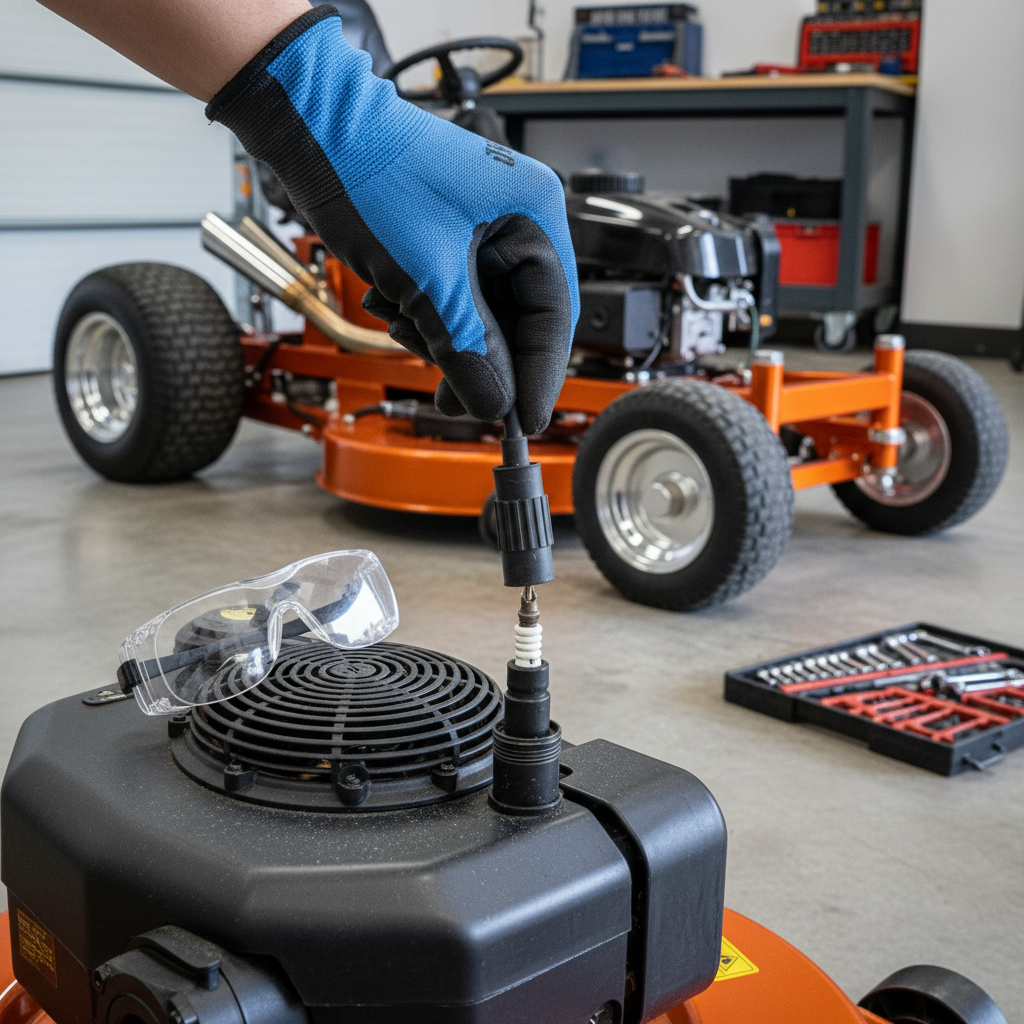
Before you touch any part of your mower, safety must come first. Grass cutting involves sharp, fast-moving blades and potentially hazardous fuel systems—both dangerous if proper precautions aren’t taken.
Disconnect the spark plug wires immediately. This is the single most critical step. Even if the engine is off, a accidental pull of the starter cord could turn the blades and cause serious injury. Locate the wire(s) connected to the spark plug, grasp the boot (not the wire itself), and pull firmly to disconnect. On some models, you may see two wires for dual-plug engines.
Allow the engine to cool. If you’ve just finished mowing, wait at least 30 minutes before cleaning. The deck, engine, and fuel system can reach temperatures exceeding 200°F and cause burns. A cooled mower is also safer to work around—hot components can ignite fuel vapors or loose debris.
Wear appropriate protective gear. Use heavy-duty work gloves to protect against sharp grass blades and metal edges. Safety glasses protect your eyes from flying debris, and long sleeves prevent cuts. For pressure washing, wear closed-toe shoes and long pants.
Work in a well-ventilated area. If you’re draining fuel or working on gas systems, operate outdoors or in a garage with the door open. Fuel fumes are toxic and flammable.
Removing Grass Buildup from the Deck
Grass clippings and debris accumulate underneath the mower deck during operation, compacting into thick, wet clumps. This buildup reduces air circulation, promotes rust, increases cutting resistance, and strains the motor.
Use the right tools. A plastic scraper or putty knife works well for removing compacted grass without damaging the deck. Avoid metal tools that can gouge the surface and expose bare metal to rust. A stiff-bristled brush helps dislodge stubborn debris. For thick buildup, soak the area with water first to soften the grass.
Tip the mower carefully. To access the undercarriage, you’ll need to tip the mower on its side. For push mowers with horizontal engines, tip toward the engine side—never tip toward the carburetor side, as oil can leak into the fuel system. For vertical-engine mowers, tip in any direction, but check your manual. Secure the mower so it doesn’t roll during cleaning.
Clean between the blade and deck. Grass frequently gets wedged in tight spaces. Use a brush handle or wooden stick to reach between components. Never use your fingers in these areas.
Don’t use a pressure washer on the deck alone. High-pressure water can force debris into bearings, damage seals, and corrode metal surfaces. If you use a pressure washer, keep the nozzle at least 12 inches away and use a wide-angle spray at low pressure (under 1500 PSI). Avoid spraying directly at the engine, carburetor, air filter, or undercarriage vents.
Clean after every use during mowing season. Dried grass is harder to remove than fresh clippings. A quick 5-minute cleanup after each mowing session prevents buildup and keeps your mower in top condition.
Cleaning and Maintaining the Air Filter
The air filter prevents dust and debris from entering the engine, where they cause wear and reduce efficiency. A dirty air filter forces the engine to work harder, burns more fuel, and produces more emissions.
Locate your air filter. On push mowers, it’s usually near the top of the engine under a plastic cover. Riding mowers often have filters under a hood or side panel. Check your manual if you’re unsure.
Understand your filter type. Foam filters are reusable and washable—they’re common on small gas engines and some electric mowers. Paper filters are disposable and more effective at fine filtering—they’re standard on larger engines. Some mowers have dual filters with both foam and paper elements.
For foam filters: Tap out loose dust over a trash can, then rinse gently under cool running water until the water runs clear. Squeeze gently—don’t wring or compress forcefully, as this damages the foam. Allow it to air-dry completely before reinstalling. You can apply a light coat of foam filter oil (sold at mower shops) to improve filtration, but this is optional.
For paper filters: Tap out loose dust over a trash can. If the filter is lightly soiled, you can gently brush it with a soft brush to remove surface dust. Never wash paper filters or expose them to water. If heavily clogged or damaged, replace it with a new filter of the same model number.
Service your filter regularly. Check the air filter before each mowing season and every 50 hours of use. In dusty conditions, check more frequently. Replace foam filters every 1-2 seasons; replace paper filters annually or when noticeably clogged.
Washing the Exterior Housing and Components
Keeping the mower’s exterior clean prevents corrosion, makes it easier to spot problems, and maintains resale value.
Wipe down the deck and housing. Use a damp cloth to remove grass clippings, dust, and dirt from the painted surfaces. For stubborn stains, use a mild soap solution and rinse with clean water. Dry immediately with a cloth to prevent water spots and rust.
Clean the fuel cap and oil filler area. These openings collect debris and moisture. Wipe them clean with a dry cloth before opening. Keep the caps clean to prevent contamination of fuel and oil.
Inspect and clean the undercarriage fasteners. Bolts, nuts, and clips can collect debris and corrode. A quick brush with a wire brush removes rust and loose corrosion. Tighten any loose fasteners with the appropriate wrench—loose hardware can vibrate loose entirely during operation.
Clean the wheels and tires. Remove packed mud and grass from tire treads using a stiff brush. For riding mowers, ensure tires maintain even pressure for balanced cutting. Clean the wheel hubs to spot any grease leaks or damage.
Spark Plug Area and Engine Inspection
The spark plug ignites the fuel-air mixture to start the engine. While you don’t need to clean spark plugs during routine maintenance, inspecting the surrounding area helps you spot problems early.
Locate the spark plug. On push mowers, it’s on top of the engine, usually with a wire connected. On riding mowers, there may be one or two spark plugs depending on engine size.
Inspect without removing. With the spark plug wires disconnected, look at the area around the plug. Check for cracks in the ceramic insulator, heavy carbon buildup, or corrosion on the terminal. A light layer of carbon is normal; heavy black crusty buildup suggests the engine may be running too rich (using too much fuel) or the spark plug may need replacement.
When to replace spark plugs. Spark plugs typically last 100-300 hours of operation. Replace them annually if you mow heavily, or every 2-3 years for light use. A worn spark plug causes hard starting, rough idle, and reduced power. Replacement is inexpensive and simple—just remove the old plug, note its gap (the distance between electrodes), and install a new plug of the same type and gap.
Clean the area around the plug. Use a dry brush to remove dust and debris from around the spark plug and its wire. Keep this area clean to prevent moisture and dirt from causing starting problems.
Fuel System Maintenance for Gas Mowers
Gasoline breaks down over time, especially during off-season storage. Stale fuel causes starting problems, clogs the carburetor, and damages fuel lines and seals.
For seasonal storage (more than 30 days). You have two options: drain the fuel tank completely, or use a fuel stabilizer. Draining is simpler—locate the fuel drain plug (consult your manual), place a container underneath, and open the plug until fuel stops flowing. Alternatively, run the engine until it uses all fuel in the tank and carburetor, which can take 10-15 minutes as the engine sputters and dies.
Use fuel stabilizer for short breaks. If you’ll use the mower again within a month, add a fuel stabilizer to the tank according to package directions, run the engine for 5-10 minutes to circulate the stabilizer, and store normally. This prevents gum and varnish buildup.
Fresh fuel for spring startup. Before the mowing season, fill the tank with fresh gasoline. If you drained the tank before storage, refill before restarting. If you used stabilizer, the existing fuel is fine, but you can add fresh fuel to dilute any remaining oxidized fuel.
Avoid ethanol fuel if possible. Ethanol-blended gasoline (E10, which contains 10% ethanol) absorbs moisture and breaks down more quickly than pure gasoline. In areas where ethanol fuel is unavoidable, use fuel stabilizer even for short storage periods. Some mower owners prefer ethanol-free fuel (often labeled ‘recreational fuel’) for this reason.
Electric Mower Cleaning and Battery Care
Cordless electric mowers require less maintenance than gas models, but proper cleaning and battery care extend their lifespan.
Exterior cleaning is simpler. Since there’s no fuel or spark plugs, you can focus on removing grass and debris from the deck. Use a damp cloth or brush—electric mowers are generally more water-resistant than gas models, but avoid spraying directly at the battery connection or motor vents. Dry thoroughly before storage.
Deck cleaning is the same process. Tip the mower carefully, use a plastic scraper to remove grass buildup, and brush out debris. Electric mowers don’t have spark plug wires to disconnect, but do unplug the battery before any maintenance.
Battery maintenance is critical. Store the battery in a cool, dry place (ideally 50-70°F). Avoid leaving it fully charged or fully depleted for extended periods. If storing for more than a month, charge the battery to 40-60% capacity and recharge every 2-3 months to maintain cell health. Never store a wet battery.
Check the charger connection. Over time, the charging contacts can corrode. Wipe them clean with a dry cloth before storing for the season. Corroded contacts cause slow charging or charging failures.
Post-Cleaning Storage and Seasonal Preparation
Proper storage protects your mower from rust, corrosion, and damage during off-season months.
Store in a dry location. A garage, shed, or covered area is ideal. Avoid damp basements or outdoor storage where moisture promotes rust. If you must store outdoors, use a heavy-duty mower cover that allows air circulation underneath to prevent moisture buildup.
Elevate the mower off the ground. Place mowers on a shelf or stand rather than directly on concrete, which wicks moisture and causes rust. Hanging the mower from wall-mounted brackets also works well for push mowers.
Check tire pressure before storage. Underinflated tires can develop flat spots during long storage periods. Inflate tires to the recommended PSI (found on the tire sidewall or in the manual) before storing. For very long storage (6+ months), consider slightly overinflating to compensate for gradual pressure loss.
Apply protective coatings before storage. Light machine oil applied to bare metal and moving parts prevents rust during storage. Don’t oversaturate—just a thin coat. For the deck, a thin coat of rust preventative spray protects painted areas.
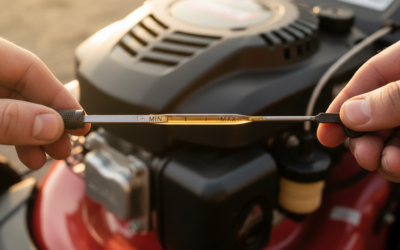
Drain oil before long storage. If storing for more than 3 months, drain the engine oil and replace it before restarting. Old oil contains moisture and contaminants that promote rust and wear. Refill with fresh, appropriate-weight oil (check your manual for the correct grade).
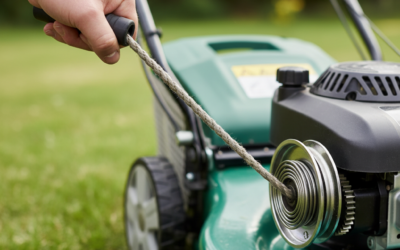
For spring startup: Reconnect spark plug wires, refill with fresh fuel (and stabilizer if necessary), and check all fluids before starting. Prime the engine by pulling the starter cord 2-3 times without the spark plugs connected to build oil pressure, then reconnect the plugs and start normally.
Frequently Asked Questions
How often should you clean a lawn mower?
Clean your mower after every use during the mowing season. A quick 5-minute cleanup removes fresh grass clippings before they dry and compact. At the end of the mowing season (typically fall), perform a deep cleaning before storage. This includes fuel system maintenance, air filter service, and protective coating application. Spring startup should include a basic inspection and exterior wipe-down.
Can you wash a lawn mower with a hose?
A gentle rinse with a garden hose is safe, but a high-pressure pressure washer can damage seals and bearings. If using a hose, keep the water pressure low and avoid directing water at the engine, carburetor, air filter intake, or electrical connections. Never submerge any part of the mower. Always disconnect the spark plug wires before using any water. Allow the mower to dry completely before storage or use.
What should you do if your mower won’t start after winter storage?
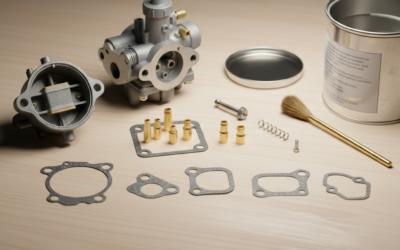
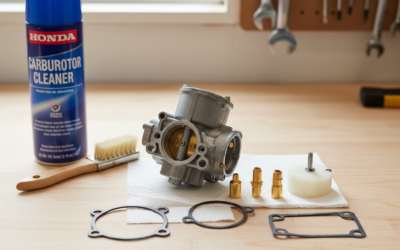
Starting problems after storage usually indicate stale fuel or a dirty spark plug. First, check the spark plug—remove it and inspect for heavy carbon or damage. If it looks bad, replace it. Next, drain old fuel from the tank and carburetor by opening the fuel drain plug or running the engine dry. Add fresh gasoline and try starting again. If it still won’t start, the carburetor may be clogged from stale fuel and require professional cleaning or replacement. This is why using fuel stabilizer or completely draining fuel before storage is so important.
Do you need to change the oil in a lawn mower?
Yes, if your mower has a four-stroke engine (most do). Check the manual for the recommended oil change interval—typically every 50 hours of use or annually. Two-stroke engines (less common, found on some older or specialized mowers) use fuel mixed with oil and don’t have separate oil changes. Locate the oil drain plug, drain old oil into a container, replace the drain plug, and refill with fresh oil of the recommended grade. Proper oil maintenance prevents engine wear and extends the mower’s lifespan significantly.