Quick Answer: How to Check Lawn Mower Oil
To check your lawn mower’s oil, allow the engine to cool for 2–3 minutes after running, then locate the dipstick or sight glass on the engine. Remove the dipstick, wipe it clean, reinsert it fully, and pull it out again to read the level against the minimum and maximum marks. The oil should fall between these marks. If low, add the recommended oil type until it reaches the maximum line, and inspect the color—it should be amber or light brown; dark or milky oil signals a needed oil change.
Why Regular Oil Checks Matter
Checking your lawn mower’s oil is one of the simplest yet most important maintenance tasks you can perform. Engine oil lubricates moving parts, reduces friction, and helps dissipate heat. Without adequate oil, your engine can suffer accelerated wear, reduced power, and potentially catastrophic damage.
Most lawn mower manufacturers recommend checking oil before each use during the mowing season, or at minimum monthly if you mow regularly. Catching a low oil level early prevents engine damage that could cost hundreds to repair. Regular checks also help you spot when the oil itself has degraded—a sign that an oil change is overdue.
Preparing Your Lawn Mower for an Oil Check
Engine Temperature Matters
Always check oil when the engine is warm but not hot. Ideally, wait 2–3 minutes after running the mower. A warm engine gives you an accurate reading because the oil has circulated through the engine. If you check on a cold engine, the oil won’t have fully settled into the pan, and you’ll get a false low reading. Conversely, checking immediately after shutdown can burn your hands and give an inaccurate high reading.
Locating the Dipstick or Sight Glass
Lawn mowers use one of two oil-level indicators:
- Dipstick: A long, thin rod with minimum and maximum marks. You pull it out, wipe it, reinsert it, and pull it out again to read the level.
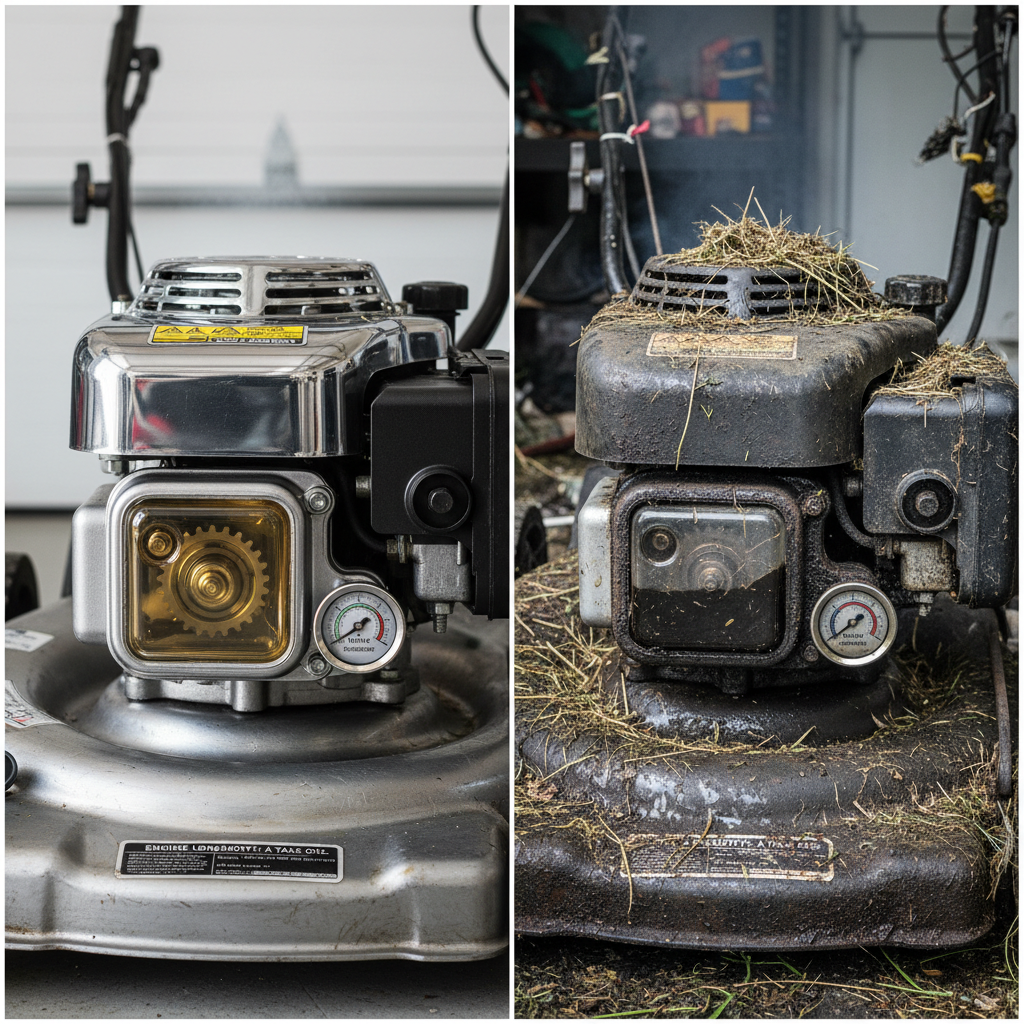
- Sight glass: A transparent window on the side of the engine with min/max marks printed on it. You simply look through the glass to see the oil level without removing anything.
Consult your mower’s manual to find which type yours has and its exact location. Typical locations include the side of the engine block, near the bottom, or under a filler cap on top of the engine.
How to Read Your Oil Level Correctly
Step 1: Locate and Remove the Dipstick
If your mower has a dipstick, locate it on the engine (usually marked with a bright yellow or orange handle). Twist or pull it straight out. Do not yank at an angle, which can damage the tube.
Step 2: Wipe the Dipstick Clean
Using a clean, lint-free cloth or paper towel, wipe the entire length of the dipstick. This removes old oil residue so you can see an accurate reading.
Step 3: Reinsert Fully and Remove Again
Push the dipstick back into its tube until it seats fully. Then pull it straight out. The oil clinging to the stick will show you the current level.
Step 4: Read the Level
Hold the dipstick horizontally and look at where the oil line sits relative to the minimum (low) and maximum (high) marks. The oil should be at or near the maximum mark for optimal engine protection. If it’s below the minimum mark, your oil is low and needs topping off.
Using a Sight Glass
If your mower has a sight glass, simply look straight at the transparent window. You’ll see the oil level and the min/max marks printed on or behind the glass. No removal or wiping is necessary. This design is faster and reduces the chance of losing or damaging the indicator.
Assessing Oil Condition
Checking the level is only half the story. The oil’s appearance tells you whether topping off is enough or if a full change is needed.
Healthy Oil Color
Fresh or well-maintained oil appears amber, honey-colored, or light brown. This is normal and indicates the oil is still doing its job.
Signs You Need an Oil Change
- Dark brown or black: Indicates accumulated dirt, combustion byproducts, and oxidation. The oil has lost effectiveness and should be changed.
- Milky or cloudy appearance: Suggests water contamination, often from condensation or moisture ingress. This compromises lubrication and requires immediate oil change.
- Gritty or sludgy texture: If you feel particles when rubbing the oil between your fingers, metal debris or heavy sludge is present. Change the oil immediately.
- Burnt smell: A strong, acrid odor indicates the oil has overheated or degraded. Replace it.
As a rule, if the oil is significantly darker than when it was fresh, or shows any of these warning signs, perform an oil change rather than just topping off. Topping off dark oil is a temporary fix that masks a deeper maintenance issue.
Adding Oil if the Level Is Low
Identify the Correct Oil Type
Check your mower’s manual for the recommended oil specification. Most lawn mowers use one of these:
- SAE 30: A straight-weight oil for warmer climates; commonly used in older or small engines.
- 10W-30: A multi-viscosity oil that flows better in cold weather while providing protection in warm conditions. The most popular choice for modern mowers.
- 5W-30: Used in mowers designed for cold climates.
Using the wrong oil viscosity can reduce engine efficiency and increase wear. Always match the manual’s specification.
How Much Oil to Add
Locate the oil filler cap (usually on top of the engine, marked with an oil can symbol). Remove it. Using a small funnel to avoid spills, pour oil slowly while monitoring the dipstick level. Stop when the level reaches the maximum mark. It’s better to add a little and check again than to overfill.
Overfilling Risks
Adding too much oil can cause:
- Oil to enter the combustion chamber, producing blue smoke and fouling spark plugs
- Increased crankcase pressure, forcing oil past seals
- Reduced engine power and efficiency
- Potential engine damage
If you accidentally overfill, drain the excess by removing the drain plug (if accessible) or by carefully using the dipstick to siphon out a small amount.
Oil Check Variations by Mower Type
Push Mowers
Small gas-powered push mowers typically have a simple dipstick or sight glass mounted on the side of a compact 4-stroke engine. Access is straightforward—usually just remove the dipstick, wipe, and recheck. Some ultra-compact mowers may have the indicator tucked under a fuel tank; consult your manual for exact location.
Riding Mowers and Garden Tractors
Larger riding mowers have bigger engines mounted under the seat or frame. The dipstick is usually easier to locate and access than on push mowers. The procedure is identical: locate, pull, wipe, reinsert, read. The larger engine capacity means you may need to add more oil, so pour in small increments and recheck frequently to avoid overfilling.
Zero-Turn Mowers
Zero-turn radius mowers use either gas or diesel engines mounted low and wide. Oil check procedures are the same as for riding mowers, but engine placement under the frame may require you to get low or work around steering components. Some models position the dipstick horizontally rather than vertically, so be sure to hold it level when reading.
2-Stroke vs. 4-Stroke Engines
Most modern lawn mowers use 4-stroke engines, which have a separate oil reservoir that you check with a dipstick or sight glass. A few budget models or older mowers use 2-stroke engines, which mix oil directly into the fuel. If your mower is 2-stroke, you won’t have a traditional oil level check—instead, you’ll mix oil and gasoline in the correct ratio before filling the tank. Check your manual to confirm which type you have.
Lawn Mower Oil Maintenance Schedule
When to Check During the Season
Check oil before each mowing session, or at minimum once a month during active mowing season. This habit catches problems early and takes only a minute. If you mow frequently (weekly or more), a monthly check is sufficient. If you mow infrequently, checking before each use ensures the engine is protected.
Seasonal Storage Checks
Before storing your mower for winter or off-season, check the oil one final time. If it’s dark or overdue for a change, perform a full oil and filter change before storage. Clean oil helps prevent rust and corrosion in the engine during dormancy. Change the oil again in spring before the first use to ensure fresh lubrication for the new season.
Oil Change Intervals
Most lawn mower manufacturers recommend an oil change every 50–100 operating hours, or at least once annually, whichever comes first. For typical homeowners who mow for 1–2 hours per week, this translates to roughly every 6–12 months. Check your manual for the exact interval. If you use your mower in dusty conditions, increase the frequency to every 40–50 hours, as the air filter and oil will accumulate debris faster.
Frequently Asked Questions
Q: Can I check oil on a cold engine?
A: You can, but the reading will be inaccurate. Cold oil hasn’t settled into the pan, so the dipstick will show a false low reading. Always wait a few minutes after running the engine so the oil warms and circulates, but allow it to cool slightly so you don’t burn yourself. This gives the most reliable reading.
Q: What if I can’t find the dipstick on my mower?
A: Consult your mower’s owner manual—it will show a diagram of the exact location. If the manual is lost, check the manufacturer’s website or contact the dealer. Some mowers have the dipstick tucked under shrouds or fuel tanks, so it’s not always immediately obvious.
Q: Is it safe to add oil while the engine is warm?
A: Yes, as long as the engine has cooled for a minute or two after shutdown. Avoid touching the engine block or exhaust, as they remain hot. When pouring oil, work slowly to avoid spills. A warm engine is actually preferable because you’ll get an accurate reading and the oil will flow smoothly into the pan.
Q: What should I do with old oil I drain from the mower?
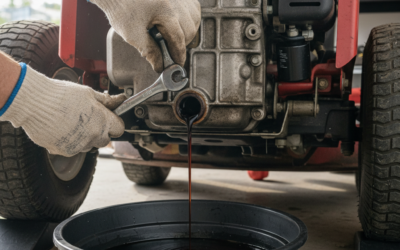
A: Never dispose of oil in the trash or down a drain—it contaminates soil and water. Take used oil to a local recycling center, automotive shop, or hazardous waste facility. Many accept oil for free. Some retailers that sell oil also accept used oil for recycling. Keep oil in a sealed container until you can drop it off.
Q: Can I use synthetic oil in my lawn mower?
A: Check your manual first. Most modern lawn mowers can use synthetic or synthetic-blend oil, which offers better protection and longer intervals between changes. However, some older mowers or budget models specify conventional oil only. Follow the manufacturer’s recommendation for best results and to maintain any warranty.