Direct Answer: How to Change Oil on a Troy-Bilt Lawn Mower
To change oil on a Troy-Bilt lawn mower, first ensure the engine is cool and the fuel valve is off. Locate the drain plug underneath the mower deck, place a drain pan below it, and remove the plug to let old oil drain completely. If equipped, unscrew and replace the oil filter. Refill the crankcase with the correct oil type (typically SAE 30 for 4-cycle engines) to the full mark on the dipstick, then dispose of old oil at a recycling center or auto parts store.
Before You Start: Safety and Preparation
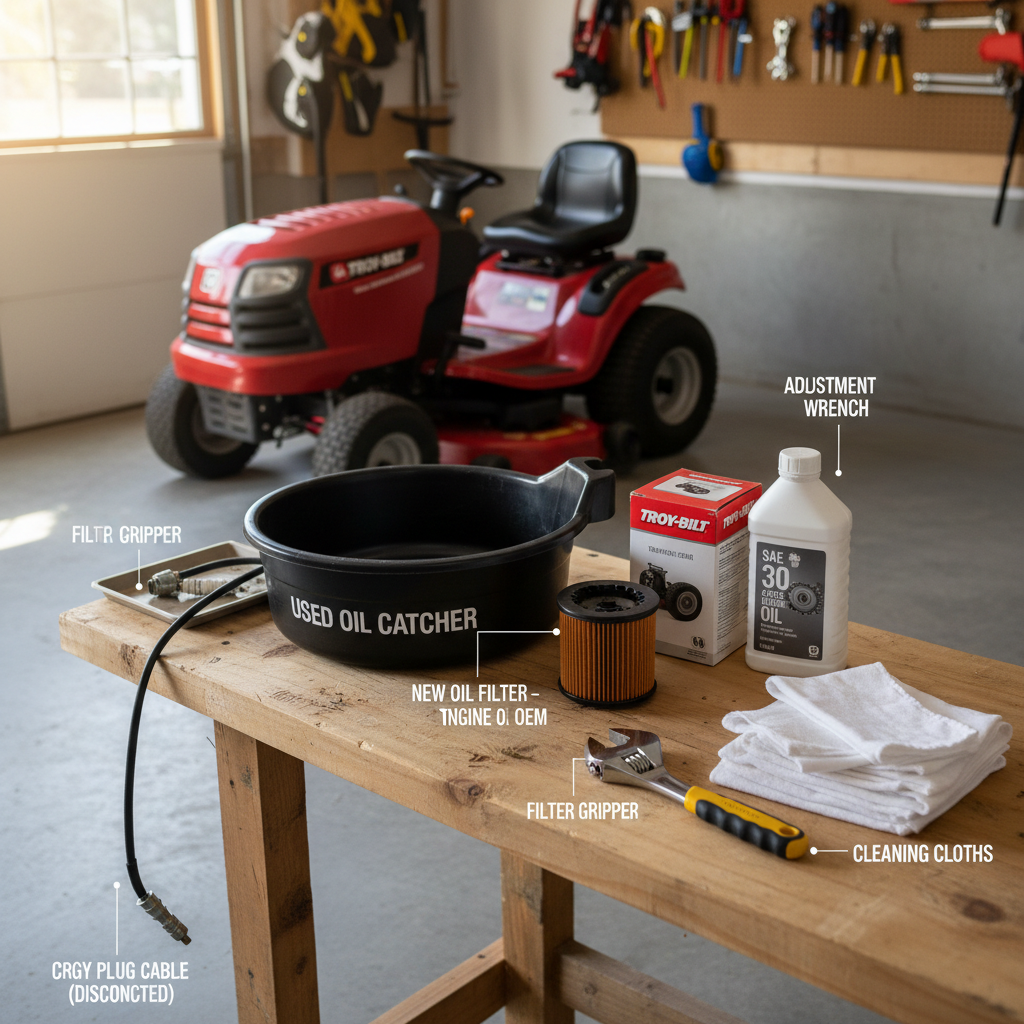
Proper preparation prevents spills, burns, and environmental damage. Follow these prerequisites before beginning your oil change:
- Allow the engine to cool. Run the mower for a few minutes, then wait at least 30 minutes before draining. Hot oil can cause severe burns, and the cooling period helps sediment settle to the bottom of the crankcase for complete drainage.
- Turn off the fuel valve. Locate the fuel shut-off valve (typically on the fuel line or carburetor) and turn it to the OFF position. This prevents fuel leakage while the mower is tilted or drained.
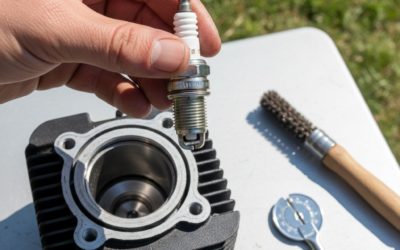
- Disconnect the spark plug wire. Remove the wire from the spark plug to prevent accidental engine start during maintenance.
- Gather materials: You’ll need a drain pan (at least 2–3 quart capacity), an adjustable wrench or socket set, a new oil filter (if applicable), fresh oil matching your mower’s specifications, an oil filter wrench (if replacing the filter), and rags or paper towels.
- Work on level ground. Park the mower on a flat, level surface to ensure accurate oil-level readings and prevent spills.
Locating the Drain Plug and Draining Old Oil
The drain plug location varies slightly between Troy-Bilt push mowers and riding mowers, but the draining process is identical.
For Push Mowers
On walk-behind mowers, the drain plug is typically located on the underside of the engine, accessible from below the mower deck. You may need to tip the mower on its side (carburetor-side up to prevent oil from entering the air filter). Consult your owner’s manual to confirm the correct tilt direction for your specific model.
For Riding Mowers
On riding mowers, the drain plug is usually positioned on the side or bottom of the engine block, accessible from beneath the seat or side panels. Some models may require removing a belly pan or access cover to reach the drain plug.
Draining the Oil
- Position your drain pan directly below the drain plug to catch all oil.
- Using an adjustable wrench or appropriately sized socket, slowly unscrew the drain plug by turning counterclockwise. As the plug loosens, oil will begin to flow. Remove the plug carefully to avoid contact with hot oil.
- Allow oil to drain completely—this typically takes 5–10 minutes. Tilt the mower slightly (if safe) to encourage complete drainage.
- Once drainage stops, wipe the drain plug clean with a rag and inspect the plug and surrounding area for cracks or damage. If the plug is damaged, replace it.
- Reinstall the drain plug and tighten it snugly with your wrench. Do not overtighten, as this can strip the threads.
Replacing the Oil Filter (If Applicable)
Not all Troy-Bilt lawn mower models have replaceable oil filters. Check your owner’s manual to confirm whether your mower is equipped with a filter.
Locating the Filter
If your mower has an oil filter, it is typically mounted on the side of the engine block and looks like a cylindrical canister. The filter may be horizontal or vertical, depending on the engine model.
Replacing the Filter
- Position your drain pan beneath the filter to catch residual oil.
- Using an oil filter wrench, grip the filter firmly and turn it counterclockwise to unscrew it. If the wrench slips, wrap a rubber band around the filter for better grip.
- Once removed, carefully dispose of the old filter. Note that the filter contains oil and should be recycled, not discarded in regular trash.
- Before installing the new filter, apply a thin layer of fresh oil to the rubber gasket on the filter’s top. This ensures a proper seal and makes future removal easier.
- Hand-screw the new filter onto the threaded port until the gasket contacts the engine block. Then turn it an additional three-quarter turn to complete the seal. Do not overtighten.
Refilling with Fresh Oil
Selecting the Correct Oil Type
Troy-Bilt lawn mowers with 4-cycle engines typically require SAE 30 motor oil for general use. However, oil selection depends on climate and usage:
- SAE 30: Standard choice for temperatures above 40°F. Suitable for most climates during mowing season.
- Synthetic SAE 30 or 10W-30: Recommended for extreme temperatures or extended storage. Synthetics provide better lubrication in cold weather and reduce engine wear over time.
- Always consult your owner’s manual for the specific oil viscosity and type recommended for your model year and engine displacement.
Oil Capacity by Mower Type
Oil capacity varies significantly between push and riding mowers:
| Mower Type | Oil Capacity | Notes |
|---|---|---|
| Troy-Bilt Push Mower (most models) | 0.6–1.1 quarts | Varies by engine displacement; check manual for exact capacity |
| Troy-Bilt Riding Mower (small engines) | 1.5–2 quarts | Typical for mowers under 42 inches |
| Troy-Bilt Riding Mower (large engines) | 2–3 quarts | Larger displacement engines; verify with owner’s manual |
Filling the Crankcase
- Locate the oil fill cap, typically marked with an oil-can symbol on top of the engine.
- Remove the cap and dipstick. Wipe the dipstick clean with a rag.
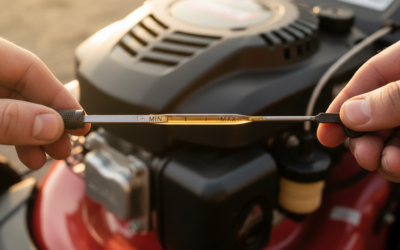
- Reinsert the dipstick fully, then remove it again to check the current oil level. The dipstick should show the oil level between MIN and MAX marks.
- Begin adding fresh oil slowly, checking the level every quarter-quart with the dipstick. Add oil in small increments to avoid overfilling.
- Once the oil level reaches the full mark on the dipstick, reinstall the cap securely.
- Do not overfill. Excess oil can damage the engine, cause smoking, and reduce performance.
Disposing of Old Oil Safely
Used motor oil is an environmental hazard and cannot be disposed of in regular trash or poured down drains. Many municipalities impose fines for improper disposal.
- Auto parts stores: Most major chains (AutoZone, O’Reilly, Advance Auto Parts, Walmart) accept used oil free of charge, even if you don’t purchase oil from them.
- Recycling centers: Local hazardous waste facilities typically accept used oil and oil filters.
- Quick-lube shops: Independent oil-change shops often accept used oil from customers.
- EPA guidelines: Visit your state’s environmental protection agency website to locate certified recycling facilities near you.
- Temporary storage: If you cannot recycle oil immediately, store it in a sealed, labeled container away from children and pets. Do not store oil in food containers or in direct sunlight.
Troubleshooting Common Issues
The Drain Plug Is Stuck or Rusted
If the drain plug won’t budge, apply penetrating oil (such as WD-40) around the plug’s base and wait 15–20 minutes. Try again with your wrench, applying steady pressure rather than sudden force. If the plug remains stuck, gently tap the wrench handle with a rubber mallet to encourage movement. Never force the plug, as stripping the threads requires a costly repair.
Oil Is Leaking After Refilling
Check that the drain plug is tight and the oil level is not above the MAX mark on the dipstick. If the oil filter is leaking, the rubber gasket may not be seated properly. Remove the filter, apply fresh oil to the gasket, and reinstall it with the correct tension (three-quarter turn after contact).
The Mower Smokes After an Oil Change
Light smoking is normal immediately after an oil change, especially if oil spilled on the engine block or exhaust. Run the mower for a few minutes in a well-ventilated area and allow excess oil to burn off. If heavy smoking persists after 10 minutes of operation, stop the mower immediately and check the oil level. Overfilled oil is a common cause.
The Mower Won’t Start After an Oil Change
Verify that the spark plug wire is reconnected and that the fuel valve is turned on. If the engine still won’t start, check that oil did not enter the air filter when the mower was tilted. If oil is visible in the air filter housing, remove the filter, clean it or replace it if soaked, and allow the air filter chamber to dry before attempting to restart.
Frequently Asked Questions
How Often Should You Change Oil on a Troy-Bilt Lawn Mower?
Troy-Bilt recommends changing oil every 50 operating hours or at the start of each mowing season, whichever comes first. For casual homeowners mowing weekly, this typically translates to once per season. Heavy-use mowers or commercial settings may require more frequent oil changes. Check your owner’s manual for the specific schedule for your model.
Can You Use Synthetic Oil in a Troy-Bilt Lawn Mower?
Yes, synthetic and synthetic-blend oils are compatible with most Troy-Bilt lawn mowers and offer superior protection against wear and temperature extremes. Synthetic oil is especially beneficial in cold climates or if the mower will be stored for extended periods. Verify that your chosen synthetic oil meets the SAE viscosity grade specified in your owner’s manual (typically SAE 30 or 10W-30).
What Happens If You Use the Wrong Oil Viscosity?
Using oil with an incorrect viscosity grade can impair engine lubrication and performance. Oil that is too thick (higher viscosity) may not flow freely in cold conditions, causing poor starting and increased engine strain. Oil that is too thin (lower viscosity) may not provide adequate protection at operating temperatures, leading to accelerated wear. Always use the oil grade recommended in your owner’s manual.
Is It Necessary to Replace the Oil Filter Every Time You Change the Oil?
If your mower is equipped with an oil filter, it should be replaced every other oil change, or at a minimum once per season. Some manufacturers recommend replacing the filter at every oil change for maximum protection. Refer to your owner’s manual for the recommended interval. A clogged filter restricts oil flow and reduces engine protection, so monitor the condition of the filter and replace it sooner if visibly dirty.