Direct Answer: In-Place Carburetor Cleaning Methods
Light to moderate lawn mower carburetor buildup can be cleaned without removal by using carburetor cleaner spray applied directly to the intake and vents, followed by compressed air to dislodge debris. You can also drain and clean the fuel bowl (if accessible without full removal), run fuel system additives through the tank, or apply cleaner to the exterior jets and passages. However, heavy varnish deposits, internal clogs, or sticky residue typically require full removal and disassembly for effective cleaning.
When In-Place Cleaning Works vs. When Removal Is Necessary
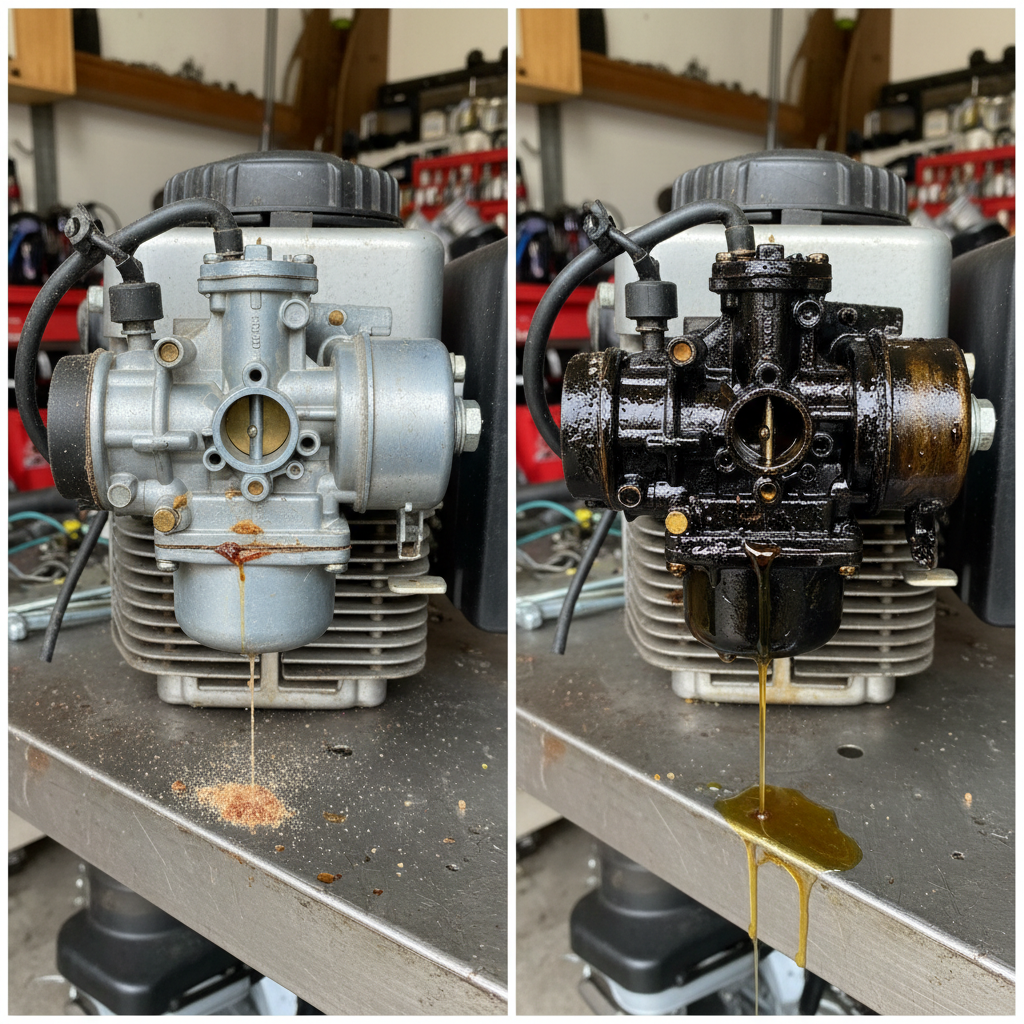
Deciding whether to clean your carburetor in place depends on the severity of the problem and the symptoms your mower is showing.
In-place cleaning is effective for:
- Engine starting problems after the mower has sat unused for a few weeks
- Rough idle or hesitation during acceleration
- Weak spray from the fuel nozzle
- Seasonal maintenance before storage
- Light fuel residue or dust clogging the air intake
Carburetor removal is necessary for:
- Complete engine shutdown or refusal to start after months of storage
- Fuel leaking from carburetor seams or overflow tubes
- Black, gummy, or varnish-like buildup inside fuel passages
- Fuel that smells sour or contains visible particles
- Failed start attempts after multiple rounds of spray cleaning
If your mower has been stored without fuel system stabilizer for more than 6 months, or if you notice fuel that looks darker than normal, assume moderate to severe varnish buildup and plan for removal.
Step-by-Step In-Place Cleaning with Carburetor Cleaner
Tools and materials needed:
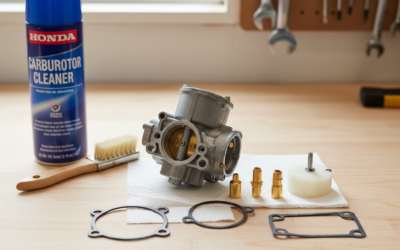
- Carburetor cleaner spray (aerosol or canister style)
- Compressed air source (air compressor or canister)
- Clean rags or shop towels
- Gasket scraper or soft plastic brush
- Small container for fuel (if draining the bowl)
- Safety glasses and gloves
Cleaning procedure:
- Shut off the engine and let it cool. Wait at least 15–30 minutes for the carburetor and fuel to cool completely. Do not attempt cleaning on a warm engine.
- Locate the carburetor air intake and fuel passages. On most lawn mowers, the carburetor sits between the air filter and the engine block. Identify where fuel enters from the fuel line and where air flows into the engine.
- Spray cleaner directly into the air intake opening. Hold the carburetor cleaner can upright and spray 2–3 short bursts directly into the carburetor throat (the opening where air enters). Let the cleaner soak for 5–10 seconds.
- Target the idle and main jets. Look for small brass or metal nozzles protruding from the carburetor body. Spray these jets directly with cleaner to dissolve any varnish or fuel residue coating them. Use short bursts to avoid oversaturating.
- Clean external passages and vent tubes. Spray any visible fuel overflow tubes and external passages on the carburetor housing. These tubes can clog with debris and restrict fuel flow.
- Allow cleaner to sit briefly. Let the carburetor cleaner work on the buildup for 5–15 seconds. Do not let it sit longer than 20 seconds, as prolonged exposure can damage some carburetor gaskets and seals.
- Use compressed air to blow out loosened debris. Starting at the top of the carburetor, use short bursts of compressed air (30–50 PSI) to blow away the cleaner and loosened particles. Direct air downward and away from the engine to prevent debris from entering internal passages.
- Repeat the process 2–3 times. Apply cleaner, wait briefly, and blow air until no more visible debris or fuel residue emerges from the carburetor openings.
- Wipe away excess cleaner with a clean rag. Remove any wet cleaner residue from the carburetor exterior to prevent re-accumulation of dust or debris.
Testing after cleaning: Reconnect any fuel lines or hoses you may have disturbed, prime the fuel system by pumping the bulb (if equipped), and attempt to start the engine. A properly cleaned carburetor should start within 2–3 pulls. If the engine still struggles, move on to fuel system additives or consider removal.
Using Compressed Air to Dislodge Buildup
Compressed air is one of the most effective in-place cleaning methods because it dislodges particles without using solvents that might linger inside the carburetor.
Best practices for compressed air cleaning:
- Use 30–50 PSI for safe carburetor cleaning. This pressure is strong enough to dislodge debris but weak enough to avoid damaging delicate carburetor components like diaphragms or gaskets. Pressures above 80 PSI risk blowing internal seals or forcing debris deeper into fuel passages.
- Always direct air away from the engine. Blow debris downward and outward, never toward the engine intake or cylinder head. Compressed air can force particles into the engine where they cause piston damage.
- Use short bursts rather than continuous spray. Fire the air compressor in 1–2 second pulses. This allows particles to fall away between bursts instead of being pushed deeper into passages.
- Start with external vents and overflow tubes. Clear the carburetor bowl vent first, then move to fuel passages and jets. This prevents trapped pressure from forcing fuel or debris into the engine.
- Wear safety glasses to protect your eyes. Compressed air can discharge fuel residue, debris, and cleaner mist at high speed. Always wear eye protection when working with compressed air around a carburetor.
Preventing damage during compressed air cleaning: If your carburetor has a removable air filter housing or intake manifold, consider disconnecting it to prevent debris from being forced deeper into the engine. Some mowers have a fuel shut-off valve between the tank and carburetor—close this valve before cleaning to prevent fuel backflow.
Accessing and Cleaning the Fuel Bowl Without Full Removal
Many lawn mower carburetors have a fuel bowl (also called a float bowl) that sits at the bottom and collects the heaviest fuel residue and varnish. You can drain and partially clean this bowl without removing the entire carburetor.
Fuel bowl cleaning steps:
- Locate the bowl drain plug. This is typically a single bolt or plug at the lowest point of the carburetor, directly beneath the fuel bowl. It may be a brass bolt or a plastic screw depending on your mower model.
- Position a small container beneath the drain plug. Old fuel and debris will pour out, so prepare a metal or plastic container to catch the liquid safely.
- Loosen the drain plug slowly by hand or with a wrench. Turn it counterclockwise until fuel begins to drip. Be patient—fuel may come out in spurts.
- Drain until no fuel flows, then tighten the plug. Once the flow stops, the bowl is empty. Tighten the plug by hand, then snug it with a wrench—do not over-tighten, as this can strip the threads.
- Refill the fuel tank with fresh fuel and fuel system additive. This helps dissolve any remaining varnish and restores cleaner fuel to the carburetor passages.
Important safety note: Old fuel is flammable and toxic. Dispose of drained fuel at a hazardous waste collection site or automotive recycling center. Never pour it down a drain or into the trash.
Fuel System Additives and Tank-Level Solutions
Fuel system cleaners work indirectly by dissolving varnish and sludge as fuel circulates through the carburetor. These additives are most effective for light to moderate buildup and preventive maintenance.
How fuel system cleaners work:
- Additives dissolve fuel gum and varnish that has hardened on carburetor internals
- They improve fuel flow through jets and passages by breaking down sediment
- Most are compatible with all small engine fuels and require no engine disassembly
Using fuel additives for carburetor cleaning:
- Drain the fuel tank or add the additive to fresh fuel before refilling
- Follow the additive manufacturer’s dosage instructions (typically 1 ounce per 5 gallons of fuel)
- Run the engine for 10–15 minutes to circulate the cleaner through the carburetor
- Allow the mower to sit for 24–48 hours so the additive can work on buildup
- Run the engine again and check for improved starting or performance
Realistic expectations: Fuel system additives are most effective on light varnish and fresh fuel residue. If your mower has sat for more than a year without fuel stabilizer, or if varnish is visible inside the bowl, additives alone will not restore full function—removal and disassembly will be necessary.
Safety Considerations for In-Place Carburetor Cleaning
Fuel hazards: Carburetor cleaner and gasoline are highly flammable. Never clean a carburetor near open flame, sparks, or hot surfaces. Ensure adequate ventilation—work outdoors or in a well-ventilated garage with the door open.
Electrical safety: Disconnect the spark plug wire before beginning any carburetor work. This prevents accidental engine start if the starter cord is pulled while the carburetor is wet or exposed.
Skin and eye protection: Carburetor cleaner is caustic and can irritate skin and eyes. Wear nitrile gloves and safety glasses throughout the cleaning process. Wash your hands thoroughly after finishing.
Engine cooling: Never clean a warm or running carburetor. Fuel vapor and cleaner mist can ignite on hot surfaces. Wait at least 30 minutes after engine shutdown before beginning work.
Fuel line connections: If you disconnect fuel lines, note their exact position before removal. Reinstall them securely and check for leaks before starting the engine. A loose fuel line can spray gasoline while the engine runs.
When to Remove and Disassemble the Carburetor
Full carburetor removal becomes necessary when in-place cleaning fails to restore performance or when you observe severe varnish buildup that spray cleaners cannot penetrate.
Signs that removal is necessary:
- Heavy black, crusty varnish visible inside the fuel bowl
- Fuel line leaking from seams or gasket areas
- Fuel float stuck in position (not rising and falling)
- Fuel passages blocked by sediment visible through the overflow tubes
- Engine refuses to start even after multiple cleaning attempts
What causes internal clogging requiring disassembly:
- Ethanol-blended fuel left in the carburetor for more than 60 days (ethanol absorbs water and leaves sticky varnish)
- Low-quality or contaminated fuel
- Fuel that has oxidized (turned brown or black) over months or years of storage
- Fine sediment or rust particles from an aging fuel tank
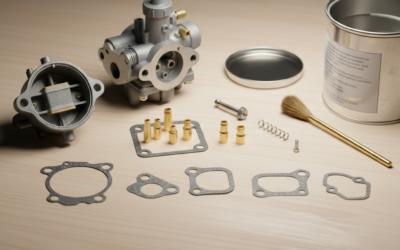
Carburetor removal is a moderate DIY project for homeowners with basic mechanical skills. You will need to drain the fuel system, disconnect the fuel line, air intake, and throttle cable, then unbolt the carburetor from the engine. Most small engines take 30–90 minutes to remove a carburetor. Once removed, you can soak the carburetor in dedicated carburetor cleaning solution (available at auto parts stores) and use a parts washer or brush to scrub internal passages clean.
Frequently Asked Questions
Can you use regular carburetor cleaner on a running engine?
No. Never spray carburetor cleaner on a running engine. Cleaner is flammable and can ignite on hot engine parts or in the exhaust. Always shut off the engine and wait for it to cool completely before applying any cleaner. If you use an engine-running fuel system additive (a different product from carburetor spray cleaner), add it to the fuel tank only, never directly to the carburetor.
How often should you clean a lawn mower carburetor?
If you use your mower regularly during the season and store it with fuel stabilizer added to the tank, annual in-place cleaning before storage is sufficient preventive maintenance. If you don’t use fuel stabilizer or let the mower sit for several months between uses, clean the carburetor every 2–3 months or at the start of each mowing season. Heavy-use mowers in dusty environments may need quarterly cleaning.
What’s the difference between carburetor cleaner and fuel system cleaner?
Carburetor cleaner is a spray solvent applied directly to the carburetor exterior and passages. It is fast-acting but can damage some gaskets if left on too long. Fuel system cleaner is an additive mixed into the fuel tank and circulates through the carburetor over time. It is gentler and better for preventive maintenance but takes longer to show results and is less effective on heavy varnish buildup.
Will a clogged carburetor clear itself if you run the engine?
Partial clogs may clear slightly as fuel circulates and fresh fuel dilutes old residue. However, this process is slow and unreliable. Heavy buildup will not clear by running the engine alone. Use carburetor cleaner spray, fuel additives, or removal to restore function rather than waiting for the engine to self-clear.