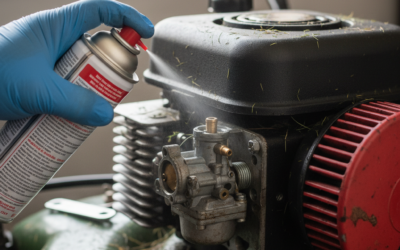
Short Answer: Are Toro Lawn Mowers Good?
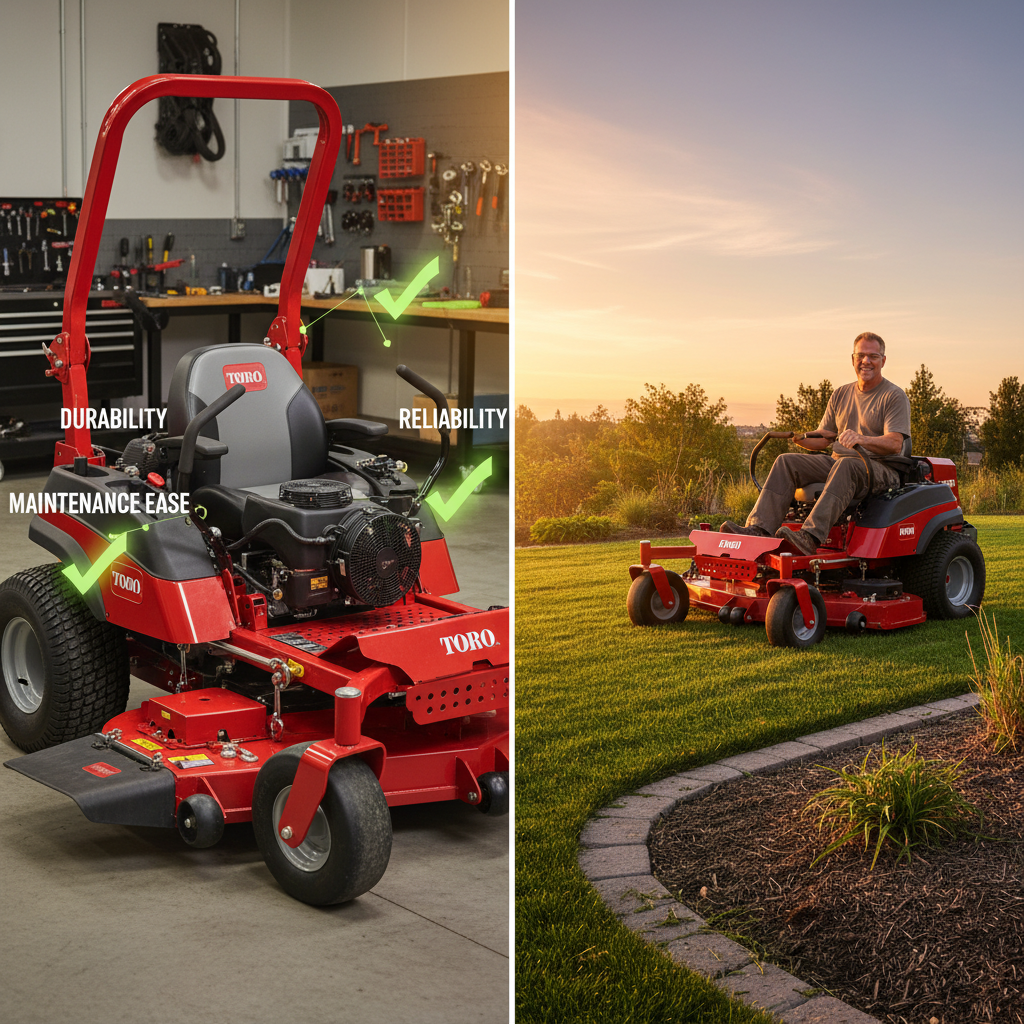
Yes—Toro lawn mowers are generally considered good to excellent across both residential and commercial segments. The brand consistently earns high marks for build quality, engine reliability, and ease of maintenance. That said, “good” is relative: the right Toro mower depends on your lawn size, terrain, fuel preference, and budget. Some models carry a premium price, but the majority of long-term owners report strong value over time.
What Makes a Lawn Mower “Good”?
Before evaluating Toro specifically, it helps to establish what separates a good lawn mower from a mediocre one. These are the core criteria any serious buyer should apply:
- Cutting performance: Clean, even cuts across varying grass types and heights without scalping or leaving streaks.
- Durability and longevity: Quality materials, corrosion-resistant decks, and engines built to withstand repeated seasonal use over many years.
- Ease of use: Intuitive controls, manageable weight, smooth drive systems, and simple height adjustments.
- Maintenance requirements: Accessible parts, straightforward blade changes, and clear service intervals.
- Warranty and customer support: Responsive manufacturer backing that protects your investment when problems arise.
- Price-to-value ratio: Whether the cost aligns with performance and lifespan compared to competing options at the same price point.
Toro is measured against all of these factors throughout this guide.
Toro’s Reputation and Brand History
Toro has been manufacturing outdoor power equipment since 1914, originally producing tractor engines before pivoting to turf maintenance equipment in the 1920s. Over a century of operation has given the brand deep engineering experience and a well-established supply chain for parts and service.
Today, Toro is one of the most recognized names in the lawn care industry, producing a broad lineup that spans:
- Walk-behind push mowers for smaller residential lawns
- Self-propelled gas mowers for mid-size to large yards
- Battery-powered and electric mowers for eco-conscious users
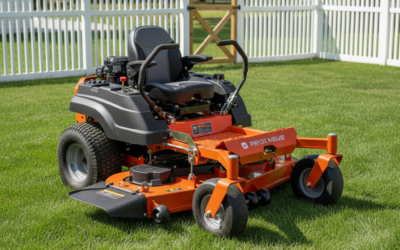
- Riding mowers and zero-turn mowers for large properties and commercial use
- Commercial turf equipment for landscaping professionals
This range means Toro serves everyone from apartment owners with small patches of grass to professional landscapers maintaining sports fields. The brand’s longevity and market breadth are themselves indicators of sustained consumer trust—companies that produce poor equipment rarely remain dominant for 100+ years.
Key Strengths of Toro Lawn Mowers
1. Durable Deck Construction
Toro mowers—particularly the gas-powered walk-behind and self-propelled models—are frequently praised for their steel deck construction. A robust deck resists cracking, warping, and rust better than lightweight polymer alternatives found on budget competitors. Many Toro owners report their mowers lasting 10 to 15 years with basic annual maintenance, a benchmark that speaks directly to material quality.
2. Reliable Engine Performance
Toro equips many of its residential models with engines sourced from established manufacturers including Briggs & Stratton and Kohler, as well as its own Toro-branded powerplants. These engines are widely regarded as easy to start, consistent under load, and serviceable at most outdoor power equipment dealers. The brand’s Personal Pace® self-propel system—a proprietary drive mechanism that automatically matches the mower’s speed to the operator’s walking pace—is consistently cited as one of the most intuitive drive systems in its class.
3. Consistent Cutting Quality
Toro mowers deliver clean cuts across multiple grass types, including thick fescue, Bermuda, and St. Augustine. The blade engagement and deck height adjustment systems on most models allow precise control across 5 to 7 cutting heights, reducing the likelihood of scalping on uneven terrain. Mulching performance on Toro models that include a recycler function is also frequently highlighted as superior to competitors at similar price points.
4. Strong Battery-Powered Lineup
Toro’s 60V and 60V Flex-Force battery platforms have gained significant traction among homeowners seeking gas-free operation. Battery-powered Toro mowers offer comparable runtime to many competitors’ electric models, with the added benefit of cross-compatibility across Toro’s cordless tool ecosystem. For yards under half an acre, the electric lineup is a particularly compelling option.
5. Warranty Coverage
Most residential Toro walk-behind mowers come with a 2-year full warranty, while some commercial-grade models carry extended coverage terms. Toro also maintains an authorized service dealer network across the United States and many international markets, making warranty claims and out-of-warranty repairs relatively accessible compared to smaller or less-established brands.
6. Parts Availability and Repairability
Because Toro has been in operation for over a century, replacement parts—blades, belts, filters, and drive components—are widely available through dealers, hardware retailers, and online suppliers. This reduces long-term ownership cost and avoids the frustration of owning equipment that becomes effectively disposable once out of warranty.
Potential Drawbacks and Limitations
No brand is without trade-offs. A balanced evaluation of Toro must acknowledge where the brand falls short or where specific buyers may find better-suited alternatives.
1. Price Premium
Toro mowers generally sit at or above the mid-range price tier. Entry-level Toro push mowers are priced competitively, but self-propelled gas models and battery-powered units often cost more than comparable offerings from brands like Craftsman or Greenworks. Buyers on a tight budget may find that Toro’s price point requires a longer justification period based on durability and longevity.
2. Weight of Some Models
Several Toro self-propelled models are heavier than competing units, which can be a concern for users with smaller frames or mobility limitations. While the self-propel system offsets much of this on flat terrain, maneuvering on slopes or lifting for transport can require more physical effort than lighter competitors.
3. Battery Runtime on Larger Lawns
While Toro’s battery lineup is strong for lawns under half an acre, owners of larger properties (0.5 to 1+ acres) may find that even the 60V platform requires mid-session recharging or additional battery packs. Gas models remain the more practical choice for larger lawns if uninterrupted runtime is a priority.
4. Some Models Have Reported Drive System Issues
User reviews across retail platforms occasionally note premature wear in the self-propel drive cable or belt on certain model years. This is not a universal complaint, but it appears with enough frequency in long-term ownership reviews to merit mention. Most issues are repairable under warranty or through inexpensive part replacement, but buyers should be aware the drive system is a component worth monitoring.
5. Learning Curve on Personal Pace® System
The Personal Pace® drive system, while intuitive for most users, takes some adjustment for those accustomed to fixed-speed drive systems. A small segment of users find the speed sensitivity either too responsive or inconsistent on slopes. This is largely a preference issue but worth knowing before committing.
Toro vs. Competitor Brands
Contextualizing Toro within the competitive landscape helps clarify where it excels and where alternatives may better serve specific needs.
| Brand | Strengths | Weaknesses vs. Toro | Best For |
|---|---|---|---|
| Toro | Longevity, drive system, parts availability, deck quality | Higher price on mid-range models | Homeowners seeking long-term reliability |
| Honda | Engine longevity, fuel efficiency, quiet operation | Higher price, fewer battery options | Users prioritizing engine reliability above all |
| Husqvarna | Wide model range, strong riding mower lineup | Walk-behind models less competitive than Toro | Large property owners, riding mower buyers |
| John Deere | Brand prestige, dealer network, riding mowers | Premium pricing, walk-behinds less innovative | Commercial users, riding/zero-turn buyers |
| Craftsman | Lower price point, widely available | Shorter lifespan, fewer premium features | Budget-conscious buyers, occasional use |
| EGO | Best-in-class battery platform, quiet operation | No gas options, newer brand history | Eco-conscious buyers, small to mid lawns |
Toro occupies a strong middle ground: more affordable than Honda or John Deere at equivalent performance tiers, more durable than budget brands, and with a broader model range than newer entrants like EGO. For most homeowners, Toro represents a well-balanced choice across performance, price, and long-term ownership cost.
How to Choose the Right Toro Mower for Your Needs
Toro’s lineup is broad enough that selecting the wrong model is a real risk. Use these decision criteria to narrow your choice:
Lawn Size
- Under 1/4 acre: A Toro push mower (gas or battery) is sufficient and easier to maneuver in tight spaces.
- 1/4 to 1/2 acre: A self-propelled gas or 60V battery model provides the right balance of runtime and ease of use.
- 1/2 to 1 acre: A high-end self-propelled gas mower with a wider cutting deck (21–22 inches) reduces mowing time significantly.
- Over 1 acre: A Toro riding mower or zero-turn model is the practical choice; walk-behinds become inefficient at this scale.
Fuel Type
- Gas: Best for large lawns, hilly terrain, or users who need maximum runtime without interruption. Requires oil changes, air filter maintenance, and seasonal tune-ups.
- Battery (60V): Ideal for flat to moderately sloped lawns under half an acre. Near-zero maintenance, quieter operation, and no fuel costs. Higher upfront investment for battery packs.
- Corded electric: Best for very small, flat lawns where cord management is not a burden. Lowest cost, unlimited runtime, but operationally restrictive.
Terrain Considerations
If your lawn has significant slopes (greater than 15 degrees), a gas-powered self-propelled model with rear-wheel drive will outperform front-wheel-drive alternatives and battery units on challenging grades. Toro’s rear-wheel-drive self-propelled models handle inclines better than the brand’s front-wheel-drive variants.
Budget Guidelines
- Under $300: Entry-level Toro push mowers. Solid quality for small, flat lawns.
- $300–$500: Mid-range self-propelled gas models. Best overall value tier for most homeowners.
- $500–$800: Premium walk-behind gas and battery models with wider decks and advanced features.
- $800+: Riding and zero-turn mowers for large properties.
What Current Toro Owners Say
Aggregating long-term user feedback across retail platforms and lawn care communities reveals consistent patterns in how Toro owners describe their ownership experience:
What Owners Praise
- Starts reliably season after season, even after winter storage, with minimal priming or choking required on gas models.
- The Personal Pace® drive system is frequently described as the single most appreciated feature by self-propelled model owners, cited as more natural and less fatiguing than fixed-speed systems.
- Mulching quality on Recycler® models earns consistent praise, with owners noting finely shredded clippings that disappear into the lawn quickly.
- Deck durability is a long-term ownership highlight—many owners note their steel decks show minimal rust or deformation after 5+ years of use.
What Owners Criticize
- Price is the most common friction point, particularly for buyers who initially purchased on sale and later encountered standard retail pricing for replacement models.
- Drive cable wear on self-propelled models appears in reviews after 3–5 years of regular use, though owners note the part is inexpensive and simple to replace.
- Battery mowers’ runtime occasionally disappoints owners with lawns that are larger than the rated coverage area suggests, particularly in thick or wet grass that draws more power.
Overall Satisfaction
The general sentiment among long-term Toro owners skews positive. The brand’s product quality consistency across model years, combined with widely available service support, produces a user base that tends to repurchase Toro when their existing unit is eventually replaced. This repeat-purchase behavior is one of the more reliable informal indicators of sustained customer satisfaction.
Frequently Asked Questions
How long do Toro lawn mowers typically last?
With basic annual maintenance—oil changes, blade sharpening, air filter replacement, and fuel stabilizer use before storage—Toro gas mowers commonly last 10 to 15 years. Battery-powered models have shorter practical lifespans tied to battery pack degradation, typically 5 to 8 years before battery replacement becomes necessary. Consistent maintenance is the single largest factor in longevity for any mower brand.
Are Toro mowers worth the extra cost compared to budget brands?
For users who mow regularly (weekly during the growing season) and expect the mower to last a decade or more, yes. The upfront premium on a Toro typically pays for itself in reduced repair costs, better parts availability, and a longer service life compared to budget-tier alternatives that may require replacement in 3–5 years. For occasional or very light use, a lower-cost option may offer adequate performance at a lower total ownership cost.
Is Toro better than Honda for lawn mowers?
Both brands are top-tier, and the answer depends on priorities. Honda engines are widely regarded as among the most fuel-efficient and long-lasting gas engines available, and Honda’s overall walk-behind mower quality is excellent. Toro edges ahead in drive system innovation (Personal Pace®), battery-powered options, and price competitiveness in the mid-range tier. For pure engine longevity, Honda is a legitimate rival; for overall feature set and value at comparable price points, Toro is competitive or superior.
Do Toro mowers work well on hilly or uneven terrain?
Toro’s rear-wheel-drive self-propelled models handle slopes better than front-wheel-drive variants because rear traction is more effective when the mower’s front lifts slightly on inclines. For very steep or heavily contoured terrain, a zero-turn or riding mower with appropriate traction features is more appropriate than any walk-behind. On moderately uneven residential lawns, Toro self-propelled gas models perform well, and the Personal Pace® system adapts naturally to changes in walking speed on grades.