The Best Time to Mow: Mid-Morning (8–10 AM)
Mid-morning, between 8 and 10 AM, is the optimal time to mow your lawn. At this window, overnight dew has evaporated, so grass blades are dry and cut cleanly without clumping. Temperatures remain moderate, avoiding the heat stress that damages turf in midday sun. Equally important, grass has the entire afternoon and evening to recover and heal before nightfall, reducing vulnerability to disease.
Mowing by Time of Day: A Full 24-Hour Breakdown
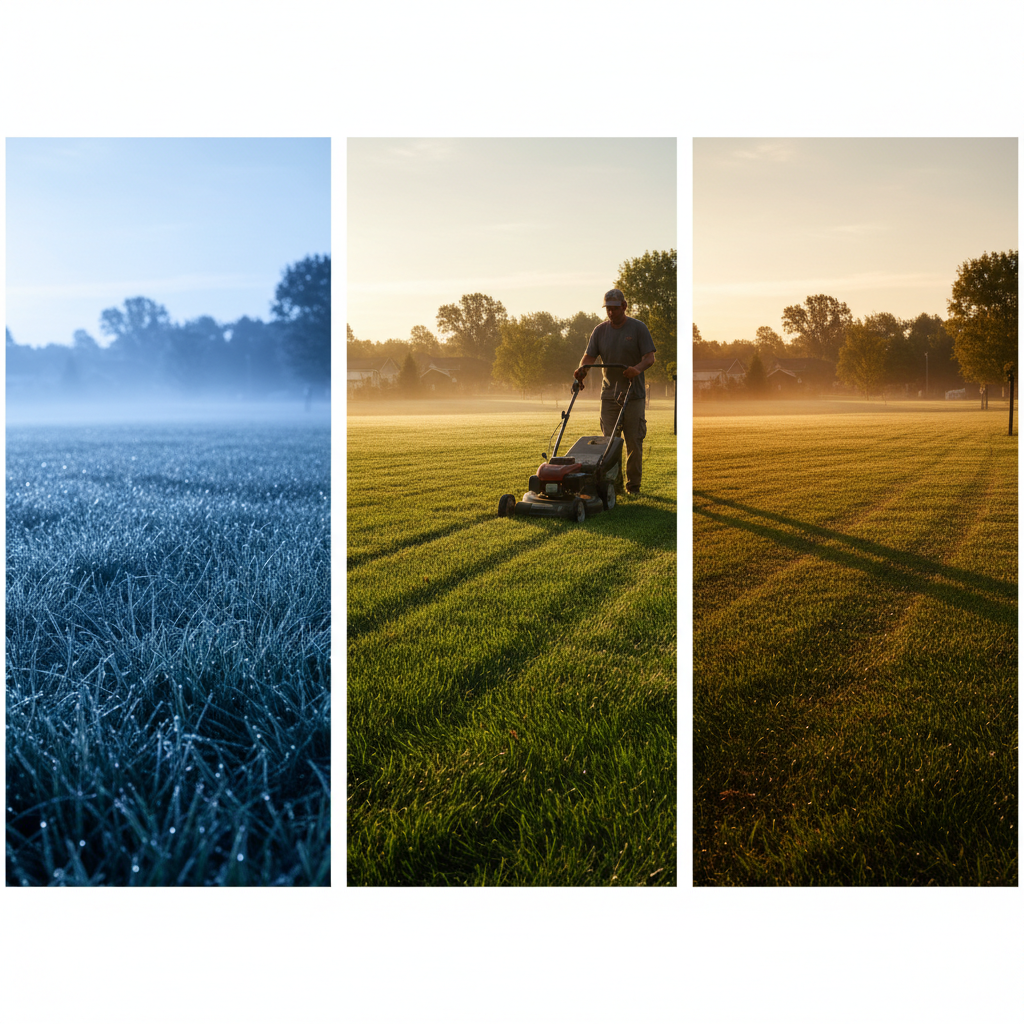
Early Morning (Before 8 AM)
Verdict: Avoid. Grass is still wet from overnight dew. Mowing wet grass causes clumping, uneven cuts, and increases the risk of fungal disease. Wet clippings also clog your mower deck, reducing efficiency.
Mid-Morning (8–10 AM)
Verdict: Best. Dew has dried, air temperature is cool to moderate, and grass has maximum recovery time before dark. This is your ideal window.
Late Morning to Early Afternoon (10 AM–2 PM)
Verdict: Acceptable, with caution in summer. Grass is still dry, but temperatures climb. In cool climates or spring/fall, this is fine. In hot summers, especially for cool-season grasses, afternoon mowing increases heat stress and moisture loss from cut blades.
Midday (12–2 PM) in High Heat
Verdict: Avoid in summer. Peak sun and temperature stress the grass immediately after cutting. The combination of mowing trauma and heat can cause scalping (brown, stressed patches). Warm-season grasses tolerate this better than cool-season varieties, but it’s still suboptimal.
Evening (4–7 PM)
Verdict: Avoid. Mowing in late afternoon or evening leaves grass with minimal recovery time before nightfall. Fresh cuts are vulnerable to fungal diseases overnight, especially if dew forms or humidity is high. The grass also lacks daylight to photosynthesize and repair damage.
Night
Verdict: Never. Mowing in darkness is unsafe and prevents the grass from beginning recovery until the next day.
Best Time of Year to Mow: Season-by-Season Guide
Spring (March–May in Northern Regions)
Spring triggers rapid grass growth. Mow weekly once grass reaches 3–4 inches tall. Begin mowing as soon as the ground is dry enough to prevent soil compaction. In spring, morning mowing is especially valuable because the grass will grow vigorously throughout the day, maximizing recovery time.
Summer (June–August)
Summer heat stress makes timing critical. Raise your mower deck 0.5 inches higher than spring settings to reduce scalping risk. Mow early morning (8–10 AM) to avoid midday heat. In extremely hot regions or drought conditions, reduce mowing frequency slightly—mowing less often and at a higher blade height reduces stress. Never mow dormant or brown summer grass; wait for cooler weather or irrigation recovery.
Fall (September–November in Northern Regions)
Fall mowing remains important as grass makes one final growth surge before dormancy. Continue mid-morning mowing through mid-October or until grass stops growing. Plan your last mow before winter for late October or early November, when grass enters dormancy. A final cut at 2–2.5 inches prepares turf for winter and reduces fungal disease risk under snow cover.
Winter (December–February)
In cold climates, do not mow dormant grass. In warm-season regions, warm-season grasses go dormant but cool-season overseeding may still grow; mow only if actively growing. Mowing dormant turf causes unnecessary injury and offers no benefit.
Does Grass Type Change the Best Mowing Time?
Cool-Season Grasses (Kentucky Bluegrass, Tall Fescue, Perennial Ryegrass)
Cool-season grasses are more sensitive to heat stress and benefit most from mid-morning (8–10 AM) mowing, especially in late spring and summer. These grasses slow growth during peak heat, so avoid afternoon mowing when temperatures exceed 85°F. Peak growth occurs in spring and fall, when mowing can be more frequent.
Warm-Season Grasses (Bermuda, Zoysia, St. Augustine)
Warm-season grasses tolerate heat better and actually thrive in summer sun. These grasses can handle later-morning mowing (9–11 AM) or even early-afternoon mowing without significant stress. However, mid-morning is still preferable to avoid dew-related clumping and ensure recovery time. Warm-season grasses peak during summer and slow or go dormant in fall and winter.
Climate and Humidity Effects
In humid climates, dew lingers longer; push your mowing window toward 9–10 AM. In arid regions, dew dries by 7–8 AM, and heat stress is the primary concern—prioritize staying within 8–10 AM to avoid afternoon heat. In cool, temperate zones, 8–9 AM is ideal. In hot southern zones, 8–10 AM is non-negotiable to prevent heat shock.
How Often Should You Mow? Frequency by Season
The One-Third Rule
Never remove more than one-third of the grass blade length in a single mowing. For example, if grass is 3 inches tall, cut it to 2 inches. Cutting more than one-third causes stress, reduces photosynthesis, and weakens root systems. This rule determines mowing frequency more than any fixed schedule.
Spring Mowing Frequency
In spring, grass grows rapidly. Mow weekly, or every 5–7 days, as growth rate dictates. Peak spring mowing happens April–May in northern climates.
Summer Mowing Frequency
Summer growth slows due to heat stress. Mow every 10–14 days, adjusting for rainfall and irrigation. During drought, reduce frequency further. Always respect the one-third rule over calendar dates.
Fall Mowing Frequency
Fall growth surges again. Mow every 7–10 days through October. Taper frequency in late October and November as grass prepares for dormancy.
Winter Mowing
In cold climates, do not mow. In warm climates with overseeding or year-round growth, mow every 14–21 days as needed.
Noise Ordinances and Neighbor Etiquette: When Is It Legal to Mow?
Noise ordinances vary significantly by municipality. Most common quiet hours are 8 AM–8 PM on weekdays and 9 AM–6 PM on weekends, meaning mowing is permitted during these windows. Some jurisdictions restrict mowing to even narrower bands (e.g., 10 AM–5 PM on Saturdays). Always verify your local bylaws before mowing, especially early morning or on weekends.
The good news: mid-morning (8–10 AM) typically falls within permitted hours everywhere, so optimal lawn health and noise compliance align. Mowing at 7 AM or 6 PM may violate local ordinances even if it seems reasonable; respect your neighbors and local regulations.
Tips for Mowing at the Right Time (and Getting Better Results)
Sharpen Your Mower Blade Regularly
A dull blade tears grass instead of cutting cleanly, leaving ragged edges that brown and invite disease. Sharpen blades every 20–40 hours of mowing (roughly every 4–6 weeks for weekly mowers). A sharp blade matters more at any time of day than a dull one mowed at the perfect hour.
Watering Before and After Mowing
Do not mow immediately after watering; wait 24–48 hours for soil and blades to dry. Mowing wet grass compacts soil and damages turf. Water after mowing if conditions allow, but avoid watering in late afternoon or evening, which promotes fungal disease overnight. Best practice: water early morning, mow mid-morning the next day.
Alternate Your Mowing Direction
Mow in a different pattern each week (north-south one week, east-west the next). This prevents soil compaction and turf wear along the same path and encourages upright, healthy growth.
Clipping Disposal
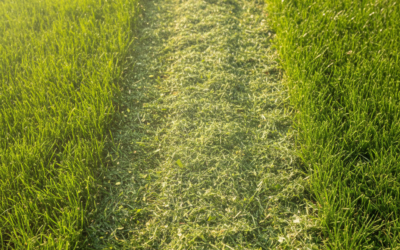
Leave clippings on the lawn (mulching) if they are short and dry; they return nitrogen to soil. Remove clippings if they are wet or clumped, as they can smother grass or harbor disease. Mid-morning mowing produces dry clippings ideal for mulching.
Adjust Blade Height by Season
Spring and fall: 2.5–3 inches. Summer: 3–3.5 inches (cooler-season grasses); 1.5–2.5 inches (warm-season grasses). Higher blade height shades soil, retains moisture, and reduces heat stress.
Frequently Asked Questions
What time of day is best to mow the lawn?
Mid-morning, between 8 and 10 AM, is best. Overnight dew has dried so grass cuts cleanly, temperatures are moderate to avoid heat stress, and grass has time to recover before nightfall. Avoid early morning (wet dew), midday heat (stress), and evening (limited recovery time).
Is it bad to mow wet grass?
Yes. Wet grass clumps, leaves uneven cuts, clogs the mower, and increases fungal disease risk. Wait until dew dries before mowing, typically by 8–9 AM depending on humidity and climate.
Can you mow in the afternoon or evening?
Afternoon mowing in summer heat stresses grass and risks scalping. Evening mowing leaves grass vulnerable to fungal disease overnight. If you must mow outside mid-morning, choose early afternoon (before 2 PM) in spring or fall, never in summer heat or after 4 PM.
How does grass type affect mowing time?
Cool-season grasses (Kentucky Bluegrass, Fescue) are heat-sensitive and benefit most from early-morning mowing in summer. Warm-season grasses (Bermuda, Zoysia) tolerate heat better and can handle slightly later-morning mowing. Regardless of type, mid-morning is optimal across all climates and grass varieties.
What is the one-third mowing rule?
Never remove more than one-third of the grass blade length per mowing. If grass is 3 inches tall, cut to 2 inches maximum. This rule prevents stress, maintains photosynthesis, and ensures recovery. Follow this rule based on growth rate, not a fixed calendar schedule.
What are typical noise ordinance hours for lawn mowers?
Most municipalities allow mowing 8 AM–8 PM on weekdays and 9 AM–6 PM (or 10 AM–5 PM) on weekends. Some jurisdictions are stricter. Check local bylaws before mowing outside 9 AM–5 PM. Mid-morning mowing typically complies with all local ordinances.