
What Is a Circular Saw and What Is It Used For?
A circular saw is a versatile power tool designed to make straight cuts in materials such as wood, metal, plastic, and masonry. It functions by spinning a flat, toothed, or abrasive blade at high speeds, allowing the user to push the tool through the material along a guided path. The mechanical operation relies on a motor—either corded or battery-powered—that drives an arbor, which holds the blade in place.
Common applications for homeowners include cutting lumber for framing, ripping plywood sheets to size, or crosscutting boards for furniture building. Professionals often use these tools for heavy-duty framing, deck building, and specialized masonry or metal cutting. By selecting the correct blade type, a single circular saw can handle a wide variety of materials, making it a cornerstone of any workshop.
What Types of Circular Saws Are There?
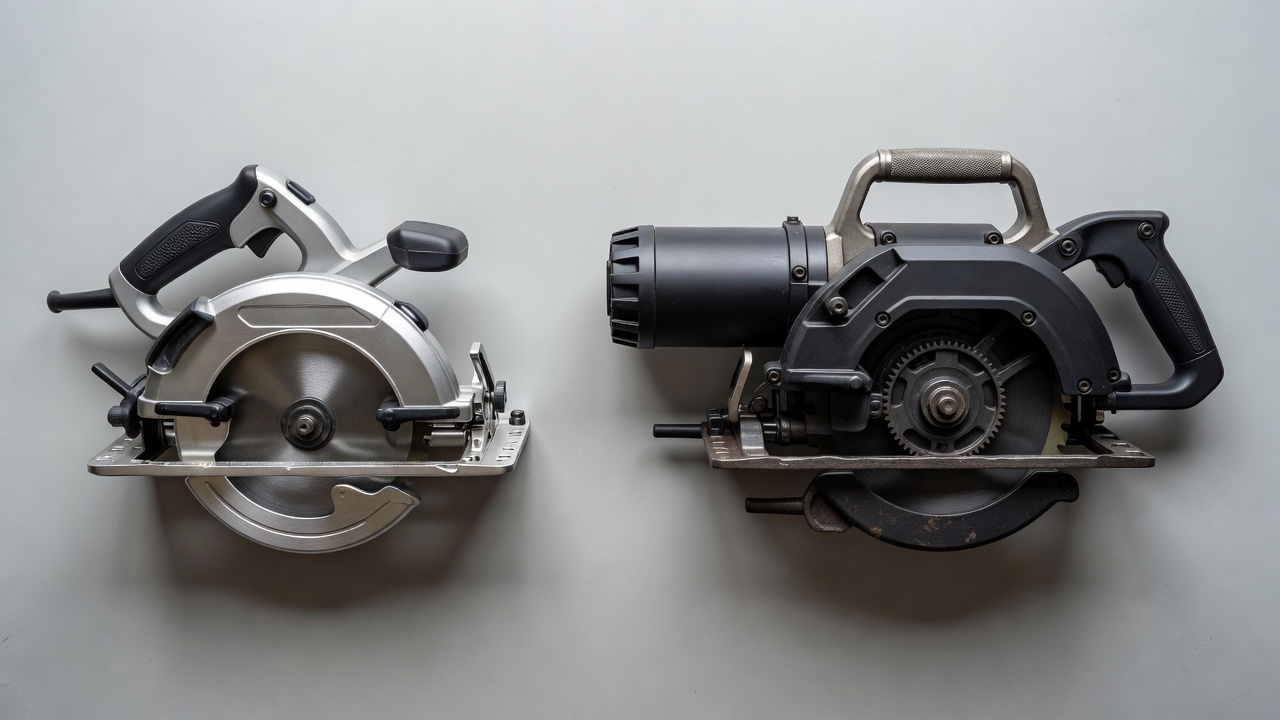
Understanding the body style and power source is the first step in selecting the right tool for your needs.
Sidewinder vs. Worm-Drive Saws
Sidewinder saws (or direct-drive saws) feature a motor mounted to the side of the blade. They are generally lighter, more compact, and easier to handle for overhead or horizontal cuts. Worm-drive saws, conversely, use a gear-driven mechanism that places the motor behind the blade. This design provides higher torque, making them a common choice for heavy-duty framing and cutting through dense or wet lumber.
Corded vs. Cordless Operation
Corded saws provide continuous power without the need to recharge, making them ideal for stationary workshop tasks or long days of heavy cutting. Cordless saws, powered by high-capacity lithium-ion batteries, offer unmatched portability and convenience. As battery technology has advanced, many cordless models now provide power output comparable to traditional corded tools.
Specialty Saws: The Track Saw
A track saw is a specialized circular saw that runs along a dedicated aluminum rail. This setup ensures perfectly straight, splinter-free cuts, which are essential for tasks like breaking down large sheets of plywood or creating professional-grade cabinet panels.
What Key Features Should You Evaluate Before Buying?
When comparing models, focus on the specifications that directly affect the quality and safety of your work.
- Blade Size: Most handheld saws use blades ranging from 5 to 7 inches. A larger blade allows for a deeper cutting depth in a single pass.
- Motor Power: For corded models, power is measured in amps. For cordless models, voltage (e.g., 18V or 20V) is the primary indicator of power, though battery capacity (amp-hours) also affects runtime.
- Cutting Depth and Bevel Capacity: Most saws allow you to adjust the depth of the cut and the angle of the blade (bevel). Standard models typically offer bevel adjustments up to 45 or 50 degrees.
- Safety Features: Look for essential safety components such as an electric brake, which stops the blade quickly after the trigger is released, and a spring-loaded blade guard that covers the teeth when the saw is not in contact with the material.
How Do You Choose the Right Circular Saw Step by Step?
To choose the right tool, start by assessing your project requirements. If you are a casual DIYer, a lightweight sidewinder may offer the best ergonomics and ease of use. If you are tackling heavy construction, the torque of a worm-drive saw may be necessary. Consider your existing tool ecosystem; if you already own a collection of cordless power tools from a specific manufacturer, choosing a circular saw that uses the same battery platform can save money and improve convenience.
Set a budget based on the frequency of use. Entry-level models are often sufficient for occasional home repairs, while professional-grade tools offer better durability, more precise adjustments, and longer motor lifespans for daily use.
Which Brands Should You Consider and How Do They Compare?
Major manufacturers like DeWalt, Makita, Milwaukee, and Bosch are widely recognized for their commitment to quality and professional-grade engineering. These brands offer extensive service networks and readily available replacement parts, which can be a significant factor in the long-term value of your purchase.
While specific models change frequently, these brands generally maintain a reputation for robust build quality and consistent performance. Some brands may have a historical legacy in specific tool types—for example, certain manufacturers are well-regarded for their long-standing development of worm-drive saws. When choosing, prioritize a brand that offers a warranty and support system that aligns with your professional or personal needs.
How Do You Use and Maintain a Circular Saw Safely?
Operating a circular saw requires strict adherence to safety protocols. Always wear appropriate personal protective equipment, including safety glasses and hearing protection. Before making a cut, ensure the material is properly supported and that your path is clear of obstructions.
To achieve accurate cuts, use a guide or a straight edge to keep the saw on track. Regularly inspect the blade for dullness or missing teeth; a dull blade increases the risk of kickback and produces poor-quality cuts. Keep the tool clean and follow the manufacturer’s manual for lubrication and maintenance schedules. If you are unsure about a specific technique or task, consult a qualified professional or seek hands-on training to avoid injury.