Direct Answer: Are Robot Mowers Any Good?
Yes, robot mowers are generally considered effective for specific use cases. They offer consistent, hands-off lawn maintenance, save significant time, and operate much more quietly than traditional equipment. However, their performance depends heavily on lawn size, complexity, terrain, and your budget. They are best suited for regular, low-cut maintenance on relatively simple, flat lawns. Owners with very large, steep, or complex landscapes may find that a traditional mower remains a more practical or reliable choice.
What Is a Robot Mower and How Does It Work?
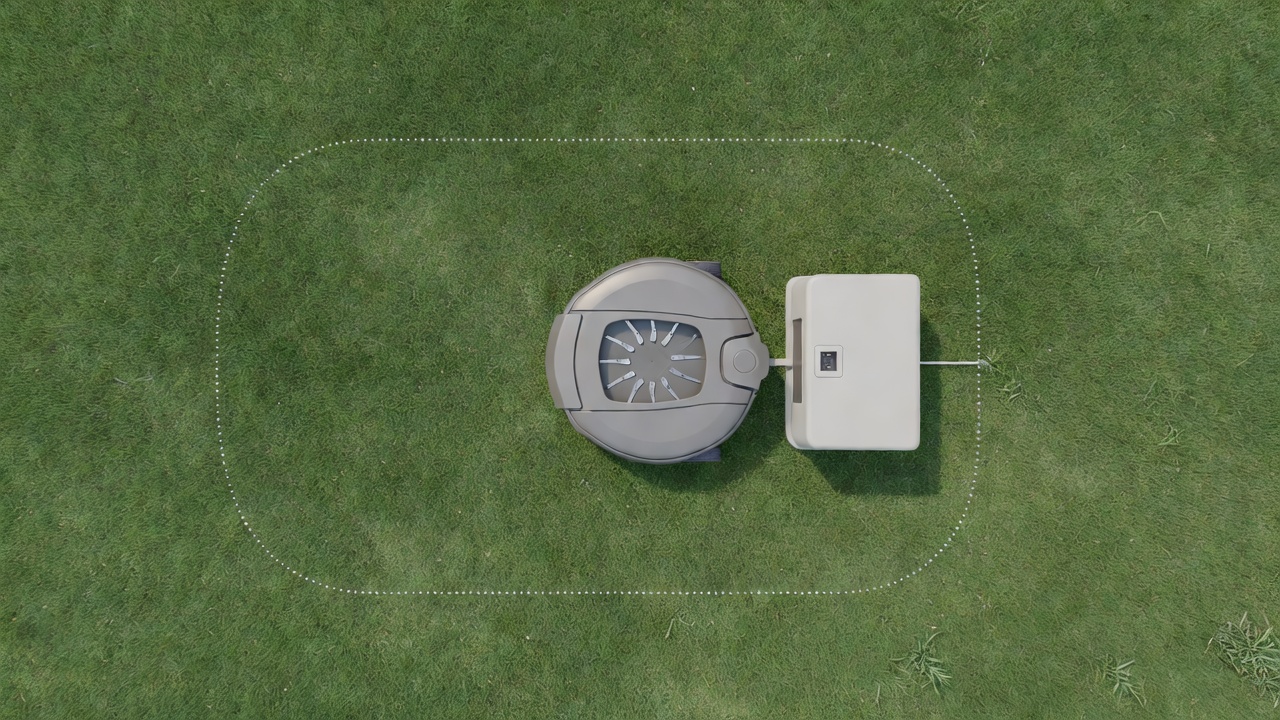
A robotic lawn mower is an autonomous machine designed to maintain grass height through frequent, light trimming. Unlike traditional mowers that require a human operator, these devices use internal software and external guidance systems to navigate a designated area.
Most models rely on a boundary wire installed around the perimeter of the lawn, which creates an electromagnetic field the mower detects to stay within its working area. Newer, more advanced models may use GPS or vision-based systems to map the yard without a physical wire. These machines typically follow a random or systematic path to cover the lawn, returning to a charging station automatically when their battery levels run low.
Unlike standard mowers that collect clippings, robot mowers are designed for “mulching.” They cut tiny amounts of grass frequently, allowing the clippings to fall back into the soil as natural fertilizer. Because they mow so often, they do not require a high-powered engine or a large deck, contributing to their compact and quiet design.
Key Benefits: Why People Choose Robot Mowers
The primary appeal of a robotic lawn mower is the shift from active labor to passive maintenance. By automating the task, homeowners can reclaim hours of their weekend time that would otherwise be spent pushing a mower.
- Consistency: Because the mower runs frequently, the lawn stays at a uniform height, which can improve the overall appearance of the grass.
- Lawn Health: Constant, light mulching returns nutrients to the soil. This process is generally considered beneficial for turf health, provided the mower is adjusted to the correct cutting height.
- Noise Reduction: Robot mowers operate at a much lower decibel level than gas-powered equipment, making them suitable for use in neighborhoods with strict noise ordinances or for those who prefer a quiet garden environment.
- Autonomy: Most modern units are equipped with app control, allowing users to schedule mowing times, adjust settings, and monitor progress from their smartphones.
Limitations and Drawbacks to Consider
While the benefits are significant, robot mowers are not a universal solution. The upfront cost is typically higher than that of a standard push mower, and the installation process can be labor-intensive, especially when laying boundary wire.
Terrain is a major factor. While many models are designed to handle moderate inclines, they may struggle on very steep slopes or uneven, rutted ground. Obstacles such as tree roots, flower beds, or scattered yard debris can also impede navigation. In some cases, the mower may get stuck, requiring manual intervention to get it back on track.
Security is another consideration. Because these units are expensive and left unattended, theft is a potential concern. Most manufacturers include features such as PIN codes, alarms, and GPS tracking to deter theft, but homeowners should still be aware of the risks in their specific area.
Key Factors That Determine Whether a Robot Mower Is Right for You
Before purchasing, evaluate your lawn against these critical criteria:
- Lawn Size: Ensure the model you choose is rated for the total square footage of your yard. Oversizing the mower for your lawn can lead to more efficient maintenance.
- Layout Complexity: Lawns with narrow passages, complex shapes, or multiple separated zones may require more sophisticated navigation features.
- Terrain: Check the manufacturer’s maximum slope rating. If your yard has steep hills, a standard mower might not have the traction or power to manage them.
- Ongoing Costs: While you save on fuel, you must factor in the cost of replacement blades, periodic battery replacements, and potential repairs to the boundary wire if it is damaged during landscaping.
Step-by-Step: How to Evaluate a Robot Mower Before Buying
To determine if your property is a good candidate, follow these steps:
- Map Your Yard: Measure your total mowing area and identify any slopes or obstacles.
- Assess Infrastructure: Determine if you have an easily accessible outdoor power outlet for the charging station.
- Check Requirements: Read the manual or documentation for your chosen model to ensure it meets your specific lawn requirements, such as minimum and maximum cutting heights.
- Plan Installation: Decide whether you will install the boundary wire yourself—which involves burying or staking it along the perimeter—or hire a professional installer.
Conclusion: Is a Robot Mower Right for You?
A robot mower is an excellent investment for homeowners who prioritize convenience, have a relatively straightforward lawn layout, and want to maintain a consistently manicured look without the manual labor. However, those with highly complex, uneven, or extremely large properties may find that the setup and maintenance requirements outweigh the benefits. While these machines can drastically reduce the time spent on lawn care, they do not eliminate the need for occasional manual trimming in areas the robot cannot reach, such as tight corners or near delicate landscaping.