The short answer is: generally, yes, you can use car oil in a lawn mower, but it must be the right type. Most lawn mower engines can safely use automotive motor oil if it meets the specific viscosity grade (like SAE 10W-30) and API service classification (like API SJ or later) recommended by the manufacturer. However, using oil specifically formulated for small engines is often the better choice for optimal performance and engine longevity.
The key is matching the oil’s specifications to your mower’s requirements. Using the wrong viscosity or an oil with an incompatible additive package can lead to poor lubrication, increased engine wear, and reduced lifespan. Let’s break down exactly what you need to know to make the safe and correct choice.
Understanding the Question: Can You Use Car Oil in a Lawn Mower?
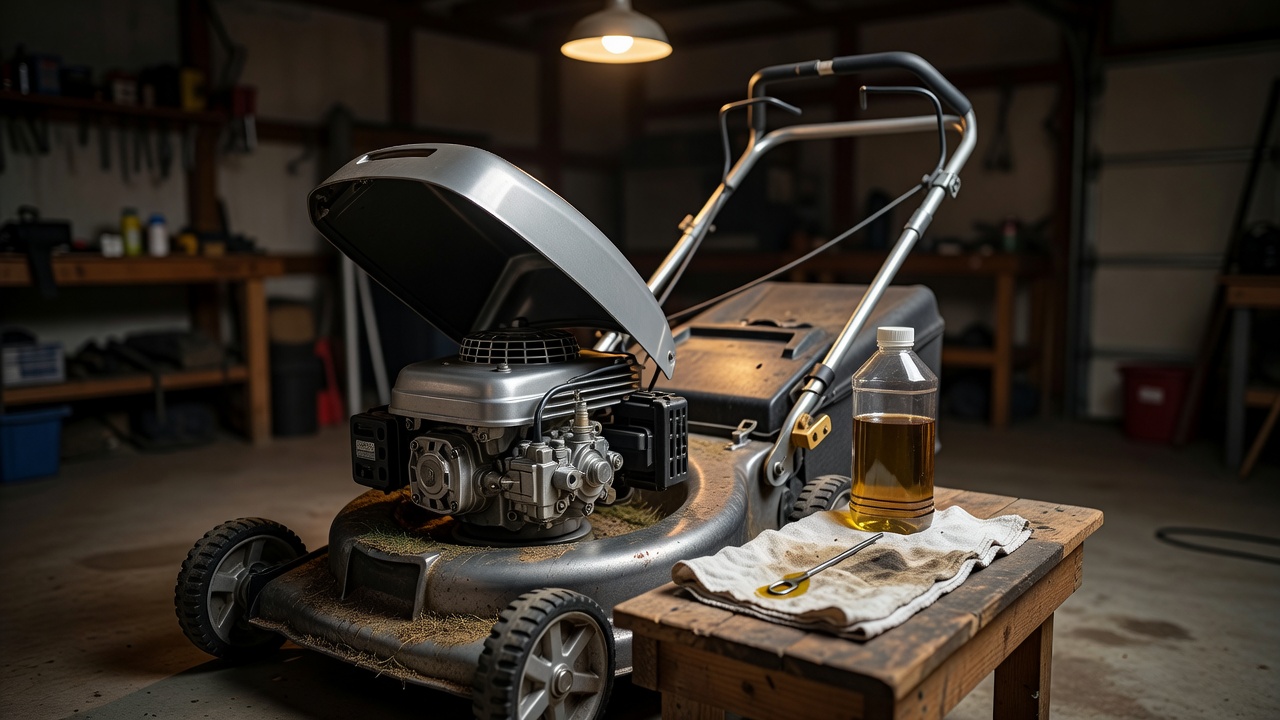
When people ask about using “car oil,” they are referring to a broad category of automotive motor oils. These can be conventional, synthetic, or synthetic blend oils, available in various viscosity grades. The answer to whether you can use it depends entirely on your lawn mower’s specific engine type, age, and the manufacturer’s recommendations.
Most modern walk-behind and riding lawn mowers have four-stroke engines that are very similar in basic design to small car engines. This is why automotive oil can often be a suitable substitute. However, some older mowers or specific models might have two-stroke engines or unique requirements that make standard car oil unsuitable. Using car oil does not automatically damage a mower engine, but using the wrong car oil certainly can.
Key Compatibility Factors: Viscosity, API Rating, and Additives
To determine if a particular bottle of automotive oil is safe for your mower, you need to check two critical specifications on its label.
Viscosity Grade (e.g., SAE 10W-30)
Viscosity measures the oil’s thickness and flow characteristics at different temperatures. The Society of Automotive Engineers (SAE) sets these grades. Most lawn mower manufacturers recommend a multi-viscosity oil like SAE 10W-30 for general use across a range of temperatures. Some may specify SAE 5W-30 for colder climates or SAE 30 for warmer conditions. Using an oil with a viscosity grade that doesn’t match the manual’s recommendation can result in inadequate lubrication when the engine is cold or excessive oil consumption when it’s hot.
API Service Classification
The American Petroleum Institute (API) provides service classifications that indicate an oil’s performance level and suitability for different engine types and emission systems. For a lawn mower, you’ll typically see a “starburst” or “donut” symbol on the bottle. Look for a classification like API SJ, SL, SM, SN, or SN Plus. These later classifications are backward-compatible and suitable for most small engines. Using an oil with a very old API rating (e.g., SG or earlier) may not provide adequate protection for modern engines.
Additives in Automotive vs. Small Engine Oil
This is where the nuance lies. Automotive oils contain detergent, anti-wear, and friction modifier additives designed for the operating conditions and emission control systems of cars. Small engine oils are formulated with a different additive package tailored to the higher operating temperatures, air-cooling, and different load cycles of lawn mower engines. While car oil works, small engine oil is optimized for these specific conditions.
When is Synthetic or Synthetic Blend Car Oil Acceptable?
Synthetic and synthetic blend automotive oils are perfectly acceptable for most lawn mowers, provided they meet the correct SAE viscosity and API service classification. Synthetic oils offer excellent stability and performance in a wide temperature range. The primary consideration is cost; a high-performance synthetic car oil may be more expensive than a dedicated small engine oil that meets the mower’s needs.
Risks of Using the Wrong Oil
Choosing the incorrect oil can have several negative consequences for your lawn mower’s engine.
Viscosity Mismatch
If the oil is too thin (e.g., using 5W-20 in an engine requiring 10W-30), it may not form a sufficient protective film between moving parts, leading to metal-on-metal contact and accelerated wear. If the oil is too thick, it may not flow properly to critical components during startup, causing increased friction and potential damage.
Incorrect API Service Classification
Using an oil with an outdated API rating might mean it lacks the necessary detergent and anti-wear additives for your engine. This can lead to increased sludge and varnish buildup, reduced engine efficiency, and shorter engine life.
Impact on Performance and Lifespan
The wrong oil can cause the engine to run hotter, consume more oil, and lose power. Over time, the cumulative effect of poor lubrication and inadequate additive protection will significantly reduce the engine’s overall lifespan, potentially leading to premature failure.
Signs of a Problem
Watch for signs like excessive blue or white smoke from the exhaust, a noticeable increase in oil consumption, louder engine noise (especially a knocking sound), or difficulty starting the mower. These could indicate that the oil type is not suitable.
Step-by-Step Guidance: How to Choose the Right Oil
Follow these steps to ensure you select the correct oil for your lawn mower.
1. Consult Your Owner’s Manual
This is the most important step. The manual will specify the exact oil type, including the recommended SAE viscosity grade and API service classification. It may also list approved oil brands or types. If you’ve lost the manual, check the manufacturer’s website or look for a sticker on the mower itself with this information.
2. Match Viscosity and API Rating
When purchasing oil, compare the specifications on the bottle to those in your manual. Ensure the SAE grade (e.g., 10W-30) is an exact match or within the approved range. Check the API “donut” symbol for a current service classification (SJ or later).
3. Consider the Oil Type
Conventional, synthetic blend, and full synthetic oils are all options. Synthetic oils provide better protection in extreme temperatures and may allow for longer drain intervals, but they come at a higher cost. For most homeowners, a quality conventional or synthetic blend oil that meets the manual’s specifications is sufficient.
4. Follow the Oil Change Schedule
Change the oil at the intervals recommended in the manual, typically every 50 hours of use or at the start of each mowing season. Use the proper procedure, which usually involves draining the old oil from a drain plug or by tipping the mower, and then filling with the correct amount of new oil.
5. When to Choose Small-Engine-Specific Oil
If your manual specifically recommends a small engine oil, or if you operate the mower under severe conditions (e.g., very dusty environments, frequent high-load use), it is safer to use an oil formulated for small engines. This ensures the additive package is perfectly matched to your engine’s needs.
Direct Answer and Final Recommendations
So, to circle back to the primary question: can you use car oil for a lawn mower? The answer is a qualified yes. Automotive oil is a viable and often acceptable substitute if it meets the precise SAE viscosity grade and API service classification outlined in your mower’s owner’s manual.
Using automotive oil is generally acceptable when you have verified it matches the manual’s specifications and you are using it in a standard, air-cooled, four-stroke engine. It becomes risky when you use an oil with the wrong viscosity, an outdated API rating, or if you have a specialized engine (like a two-stroke) that requires a different type of lubricant.
The safest final recommendation for most mower owners is to always check the owner’s manual first. If the manual allows for automotive oil, choose a quality conventional or synthetic product that matches the required specs. When in doubt, or if you want the peace of mind of an optimized formula, using an oil specifically designed for small engines is a prudent choice that prioritizes your engine’s health and longevity.