Quick Answer: What Is The Best Lawn Blower
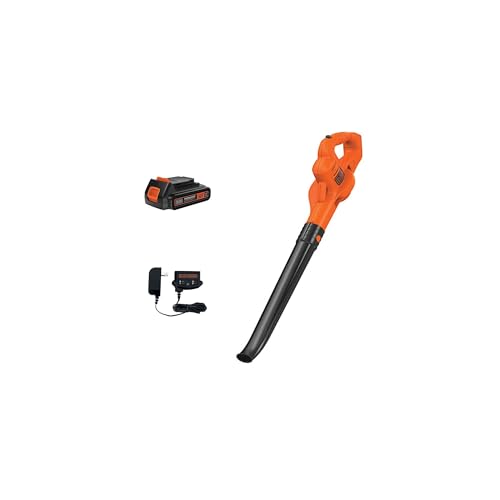
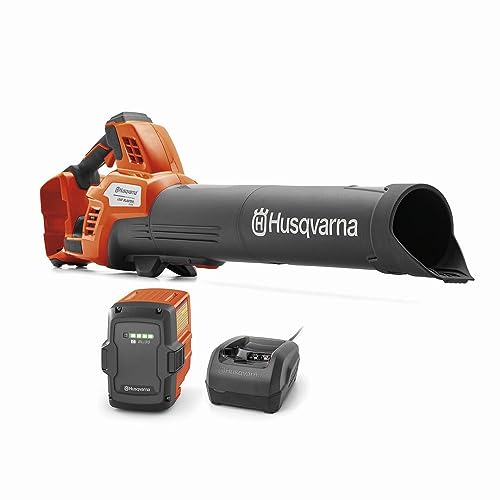
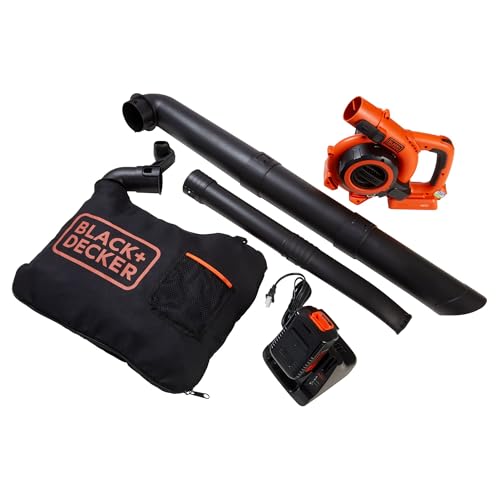
The best lawn blower is a 56V–80V cordless lithium-ion model delivering 600–900 CFM and 120–180 MPH. For yards under 1/4 acre, a handheld unit suffices; for larger properties, a backpack blower is required. Always prioritize battery platform compatibility and Newton force ratings over raw RPM claims.
Pros
- Produces up to a rated 765 CFM of blowing power
- Variable-speed trigger offers customizable air delivery
- Includes a 56V 5.0Ah battery and matching charger
Cons
- High-output operation can significantly reduce runtime per charge
- 5.0Ah battery adds noticeable weight for single-handed work
Pros
- M18 FUEL system utilizes dual battery power for high output
- Cordless design offers unrestricted portability across large areas
- Integrates with the Milwaukee M18 tool ecosystem
Cons
- Tool only; requires two M18 batteries and a charger sold separately
- Dual batteries increase overall handheld carrying weight
Pros
- Offers up to a manufacturer-rated 700 CFM air volume
- Brushless motor ensures efficient power delivery
- Includes a 4.0Ah battery and rapid charger
Cons
- The 60V battery pack adds weight during extended handheld use
The Physics of Air Displacement: CFM vs. MPH
When evaluating the best cordless leaf blowers, you must understand the two primary metrics: Cubic Feet per Minute (CFM) and Miles Per Hour (MPH). These are not interchangeable; they represent different physical forces applied to debris.
CFM (Cubic Feet per Minute)
CFM measures the volume of air moving through the blower tube. High CFM is the critical factor for moving heavy, wet debris or large piles of leaves. A blower with 600+ CFM creates a “wall of air” that pushes material regardless of its weight. If you have a thick canopy of oak or maple leaves, CFM is your primary specification.
MPH (Miles Per Hour)
MPH measures the velocity of the air stream. High MPH is essential for dislodging stuck-on debris, such as wet grass clippings on a driveway or dust in cracks. However, high MPH with low CFM results in a narrow stream that lacks the force to move bulk material.
Newton Force: The True Metric
Professional technicians look at Newton force, which combines air volume and velocity to measure the actual force exerted on the debris. A high Newton rating indicates a blower that can overcome the friction of wet leaves against turf.
| Power Source | Typical CFM | Typical MPH | Best Application |
|---|---|---|---|
| Corded Electric (12A) | 400–700 | 150–250 | Small, flat paved areas |
| Cordless (40V–56V) | 450–650 | 110–160 | Suburban yards, mixed debris |
| Cordless (60V–80V) | 600–900 | 130–180 | Large lots, wet leaves |
| Gas (2-Cycle) | 600–900+ | 150–200+ | Commercial, remote areas |
Diagnostic Matrix: Choosing the Right Blower Type
Selecting the correct form factor requires an honest assessment of your property’s topography and vegetation density. As noted by Consumer Reports, weight significantly affects maneuverability, making the choice between handheld and backpack units critical for user fatigue.
Scenario A: The Suburban Lot (Under 1/4 Acre)
Diagnosis: Mostly flat terrain, minimal tree coverage, primarily grass clippings and light dry leaves.
Solution: A lightweight handheld cordless blower (under 8 lbs). Look for 40V–56V systems. Ergonomics and noise levels are prioritized over raw power.
Scenario B: The Wooded Property (1/4 to 1 Acre)
Diagnosis: Heavy leaf fall (maple/oak), mixed terrain, potential wet debris.
Solution: A high-output handheld (60V+) or a lightweight backpack blower. You need 600+ CFM to move bulk material efficiently. Runtime becomes a factor; plan for 30–45 minutes of continuous use.
Scenario C: The Acreage or Hilly Terrain (1+ Acre)
Diagnosis: Extensive walking, slopes, heavy wet debris, long runtimes required.
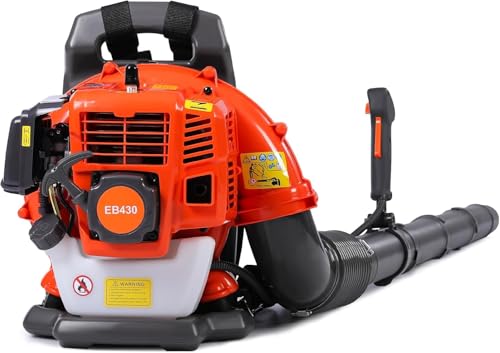
Solution: A dedicated backpack blower. As highlighted by Pro Tool Reviews, backpack units distribute weight to the hips, reducing arm fatigue. For this scale, consider a 2-cycle gas unit or a high-voltage (80V+) battery system with multiple batteries.
Battery Platform Ecosystems: The Hidden Cost
One of the most critical factors in modern lawn care is the battery ecosystem. As Wirecutter experts suggest, buying into a single company’s collection of tools allows you to share batteries across mowers, trimmers, and chainsaws. This reduces downtime and long-term costs.
Runtime Calculations
Battery capacity is measured in Amp-hours (Ah). A 5.0Ah battery at 56V provides significantly more energy than a 2.5Ah battery at the same voltage. However, runtime is not linear with power demand. Running a blower on “Turbo” mode may cut runtime by 50% compared to “Eco” mode.
Pro Tip: The “Spare Battery” Rule
For any property over 1/4 acre, you must own at least two batteries. While one is in use, the other should be charging. This ensures continuous workflow and prevents the “dead battery” stall during peak fall cleanup.
Step-by-Step: Optimizing Blower Efficiency
Technique is just as important as hardware. Improper use leads to wasted energy, noise complaints, and poor results.
Step 1: The Pile Strategy
Never blow leaves randomly. Work from the perimeter inward, creating manageable piles. Use the blower’s “cruise control” or variable speed trigger to maintain a consistent airflow that lifts leaves without scattering them.
Step 2: The 45-Degree Angle
Hold the blower tube at a 45-degree angle to the ground. This utilizes the Coanda effect, where the air stream hugs the surface, sliding debris forward rather than blowing it upward into the air. This is crucial for controlling dust and preventing debris from blowing back into your face.
Step 3: Wet Debris Management
Wet leaves adhere to surfaces due to surface tension. A standard blower often fails here. You must use a high-CFM setting (600+) and get the nozzle within 6–12 inches of the ground to break that adhesion. If the debris remains stuck, it is time to switch to a gas or electric leaf blower comparison to see if a gas unit’s raw torque is required.
Maintenance and Safety Protocols
Outdoor power equipment requires strict adherence to safety and maintenance schedules to ensure longevity and operator safety. Always consult OSHA equipment safety regulations if using equipment in a commercial setting.
Battery Care
Lithium-ion batteries are sensitive to temperature. Do not store them in direct sunlight or freezing sheds. For long-term storage (winter), charge the battery to 40–50% and store it in a cool, dry place. This preserves the chemical cells and prevents capacity loss.
Debris Intake Inspection
Before every use, inspect the air intake vents. Clogged vents cause the motor to overheat and lose suction power. Use compressed air to clear dust and pet hair from the intake screens weekly during heavy use.
Hearing and Eye Protection
Even battery blowers can exceed 85 decibels at the source. Always wear ANSI-rated safety glasses and hearing protection. Debris kickback is a common cause of eye injuries in residential yard work.
If you require additional technical details and buying criteria, review our analysis of mini leaf blower.
Related Outdoor Tool Guides
For a holistic approach to property maintenance, consider how your blower integrates with other tools in your shed. Understanding the differences between backpack vs handheld blowers is just the first step. Proper chainsaw and outdoor tool maintenance ensures your entire fleet of equipment runs at peak efficiency.