Quick Answer: What To Look For In A Leaf Blower
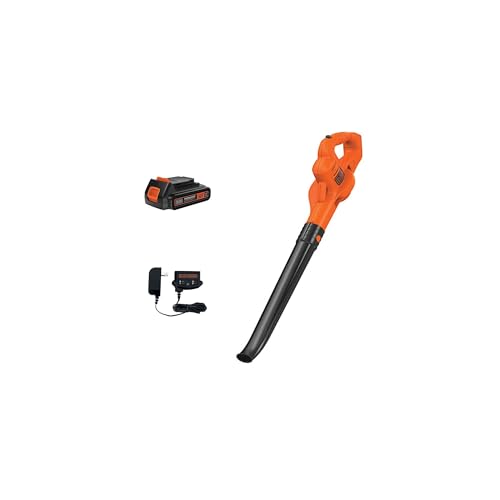
Look for a blower with 400–700 CFM (cubic feet per minute) for residential yards, or 700–1000+ CFM for commercial properties. Match power source to yard size: battery for under 1/4 acre, gas for over 1/2 acre. Verify airspeed exceeds 150 mph for wet leaves, and check local noise ordinances before purchasing.
Pros
- Produces up to a rated 765 CFM of blowing power
- Variable-speed trigger offers customizable air delivery
- Includes a 56V 5.0Ah battery and matching charger
Cons
- High-output operation can significantly reduce runtime per charge
- 5.0Ah battery adds noticeable weight for single-handed work
Pros
- M18 FUEL system utilizes dual battery power for high output
- Cordless design offers unrestricted portability across large areas
- Integrates with the Milwaukee M18 tool ecosystem
Cons
- Tool only; requires two M18 batteries and a charger sold separately
- Dual batteries increase overall handheld carrying weight
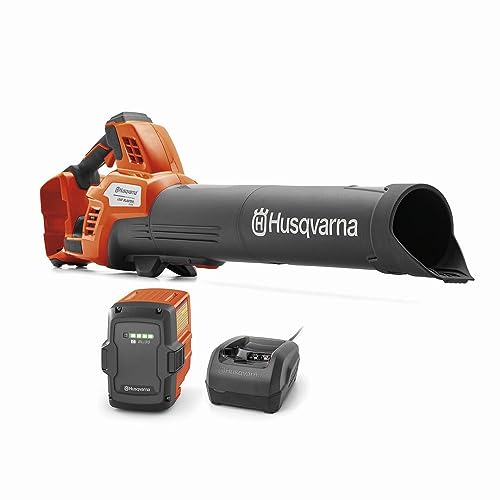
Pros
- Offers up to a manufacturer-rated 700 CFM air volume
- Brushless motor ensures efficient power delivery
- Includes a 4.0Ah battery and rapid charger
Cons
- The 60V battery pack adds weight during extended handheld use
Understanding Leaf Blower Specifications: The Technical Breakdown
Choosing the right leaf blower requires understanding two critical performance metrics that manufacturers often bury in specifications: CFM (Cubic Feet per Minute) and MPH (Miles Per Hour). These measurements represent fundamentally different aspects of blower performance, and confusing them leads to poor purchasing decisions.
CFM vs. MPH: The Physics of Air Movement
CFM measures air volume—how much air the blower moves per minute. This determines how many leaves you can displace in a single pass. A higher CFM rating means the blower can push more debris simultaneously, making it essential for large piles or wide areas.
MPH measures air velocity—how fast the air exits the nozzle. This determines the blower’s ability to break free stuck debris, lift wet leaves, or move material across hard surfaces like concrete or asphalt.
The relationship between these metrics follows basic fluid dynamics: a blower with high MPH but low CFM will create a narrow, fast stream that’s excellent for detail work but inefficient for clearing large areas. Conversely, high CFM with moderate MPH creates a wide, powerful air curtain ideal for sweeping entire lawns.
Performance Specifications by Yard Size
| Yard Size | Recommended CFM | Recommended MPH | Best Power Source | Typical Use Case |
|---|---|---|---|---|
| Under 1/4 acre | 200–400 CFM | 130–160 MPH | Battery (20V–40V) | Small patios, driveways, light debris |
| 1/4 to 1/2 acre | 400–600 CFM | 150–180 MPH | Battery (40V–60V) or Corded Electric | Standard residential, mixed debris |
| 1/2 to 1 acre | 600–800 CFM | 170–200 MPH | Battery (60V+) or Gas (2-stroke) | Large residential, wet leaves, small sticks |
| Over 1 acre | 800–1000+ CFM | 180–230+ MPH | Gas (backpack) or Commercial Battery | Commercial properties, heavy debris, extended runtime |
Power Source Comparison: Gas vs. Electric vs. Battery
Understanding the trade-offs between power sources requires examining both immediate performance and long-term ownership costs. Each technology has distinct advantages that align with specific user needs and property characteristics.
Gas-Powered Leaf Blowers
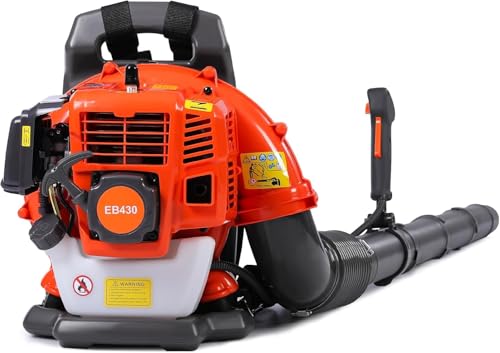
Advantages: Gas blowers deliver the highest sustained power output, typically ranging from 700–1000+ CFM in backpack configurations. They offer unlimited runtime as long as fuel is available, making them ideal for commercial operators or properties exceeding one acre. Two-stroke engines provide excellent power-to-weight ratios, while four-stroke models offer better fuel efficiency and lower emissions.
Disadvantages: Gas blowers require regular maintenance including oil changes, spark plug replacement, and carburetor cleaning. They produce noise levels between 70–80 decibels, often exceeding municipal noise ordinances. California has banned the sale of all new gas-powered leaf blowers, and many communities restrict their use to specific hours. Fuel costs average $15–25 per season for residential users.
Best For: Commercial landscapers, properties over one acre, heavy wet debris, extended operation periods exceeding 45 minutes.
Corded Electric Leaf Blowers
Advantages: Corded electric blowers provide consistent power without battery depletion or fuel costs. They typically weigh 6–10 pounds, reducing operator fatigue during extended use. Maintenance is minimal—no oil changes, spark plugs, or fuel system components. Noise levels range from 60–70 decibels, meeting most residential noise ordinances.
Disadvantages: The power cord limits mobility to approximately 100 feet from an outlet, requiring extension cords rated for outdoor use (12-gauge recommended for blowers over 10 amps). Cord management becomes cumbersome around obstacles, and the cord presents a tripping hazard. Power output typically maxes out around 400–500 CFM, insufficient for large properties or heavy debris.
Best For: Small yards under 1/4 acre, homeowners near outlets, budget-conscious buyers, noise-sensitive neighborhoods.
Battery-Powered Leaf Blowers
Advantages: Modern battery blowers offer the best balance of power, convenience, and environmental responsibility. Runtime has improved dramatically—40V batteries provide 20–40 minutes, while 60V–80V systems deliver 30–60 minutes of continuous operation. They produce zero emissions, operate at 55–65 decibels, and require virtually no maintenance beyond battery care. Many manufacturers offer battery ecosystems compatible with multiple tools.
Disadvantages: Battery blowers have higher upfront costs when purchasing the complete system (tool + battery + charger). Runtime limitations require planning for larger properties, and battery performance degrades in extreme cold. Premium models with 60V+ batteries can weigh 10–15 pounds, approaching gas blower weights.
Best For: Most residential users, noise-sensitive areas, environmentally conscious homeowners, properties under 1/2 acre.
Blower Design Types: Handheld vs. Backpack vs. Walk-Behind
The physical design of a leaf blower directly impacts operator comfort, maneuverability, and the types of tasks it can efficiently perform. Understanding these design differences helps match the tool to your specific physical capabilities and property layout.
Handheld Leaf Blowers
Handheld blowers weigh 4–12 pounds and are operated with one hand while the other hand directs the nozzle. They offer maximum maneuverability in tight spaces like flower beds, around vehicles, and along fence lines. Modern ergonomic designs include padded handles, balanced weight distribution, and adjustable nozzles for targeted airflow.
Limitations: Extended use (over 30 minutes) causes arm and shoulder fatigue. Power output is constrained by the weight an operator can comfortably hold, typically capping at 600–700 CFM in battery models.
Backpack Leaf Blowers
Backpack blowers distribute weight across the shoulders and hips, allowing operators to work for 1–2 hours without significant fatigue. They deliver the highest power output in handheld configurations, with commercial models exceeding 1000 CFM. The tube-mounted controls allow one-handed operation while the other hand guides the nozzle.
Considerations: Backpack blowers weigh 15–25 pounds fully loaded. They’re less maneuverable in tight spaces and require more storage space. The engine or battery pack sits close to the operator’s back, which can cause discomfort in hot weather.
Walk-Behind Leaf Blowers
Walk-behind blowers are wheeled units pushed by the operator, similar to lawn mowers. They produce the highest CFM ratings (1000–2000+ CFM) and are designed for commercial applications like parking lots, sports fields, and large commercial properties. They eliminate operator fatigue entirely but sacrifice maneuverability and require flat, obstacle-free terrain.
Best For: Commercial landscaping crews, large flat properties, parking lot maintenance, sports field preparation.
Diagnostic Matrix: Matching Your Needs to the Right Blower
Use this diagnostic framework to identify the optimal blower configuration for your specific situation. Answer each question honestly, then cross-reference your answers with the recommendations below.
Step 1: Assess Your Property
- Measure your total yard area (front yard + back yard + side yards). Include driveways, sidewalks, and patios that require blowing.
- Count mature trees producing significant leaf fall. Each large deciduous tree can generate 50–100 gallons of leaves annually.
- Evaluate terrain complexity—flat lawns are easier to clear than sloped yards with flower beds, retaining walls, or narrow passages.
- Identify debris types—dry leaves, wet leaves, pine needles, small sticks, acorns, or mixed debris require different power levels.
Step 2: Evaluate Your Physical Capabilities
- Arm and shoulder strength—can you comfortably hold 8–12 pounds for 30+ minutes? If not, consider backpack or walk-behind models.
- Back health—backpack blowers distribute weight but may aggravate existing back conditions. Walk-behind models eliminate this concern entirely.
- Hand grip strength—some blowers require sustained trigger pressure. Look for cruise control or lock-on features if grip strength is limited.
- Balance and mobility—uneven terrain requires stable footing while operating a blower. Consider lighter handheld models for challenging terrain.
Step 3: Consider Environmental and Regulatory Factors
- Check local noise ordinances—many municipalities restrict blower use to specific hours (typically 8 AM–6 PM) and enforce decibel limits (often 65–70 dB). California has banned new gas blower sales entirely.
- HOA restrictions—some homeowners associations prohibit gas-powered equipment or limit operating hours. Review your CC&Rs before purchasing.
- Neighbor proximity—if you share property lines, battery blowers operating at 55–65 dB cause significantly less disturbance than gas models at 70–80 dB.
- Emission regulations—EPA and CARB standards increasingly restrict two-stroke engine emissions. Battery blowers produce zero direct emissions.
Essential Features to Evaluate
Beyond basic specifications, several features significantly impact usability, comfort, and long-term satisfaction. Prioritize these features based on your specific needs and usage patterns.
Noise Level and Sound Quality
Measured in decibels (dB), noise levels directly affect operator comfort and neighbor relations. The decibel scale is logarithmic—a 10 dB increase represents a perceived doubling of loudness. A 70 dB blower sounds twice as loud as a 60 dB model.
Noise Level Guide:
- 50–60 dB: Quiet conversation level. Premium battery blowers operate in this range. Ideal for early morning use or noise-sensitive neighborhoods.
- 60–70 dB: Normal conversation level. Most battery and corded electric blowers fall here. Acceptable in most residential areas.
- 70–80 dB: Vacuum cleaner to garbage disposal level. Standard gas blowers operate here. May violate noise ordinances in some areas.
- 80+ dB: Lawn mower level. Commercial gas blowers can reach this range. Hearing protection recommended for extended use.
Ergonomics and Weight Distribution
Ergonomic design directly impacts operator fatigue and the duration you can comfortably work. Key ergonomic factors include:
- Handle design: Padded, contoured handles reduce hand fatigue. Look for soft-grip materials that absorb vibration.
- Weight balance: Well-balanced blowers feel lighter than their actual weight. The center of gravity should sit close to the handle, not at the nozzle or motor end.
- Adjustable features: Telescoping tubes accommodate different operator heights. Adjustable nozzles allow switching between wide-area blowing and targeted detail work.
- Vibration reduction: Anti-vibration systems in gas blowers reduce hand-arm vibration syndrome (HAVS) risk during extended use.
Starting Mechanism (Gas Models)
Starting difficulty is a common complaint with gas blowers. Modern starting systems significantly reduce effort:
- Pull-start (standard): Requires 2–5 pulls when properly maintained. Cold starts may require choke engagement and primer bulb depression.
- Easy-start systems: Reduced-effort pull mechanisms (like Stihl’s Easy2Start) require 40% less force, benefiting users with limited grip strength.
- Electric start: Battery-powered ignition eliminates pulling entirely. Press a button and the engine starts. Premium feature found on higher-end gas models.
- Push-button start (battery): All battery blowers start instantly with button press—no priming, choking, or pulling required.
Battery Compatibility and Runtime (Battery Models)
Battery specifications directly impact usability and long-term value:
- Voltage (V): Higher voltage generally indicates more power. 20V handles light tasks, 40V manages standard residential work, 60V–80V approaches gas-equivalent performance.
- Amp-hours (Ah): Higher Ah ratings provide longer runtime. A 4.0 Ah battery lasts twice as long as a 2.0 Ah battery at the same voltage.
- Runtime claims: Manufacturer runtime figures often use lowest speed settings. Expect 50–70% of advertised runtime at full power.
- Battery ecosystem: Choose brands offering multiple tools compatible with the same battery platform. This reduces long-term costs and storage requirements.
Maintenance Requirements by Power Source
Understanding maintenance requirements helps calculate true ownership costs and ensures optimal performance throughout the blower’s lifespan.
Gas Blower Maintenance Schedule
| Maintenance Task | Frequency | Estimated Cost | DIY Difficulty |
|---|---|---|---|
| Replace spark plug | Every 50–100 hours or annually | $3–8 | Easy |
| Clean/replace air filter | Every 10–25 hours or monthly during use | $5–15 | Easy |
| Change fuel filter | Annually | $3–10 | Easy |
| Drain/stabilize fuel | Before storage (end of season) | $5–10 (stabilizer) | Easy |
| Inspect fuel lines | Annually | $5–15 (if replacement needed) | Moderate |
| Carburetor cleaning | Annually or when performance degrades | $10–30 (carb kit) | Moderate |
| Professional tune-up | Every 2–3 years | $50–100 | N/A (professional) |
Battery Blower Maintenance
- Battery care: Store batteries at 40–60% charge in cool, dry locations. Avoid extreme heat (above 100°F) or cold (below 32°F) during storage. Full discharge before storage damages lithium-ion cells.
- Motor maintenance: Brushless motors require no maintenance. Brushed motors may need brush replacement after 200–300 hours of use ($10–20).
- Tube and nozzle cleaning: Clear debris from air intake and nozzle after each use to maintain airflow efficiency.
- Contact cleaning: Clean battery contacts with isoprecut alcohol annually to ensure reliable electrical connections.
Corded Electric Blower Maintenance
- Motor brushes: Inspect annually; replace when worn to 1/4 inch length ($5–15).
- Power cord inspection: Check for fraying, cuts, or exposed wires before each use. Replace damaged cords immediately to prevent electrical hazards.
- Air intake cleaning: Remove debris from intake vents monthly during active use.
- Storage: Coil cord loosely to prevent kinks. Store in dry location to prevent motor corrosion.
Common Troubleshooting Issues
Understanding common problems and their solutions helps you maintain optimal blower performance and avoid unnecessary repair costs.
Gas Blower Won’t Start
Diagnostic Steps:
- Check fuel level and freshness. Gasoline degrades after 30 days. Stale fuel is the #1 cause of starting problems. Drain old fuel and replace with fresh gasoline mixed with appropriate oil (for 2-stroke engines).
- Verify primer bulb function. Press the primer bulb 5–10 times. If fuel doesn’t flow through the clear fuel line, the bulb or fuel line may be cracked or clogged.
- Inspect spark plug. Remove and examine the spark plug. A fouled, corroded, or gap-widened plug prevents ignition. Replace if electrode is worn or deposits are heavy.
- Check air filter. A clogged air filter restricts airflow, preventing proper fuel-air mixture. Clean or replace if dirty.
- Verify choke position. Cold starts require full choke. Once engine fires, move to half choke, then run position as engine warms.
Reduced Airflow or Power
Diagnostic Steps:
- Inspect air intake and impeller. Debris wrapped around the impeller or blocking the intake screen drastically reduces airflow. Disconnect power/fuel and clear obstructions.
- Check for tube blockages. Leaves, twigs, or debris lodged in the blower tube restrict airflow. Disconnect the tube and inspect the entire length.
- Evaluate nozzle condition. Cracked, deformed, or improperly seated nozzles disrupt airflow patterns. Replace damaged nozzles.
- For gas models: Carburetor adjustment may be needed. If the engine runs but lacks power, the fuel-air mixture may be too lean or too rich. Professional adjustment recommended.
- For battery models: Low battery charge reduces motor speed and airflow. Fully charge battery and test. If problem persists, battery may need replacement.
Excessive Vibration
Diagnostic Steps:
- Check impeller balance. A damaged or unbalanced impeller causes vibration. Inspect for cracks, missing blades, or debris buildup. Replace if damaged.
- Inspect motor mounts. Loose or worn motor mounts transfer vibration to the housing. Tighten or replace mounts as needed.
- Verify housing integrity. Cracked housings can cause misalignment and vibration. Inspect for damage and replace if necessary.
- For gas models: Engine vibration may indicate loose mounting bolts, worn engine mounts, or internal engine problems. Tighten all accessible bolts and consult a technician if vibration persists.
Safety Considerations and Best Practices
Leaf blower operation involves high-speed air movement, rotating components, and (for gas models) combustion engines. Following safety protocols protects both the operator and bystanders.
Personal Protective Equipment (PPE)
- Safety glasses or goggles: Protect eyes from flying debris. Essential even with blowers featuring debris guards.
- Hearing protection: Required for gas blowers (70+ dB) and recommended for extended battery blower use. Foam earplugs (NRR 29) or earmuffs (NRR 25–30) reduce noise exposure.
- Dust mask or respirator: Prevents inhalation of dust, mold spores, and fine particulates disturbed during blowing. N95 masks provide adequate protection for most residential use.
- Closed-toe shoes: Protect feet from falling debris and provide stable footing on uneven terrain.
- Long pants and sleeves: Prevent skin irritation from airborne debris and protect against minor cuts from sticks or thorns.
Operational Safety
- Maintain safe distance: Keep bystanders, pets, and windows at least 15 feet from the blowing direction to prevent debris impact injuries or property damage.
- Avoid loose clothing: Secure loose sleeves, drawstrings, and jewelry that could contact the impeller or air intake.
- Watch for projectiles: Blowers can propel rocks, sticks, and hard debris at dangerous velocities. Scan the area before starting and remove hazardous objects manually.
- Use appropriate extension cords (corded models): Use outdoor-rated cords with sufficient ampacity. Undersized cords cause voltage drop, reducing motor performance and creating fire hazards.
- Store fuel safely (gas models): Store fuel in approved containers away from heat sources and ignition points. Follow local fire codes for fuel storage quantities.
Long-Term Value and Cost Analysis
The true cost of a leaf blower extends beyond the purchase price. Consider these factors when evaluating long-term value:
Total Cost of Ownership (5-Year Estimate)
| Cost Category | Gas Blower | Corded Electric | Battery Blower |
|---|---|---|---|
| Purchase price | $150–400 | $40–100 | $150–350 (tool + battery + charger) |
| Fuel/energy costs (5 years) | $75–125 | $10–25 (electricity) | $15–30 (electricity) |
| Maintenance parts (5 years) | $50–150 | $10–30 | $0–20 |
| Battery replacement (5 years) | N/A | N/A | $50–100 (if needed) |
| Professional service (5 years) | $100–200 | $0–50 | $0–50 |
| Total 5-Year Cost | $375–875 | $50–205 | $215–550 |
Note: Costs vary significantly based on usage frequency, local fuel/electricity prices, and maintenance practices. These estimates assume residential use (20–40 hours per year).
Related Resources
For more detailed comparisons and recommendations, explore these related guides:
- Best Cordless Leaf Blowers — Our top picks for battery-powered models across all price ranges and performance levels.
- Gas or Electric Leaf Blower Comparison — Detailed side-by-side analysis of power sources with pros, cons, and recommendations.
- Backpack vs Handheld Blower Comparison — Which design type matches your property size and physical capabilities?
- Chainsaw and Outdoor Tool Maintenance — Keep all your outdoor power equipment running at peak performance.
For further specifications and verified tests, explore our breakdown of small leaf blower.
Final Recommendations
Selecting the right leaf blower requires balancing performance specifications, power source characteristics, ergonomic design, and long-term costs against your specific property needs and usage patterns. Use the diagnostic matrix above to identify your priorities, then match those priorities to the specifications and features outlined in this guide.
For most residential homeowners with yards under 1/2 acre, a 40V–60V battery blower delivering 400–600 CFM provides the optimal balance of power, convenience, and low maintenance. Properties exceeding 1 acre or requiring heavy debris removal benefit from gas backpack blowers with 800+ CFM ratings, despite higher maintenance requirements and noise output.
Always verify local noise ordinances and HOA regulations before purchasing, as restrictions on gas-powered equipment are increasing nationwide. For comprehensive safety information, consult OSHA equipment safety regulations regarding outdoor power equipment operation.