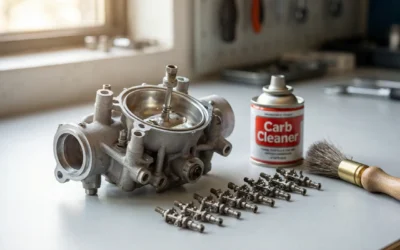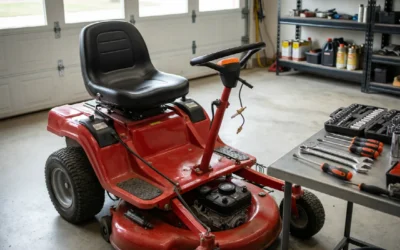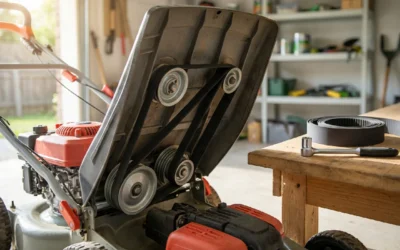
A carburetor regulates the air-fuel mixture that powers your lawn mower engine. Over time, this mixture can drift out of balance, causing rough idle, difficulty starting, or poor performance during mowing. Fortunately, most carburetors feature adjustment screws that let you fine-tune operation without professional service. This guide walks you through the general process, though your specific mower model may have unique requirements outlined in its owner’s manual.
Before You Start: Safety and Preparation
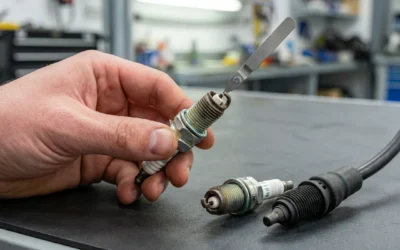
Working on a carburetor requires basic precautions. Always disconnect the spark plug wire before touching the engine to prevent accidental starting. Allow the engine to cool completely after recent operation, as carburetor components and fuel can become dangerously hot.
Gather essential tools before beginning: a screwdriver set (both flathead and Phillips), needle-nose pliers, a soft cloth or rag, and your mower’s owner’s manual. Some adjustments may require a tachometer to measure engine RPM accurately, though visual assessment of idle smoothness works for basic tuning.
Your owner’s manual is critical. It specifies which screws control what functions, the correct idle RPM target, and the direction to turn adjustment screws. Mower manufacturers often provide detailed carburetor diagrams and adjustment sequences specific to your model. Attempting adjustments without consulting this resource may cause engine damage or improper operation.
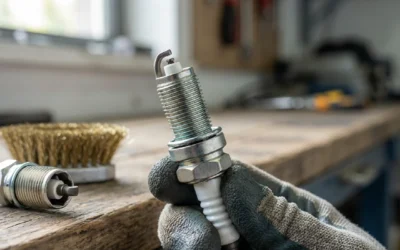
Ensure the engine is clean and fuel is fresh. Stale fuel or water contamination can mimic carburetor problems, so verify fuel quality before proceeding. Check that the air filter is clean, as a clogged filter restricts airflow and prevents proper mixture regardless of carburetor settings.
Understanding Carburetor Adjustment Screws
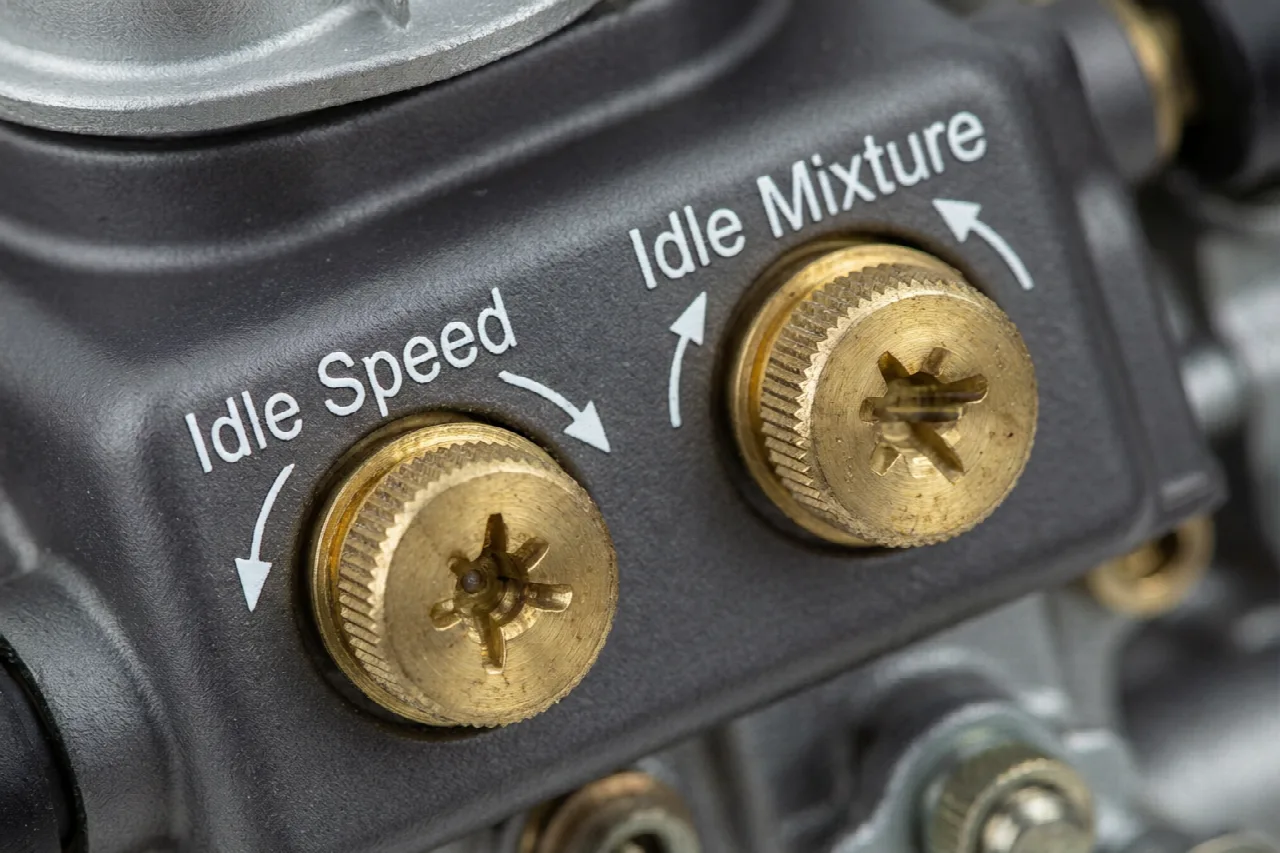
Most lawn mower carburetors have two primary adjustment screws: the idle speed screw and the idle mixture screw. Understanding their functions helps you adjust them correctly.
The idle speed screw controls how fast the engine runs when at rest. Turning this screw clockwise typically increases idle RPM, while counterclockwise reduces it. This screw ensures the engine doesn’t stall when you release the mower handle and maintains a stable, predictable idle speed. Most small engines idle between 1,200 and 1,500 RPM, though your manual will specify the exact target.
The idle mixture screw regulates the ratio of fuel to air at idle. Turning it clockwise leans the mixture (more air, less fuel), while counterclockwise enriches it (more fuel, less air). A lean mixture may cause the engine to hesitate or surge; a rich mixture produces rough idle, black smoke, and excess fuel consumption. The correct setting produces smooth, stable idle without stalling.
Some carburetors include an off-idle adjustment screw or high-speed mixture screw for performance under load. These are less commonly adjusted during routine maintenance and require careful attention to your manual’s instructions if adjustment is necessary. Improper high-speed adjustment can damage the engine.
Step-by-Step Carburetor Adjustment Procedure
Begin with the engine off and cool. Locate the adjustment screws on your carburetor. Most are accessible from the exterior and clearly marked in your owner’s manual with labels or arrows. Take a photo of the screw positions before making changes so you can reference the original state if needed.
Start the engine and allow it to warm up for 30 seconds to a minute. A cold engine produces erratic idle and won’t respond consistently to adjustments. Once warmed, the engine should idle, though perhaps roughly at this stage.
Begin with the idle mixture screw. Using your screwdriver, turn it slowly in quarter-turn increments. After each quarter-turn, pause and listen to the engine. You’re listening for smoother, more stable idle. Continue adjusting until the idle sounds smoothest. If you’re using a tachometer, note that proper mixture often falls within a narrow RPM band where the engine runs most smoothly. Do not over-tighten this screw; stop when you feel resistance, as forcing it damages the needle valve inside.
Next, adjust the idle speed screw to match your manual’s recommended RPM. If the engine idles too fast, turn the screw counterclockwise in small increments. If it idles too slowly, turn it clockwise. Make small changes and allow the engine to stabilize for a few seconds between adjustments. The idle should remain stable without stalling when you release the throttle.
Once both screws are set, run the mower under light load to confirm smooth operation. If the engine hesitates, stumbles, or stalls during use, shut it off, cool it, and revisit these adjustments. Fine-tuning often requires several iterations.
Troubleshooting Common Carburetor Problems
Recognize the symptoms that indicate carburetor adjustment is the appropriate fix. Rough or unstable idle, difficulty starting even with adequate fuel, and surging RPM during operation often point to mixture or speed misadjustment. However, not every engine problem is a carburetor issue.
If the engine won’t start at all, check simpler issues first: confirm fresh fuel is in the tank, the fuel cap vent isn’t blocked, and the spark plug wire is connected. A clogged fuel filter or kinked fuel line can prevent fuel from reaching the carburetor entirely, making carburetor adjustment irrelevant. Replace the fuel filter if it’s dirty or hasn’t been changed recently.
A clogged air filter restricts airflow, creating a mixture that’s too rich regardless of carburetor settings. If the engine runs rough and black smoke exits the exhaust, check the air filter first. Clean or replace it and test before adjusting the carburetor further.
If the engine still runs poorly after careful adjustment and you’ve confirmed fuel and air systems are clean, the carburetor may need internal cleaning or replacement. Varnish buildup inside the carburetor can block fuel passages and cause poor performance that adjustment alone cannot correct. This scenario typically requires professional service or carburetor replacement.
When to Seek Professional Help
Some situations warrant professional service rather than DIY adjustment. If you’ve adjusted both screws carefully and the engine still refuses to idle smoothly or start reliably, internal carburetor problems likely exist. Clogged jets, worn needles, or fuel residue inside the carburetor cannot be fixed with screw turning alone.
If adjusting screws feels difficult, won’t turn, or seems stuck, stop immediately. Forcing them can damage internal components and create expensive repairs. A stuck screw often indicates dried fuel or corrosion inside the carburetor, requiring professional cleaning.
If you’re uncomfortable working on small engines or your mower is still under warranty, professional service ensures proper adjustment and preserves warranty coverage. Lawn mower dealers and small engine repair shops have the expertise, tools, and replacement parts to address complex carburetor issues quickly and correctly.
Seasonal maintenance often includes professional carburetor inspection and cleaning, particularly if you store your mower over winter. This preventive approach keeps your carburetor functioning reliably and avoids problems when mowing season arrives.