Lawn mowing season typically ends in late fall, usually between October and November in most temperate regions, when grass growth slows and enters dormancy as soil temperatures drop below 50°F (10°C). The exact end date varies by region and grass type, so condition-based cues like slowed growth are more reliable than a fixed calendar date. Rather than relying on the calendar alone, watch your lawn for the signs that growth has stopped.
What Marks the End of Lawn Mowing Season?
The end of the mowing season is not a single event but a gradual process driven by environmental changes. As temperatures drop and daylight hours shorten, grass growth slows and eventually stops. Understanding the signals that mark the end of the season will help you time your final mow correctly and avoid damaging your lawn.
What Temperature Signals the End of Grass Growth?
Temperature is the primary driver of grass growth, and the end of the season is closely tied to soil and air temperatures. For cool-season grasses, growth slows dramatically when soil temperatures drop below 50°F (10°C), which typically happens in late fall. Warm-season grasses stop growing when soil temperatures fall below about 65°F (18°C). Once these thresholds are reached, the grass enters dormancy and no longer needs to be mowed.
How Does Grass Dormancy Mark the End of the Season?
Dormancy is the grass’s natural response to cold weather, allowing it to conserve energy and survive the winter. When grass enters dormancy, it stops growing, changes color, and requires far less water. This is the clearest signal that the mowing season is over. Dormant grass should not be mowed, as cutting it can stress the crown and leave the lawn vulnerable to winter damage.
How Does Daylight and Temperature Affect the Season’s End?
Daylight and temperature work together to signal the end of the growing season. Shorter days reduce the amount of photosynthesis the grass can perform, while cooler temperatures slow the metabolic processes that drive growth. Together, these factors tell the grass that it is time to prepare for winter. This is why the end of the season often feels abrupt: the grass may be growing well one week and nearly dormant the next.
How Does Your Region Affect When the Season Ends?
The end of the mowing season varies widely depending on where you live. Climate, geography, and grass type all play a role in determining when growth stops. Understanding your region’s patterns will help you plan your final mow and end-of-season lawn care.
When Does Mowing Season End in Northern Climates?
In northern climates, the mowing season typically ends in October or early November. Cold temperatures and early frosts bring grass growth to a halt quickly. The final mow usually happens just before the first hard freeze, and after that, the lawn enters dormancy for the winter. In some northern areas with very short growing seasons, the season may end as early as late September.
When Does Mowing Season End in Southern Climates?
In southern climates, the mowing season is often longer, but the end date depends on the grass type. Warm-season grasses, which thrive in the South, may continue growing into November or even December in mild years. Cool-season grasses, which are sometimes planted in the South for winter color, may need mowing throughout the winter. In general, southern homeowners can expect to mow later into the year than their northern counterparts.
How Do Cool-Season and Warm-Season Grass Regions Differ?
Cool-season grass regions, found in the northern and transitional zones, have a growing season that peaks in spring and fall. Their mowing season typically ends in late October or November. Warm-season grass regions, found in the South, have a growing season that peaks in summer, and their mowing season ends earlier in the fall, often by late September or October. The key difference is that cool-season grasses grow in cooler weather, while warm-season grasses grow in heat.
What Should You Do as the Mowing Season Ends?
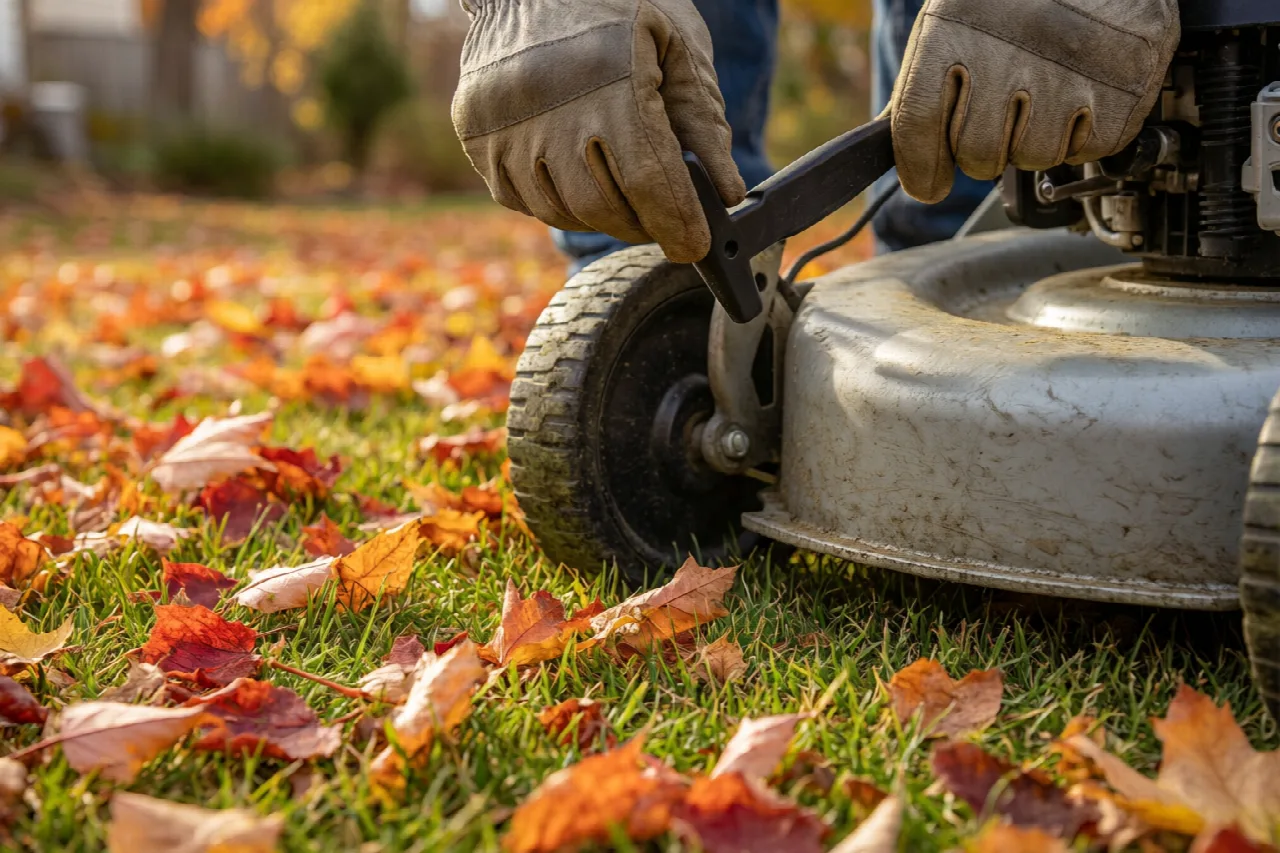
As the mowing season comes to a close, there are several tasks you should complete to protect your lawn and prepare your equipment for winter. Taking care of these tasks now will save you time and money in the spring.
What Height Should the Final Mow Be?
The final mow of the season should leave the grass slightly shorter than normal, but not scalped. Cool-season grasses should be cut to about 2 to 2.5 inches (5 to 6 cm), while warm-season grasses should be cut to about 1.5 to 2 inches (4 to 5 cm). This height reduces the risk of frost damage while still protecting the crown of the plant. Avoid cutting more than one-third of the blade at once.
Should You Fertilize or Aerate at the End of the Season?
Fertilizing and aerating at the end of the season can be beneficial, but the timing matters. A late-fall application of fertilizer can help cool-season grasses build strong roots before winter. Aeration, which relieves soil compaction, is also best done in the fall for cool-season grasses. However, you should avoid fertilizing warm-season grasses late in the season, as this can encourage growth that will be damaged by frost.
How Should You Prepare Your Mower for Winter Storage?
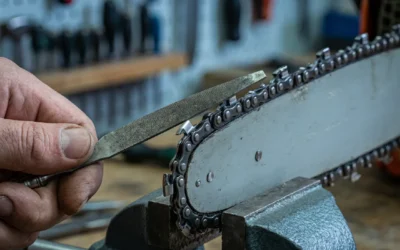
Proper mower storage is essential for keeping your equipment in good condition. Clean the underside of the deck to remove grass clippings and debris, which can cause rust. Drain the fuel or add a fuel stabilizer to prevent the gas from degrading over the winter. Change the oil, sharpen the blade, and check the air filter. Store the mower in a dry, protected location to keep it ready for spring.
What Are Common End-of-Season Mistakes to Avoid?
Many homeowners make avoidable mistakes as the mowing season ends. These errors can damage the lawn or the equipment, so it is worth taking the time to do things right.
Why Should You Avoid Mowing Too Late into the Season?
Mowing too late into the season can be harmful because cutting grass that has already entered dormancy can stress the crown and leave the lawn vulnerable to winter injury. Additionally, mowing wet or frost-covered grass can damage the turf and create clumps that smother the lawn. Once the grass has clearly stopped growing, it is time to put the mower away.
What Happens If You Cut Grass Too Short Before Winter?
Cutting grass too short before winter is a common and costly mistake. Scalping the lawn removes the leaf surface that protects the crown, leaving it exposed to frost and cold damage. It also reduces the grass’s ability to photosynthesize and store energy for the winter. A scalped lawn is more likely to suffer from winter kill and may take longer to recover in the spring.
Should You Mow Grass That Has Stopped Growing?
No, you should not mow grass that has stopped growing. There is nothing to cut, and mowing dormant grass can stress the plant and damage the crown. If you have a few green patches that are still growing, you can spot-mow those, but there is no benefit to mowing a fully dormant lawn. The best approach is to stop mowing once growth has clearly ceased.