Quick Answer: Choosing the Best Weed Eater String Types
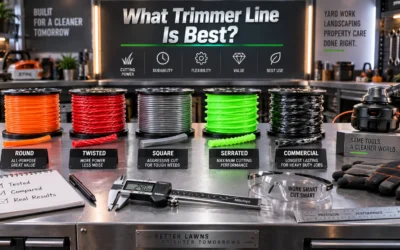
Weed eater string comes in several types, round, twisted, serrated, and specialty designs, each suited to different cutting conditions. Round string is versatile and durable for general trimming; twisted string offers improved cutting power for thicker vegetation; serrated string provides enhanced cutting efficiency on tough weeds and light brush; and specialty designs like square or star-shaped strings target specific debris types. The…

Pros
- Six-pack bundle listed in the product title
- Square profile line named in the product title
- Commercial 5 lb size listed for heavier use
Cons
- Trimmer compatibility is not verified in manufacturer listing

Pros
- Six-pack bundle listed in the product title
- Star profile line named in the product title
- Commercial 5 lb size listed for heavier use
Cons
- Line length and trimmer fit are not stated in manufacturer listing

Pros
- Title lists 1280 feet of line length
- Square profile named in the product title
- Lists a 5 lb line rating
- Title describes it as commercial-style line

Pros
- Title lists .095-inch square nylon line
- Lists 1280 feet of line length
- Manufacturer states fit with most string trimmers
- Lists a 5 lb line rating
Types of Trimmer Line and Their Characteristics
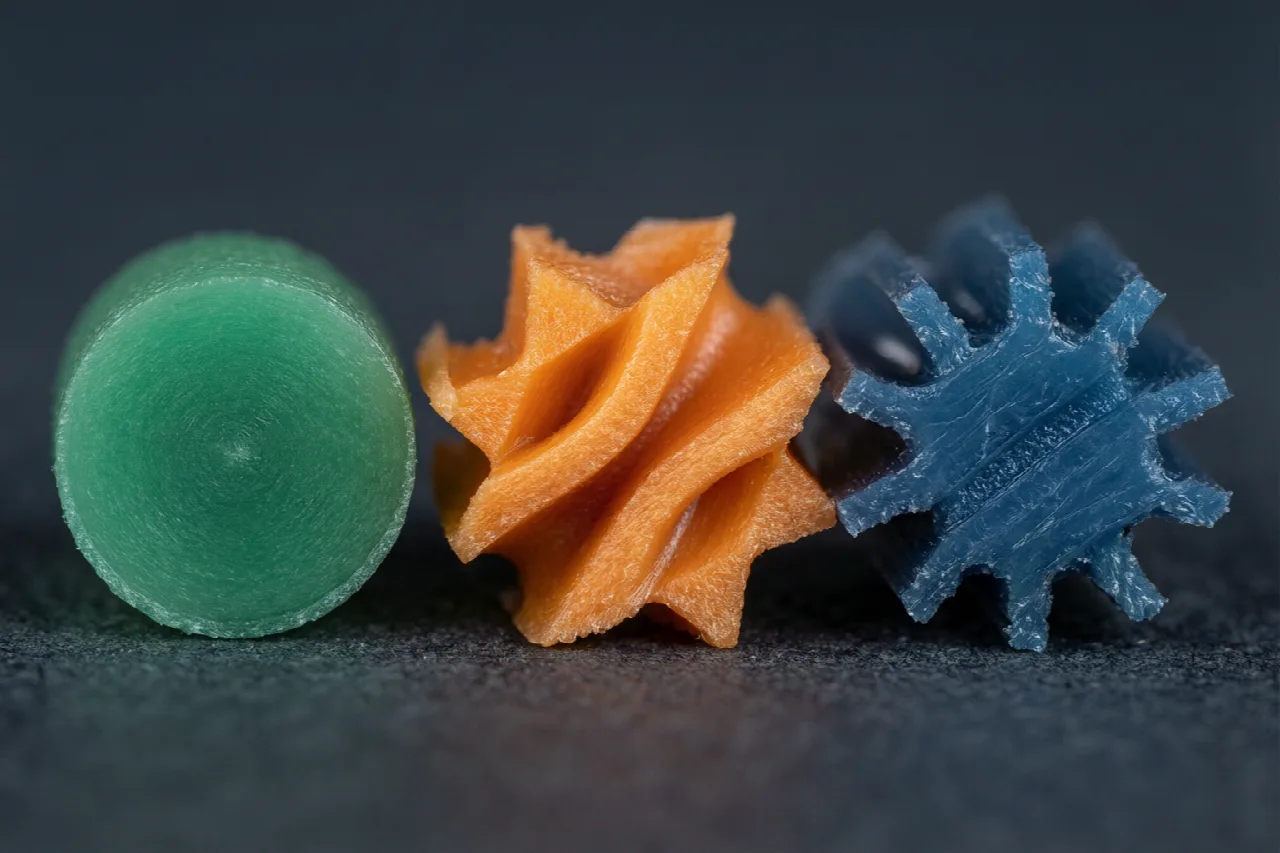
Trimmer line is not a one-size-fits-all product. Manufacturers design different shapes and profiles to handle specific cutting challenges, and understanding these differences helps you choose the right line for the job at hand.
Round trimmer line is the most common and widely available option. Its symmetrical shape allows it to feed smoothly from the trimmer head and provides consistent, predictable performance. Round line works well for general grass trimming along sidewalks, driveways, and garden beds. The smooth profile produces less noise than angular alternatives and tends to last reasonably well during routine use. However, round line does not cut as aggressively through thick vegetation, so it may struggle with dense weeds or overgrown areas.
Twisted or spiraled trimmer line features a helical design that improves aerodynamics and cutting efficiency. The twisted profile reduces wind resistance, which can decrease fuel consumption and reduce operator fatigue during extended use. Twisted line typically cuts through grass and weeds more cleanly than round line, leaving a neater finish. Many users find that twisted string performs better on thicker stems and more robust vegetation, making it a popular choice for yards with mixed grass types or areas that go a few weeks between trimmings.
Serrated trimmer line has small teeth or ridges along its edges, similar to a miniature saw blade. This aggressive profile excels at cutting through tough weeds, light brush, and woody stems that would stall or break smoother line types. Serrated string is particularly effective in neglected areas or properties with invasive plant species. The trade-off is that serrated line can wear faster when used on hard surfaces like concrete or gravel, and it may produce more noise during operation.
Square and star-shaped trimmer lines fall into the specialty category. Square line features four flat edges that create a whipping action, improving cutting power on dense grass. Star-shaped or multi-edge designs attempt to combine benefits from different profiles, offering multiple cutting surfaces in a single line. These specialty designs can be effective in specific situations, though availability varies by region and retailer.
Matching String Type to Cutting Conditions
The vegetation you regularly encounter should drive your trimmer line selection. Different plants present different cutting challenges, and choosing the right line profile can significantly improve your results.
For thick weeds and brush, serrated or aggressive twisted lines typically perform best. Dense vegetation with woody stems resists clean cuts from smooth round line, causing the string to wrap, break prematurely, or stall the trimmer head. Serrated line’s toothed edges grip and slice through these tougher materials more effectively. In yards with dandelions, thistle, or other deep-rooted weeds, upgrading from round to serrated line often produces noticeably better results without requiring multiple passes.
Light residential trimming of maintained lawns is where round line shines. If you mow regularly and only need to clean up edges along walkways, fences, and flower beds, round line provides reliable, long-lasting performance at a reasonable cost. The smooth profile feeds easily and wears predictably, making it ideal for routine upkeep where extreme cutting power is unnecessary. Readers comparing setup options can review our technical analysis on marshall stanmore iii vs harman kardon onyx studio 8.
Your yard’s debris types also matter. Properties with scattered sticks, pine cones, or small branches benefit from more durable twisted or square lines that resist breakage on impact. Yards primarily consisting of soft grass and light weeds may not justify the added cost of specialty lines. Consider the typical condition of your trimming areas throughout the growing season, including periods of rapid growth when vegetation may be thicker and more challenging to cut.
Power and Equipment Compatibility
Your trimmer’s specifications play an important role in determining which string types will perform well. Electric trimmers, gas-powered units, and commercial-grade machines all have different capabilities that affect line selection. For complementary field maintenance guidelines, examine our breakdown of dyson v8 cyclone vs bissell featherweight stick.
Trimmer engine power or motor strength determines how effectively the trimmer head can spin heavier or more aggressive line profiles. Cordless electric trimmers with lower voltage batteries may struggle with thick serrated line, as the added drag reduces speed and cutting efficiency. Gas trimmers with higher displacement engines generally handle aggressive line types without issue, maintaining adequate RPM even through dense vegetation.
String diameter directly impacts performance. Thicker line provides more durability and cutting power but requires more energy to spin. Most residential trimmers work best with line between 0.065 and 0.095 inches in diameter. Using line that is too thick for your trimmer can reduce cutting speed, increase vibration, and put unnecessary strain on the motor or engine. Consult your trimmer’s manual for recommended line diameters before choosing a heavier or more aggressive profile. To evaluate matched hardware tolerances, consult our detailed overview of bissell crosswave hydrosteam vs shark stainforce.
Not all trimmer heads accommodate all line types equally well. Fixed-line heads that use pre-cut lengths may work better with certain profiles, while automatic feed systems often perform optimally with round line that feeds smoothly. Bump-feed heads are generally versatile, but some aggressive line profiles may feed less reliably. Check your trimmer head’s specifications to ensure compatibility with your chosen line type.
Maintenance and Durability Considerations
Understanding how different line types wear and degrade helps you plan replacements and maintain consistent cutting performance throughout the season.
String type directly affects replacement frequency. Round line generally lasts longer during routine trimming on soft grass because its smooth surface encounters less resistance. Twisted and serrated lines, while more effective on tough vegetation, may wear faster when they contact hard surfaces like pavement, rock, or gravel edging. If your trimming areas include significant hardscape, round line may offer better economy despite its lower cutting aggression.
Humidity and moisture impact trimmer line storage and performance. Nylon-based lines absorb moisture from the air, which can make them slightly heavier and affect how they feed from the head. Storing line in a cool, dry location helps maintain its properties. Some users notice that line stored in humid garages or sheds feeds less smoothly than line kept in climate-controlled spaces. After prolonged storage in damp conditions, letting line sit in sunlight briefly can help dry it out before loading.
Proper storage conditions extend line life and preserve performance. Trimmer line stored at extreme temperatures may become brittle in cold conditions or overly soft in heat. A moderate, stable temperature is ideal. Keep unused line in its original packaging or an airtight container to minimize exposure to UV light and moisture, both of which can degrade nylon over time. When loading new line, cutting clean, square ends helps ensure smooth feeding from the trimmer head.
Regular inspection of your trimmer line during use helps you catch problems early. If you notice the line breaking frequently, wrapping around the head, or cutting unevenly, switching to a different diameter or profile may resolve the issue. Keeping spare line of the correct size on hand ensures you can address problems quickly and maintain your trimming schedule without extended downtime.
Related Maintenance and Operating Guides
To keep your equipment running at peak operating efficiency, explore our related technical walkthroughs and maintenance tutorials:
- Consult our detailed breakdown on cordless stick vacuum buyer guide.
- Consult our detailed breakdown on robotic pool cleaner comparison guide.
Line Selection and Safety Reading
Different string profiles suit grass, weeds, and edges, and a poor match can wear the head quickly. For general safety information about yard tools, see American National Standards Institute (ANSI).