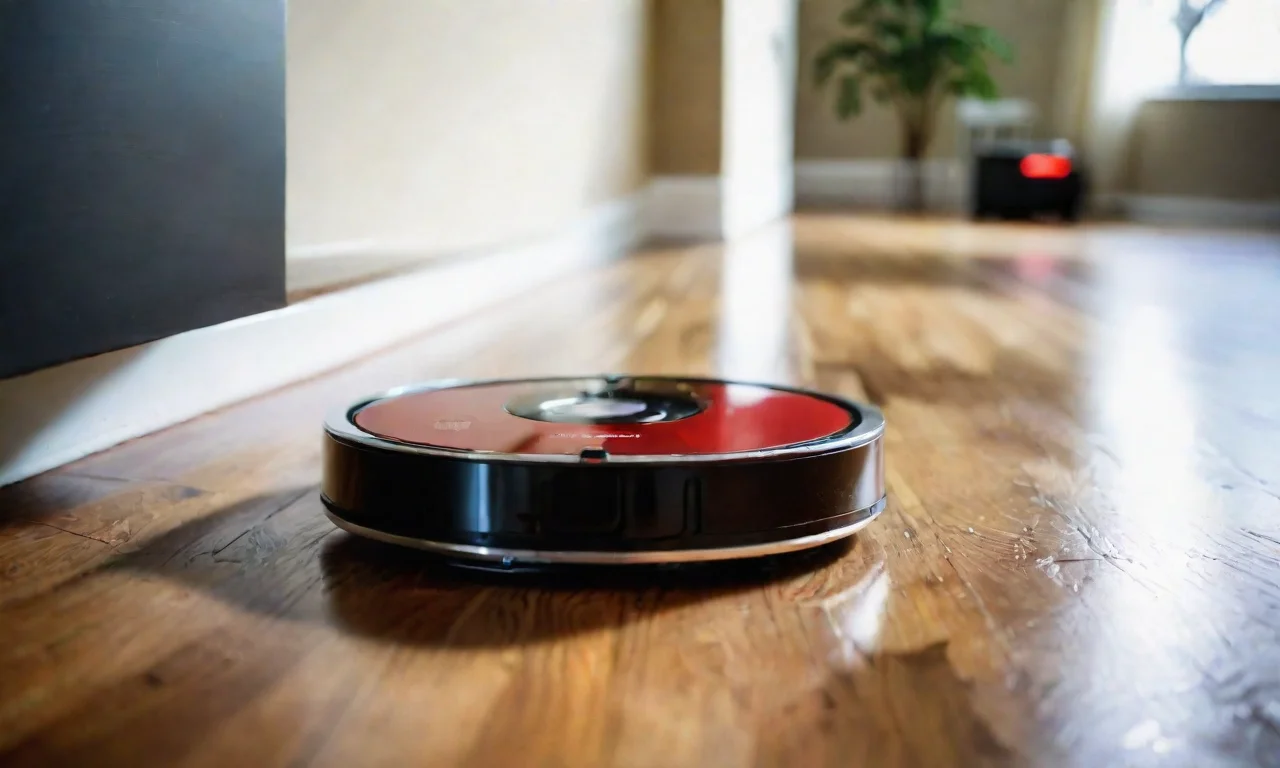
Quick Answer: Choosing the Best Mi Robot Vacuum Cleaner
When selecting a mi robot vacuum cleaner in 2026, focus first on suction power of 7000Pa or higher for deep carpet and pet hair removal, LiDAR or LDS mapping for logical multi-room coverage and no-go zones, self-emptying capacity measured in weeks or months of hands-free operation, and durable anti-tangle brushes plus HEPA filtration. Runtime, app or voice control, mopping…

Pros
- SLAM navigation with 12 sensors plans cleaning paths (manufacturer-stated)
- Scheduled cleaning lets the robot run while you are away
- Real-time view of the cleaning path and progress
- 5200 mAh battery with manufacturer-stated multi-protection design
Cons
- Rated runtime of about 2.5 hours per charge (manufacturer-stated)
- Listing details are incomplete, with no customer reviews or full description
Suction Power and Multi-Surface Cleaning Performance
Suction power stands as the core metric for any mi robot vacuum cleaner and is measured in Pascals (Pa). Units offering 7000Pa and above reliably extract embedded pet hair, dust, and debris from both hard floors and medium-pile carpets. Higher figures such as 10000Pa or 13000Pa deliver deeper extraction in a single pass while adaptive modes automatically increase intensity on carpets and reduce it on hard surfaces to conserve battery. Pair strong suction with dual anti-tangle main brushes and side brushes that resist long hair wrap to minimize mid-cycle interruptions common in pet households. For troubleshooting and reliability insights, consult our in-depth why robot vacuum keeps getting lost lidar fix report.
Filtration quality compounds cleaning results. High-efficiency filters capture fine particles that would otherwise recirculate, supporting better indoor air quality. For mixed floor homes, prioritize models that combine vacuuming with adjustable mopping water flow so one unit handles dry debris and light wet cleaning without separate passes. These specifications directly influence daily results more than brand marketing claims.
Navigation Technology and Mapping Accuracy
Modern mi robot vacuum cleaner units rely on LiDAR, LDS, or PreciSense laser systems rather than random bump-and-turn patterns. Accurate real-time mapping creates efficient cleaning paths, stores multi-floor layouts, and enables virtual no-go zones around pet bowls, cables, or fragile furniture. This technology reduces cleaning time, prevents falls down stairs via cliff sensors, and allows users to target specific rooms through an app. Visual or infrared obstacle avoidance further protects baseboards and chair legs during operation. Readers comparing setup options can review our technical analysis on roborock qrevo s pro vs dreame l10s pro ultra heat.
Homes larger than 1500 square feet benefit most from multi-map memory and auto-resume after recharging. Confirm 2.4GHz Wi-Fi support for stable app connectivity, as some units limit features without it. Precise navigation also improves battery utilization by avoiding redundant coverage of already cleaned zones.
Self-Emptying Stations and Hands-Free Maintenance
Self-emptying docks transform daily ownership of a mi robot vacuum cleaner by automatically transferring dirt into a large sealed bag after each run. Capacities ranging from 2.7L supporting 7-9 weeks to 5L enabling up to 150 days of operation eliminate the need to handle dust regularly. Look for sealed bags that contain allergens and pet dander. This feature proves essential for busy families or multi-pet homes where bin volume fills quickly. For complementary field maintenance guidelines, examine our breakdown of why is my robot vacuum not dispensing water.
Evaluate station size against available floor space and bag replacement cost. Models with auto-empty also often support auto-recharge and resume, extending effective coverage across larger homes. For expanded comparisons of these docks, review options in our robot vacuum with self-empty resource.
Brush Design, Anti-Tangle Systems, and Mopping Capability
Brush architecture determines how well a mi robot vacuum cleaner manages long human or pet hair. Dual anti-tangle main brushes combined with specialized side brushes that claim near-zero wrap significantly reduce the weekly cleaning of rollers. Rubber or hybrid bristle designs work effectively across floor types without scratching hardwood. Mopping functions add value when they include multiple water flow levels and removable cloths that can be washed or replaced.
Test data and user feedback consistently show that tangle-resistant systems maintain higher average suction over time because airflow stays unobstructed. Replace worn brushes and mop pads every 3-6 months using compatible kits to preserve these performance gains. To evaluate matched hardware tolerances, consult our detailed overview of can robot vacuums cross high thresholds.
Smart Controls, Runtime, and Noise Levels
App control enables scheduling, zone selection, real-time progress monitoring, and suction or water adjustments by room. Voice integration with Alexa, Google Assistant, or Siri adds convenience for hands-free starts. Runtime between 100 and 180 minutes on a single charge covers most single-story homes, with auto-return ensuring incomplete jobs finish after recharging. Slim profiles under 3 inches allow units to clean under furniture that taller robots miss.
Noise output around 55dB permits daytime or nighttime use without major disruption. Remote controls remain useful on non-Wi-Fi models for simpler operation by all household members. Confirm network requirements before purchase to avoid connectivity limitations.
Replacement Accessories and Xiaomi Mi Compatibility
Long-term ownership cost for a mi robot vacuum cleaner depends heavily on affordable, correctly fitting filters, main brushes, side brushes, and mop cloths. Kits designed specifically for Roborock E, S, and Xiaomi Mi series maintain original suction and filtration efficiency. High-strength nylon, ABS, and HEPA materials resist wear while capturing fine dust and dander. Brands supplying multi-packs reduce per-use expense compared with official single parts.
Replace filters every 3-6 months and brushes as they fray to avoid reduced airflow or floor streaking. Compatibility lists covering E25, S5, S6, Mop 2 Lite, 1C, and similar models ensure buyers select the right set on the first try. This approach extends the functional lifespan of core robots. Additional Xiaomi-specific guidance is available in our robot Xiaomi vacuum collection.
Our evaluation of top-rated mi robot vacuum cleaner models for 2026 centers on objective technical specifications rather than promotional language. We compared suction ratings, dust bag volumes, navigation sensors, brush designs, stated runtimes, and filtration claims drawn directly from product data. User satisfaction metrics ranging from 4.4 to 4.9 stars provided insight into real-world pet hair handling, reliability of self-empty docks, and ease of app pairing across diverse floor plans.
Brand consistency and support were factored through available warranty periods, material durability notes for filters and rollers, and compatibility breadth for Xiaomi Mi and Roborock ecosystems. Accessory kits received equal scrutiny for fit accuracy, pack completeness, and cost efficiency over repeated replacement cycles. This multi-criteria process prioritizes sustained performance, reduced maintenance load, and value within the established entry-level to premium to produce balanced recommendations free from manufacturer bias.
The best overall mi robot vacuum cleaner is the roborock Q7 M5+ Robot Vacuum and Mop. It combines 10000Pa HyperForce suction, dual anti-tangle JawScrapers main brush and side brush, PreciSense LiDAR for precise multi-room maps, and RockDock Plus self-emptying with a 2.7L bag that supports 7-9 weeks of hands-free cleaning. Simultaneous vacuuming and mopping with three water levels plus full app control for schedules and no-go zones make it suitable for most pet-friendly and multi-surface homes.
The best value choice is the eufy Robot Vacuum 11S MAX. Its super-slim 2.85-inch profile reaches under low furniture, BoostIQ adaptive suction handles hard floors to medium-pile carpets, and up to 100 minutes of quiet 55dB operation delivers thorough coverage without Wi-Fi complexity. Infrared obstacle and drop sensors plus self-charging provide reliable daily service for budget-conscious users who prefer remote or onboard controls. For high-demand pet hair environments the DREAME D20 Plus earns best specialized recognition through 13000Pa Vormax suction, DuoBrush anti-tangle technology, 5L self-empty bag lasting up to 150 days, Pathfinder mapping, and native Alexa, Siri, and Google voice support.
Accessory standouts such as Cabiclean and aoteng multi-packs supply main brushes, side brushes, and HEPA filters that keep Xiaomi Mi and Roborock units at original performance for far less than full robot replacement. The UNINELL model further suits multi-floor layouts with 180-minute runtime, 7000Pa carpet boost, 90-day self-empty, and storage of up to five maps. Slim-profile shoppers can also consider compact designs covered in our smallest robot vacuum guide. These selections from leading manufacturers address the full spectrum of needs while staying inside practical budgets. Explore the parent smart home category for complementary automation ideas.
Is it worth buying a mi robot vacuum cleaner in 2026?
Yes, current mi robot vacuum cleaner models deliver measurable reductions in weekly floor care time through strong suction, accurate mapping, and optional self-emptying. Improvements in battery life, anti-tangle brushes, and smart scheduling make them reliable daily tools for most households.
How often should I replace filters and brushes on a mi robot vacuum cleaner?
Replace filters and brushes every 3 to 6 months depending on usage frequency and pet presence to preserve suction power and air filtration. Multi-packs from compatible brands keep ongoing costs low and installation straightforward.
What suction power works best for pet hair with a mi robot vacuum cleaner?
Suction of 7000Pa or higher combined with dual anti-tangle brushes effectively lifts and retains pet hair from carpets and hard floors. Higher ratings such as 10000Pa to 13000Pa further improve single-pass results in multi-pet homes.
Do mi robot vacuum cleaner models support Alexa or other voice assistants?
Many mid-to-premium units integrate with Alexa, Google Home, and Siri for start, stop, and room-specific commands. Verify 2.4GHz Wi-Fi compatibility and app pairing during setup to enable full voice functionality.
How do I select the correct replacement parts for Xiaomi Mi robot vacuums?
Match kits explicitly listed for your model series such as E25, S5, S6, Mop 2 Lite, or 1C to guarantee proper fit of main brushes, side brushes, and filters. For broader maintenance strategies visit the vacuum cleaner category hub covering longevity tips across brands.
Mi App and Scheduling
Scheduling through a companion app lets a Mi robot clean while the house is empty. Set quiet hours if the robot runs at night. Background on safe charging for connected home devices is provided by the International Electrotechnical Commission (IEC).