Quick Answer: Choosing the Best Electric Edger Black And Decker
When choosing electric edger black and decker in 2026, prioritize a 6.5- to 12-amp motor, adjustable cutting depths of at least 1 inch, and true 2-in-1 or 3-in-1 conversion systems that maintain balance during use. Evaluate shaft adjustability, automatic feed mechanisms, and overall weight under 15 pounds for reduced fatigue across top-rated leading models. Reviewers and buyers examining the…

Pros
- Strong 12 Amp motor offers corded, steady power for demanding edging and light trenching tasks.
- Two-in-one design adds versatility for landscaping and utility trenching jobs.
- Three blade-depth settings improve control and allow more tailored cutting.
- 2-year limited warranty adds a basic level of buyer protection.
Cons
- Corded design limits mobility and requires access to an outdoor power source.
- Best suited for shallow trenches and residential yard work, not heavy-duty excavation.
- No included battery or cordless convenience for large properties or remote areas.
Overview & Design: The BLACK+DECKER LE760FF is a 2-in-1 electric lawn edger and trencher made for homeowners who want cleaner yard edges and light trenching from a single tool. Its corded design and 12 Amp motor signal a focus on steady power rather than portability.
Performance & Key Features: In everyday use, this tool is built to create sharp borders along driveways, sidewalks, patios, and other hardscapes. It also handles shallow trenches for cable, wire, irrigation lines, garden beds, and fencing installation. The three-position blade depth adjustment and pull-up edge guide should help users maintain more consistent cutting control.
Drawbacks & Considerations: The main tradeoff is the corded format, which reduces range and can be less convenient in larger yards. It is also designed for shallow trenching and routine landscaping, so buyers needing heavy excavation or maximum portability may want a different tool.
Verdict: This model makes the most sense for DIY homeowners who want one dependable tool for edging and light trenching, especially if they value consistent power and straightforward controls over cordless convenience.

Pros
- Strong 12-amp motor handles tough, overgrown edges better than many lighter electric units
- Dual edger and trencher functionality replaces two separate tools
- Adjustable three-position depth gives flexible control over cut depth
- Tool-free setup and cord retention make it beginner-friendly and convenient
- Ambidextrous assist handle suits both right and left-handed users
Cons
- Corded design limits range and requires an extension cord and nearby outlet
- Not suited for very large or remote properties where cordless mobility maters
- Manufacturer specifications such as weight and dimensions are not fully listed
The BLACK+DECKER LE750 is a corded electric edger and trencher that combines two lawn-care jobs in a single tool. It arives with tool-free assembly, so you can attach the handle and get started quickly. The reversible right or left-handed assist handle and built-in cord retention point to a design focused on everyday convenience for the average homeowner.
Performance and key features center on the 12-amp high-torque motor, which drives enough power to tackle tough overgrowth and cut clean, defined edges along walkways, driveways, and flower beds. The exclusive pull-up edge guide converts the unit from a standard edger into a landscape trencher, while the three-position blade depth adjustment lets you control how aggressively it cuts. An access door on the guard opens for easy clearing of clippings and debris.
Drawbacks worth considering come mainly from the corded format. You will need a nearby power outlet and an extension cord, which limits how far you can roam and makes it less ideal for large or remote yards. Some detailed specifications, including weight and exact dimensions, are not provided in the product data, so buyers wanting those figures should confirm before purchase.
Verdict: The BLACK+DECKER LE750 is a solid pick for homeowners with small to medium properties who want reliable, gas-free edging and occasional trenching. If you value consistent power, simple setup, and a two-in-one tool, it delivers. Those needing cordless fredom for larger lots may prefer a battery-powered alternative.
Essential Engineering Checklist for Electric Edger Black And Decker
A structured evaluation of motor output, cutting geometry, power source, ergonomics, multi-function design, and long-term parts support produces reliable results when comparing top-rated electric edger black and decker options currently available. The following criteria draw directly from published specifications and real-world usage patterns to guide selection across the entry-level to premium spectrum. Readers comparing setup options can review our technical analysis on gas vs battery leaf blower cfm. For complementary hardware performance, examine our breakdown on lawn edger.
Motor Power and RPM Performance
Motor amperage and free-spin RPM determine how cleanly a tool slices through compacted soil and overgrown grass along sidewalks or driveways. Models rated 12 amps typically deliver 4700 RPM or higher and handle dense turf without stalling, while 5- to 6.5-amp units suit lighter residential edging and periodic maintenance. Higher amp ratings also improve trench-digging capability when the tool converts to a trencher function. Calculate expected load by matching amp draw to the thickness of grass and soil type: clay soils demand the upper end of the range, whereas sandy loam works with mid-tier motors.
Look for POWERDRIVE-style transmissions or equivalent gearing that maintain torque under load. Continuous-duty motors reduce heat buildup during sessions longer than 20 minutes. When reviewing the full set of edgers specifications, prioritize documented amp ratings and RPM figures over marketing claims about raw power.
Blade Diameter, Depth Adjustment, and Cutting Geometry
Blade size and adjustable depth settings control both the crispness of the edge and the ability to create shallow trenches for irrigation or landscape fabric. A 7.5-inch blade paired with three depth positions (commonly 1 inch, 1.25 inch, and 1.5 inch) covers most residential and light commercial tasks. Smaller 10- to 12-inch string heads excel at tight curves but sacrifice depth consistency. Cutting line indicators or guide wheels further improve straight-line accuracy along hardscape borders. For complementary field maintenance guidelines, examine our breakdown of ryobi 40v string trimmer troubleshooting. For complementary hardware performance, examine our breakdown on battery operated edger specifications.
Confirm that depth changes require no tools and lock securely under vibration. Replacement blade availability is critical; dedicated metal blades outlast string for pure edging work. Match blade diameter to property size: lots under 0.25 acre often succeed with compact heads, while larger perimeters benefit from full 7.5-inch steel blades.
Power Source: Corded Electric versus Battery Platforms
Corded tools supply uninterrupted power and lighter overall weight because they eliminate battery packs, making them ideal for properties with ready outdoor outlets and extension-cord runs under 100 feet. Built-in cord retention clips prevent accidental unplugging. Cordless 20V MAX platforms add portability for sites without easy power access and often include dual-battery kits that support sequential runtime. Battery voltage and amp-hour ratings dictate total edge length possible before recharge; two batteries typically allow full completion of a standard suburban lot. To evaluate matched hardware tolerances, consult our detailed overview of how to replace string trimmer head. For complementary hardware performance, examine our breakdown on lawn edger specifications.
Evaluate runtime claims against actual amp draw of the motor. Corded units win on continuous high-load tasks such as trenching, while cordless systems suit quick touch-ups and multi-tool sharing within the same battery ecosystem. Factor extension-cord gauge (12 or 14 AWG recommended) into total system cost for corded models.
Ergonomics, Weight, and Adjustable Shaft Design
Tools under 15 pounds with telescoping shafts and multi-position D-grips or auxiliary handles reduce shoulder and back strain during prolonged edging sessions. Height-adjustable shafts accommodate users from approximately 5 feet to over 6 feet tall without forced stooping. Soft-grip surfaces and balanced weight distribution around the motor housing further improve control when walking backward along a curb.
Test for vibration levels in published user feedback; excessive vibration accelerates fatigue and can loosen fasteners over time. Auxiliary front handles that fold or rotate for storage add practical value for garage or shed placement. Prioritize models whose center of gravity stays low when the head is rotated into edging position.
Multi-Function Conversion and Accessory Ecosystem
True 2-in-1 edger-trencher or 3-in-1 mower-trimmer-edger designs maximize value by reducing the number of separate tools stored. Conversion should require only a quick head rotation or deck attachment that locks without tools. Automatic Feed Spool systems eliminate constant bumping for string-based heads, while metal blades offer longer life for dedicated edging. Accessory compatibility, such as spare spools or replacement blades, extends service life and lowers long-term ownership cost within the entry-level to premium band.
Verify that conversion maintains wheel contact or guide stability so the tool does not tip during edge work. Combo kits that include batteries, chargers, and multiple heads deliver higher utility for buyers who already own matching battery platforms. Single-purpose wheeled edgers remain preferable when maximum depth and straight-line precision outweigh multi-tool flexibility.
Brand Reliability and Parts Availability
leading manufacturers dominate the segment with extensive service networks and readily stocked wear parts. Consistent availability of replacement blades, spools, and guards keeps tools operational for multiple seasons. Warranty length and ease of claims processing further differentiate models that deliver multi-year value from those that become disposable after heavy use.
Cross-reference user satisfaction metrics with published specifications rather than relying solely on star ratings. Tools backed by clear parts diagrams and common retail stocking patterns reduce downtime. When comparing the broader set of edgers from established brands, favor those whose core components share platforms across multiple SKUs.
| Model | Motor Rating | Blade / Cutting Width | Primary Functions |
|---|---|---|---|
| WORX 12 Amp 7.5” Electric Lawn Edger & Trencher | 12 Amp / 4700 RPM | 7.5 inch | Edger & Trencher |
| BLACK+DECKER LE760FF 12 Amp Edger Trencher | 12 Amp | 7.5 inch | Edger & Trencher |
| BLACK+DECKER BESTA512CM 3-in-1 Combo | 6.5 Amp / up to 8000 RPM | 12 inch | Mower, Trimmer, Edger |
Motor Rating and Function Criteria
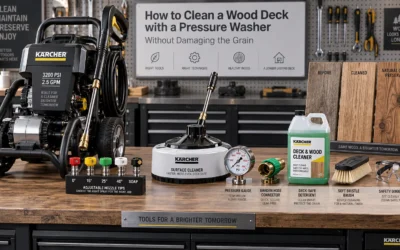
Electric edger choices lean on manufacturer specifications and product data from Amazon listings, with customer reviews noted where they appear. Model, motor rating, blade or cutting width and primary functions are the criteria for electric edgers in this group. The table places those columns side by side, and readers after a different yard task can look at cleaning a wood deck with a pressure washer.
Final Verdict: Choosing the Right Edgers
After systematic comparison of the full set, three models stand out for distinct buyer needs. The WORX 12 Amp 7.5” Electric Lawn Edger & Trencher earns Best Overall Electric Edger Black And Decker status thanks to its high 12-amp motor, 4700 RPM blade speed, three-position depth control, adjustable shaft, and dedicated cutting line indicator that together produce professional-grade edges and trenches. Its robust construction and clear performance numbers make it the most capable pure edging solution among the group.
Best Value / Budget Choice is the BLACK+DECKER String Trimmer Weed Eater BESTE620. At the lower end of the spectrum it supplies a 6.5-amp motor, 14-inch cutting deck, and genuine 2-in-1 trimmer-edger conversion in a lightweight package suitable for smaller properties and routine border maintenance. The automatic feed spool and simple rotation mechanism deliver practical utility without unnecessary complexity or cost.
Best for Multi-Task Homeowners is the BLACK+DECKER Electric Lawn Mower, Weed Eater and Edger 3-in-1 Combo BESTA512CM. Its 6.5-amp POWERDRIVE system, 12-inch deck, automatic feed, and quick conversion from mower to trimmer to wheeled edger consolidate three tools into one compact unit ideal for small lawns. Buyers seeking maximum versatility within a single purchase will find its accessory set and adjustable handles particularly useful. For further category context explore additional edgers and landscaping tools that complement these core selections.
Common Questions on Electric Edger Black And Decker Answered
What motor size is best for a electric edger black and decker?
A 12-amp motor provides the strongest performance for dense grass and soil, while 6.5-amp units handle typical residential edges efficiently. Match amp rating to property size and soil density for reliable results without frequent stalling.
Should I choose a corded or cordless electric edger?
Corded models deliver continuous power and lower weight for properties with outdoor outlets, whereas cordless 20V systems offer freedom of movement and multi-tool battery sharing. Select corded for long uninterrupted sessions and cordless for portability and quick jobs.
How important are depth adjustments on an electric edger?
Three or more depth settings between 1 inch and 1.5 inches allow precise control for clean sidewalk edges or shallow trenches. Fixed-depth tools limit versatility and may leave uneven results on uneven terrain.
Can a string trimmer replace a dedicated electric edger black and decker?
Many 2-in-1 string trimmers convert adequately for light edging, but dedicated wheeled edgers with metal blades produce straighter, deeper cuts with less operator effort. Choose conversion models for multi-use convenience and dedicated edgers for professional-looking borders. Additional guidance appears in the broader edgers buying resources.
What is the typical lifespan of these tools?
With regular cleaning, proper storage, and timely replacement of blades or spools, quality electric edgers commonly last several seasons of residential use. Brands offering readily available wear parts extend service life significantly beyond the initial purchase window.
Definitions and Further Reading
Before shopping, a plain explanation of the basic terms can help, so the page on define edger is worth a quick look.
Electric models plug in or run on battery packs, and the American National Standards Institute (ANSI) offers general background on safety for these tools.