Quick Answer: Choosing the Best Garden Edging Tool
When choosing the best garden edging tool in 2026, focus on tempered blade materials for slicing compacted soil and roots, ergonomic T-grip or rubber handles that minimize back strain during repeated use, and wide footplates that provide leverage for step-and-press action. Our review of top-rated models emphasizes these practical factors alongside rust resistance and length adjustability to match different…
Pros
- Purpose-built as a hand turf edger for accurate edge definition
- Half moon design is well suited to clean, controlled edging
- No power source required, which keeps operation simple
Cons
- No detailed specifications are provided in the manufacturer listing, so buyers may need to verify build and material details elsewhere
- As a manual edger, it will require more physical effort than powered edging tools
- No accessory, warranty, or included-feature information is available in the raw data
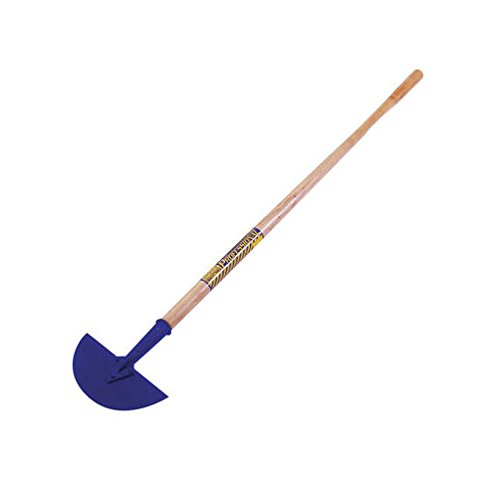
Overview: The Seymour 49043 is an 8.75-inch half moon turf edger built as a manual hand tool for maintaining clean lawn borders. Its simple design suggests a focus on control and precision rather than powered convenience.
Performance: For routine edging along turf lines, walkways, and garden edges, the half moon shape is a practical choice because it supports neat, defined cuts. Since it is a hand edger, performance depends on user effort and technique, which can be an advantage for detailed work.
Drawbacks: The manufacturer listing does not include material details, warranty information, or accessory content, so shoppers may need to confirm those before buying. It is also a manual tool, so it may not be ideal for users who prefer faster powered edging.
Verdict: The Seymour 49043 is best for buyers who want a straightforward, no-power solution for maintaining crisp lawn edges. It is most compelling for homeowners or landscapers who value control and clean results over automation.

Pros
- Made by Seymour, a brand associated with professional-grade hand tools
- Half moon turf edger format is ideal for precise edging work
- Hardwood handle offers a solid, dependable grip and feel
- Designed with durability in mind for demanding environments
Cons
- Manual operation means it requires physical effort and is slower than powered edgers
- No detailed specifications such as dimensions or weight are provided in the manufacturer listing
- Limited feature set compared with powered or multi-function edging tools
Overview & Design: The Seymour WE-65 is a half moon turf edger with a hardwood handle, built as a straightforward manual tool for edging lawn and turf areas. Its design suggests a focus on durability and reliable everyday use rather than extra features.
Performance & Key Features: This edger is aimed at contractors, landscapers, handymen, farmers, ranchers, and other users who rely on tools in demanding conditions. The half moon blade shape supports clean edging work, while the hardwood handle adds a sturdy, traditional feel.
Drawbacks & Considerations: Because it is a hand tool, it will require more effort than powered edging equipment and may not be the best choice for large properties or frequent heavy-duty trimming. The available product data also does not include specifications such as weight, dimensions, or included accessories.
Verdict: The Seymour WE-65 is best suited to buyers who want a simple, durable turf edger for controlled manual work. It is a practical choice for professionals and property owners who value toughness and precision over convenience features.

Pros
- Straight-edging trapezoidal blade is well suited for crisp borders on beds and lawns.
- Long handle improves comfort for users who prefer less bending while working.
- Boron steel and ash wood construction suggest strong durability for regular garden use.
- Lightweight design at 1.13 kg makes it easier to control than heavier edging tools.
Cons
- Manual edging requires physical effort and is slower than powered lawn edgers for large areas.
- The 104 cm handle may not suit every user height or working preference.
- Wooden handle construction can require more care than plastic or metal alternatives over time.
Overview and design: The Fiskars Classic Lawn Edger 1003707 is a manual hand edger designed for trimming straight edges along lawns and beds. It combines a boron steel head with a knot-free ash wood handle, giving it a classic, durable build and a straightforward, purpose-driven design.
Performance and key features: Its trapezoidal spade shape is intended to help create very straight borders, while the 104 cm handle supports a more comfortable working posture. The T-grip is meant to improve hand positioning and control, and the lightweight 1.13 kg construction should make the tool manageable for routine edging tasks.
Drawbacks and considerations: This is a manual tool, so it will take more effort than a powered edger, especially on larger lawns or overgrown edges. The wooden handle also means users should expect a more traditional tool that may need a bit more care than synthetic alternatives.
Verdict: This edger makes the most sense for gardeners who want clean, precise borders and prefer a durable, no-power tool with an upright working posture. It is a strong fit for regular maintenance on smaller to medium garden areas where control and simplicity matter most.

Pros
- No power source required, so it avoids charging, fuel, and cord management.
- Stainless steel and metal construction should offer better durability than lightweight plastic alternatives.
- Easy to assemble and simple to store thanks to the hanging-hole handle design.
- Manual operation gives users direct control over edging length and cutting placement.
Cons
- Manual operation may take more effort and time than powered edgers on larger properties.
- No dimensions, weight, or cutting width are provided, which makes it harder to judge fit before purchase.
- With no customer reviews included in the raw data, long-term performance is less verified.
Overview: The ZGUZMCMK Manual Lawn Edger Tool is a handheld yard edging tool designed for trimming grass along borders, garden edges, and outdoor pathways. It uses a long-handle format with a stainless steel rod and metal cutter head, giving it a sturdy, practical feel for basic home landscaping tasks.
Performance & Features: This edger is built for manual control, which makes it useful for users who want a simple tool instead of a powered machine. The rotary-style cutter is intended to create cleaner lawn edges, while the smooth roller and sharp cutting design aim to make trimming more controlled. It is also described as easy to install and easy to carry, which helps with everyday use and storage.
Drawbacks & Considerations: Because it is manual, it will likely require more physical effort than electric or gas-powered options, especially on larger yards. The product details do not include measurements, weight, or cutting width, so shoppers cannot fully compare size-specific performance from the listing alone. There are also no customer review details in the manufacturer listing to confirm long-term user experience.
Verdict: This is a sensible choice for homeowners who need a straightforward, low-maintenance lawn edging tool for light to moderate yard care. It is best suited to buyers who value simple assembly, durable metal construction, and manual control over maximum speed or automation.

Pros
- Rust-resistant stainless steel blade supports long-term outdoor use.
- Ergonomic ash wood T-handle provides natural grip control.
- Reinforced construction adds stability for repeated edging tasks.
- Multi-purpose design is useful for several garden border jobs.
Cons
- Manual operation requires physical effort and may be slower than powered edgers.
- No dimensions or weight are provided, so portability and reach are hard to judge before purchase.
- The product listing does not include accessories or replacement parts.
Overview & Design: The Berry&Bird Lawn Edger Tool is a manual garden edging tool built around a stainless steel half-moon blade and an ash wood T-handle. The design focuses on simple, durable construction with a natural wood grip and a rust-resistant metal head.
Performance & Key Features: In use, the sharp blade is intended to slice cleanly through grass and soil, helping create neat borders along flower beds, sidewalks, driveways, and tree rings. The mirror-polished cutter head is meant to reduce dirt adhesion, while the thickened foot pedal and reinforced joints add support when pressing into tougher ground.
Drawbacks & Considerations: This is a manual tool, so it will require more effort than a powered edger, especially on hard or overgrown soil. The listing does not provide measurements, weight, or included accessories, which makes it harder to compare against similar tools with more complete specifications.
Verdict: The Berry&Bird Lawn Edger Tool is a practical option for gardeners who want a sturdy, low-maintenance edging tool for routine border cleanup. It should appeal most to users who value clean cuts, simple storage, and a traditional hand tool over battery-powered convenience.
Essential Engineering Checklist for Garden Edging Tool
A well-chosen garden edging tool depends on matching tool design to your soil type, border length, and physical comfort requirements rather than simply picking the lowest cost option. The following criteria form the foundation of our evaluation process for all top-rated models reviewed. Readers comparing setup options can review our technical analysis on gas vs battery leaf blower cfm. For complementary hardware performance, examine our breakdown on lawn edger.
Blade Design and Material
Blade geometry and steel composition determine how cleanly a garden edging tool slices through sod, small roots, and compacted earth without bending or dulling after limited use. Half-moon shapes with saw-tooth or serrated edges excel at creating defined trenches for flower beds and sidewalks, while flat or chopper-style blades suit broader soil removal. Tempered carbon steel, manganese steel, and spring steel rank highest for edge retention and resistance to impact, as seen in models featuring 8-inch blades that maintain sharpness through repeated heavy-duty cycles. Avoid thin stamped steel that flexes under pressure, since this leads to uneven borders and frequent resharpening.
For users dealing with clay or root-filled soil, prioritize blades explicitly labeled as carbon steel or manganese for their hardness ratings. This single specification often separates tools that last multiple seasons from those that require early replacement, making blade quality the first filter in any garden edging tool comparison. For complementary field maintenance guidelines, examine our breakdown of ryobi 40v string trimmer troubleshooting. For complementary hardware performance, examine our breakdown on battery operated edger specifications.
Handle Ergonomics and Length Adjustability
Handle design directly impacts user fatigue during extended edging sessions, especially for taller individuals or those with existing back concerns. T-grip handles provide superior control and two-handed stability compared to simple straight shafts, while softer rubberized grips reduce hand slip and vibration transfer. Adjustable lengths ranging from 38 inches to 49 inches allow customization for different body heights and working angles, preventing the need to stoop excessively. Fixed-length options around 39 to 41 inches work well for average users but may limit versatility across household members.
Look for tools that ship with clear assembly instructions for multi-piece handles, as quick setup saves time before the first use. One-piece constructions eliminate joint failure points and often feel more solid under foot pressure. Proper handle selection transforms a strenuous chore into a manageable task that can be completed in short sessions without residual discomfort.
Footplate Leverage and Stability
A wide, slip-resistant footplate multiplies the downward force applied by body weight, allowing the blade to penetrate tough soil without excessive bending or upper-body strain. Models with extra-wide plates excel for trenching along long driveways or creating deep borders for cable burial, as they distribute pressure evenly and keep the tool vertical. Narrow or absent footplates force users to push with hands alone, increasing the risk of blade deflection and incomplete cuts. Test descriptions that mention leverage systems indicate designs engineered for real landscaping rather than light decorative work.
When reviewing top-rated options, prioritize those with reinforced footplates attached near the blade base, as this configuration maximizes mechanical advantage. Combined with a sturdy frame, the footplate becomes essential for achieving professional-looking edges on first pass rather than requiring multiple corrections.
Durability, Rust Resistance, and Frame Construction
Outdoor tools face constant moisture, soil acids, and occasional impacts, so frame materials and protective coatings dictate long-term reliability. Carbon steel frames with rust-resistant finishes, spring steel blades, and manganese steel edges withstand seasons of exposure better than untreated metals that pit and weaken. One-piece welded designs reduce failure at connection points compared to multi-piece assemblies that may loosen over time. Brands with established reputations for garden implements typically apply thicker coatings and use higher-grade alloys in their garden edging tool offerings.
Inspect product details for mentions of rustproof treatments or heavy-duty steel grades before purchase. A durable garden edging tool retains its cutting efficiency and structural integrity far longer, delivering better cost-per-use value even if the initial outlay sits higher within the available entry-level to premium.
Ease of Assembly, Storage, and Multi-Purpose Use
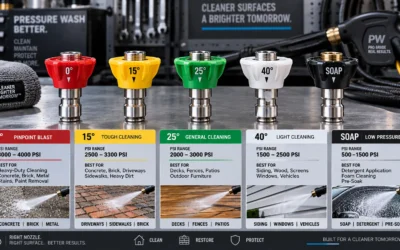
Tools that arrive in compact multi-piece kits simplify shipping and garage storage yet require straightforward reassembly without specialized tools. One-piece models trade some storage convenience for immediate readiness and greater rigidity. Beyond basic edging, versatile garden edging tool designs support secondary tasks such as creating shallow trenches for irrigation lines or defining mulch beds, extending their utility across the full gardening season. Clear dimensional data, such as assembled lengths near 38 to 41 inches, helps confirm fit for your storage space and working height. When planning workspace deployment, consider the engineering criteria outlined in our pressure washer nozzle color guide guide.
Cross-referencing these practical attributes against the broader selection of tools in the Edgers section ensures you select a model that integrates smoothly into existing landscaping routines without creating new storage or setup frustrations.
Specification Comparison Table
The table below isolates three core products across blade, handle, and construction attributes to illustrate how specifications translate into real-world performance differences.
| Model | Blade Material and Style | Handle Design | Construction Strength |
|---|---|---|---|
| Garden Weasel Edger-Chopper Manual Lawn Edger Tool | Tempered 8-inch carbon steel | Ergonomic T-handle with slip-resistant footplate | Rust-resistant carbon steel frame, multi-piece assembly |
| AMES 2917200 Saw-Tooth Border Edger | Saw-tooth border design | T-Grip, 39-inch length | Established brand steel construction |
| CKLT One-Piece 41in Manual Edger Lawn Tool | Spring steel with manganese steel border | Rubber handle, one-piece 41-inch | Rustproof one-piece design for landscaping |
Construction Strength for Garden Tools
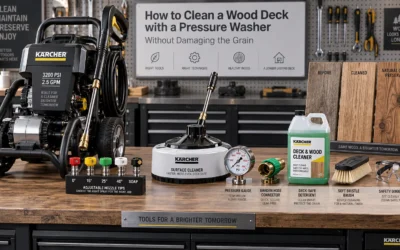
Garden edging tools here are based on manufacturer specifications and product data listed on Amazon. The table sets model, blade material and style, handle design and construction strength side by side, so readers can compare how each tool is put together. Blade material and handle design are the main points of contrast, while construction strength adds a note on overall build. Readers planning other cleaning work around the yard may want to read cleaning a wood deck with a pressure washer next.
Final Verdict: Choosing the Right Garden Edging Tool
After evaluating the full set of top-rated options, clear leaders emerge according to distinct buyer priorities. These selections balance the core factors of blade performance, ergonomic support, and long-term construction integrity while remaining accessible within typical budgets.
Best Overall Garden Edging Tool: Garden Weasel Edger-Chopper Manual Lawn Edger Tool stands out for its tempered 8-inch carbon steel blade that delivers crisp borders along flower beds and walkways, combined with an ergonomic T-handle and extra-wide slip-resistant footplate that reduces bending strain. The rust-resistant carbon steel frame and straightforward multi-piece assembly make it suitable for both occasional and frequent use, providing professional-level finishes without powered assistance. Its design directly addresses the most common pain points of leverage and durability.
Best Value / Budget Choice: Orcela Lawn Edger Tool or the KYEEN-TOOLS Serrated Edger Lawn Tool offer half-moon saw-tooth blades paired with comfortable T-handles or softer grips at accessible entry points. These models still provide adequate cutting power for standard residential borders and sidewalks while keeping overall investment modest. They suit users who need reliable seasonal performance without committing to premium pricing, delivering solid cost-to-feature ratios among the reviewed set.
Best for Heavy-Duty or Professional Landscaping: CKLT One-Piece 41in Manual Edger Lawn Tool with its spring steel manganese blade, rubber handle, and fully rustproof one-piece construction excels for demanding soil conditions and longer work sessions. The fixed longer length and rigid frame support continuous trenching and border definition across larger properties. Homeowners seeking maximum longevity and minimal maintenance will find this configuration particularly effective. For additional context on complementary tools, review the selections within the Edgers collection that pair well with these top garden edging tool choices.
Common Questions on Garden Edging Tool Answered
What blade type works best for a garden edging tool?
Half-moon blades with saw-tooth or serrated edges deliver the cleanest, most defined borders on lawns and flower beds by combining slicing action with root-cutting capability. Tempered carbon steel or manganese steel versions maintain sharpness longest against compacted soil and small roots. Users tackling heavy clay should specifically seek these materials over plain stamped steel for consistent results across multiple seasons.
How important is an adjustable handle on a garden edging tool?
Adjustable handles ranging from roughly 38 to 49 inches allow different users to maintain upright posture and optimal leverage, significantly reducing back and shoulder fatigue. Fixed lengths around 39 to 41 inches suit average heights but limit sharing among household members. Choosing adjustability proves especially useful for mixed-height families or professionals who work long hours on varied terrain.
Can I use a garden edging tool for trenching and cable burial?
Yes, models equipped with wide footplates and sturdy half-moon or chopper blades create shallow trenches suitable for irrigation lines, landscape lighting cables, or drainage borders. The step-and-press action digs more efficiently than a standard shovel for linear work. Confirm the blade depth and frame strength match the required trench width before starting extensive burial projects.
How do I keep my garden edging tool sharp and rust-free?
Clean soil residue after every session, dry the blade thoroughly, and apply a light oil coating to carbon steel surfaces to prevent oxidation. Occasional sharpening with a metal file restores the cutting edge on saw-tooth designs. Store the tool indoors or under cover rather than leaving it exposed to rain, and inspect welds or joints periodically for any loosening that could affect performance.
Is a one-piece or multi-piece garden edging tool better for most homeowners?
One-piece designs offer superior rigidity and eliminate joint wear, making them preferable for frequent or heavy-duty use on larger properties. Multi-piece versions simplify packaging, shipping, and garage storage while still providing adequate strength once assembled correctly. Evaluate your storage constraints and expected usage frequency, then consult the wider range of tools listed under Edgers to see which construction style aligns with similar landscaping needs.
Cordless Tools and Garden Cleanup
Battery tools share a lot of shopping logic, so readers comparing packs for yard work may want the cordless stick vacuum buyer guide as a companion read. Readers wanting a general safety reference can start at American National Standards Institute (ANSI).