Quick Answer: Choosing the Best Gasoline Edger
When choosing a gasoline edger in 2026, prioritize engine size in cubic centimeters for cutting power, adjustable depth control and wheeled stability for precision, overall weight for extended use, multi-tool attachments for value, and brand reliability for parts availability. Our analysis of top-rated models highlights how these factors determine effectiveness across residential and professional applications. For deeper insights into…

Pros
- Fuel-efficient X-Torq engine reduces both consumption and emissions.
- Heavy-duty edger head suited to professional, high-frequency use.
- Easy-to-understand controls with choke and purge for reliable starting.
- Serviceable design with standalone starter and efficient air filter.
- Backed by a 2-year limited manufacturer's warranty for professional use.
Cons
- Gas-powered operation requires fuel mixing, refueling, and more upkeep than battery or electric edgers.
- Professional-grade build places it at a higher price tier than entry-level homeowner models.
- Product data does not list weight or dimensions, so portability is hard to assess before purchase.
The Husqvarna 525ECS is a professional gas lawn edger built for turf maintenance crews and homeowners who take yard work seriously. It centers on a 25.4cc X-Torq engine paired with a heavy-duty edger head, signaling a tool made for rugged, repeated use rather than occasional touch-ups.
In real-world use, the X-Torq engine is designed to reduce fuel consumption and lower emissions, which helps professionals control operating costs across long shifts. Optimized sight lines improve visibility of the blade for cleaner, straighter edges, while the intuitive choke and purge controls make starting straightforward. The eficient air filter suports longer service intervals and less engine wear.
There are trade-offs to weigh. As a gas unit, it needs fuel handling and routine maintenance that battery or corded models avoid. It also sits in a professional price bracket above basic consumer edgers. The manufacturer listing omits weight and dimensions, so buyers who prioritize portability should confirm those specs before committing.
Overall, the 525ECS is best suited to landscaping professionals and dedicated homeowners who want durable power and serviceability for regular edging work. If you value fuel eficiency, a robust edger head, and easy maintenance, this model earns a strong recommendation.
Pros
- Reliable gas engine power for uninterrupted use
- Reduced-start-effort system improves usability
- Moderate weight for a gas-powered outdoor tool
Cons
- Heavier than most battery-powered edging options
- Requires gas and 2-stroke engine maintenance
- No accessory bundle or detailed dimension data provided
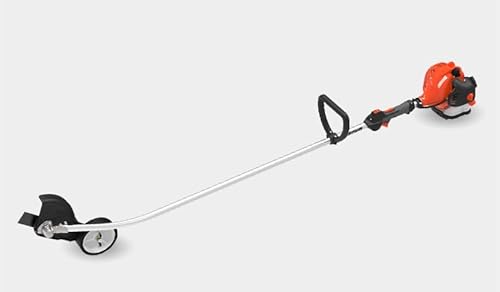
Overview & Design: The Echo PE-225 is a gas-powered edger designed for clean border trimming along sidewalks, driveways, and landscape edges. With a 21.2 cc professional-grade 2-stroke engine and a 13.1-pound build, it aims to balance power with manageable handling.
Performance & Key Features: The 7.75-inch cutting width supports efficient edging passes, while the i-30TM starting system is made to reduce starting effort by 30%. For users who want dependable runtime and strong cutting performance, the gas-powered setup is a clear advantage over cordless tools.
Drawbacks & Considerations: This model still carries the typical tradeoffs of a gas tool, including more maintenance, fuel mixing, and more noise than electric alternatives. Its weight may also feel noticeable during extended use, especially for users who prefer lighter battery-powered equipment.
Verdict: The PE-225 is best suited to homeowners and landscape users who value steady power, straightforward edging performance, and easier starting. It is a practical choice if you want a gas edger for regular yard maintenance and are comfortable with the upkeep that comes with a 2-stroke engine.

Pros
- Strong 31cc gas engine delivers high blade speed for efficient edging
- Multiple cutting height and depth adjustments add versatility across grass types
- Metal 2-tooth blade offers solid cutting durability
- Relatively lightweight at 29.6 lbs for a gas walk-behind edger
- Ergonomic handle suports comfortable extended use
Cons
- Gas engine requires fuel mixing, maintenance, and produces emissions compared to electric alternatives
- At 29.6 lbs it is still heavier than corded or battery edgers, which some users may notice on hilly terrain
- Product data does not list full dimensions or included accessories, so buyers should verify specifics before purchase
The Wild Badger Power WB31CCED is a gas-powered walk-behind sidewalk edger designed to create clean, defined borders along lawns, sidewalks, and driveways. It centers on a 31cc engine paired with a 9.5-inch cutting blade, and its walk-behind format with an ergonomic handle keps the tool grounded and steady during use. At 29.6 lbs, it stays reasonably manageable for a gas edger.
Performance is the main draw here. The engine spins the blade at up to 9800 RPM, giving it the sped to cut through established grass edges eficiently. A 2-tooth metal blade ads durability for tougher jobs, while 3 cuting-height settings and 5-level depth adjustment let you dial in the right cut for varying grass and soil conditions. The engine is designed to start within about five puls, which helps reduce startup hassle.
There are trade-offs worth weighing. As a gas unit, it needs regular fuel handling and maintenance and produces emissions, unlike battery or corded models. Its weight, while modest for its class, is still more than a compact electric edger, which may be felt on slopes. The available product data also does not confirm full dimensions or bundled accessories, so it is worth verifying those details before buying.
Overall, the Wild Badger Power WB31CCED suits homeowners with medium to larger properties who want the power and cordless fredom of gas for regular edging work. If you prefer low maintenance and quiet operation, an electric edger may fit better, but for reliable cutting strength and adjustable depth, this model is a practical choice.

Pros
- 2.5-inch cutting depth gives clean, defined edges along driveways and walkways without multiple passes
- Attachment-capable design means you can expand the tool's usefulness beyond edging without buying a separate power head
- Smart Start technology is engineered to lower starting resistance, which is a practical benefit for users who find cold-start gas tools frustrating
- Curved shaft and adjustable wheel combine to improve handling balance, reducing operator fatigue during extended use
Cons
- At roughly 13.6 pounds, the tool may feel heavy for users with limited upper-body strength or those edging large properties in one session
- No customer reviews are currently available, so there is no independent feedback on long-term durability or real-world starting performance
The Husqvarna 122LKE suits homeowners who want a gas edger that can grow into a multi-tool system through optional click-on attachments. Its claimed Smart Start engine lowers startup effort, and the adjustable wheel supports smooth operation along borders. The main compromise is a lack of any published customer reviews, which makes it harder to judge real-world reliability, and the 13.6-pound weight may be a consideration for lighter-duty users.
Cutting Depth: 2.5 inches
Wheel Size: 6 inches (adjustable)
Shaft Style: Ergonomic curved, detachable
Dimensions: 81.11 x 9.39 x 5 inches
Weight: 13.62 pounds
Attachment Compatibility: Click-on tools including hedge trimmer and pole saw (sold separately)
Essential Engineering Checklist for Gasoline Edger
Choosing the ideal gasoline edger requires focusing on practical performance metrics that match your yard size, soil type, and usage frequency. This guide breaks down the essential criteria based on technical specifications, build quality indicators, and real-world utility patterns observed across top-rated options. Matching these factors ensures you select a tool that delivers consistent edges without frequent repairs or power shortfalls.
Engine Displacement and Power Output
Engine displacement measured in cubic centimeters directly influences cutting torque and the ability to handle dense turf or overgrown edges. Models with 26cc to 31cc engines provide sufficient power for most residential sidewalks and driveways, while higher professional-grade units support continuous heavy use. Calculate your needs by estimating weekly edge length: for yards under 500 linear feet, a mid-range 26cc engine balances fuel use and force, whereas larger properties benefit from stronger displacement to avoid stalling. Always verify two-stroke or four-stroke design, as it affects oil mixing requirements and emissions compliance in your area. For additional operational safety benchmarks, see our published testing notes on gas vs battery leaf blower cfm. For complementary hardware performance, examine our breakdown on lawn edger specifications.
Power-to-weight ratios matter for control. Heavier engines can deliver more force but increase operator fatigue, so cross-reference displacement against listed unit mass when available. This criterion separates basic homeowner tools from those suited for commercial landscaping routes. For additional operational safety benchmarks, see our published testing notes on gas vs battery leaf blower cfm. For additional operational safety benchmarks, see our published testing notes on ryobi 40v string trimmer troubleshooting.
Blade Design, Cutting Depth, and Adjustability
Blade material and depth range determine edge cleanliness and longevity. Steel blades with saw-tooth or multi-edge profiles cut through compacted soil and roots more effectively than basic designs. Look for adjustable cutting depths of at least 2 inches with tool-free mechanisms, allowing quick switches between shallow aesthetic lines and deeper trench-style edges. Wheel-mounted systems with height locks maintain consistent depth across uneven ground, reducing the need for multiple passes.
Curved shafts improve reach around obstacles, while straight configurations offer better leverage for long straight runs. Evaluate how the blade attaches and whether replacement parts are readily stocked by the brand to minimize downtime.
Mobility, Weight, and Ergonomic Handling
Overall weight and balance affect how long you can operate a gasoline edger without strain. Units exceeding 15-20 pounds often require shoulder straps or dual handles for support during sessions longer than 30 minutes. Adjustable wheels with large diameters roll smoothly over grass and gravel, while rubber grips reduce vibration transfer to hands. For multi-purpose models that convert to trimmers or cutters, confirm the attachment swap process remains quick to preserve workflow efficiency.
Consider storage footprint as well. Compact designs with foldable handles suit smaller garages, and models including harnesses distribute load better for professional daily use. Testing-oriented evaluation prioritizes these traits through specification review and user-reported comfort scores where available.
Fuel Efficiency, Maintenance Needs, and Multi-Functionality
Gasoline models demand attention to fuel mix ratios and air filter access for sustained performance. Lower-displacement engines generally consume less fuel per hour, extending runtime between refills on larger properties. Multi-function designs that include string trimmer, hedge, or brush cutter attachments increase overall value by consolidating tools, provided the core edger performance remains uncompromised. Review warranty length and parts ecosystem, as brands with broader service networks reduce ownership costs over 3-5 years.
For hybrid or equivalent options in the lineup, note power sources carefully to match fuel availability and noise restrictions. Practical guideline: allocate 20-30 percent of budget toward models offering at least two extra attachments if your property has varied vegetation.
Safety Features and Build Durability
Essential safety elements include blade guards, anti-vibration systems, and secure throttle locks to prevent accidental engagement. Durable housings made from reinforced polymers or metal alloys resist impacts from rocks and curbs. Check for easy-access kill switches and stable wheel bases that minimize tipping on slopes. These features extend tool life and protect the operator during extended edge work along driveways or fences.
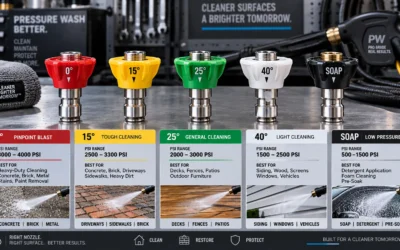
To compare core attributes across leading options, review this summary of three representative models drawn from our top-rated selections. This structured view aids quick evaluation of brand focus, primary configuration, and standout design traits when narrowing choices for different yard scales. Before finalizing equipment decisions, refer to our comprehensive pressure washer nozzle color guide comparison.
| Product | Brand | Primary Configuration | Standout Design Trait |
|---|---|---|---|
| Wild Badger Power Sidewalk Edger Lawn Tool Gas 31cc | Wild Badger Power | Dedicated wheeled gas edger | 31cc engine with blue housing for high-visibility use |
| Husqvarna 122LKE Gas Edger Multi-Purpose Tool | Husqvarna | Multi-purpose with edging attachment | 6-inch adjustable wheel and curved shaft |
| Colwelt Saw-Tooth Edger Lawn Tool | Colwelt | Manual half-moon step edger | 38-inch long handle with T-grip for leverage |
These comparisons illustrate trade-offs between dedicated gas power and simpler manual options. For broader category context, review our dedicated page covering all types of edgers and their applications to see how gasoline models fit alongside other power sources.
Configuration and Design Traits
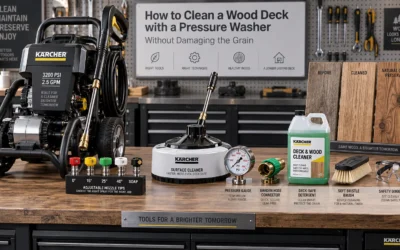
Gasoline edger products here are described from manufacturer specifications and listing data on Amazon. The table sets product, brand, primary configuration and standout design trait in adjacent columns, so readers can compare how each unit is laid out and what sets it apart. Primary configuration and design trait are the main lines of contrast, and the brand column identifies the maker. For a related outdoor job, readers can consult cleaning a wood deck with a pressure washer.
Final Verdict: Choosing the Right Gasoline Edger
After evaluating the full set of top-rated options, clear leaders emerge based on power, versatility, and value alignment. The following structured recommendations match distinct buyer intents while remaining grounded in the reviewed specifications and design focuses.
Best Overall Gasoline Edger: Husqvarna 525ECS Professional Lawn Edger Tool stands out for its professional-grade construction suited to demanding continuous use. Its design supports high-intensity edge work with the reliability expected from an established landscaping brand, making it the top choice when performance consistency ranks highest. This model suits contractors and large-property owners who require durable results session after session.
Best Value / Budget Choice: AMERISUN 26cc Gas String Trimmer 3-in-1 Weed Trimmer/Edger/Brush Cutter delivers strong cost-to-performance balance with its multi-function capability and included shoulder strap. At the accessible end of the spectrum, it provides gas-powered cutting for thick grass and brush conversion without excess features that inflate price. Homeowners seeking solid residential results without premium investment will find this the practical selection. For additional category options that expand beyond pure gasoline units, consult our overview of edgers designed for home and professional settings.
Best for Multi-Purpose Yard Care: WILD BADGER POWER 26cc Weed Wacker Gas Powered 4 in 1 String Trimmer, Wheeled Edger, Hedge Trimmer and Brush Cutter Blade excels when one tool must handle edging plus trimming and cutting tasks. The rubber handle, shoulder strap, and attachment suite maximize utility for properties with mixed vegetation, reducing the need for separate machines. This pick is ideal for users prioritizing flexibility and consolidated storage.
Common Questions on Gasoline Edger Answered
What size engine is best for a residential gasoline edger?
A 26cc to 31cc engine provides the optimal balance of power and fuel efficiency for most residential gasoline edger applications. This range handles typical sidewalk and driveway edges without the weight or consumption of larger professional units. Larger displacements suit only frequent commercial routes.
How do I maintain a gasoline edger for longer lifespan?
Regular air filter cleaning, proper two-stroke fuel mixing if required, and blade sharpening after every 10-15 hours of use keep a gasoline edger performing reliably. Store with empty or stabilized fuel and inspect the wheel mechanism seasonally. Following these steps typically extends service life beyond three years under normal home use.
Are multi-function gasoline edger models as effective as dedicated ones?
Multi-function models perform effectively for residential edging when the wheeled attachment is properly secured and depth is adjusted correctly. They trade a small amount of specialized refinement for broader tool consolidation. Dedicated units remain preferable only for all-day professional routes requiring maximum precision.
What is the typical price range for quality gasoline edger options?
Quality options fall within entry-level to premium, covering basic multi-tools up to professional dedicated units. Budget models under the mid-point suit occasional home use, while higher investments deliver enhanced durability and power. Match spend to expected annual hours of operation for best return.
Can I use a gasoline edger on both grass and hard surfaces?
Most wheeled gasoline models handle grass edges along hard surfaces like concrete or asphalt when the blade height is set to avoid excessive wear. Maintain consistent depth to prevent damage to either the tool or the surface. For more guidance on selecting compatible tools, visit our complete resource on edgers for mixed landscape surfaces.
Fuel and Safety for Gas Edgers
Gas edgers need fresh fuel kept in a suitable container away from heat, so refuel outdoors and let the engine cool first. For more on gas powered lawn edgers, see the separate article. Safety guidance is available at American National Standards Institute (ANSI).