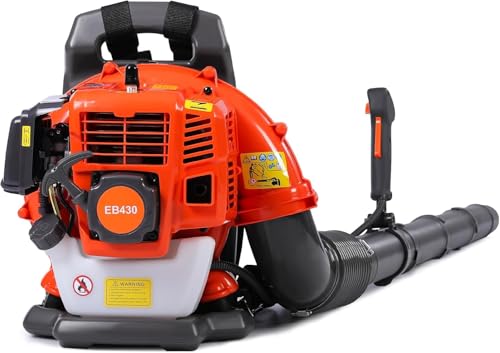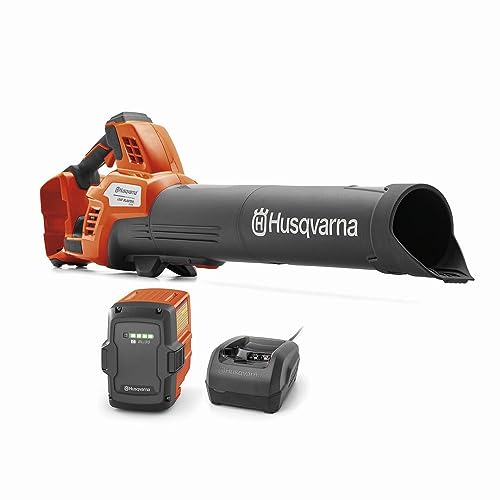
Quick Answer
California banned the retail sale of new gas-powered leaf blowers effective July 1, 2024, under Assembly Bill 1346, but existing owners can still use their machines. Many cities enforce their own use restrictions, so check local rules before running one. Electric or battery models are a common alternative where gas use is limited.
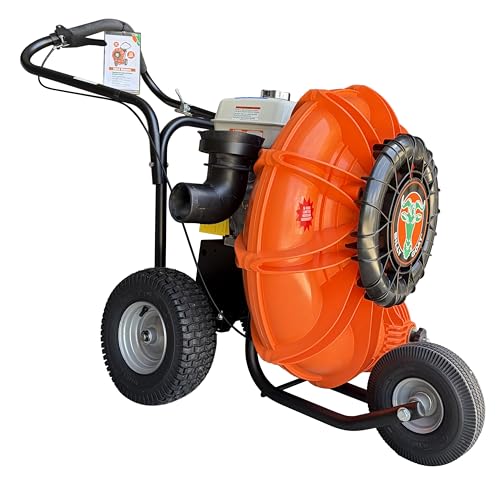
Pros
- Powered by a commercial-grade Honda GX270 engine
- Delivers a high rated airflow of 1,700 CFM and 200 mph velocity
- 17-inch 16-blade composite fan designed for efficient output
- Fingertip directional lever controls airflow up and down
- Pneumatic rear wheels ease maneuvering over uneven terrain
Cons
- Large 58 x 29 x 45 inch frame demands ample storage room
- Heavier commercial walk-behind build lacks handheld agility

Pros
- High-volume clearing with a rated 3000 CFM and 207 MPH
- Electric start eliminates manual pulling effort
- Standard clevis pin hitch connects easily to ATVs and tractors
- Adjustable vertical airflow discharge for directed blowing
- Durable steel frame construction with large wheels
Cons
- Requires a towing vehicle like an ATV or lawn tractor
- Weighs 291 pounds and demands significant storage space
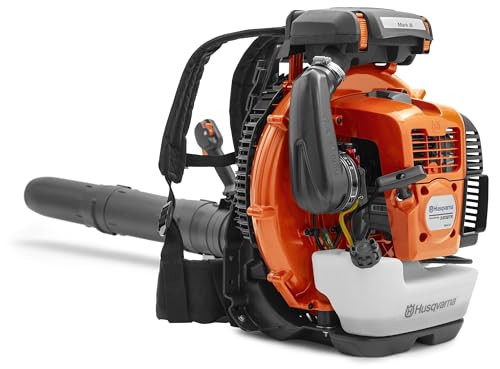
Pros
- Strong rated output of 1000 CFM, 220 MPH, and 47 N blow force
- Ventilated ergonomic harness with load-distributing hip belt
- Two-stage intake air filtration protects engine in dusty jobs
- Intuitive tube-mounted throttle control
Cons
- Substantial 34-pound weight can lead to operator fatigue
- Requires ongoing 2-cycle fuel mixing and maintenance
State-Level Legal Status: California’s AB 1346 Ban
California implemented Assembly Bill 1346 effective July 1, 2024, prohibiting the retail sale of new gas-powered leaf blowers, string trimmers, and other small off-road engines (SORes) throughout the state. This legislation targets zero emissions compliance by 2035. The ban applies to manufacturers, distributors, and retailers, not retroactively to existing equipment owners, though municipalities enforce separate use restrictions.
Municipal Use Restrictions by Region
Beyond the sales ban, California cities enforce distinct operational prohibitions. Approximately 20 municipalities have implemented comprehensive leaf blower use ordinances, creating a fragmented enforcement landscape across residential zones. To evaluate matched hardware tolerances, consult our detailed overview of how to choose leaf blower.
Los Angeles County and Major Metropolitan Areas
Los Angeles, Pasadena, and unincorporated County areas prohibit gas blower use in residential neighborhoods. Pasadena’s ordinance (effective April 28, 2023) adds a critical operational restriction: debris cannot travel beyond property boundaries or remain on adjoining properties/public rights-of-way for more than 15 minutes. Los Angeles Department of Street Services handles enforcement, though the city currently explores reassigning primary enforcement authority from LAPD to specialized code enforcement units.
Bay Area and Silicon Valley
Palo Alto, Oakland, Los Altos, Burlingame, and surrounding municipalities ban combustion-engine leaf blowers under municipal codes 6.16.070 (Los Altos) and 8.64 (Oakland). These jurisdictions combine air quality and noise ordinances with active code enforcement. The Bay Area Air Quality Management District (BAAQMD) coordinates regional compliance.
Other Regulated Cities
Santa Barbara, Portola Valley, Sunnyvale, Irvine, and Sacramento enforce similar restrictions with varying enforcement intensity. Sacramento’s ban has seen renewed public pressure for county-wide implementation across all of Los Angeles County.
Technical Impact Analysis: Pollution and Noise Metrics
Air Quality Impact
The California Air Resources Board (CARB) documented that one hour of gas leaf blower operation produces air pollution equivalent to driving a vehicle 1,100 miles. Gas-powered equipment emits nitrogen oxides (NOx), volatile organic compounds (VOCs), and particulate matter (PM2.5). A single gas blower produces 23 times more NOx and 140 times more VOCs per horsepower than a 2017 passenger vehicle, according to regulatory studies. This pollution concentrates in residential yards where operators and neighbors experience direct exposure.
Noise Generation and Health Effects
Gas leaf blowers generate 112 decibels of noise at 50 feet, equivalent to a jackhammer. Sustained exposure above 85 decibels causes permanent hearing damage. The California Department of Industrial Relations (DIR) classifies leaf blower noise as an occupational and community health hazard. Extended use correlates with sleep disruption, stress elevation, and cardiovascular stress in neighboring residents, documented in epidemiological studies referenced by municipal health departments.
Enforcement Mechanisms and Penalties
Statewide Sale Prohibition
Under AB 1346, retailers and manufacturers cannot display or sell new gas-powered leaf blowers in California. This applies to big-box retailers (Home Depot, Lowe’s), specialty equipment dealers, and online retailers shipping to California addresses. Enforcement falls to the California Department of Resources Recycling and Recovery (CalRecycle) and state air quality regulators. Violations result in civil penalties up to $2,500 per violation and potential license suspension.
Municipal Use Enforcement
City code enforcement, police departments, or specialized noise abatement units investigate residential complaints. Typical fine structures range from $100 to $500 per violation. Los Angeles, Pasadena, and Oakland prioritize weekday enforcement during permitted landscaping hours (typically 7 a.m. to 6 p.m.). Multiple violations can escalate to misdemeanor charges and equipment confiscation.
Complaint-Driven Enforcement
Most municipalities rely on neighbor complaints and noise ordinance reports. Response times vary from same-day to 72 hours depending on call volume and available staffing. Documenting violations through audio recordings, timestamps, and property location strengthens enforcement cases. Los Angeles recently evaluated dedicated enforcement positions to address delayed response to gas blower complaints.
Legal Workarounds and Exemptions
Pre-Existing Equipment Grandfather Clauses
California does not retroactively ban already-owned gas leaf blowers. Homeowners and landscapers with equipment purchased before July 1, 2024, may legally possess and use it unless their specific municipality enforces a complete use ban. However, municipalities like Pasadena and Oakland prohibit use regardless of purchase date. Verify your city’s specific ordinance language, as “grandfathered” equipment status varies by jurisdiction.
Commercial Landscaping Transition Period
California’s Small Business Advocate office and South Coast Air Quality Management District (SCAQMD) offer rebate programs reducing electric equipment costs by 50 to 75% for landscaping businesses. CaliforniaCore.org administers vouchers stacking with SCAQMD rebates. Commercial operators must transition to battery or electric equipment by 2024; continued use of gas equipment after purchase phase-out incurs business licensing penalties.
No Federal Preemption
The U.S. Environmental Protection Agency (EPA) has not preempted California’s stricter small off-road engine standards. California’s status as a Section 209 state under the Clean Air Act allows independent emissions rulemaking, and AB 1346 remains enforceable without federal override risk.
Practical Alternatives for Yard Maintenance
Battery-Powered Leaf Blowers
Modern lithium-ion blowers deliver 120 to 170 CFM (cubic feet per minute) airflow with noise levels between 60 to 75 decibels. Runtime ranges from 20 to 90 minutes depending on battery capacity (20V to 80V systems). Leading models include DeWalt, Milwaukee, and Ryobi platforms offering compatibility across multiple tools. These comply with all California regulations and municipal ordinances. Total ownership cost after 3 to 5 years typically matches gas equipment when accounting for fuel, maintenance, and repair expenses.
Corded Electric Leaf Blowers
Plug-in electric models produce 150 to 200 CFM with consistent performance and minimal maintenance. Cord length (typically 50 to 100 feet with extension capability) suits residential lots under one-half acre. Noise output stays below 70 decibels, well within health safety thresholds. Initial cost ranges from $60-$200, lowest among compliant options. Ideal for frequent users with accessible electrical outlets.
Manual Tools: Rakes and Brooms
Traditional rakes remain silent (0 decibels) and emissions-free. For properties under 5,000 square feet or light seasonal debris, manual clearing requires 30 to 60 minutes of labor but produces zero environmental impact. Combined with brooms for fine cleanup, this method fully complies with all California ordinances and carries no enforcement risk. Communities like Portola Valley actively promote rake-and-broom alternatives through public education campaigns.
Determining Your Specific City’s Status
Legal status depends on your exact municipality. Use this diagnostic matrix to identify applicable restrictions:
Step 1: Confirm Your City or County
Locate your property address via county assessor websites or Google Maps. Identify whether you live in an incorporated city or unincorporated county area. Unincorporated areas often follow county ordinances or state law only.
Step 2: Search City Code Enforcement Website
Visit your city’s official website (e.g., “City of [Name] Code Enforcement” or “Municipal Ordinances”). Search for “leaf blower” or “small off-road engines.” Major California municipalities (Los Angeles, Pasadena, Oakland, Palo Alto) prominently display ordinance summaries with effective dates and fine schedules.
Step 3: Contact Code Enforcement Directly
Call or email your city’s code enforcement department with your address. They provide definitive legal status, permitted landscaping hours (if any), and current enforcement priorities. Request written confirmation of applicable ordinances to document compliance.
Step 4: Review AB 1346 Compliance
Confirm purchase source and purchase date. Equipment bought after July 1, 2024, must comply with zero-emission standards. Used equipment purchased before that date may retain grandfathered status depending on municipal ordinance language.
Compliance Timeline for Landscapers and Contractors
Professional landscaping businesses must meet AB 1346 compliance by operating dates beginning January 1, 2025. Equipment purchase windows closed July 1, 2024. Contractors operating in multiple municipalities must conform to the strictest local ordinance (typically complete gas blower prohibition). Documentation of electric equipment purchase and maintenance records protects against liability claims and code violations.
Related Topics and Resources
For comprehensive yard maintenance guidance, explore cordless leaf blowers and compare performance metrics across battery platforms. Understand operational differences in our gas or electric leaf blower comparison to select the right tool for California compliance. Homeowners choosing backpack vs handheld blowers can optimize portability and runtime within legal constraints. For landscapers expanding equipment arsenals, review guidance on chainsaw and outdoor tool maintenance to protect electric and battery-powered investments. Consult OSHA equipment safety regulations for occupational use and hearing protection requirements when operating yard equipment.
Final Compliance Checklist
Before operating any leaf blower in California:
- Confirm your municipality’s specific ordinance through official code enforcement website or phone call
- Verify equipment purchase date; if post-July 1, 2024, ensure zero-emission certification
- Check permitted landscaping hours (typically 7 a.m.-6 p.m. weekdays, restricted weekends)
- Confirm debris containment requirements (cannot travel beyond property boundaries in some cities)
- Document compliance through purchase receipts and manufacturer certifications
- For commercial use, verify business license requirements and contractor liability coverage
California’s gas leaf blower regulations reflect air quality and noise reduction priorities backed by quantifiable health and environmental data. Compliance requires equipment transition to battery or electric platforms and adherence to municipal use windows. Non-compliance incurs fines from $100 to $500 per violation and potential equipment confiscation. Landscapers and homeowners should verify their specific city’s ordinance and transition to approved equipment by January 2025 to avoid enforcement action.
California Rules for Gas Blowers
California communities have adopted varied rules on gas powered yard equipment, and some cities limit when it can run. Local ordinances change, so confirm the current rules with your city or county before buying or using. Background reading on yard gear is available from American National Standards Institute (ANSI).