Quick Answer
Yes, gas-powered leaf blowers are a notable source of air pollution and noise. Two-stroke engines burn part of their fuel incompletely, releasing hydrocarbons, nitrogen oxides, and carbon monoxide. Cordless electric blowers produce no direct exhaust, so they are the cleaner option for most yards.

Pros
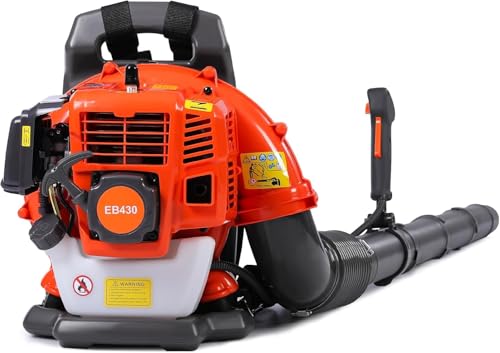
- Features a high-output Strato-Charged engine
- AutoTune carburetor provides automated fuel management
- Padded harness with waist belt and ventilated back pad
- LowVib technology helps minimize operator vibration
- Integrated service port enables quick maintenance access
Cons
- Gas engine requires routine upkeep and fuel mixing
- Bulkier footprint compared to smaller handheld units

Pros
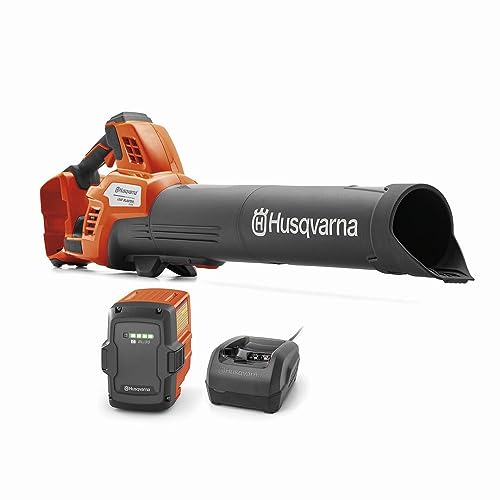
- Cordless mobility without battery runtime limitations
- Sturdy construction suited for tough yard and property clearing
- Standard handheld configuration
Cons
- Gas engine requires manual fuel mixing and regular maintenance
- Weighs 11 pounds, which is heavier than most cordless alternatives

Pros
- Handheld design offers portable maneuverability
- Recognized Stihl BG 56 platform for property care
Cons
- Product specifications and airspeed ratings are not provided
- Gas engine requires fuel mixing and engine maintenance
Why Gas Leaf Blowers Are Environmental Polluters: The Two-Stroke Engine Problem
The core environmental problem with most gas-powered leaf blowers lies in their two-stroke engine design. Unlike the four-stroke engines in modern cars, a two-stroke engine mixes oil directly into the fuel and relies on the incoming fuel-air charge to push out exhaust gases. This design is lightweight and powerful, but it is fundamentally inefficient.
The 30% Incomplete Combustion Problem
Roughly 30% of the fuel fed into a two-stroke engine never undergoes complete combustion. This unburned fuel exits the exhaust port as raw hydrocarbons, along with partially burned oil. The result is a concentrated plume of pollutants that includes: For additional operational safety benchmarks, see our published testing notes on how to choose leaf blower.
- Hydrocarbons (HC): Carcinogenic compounds that also contribute to ground-level ozone (smog).
- Nitrogen oxides (NOx): A primary smog-forming pollutant.
- Carbon monoxide (CO): A colorless, odorless gas that displaces oxygen in the bloodstream.
- Particulate matter (PM): Fine particles that penetrate deep into lung tissue.
Quantified Emissions: The Numbers That Matter
Independent testing has produced stark comparisons. A widely cited 2011 study found that a consumer-grade two-stroke leaf blower emitted:
| Pollutant | Leaf Blower vs. Ford F-150 Raptor |
|---|---|
| Carbon Monoxide | 23x more |
| Nitrous Oxide | 2x more |
| Hydrocarbons | Nearly 300x more |
In practical terms, 30 minutes of yard work with a two-stroke blower emits roughly the same hydrocarbon volume as a 3,900-mile drive in a modern pickup truck. Another analysis found that one hour of commercial blower operation equals the pollution of driving a 2017 Toyota Camry for 1,100 miles. In California, small off-road engines now out-pollute the state’s 14.4 million passenger cars for smog-forming emissions.
Noise Pollution: The Second Environmental Impact
Environmental harm is not limited to air chemistry. Gas blowers generate 95 to 100 decibels at the operator’s ear, the same intensity as a passenger jet taking off. This noise disrupts wildlife communication, nesting behavior, and predator-prey detection. For humans, prolonged exposure above 85 dB causes permanent hearing damage, and the droning disrupts infants’ sleep and community peace.
Electric and cordless leaf blowers typically operate at 60 to 75 dB, a reduction of 20 to 40 dB, which represents a 4x to 100x reduction in acoustic energy.
Habitat Disruption: The Overlooked Ecological Damage
Beyond emissions, blowers physically damage the environment. High-velocity air (up to 280 mph at the nozzle) strips away the topsoil duff layer, the organic leaf litter that shelters overwintering insects, spiders, and beneficial microorganisms. This layer is critical habitat for pollinators and the food web that supports songbirds. Blasting it away exposes soil to erosion and kills beneficial insects while leaving nothing for wildlife.
For a detailed comparison of power sources, see our gas or electric leaf blower comparison.
Diagnostic Matrix: Is Your Blower an Environmental Problem?
Use this diagnostic table to assess the environmental footprint of the equipment you currently own or plan to buy.
| Blower Type | Direct Emissions | Noise (dB) | Fuel Burn Efficiency | Environmental Verdict |
|---|---|---|---|---|
| Two-Stroke Gas | High (HC, NOx, CO, PM) | 95 to 100 | ~70% (30% unburned) | Worst |
| Four-Stroke Gas | Moderate | 90 to 95 | ~90% | Poor |
| Corded Electric | Zero (at point of use) | 65 to 75 | N/A | Good |
| Cordless Battery | Zero (at point of use) | 60 to 70 | N/A | Best |
How to Identify Your Engine Type
- Check the fuel cap: A separate oil reservoir indicates a four-stroke; a single mixed-fuel tank indicates a two-stroke.
- Read the label: Look for “2-cycle” or “2-stroke” on the housing or manual.
- Listen at idle: Two-strokes produce a higher-pitched, raspier “buzz” versus the deeper thump of a four-stroke.
Step-by-Step: Transitioning to a Low-Impact Setup
If you want to reduce your environmental footprint without losing yard-work capability, follow this practical transition plan.
Step 1: Match Power to the Job
For small to medium suburban lots, a cordless blower in the 400 to 600 CFM range handles leaves, grass clippings, and light debris. For large commercial properties, consider a backpack-style battery unit. Compare form factors in our backpack vs handheld blowers guide.
Step 2: Adopt Low-Tech Alternatives First
For many jobs, a rake or broom is genuinely more efficient and produces zero emissions. Use a rake for wet, heavy leaf piles and a blower only for dry debris in hard-to-reach areas. This hybrid approach cuts runtime and energy use dramatically.
Step 3: Maintain Your Equipment
Regardless of power source, proper maintenance reduces waste. For existing gas units, replace air filters and spark plugs annually, and use fresh, correctly mixed fuel. For battery units, follow the manufacturer’s charging and storage intervals to extend cell life. General outdoor tool upkeep is covered in our chainsaw and outdoor tool maintenance guide.
Step 4: Dispose of Gas Units Responsibly
Never discard a gas blower in household trash. Drain the fuel, and recycle the unit through a local hazardous-waste program or a retailer take-back scheme. Many municipalities now offer rebates for trading in gas equipment toward electric models.
Maintenance Intervals for Battery Blowers
| Maintenance Task | Interval | Notes |
|---|---|---|
| Clean air intake screen | Every use | Prevents overheating and power loss |
| Check battery cell health | Monthly | Replace if runtime drops below 50% of new |
| Lubricate tube joints | Every 3 months | Use silicone-based lubricant |
| Full battery calibration | Every 6 months | Full discharge then full charge |
Regulatory Landscape and Compliance
Regulators are moving decisively against gas blowers. California has mandated a phase-out of new small off-road engine sales, and hundreds of municipalities now restrict or ban gas blowers during certain hours or entirely. Before purchasing, check local ordinances. For workplace and operator safety standards, consult OSHA equipment safety regulations.
Our Final Editorial Take on Are Leaf Blowers Bad For The Environment
The evidence is unambiguous. Gas-powered leaf blowers, especially two-stroke models, are among the dirtiest consumer tools per hour of operation, combining toxic air emissions, extreme noise, and habitat destruction. Cordless electric blowers deliver comparable or superior performance with zero point-of-use emissions and dramatically lower noise. For most homeowners, the switch is not a sacrifice, it is an upgrade in both environmental responsibility and practical usability.
If you are evaluating a purchase, prioritize battery-powered units with adequate CFM for your lot size, and reserve gas equipment for only the most demanding commercial applications where no electric alternative exists.
Environmental Impact of Blowers
Gas blowers release exhaust and burn fuel, while battery models produce no tailpipe emissions at the point of use. Dust, noise and power source all affect the overall footprint. Readers wanting general context on outdoor equipment can look at American National Standards Institute (ANSI).