

Quick Answer
Robot vacuums are usually worth it for homes where daily debris and pet hair build up quickly, because they clean on a schedule without manual effort. They cost more than basic upright vacuums and need occasional maintenance, such as emptying bins and cleaning brushes. Prioritize LiDAR mapping, strong suction, and anti-tangle brushes to get the most value.

Pros
- 3.13-inch slim height per manufacturer specifications
- 35,000 Pa suction rating with upgraded DuoBrush
- Dual AI cameras for obstacle detection and adaptation
- 10-in-1 dock with 212°F hot-water mop washing per listing
- MopExtend and SideReach features for edges and corners
Cons
- Listed weight of 52 pounds makes it bulky to move
- Claimed suction gains are manufacturer figures, not tested results
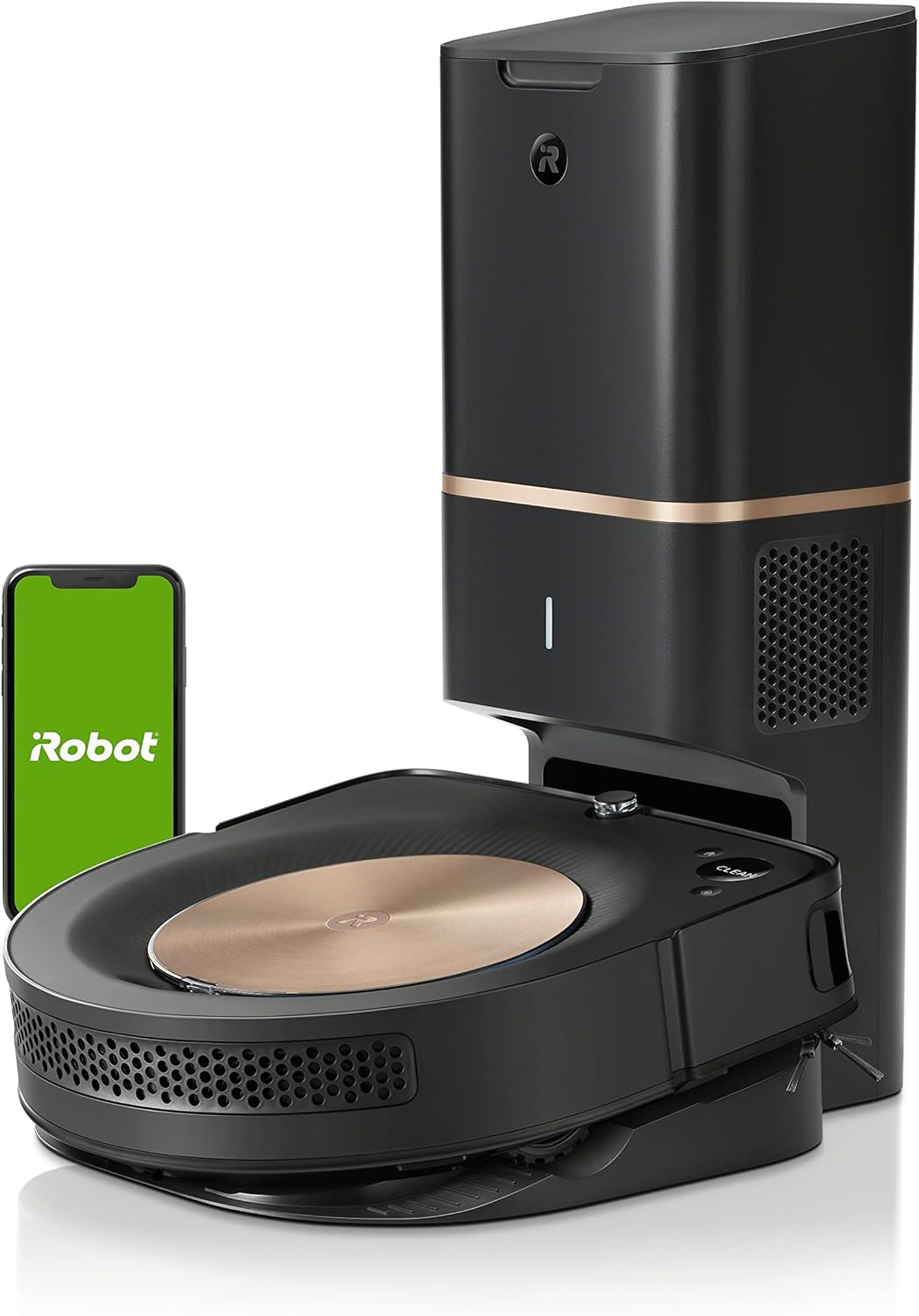
Pros
- Exceptional suction power for deep carpet cleaning.
- Advanced mapping technology prevents the robot from getting stuck or missing areas.
- Convenient self-emptying base reduces manual maintenance to a minimum.
- Effective at handling pet hair without brush roll tangles.
Cons
- High price point compared to newer and more compact models.
- The physical footprint of the Clean Base is relatively large and requires dedicated space.
- Some users may find the noise level during the automatic emptying cycle quite loud.
The Ultimate Hands-Free Cleaning Solution
The iRobot Roomba s9+ robot vacuum stands as the flagship solution for homeowners who demand a pristine living space without the daily chore of vacuuming. Designed for those with large homes or significant pet shedding, this device combines raw suction power with industry-leading mapping capabilities. It is a premium investment for anyone looking to reclaim their time through high-end automation.
Performance and Navigation
What sets the s9+ apart is its proprietary PerfectEdge Technology. Unlike traditional round vacuums, the D-shaped design allows it to navigate into corners and along edges with precision. With 40x more suction than base-level models, it excels at pulling deeply embedded dirt from rugs and carpets. The vSLAM navigation system is incredibly intelligent, capturing thousands of data points per second to ensure no corner is left uncleaned while avoiding obstacles effectively.
Smart Integration and Maintenance
The standout feature is undoubtedly the Clean Base Automatic Dirt Disposal, which allows the robot to empty its own bin for up to two months. Combined with the iRobot OS, which provides personalized cleaning schedules based on seasonal pollen or pet shedding cycles, the vacuum feels truly proactive. Users can easily partition their home into specific rooms or zones, allowing for targeted cleaning via simple voice commands or the intuitive mobile app.
Final Verdict
While the iRobot Roomba s9+ carries a higher price tag, it justifies the cost through its comprehensive feature set and autonomous reliability. It is a robust machine that prioritizes performance and deep cleaning. While it occupies a larger space than smaller robots and operates with significant noise during self-emptying, the trade-off is a consistently clean home with virtually zero manual effort required.

Pros
- 36,000 Pa suction, rated by the manufacturer for carpets and hard floors
- Retractable LDS mapping with manufacturer-stated 300+ obstacle recognition
- 212°F hot-water mop washing with auto detergent dispensing
- Manufacturer-rated climbing up to 3.46 inch double-layer thresholds
- Expanded edge cleaning with FlexiArm and in-app curtain marking
Cons
- Heavy at 31.7 pounds with a 19.5 x 15.8 x 17.7 inch footprint
- Supports only 2.4 GHz Wi-Fi
To determine if robot vacuums are worth it in 2026, prioritize three critical factors: LiDAR or advanced mapping for complete room coverage without random bouncing, suction power of at least 4000Pa combined with anti-tangle brushes for effective pet hair and carpet cleaning, and self-emptying docks that extend hands-free operation to weeks or months. These elements, evaluated across top-rated models in our analysis, separate reliable time-savers from underperforming gadgets and help match units to home size and lifestyle. Readers seeking deeper details on maintenance-free options can review our comparison of robot vacuum with self-empty systems for additional context on long-term convenience.
Comprehensive Are Robot Vacuums Worth It Buyer’s Guide (2026)
Navigation and Mapping Technology
Navigation quality is the primary determinant of whether robot vacuums deliver consistent value. Random-path or basic bumper systems frequently miss areas and bounce inefficiently, while LiDAR-based units create accurate floor plans in minutes for systematic row-by-row cleaning. Models supporting multi-floor maps and virtual no-go zones prevent falls down stairs and protect delicate areas such as pet bowls or charging cables. When assessing options, select units with real-time 360-degree scanning and the ability to save at least four maps if your home has multiple levels, as this technology directly improves coverage efficiency and reduces the need for manual restarts.
Advanced obstacle avoidance using structured light or AI sensors further enhances reliability by detecting cords, shoes, and furniture legs without getting stuck. Homes with complex layouts benefit most from these features, which can be explored further in our overview of robot vacuum with mapping technology that details how precision routing saves battery and time.
Suction Power and Brush Design
Suction measured in Pascals (Pa) indicates the ability to lift embedded dirt from carpets and hard floors. Entry-level models often start around lower ratings suitable for daily surface debris, while premium units reach 10000Pa or higher for deep carpet cleaning and pet hair extraction. Brush design is equally important: traditional roller brushes tangle with long hair, requiring frequent manual cleaning, whereas anti-tangle rubberized or brushless suction ports direct hair straight into the dustbin with minimal wrapping. When planning workspace deployment, consider the engineering criteria outlined in our why robot vacuum keeps getting lost lidar fix guide.
For households with shedding pets or high-pile rugs, prioritize dual anti-tangle systems that combine main brushes with specialized side brushes. Adaptive suction that boosts automatically on carpets ensures balanced performance without wasting battery on hard floors. Specs across our reviewed range show clear differences in these areas, so match the power rating and brush type to your primary floor types for optimal results.
Self-Emptying Docks and Maintenance Frequency
Maintenance demands heavily influence the long-term answer to are robot vacuums worth it. Standard models require emptying the dustbin after nearly every run, which can feel as frequent as traditional vacuuming. Self-emptying stations with sealed bags holding 2.5L to 3L of debris extend hands-free periods to 60-90 days or 7-9 weeks depending on home size and dirt volume. Some advanced docks also wash and dry mops automatically while refilling water tanks, further reducing intervention. For additional operational safety benchmarks, see our published testing notes on roborock qrevo s pro vs dreame l10s pro ultra heat.
Calculate expected upkeep by considering household factors: pet owners generate more hair volume and benefit most from larger bags, while smaller apartments may tolerate manual emptying. Look for docks that support auto-recharge and resume so cleaning completes even if the battery depletes mid-cycle. This feature transforms the device from a gadget into a reliable appliance.
Battery Runtime and Coverage Area
Runtime determines whether a single charge covers your entire floor plan. Most competitive units deliver 100-150 minutes in standard mode, sufficient for 1200-1600 square feet before returning to dock. Auto-resume functionality ensures incomplete jobs finish after recharging without user input. Slim profiles under 3 inches help reach under furniture, expanding effective coverage beyond open spaces. To compare alternative configurations, check our hands-on review of why is my robot vacuum not dispensing water.
Larger homes or multi-level setups require models that store separate maps and climb thresholds of at least 18mm. Quiet operation around 55-65dB allows daytime or nighttime runs without disruption. Evaluate advertised square footage against real-world factors like furniture density and carpet presence, as higher suction modes reduce total runtime.
App Control, Voice Integration, and Smart Features
Modern connectivity via 2.4GHz Wi-Fi apps enables scheduling, room-specific cleaning, suction adjustment, and no-go zone creation from a smartphone. Compatibility with Alexa or Google Assistant adds voice commands for hands-free starts. Units without app support rely on remote controls or physical buttons, limiting flexibility for remote monitoring.
Custom water flow levels for mopping modes and real-time progress tracking enhance usability. Prioritize apps that support multi-floor switching and detailed history logs. These features allow integration into broader smart home routines and make the device more adaptable as household needs change over time.
Mopping Capability and Dual-Function Performance
Combo vacuum-and-mop units add wet cleaning for hard floors, with electronic water tanks offering adjustable flow rates to avoid over-wetting. Lift mechanisms that raise mops 10mm when carpets are detected prevent soaking rugs. Spinning pads at high RPM improve stain removal compared to passive cloths. For pure vacuuming homes, dedicated models without mopping hardware may offer simpler maintenance and stronger suction focus.
Our process for determining whether are robot vacuums worth it begins with a systematic comparison of top-rated models using manufacturer specifications for suction ratings, battery capacity, dustbin volume, mapping sensors, and dock capabilities. We cross-reference these against user-reported reliability metrics focused on navigation accuracy, hair-tangle frequency, app stability, and battery longevity over extended periods. Brand reputation factors such as warranty terms and consistent firmware updates are weighed alongside real-world suitability for pet owners, multi-floor homes, and mixed hard-floor/carpet environments.
Evaluation emphasizes technical transparency over marketing language. Units are scored on measurable attributes including threshold climbing height, noise levels in dB, and hands-free intervals provided by self-empty bags. This data-driven approach ensures recommendations reflect practical performance differences rather than subjective claims, allowing readers to align choices with specific home conditions and budget levels from entry-level to premium.
The Bottom Line on Robot Vacuum in 2026
After analyzing the full set of specifications, the answer to are robot vacuums worth it is affirmative for most households that value recovered free time and consistent floor maintenance. Models with strong mapping, high suction, and reduced upkeep deliver measurable daily benefits that outweigh the initial cost when used on a scheduled basis.
Best Overall Are Robot Vacuums Worth It: The roborock Qrevo S5V stands out with 12000Pa HyperForce suction, dual zero-tangle brushes, FlexiArm edge mopping, and an all-in-one dock that auto-empties, washes mops, dries them with warm air, and refills water. Its PreciSense LiDAR supports multi-floor mapping and smart obstacle avoidance, making it ideal for larger or complex homes seeking comprehensive automation. Best Value / Budget Choice: The Lefant Robot Vacuum Cleaner M210 offers a slim 2.99-inch profile, brushless suction port that resists hair wrap, 120-minute runtime, and app/voice control at the accessible end of the entry-level to premium. It suits apartments or simple hard-floor layouts where advanced docks are unnecessary. Best for Pet Hair and Multi-Surface Homes: The Kilgone Robot Vacuum and Mop Self-Emptying combines 6000Pa cyclone suction, anti-tangle brush, LiDAR multi-floor mapping, and a 90-day 2.5L self-empty bag for truly low-maintenance performance around shedding pets and mixed flooring.
Budget shoppers can also consider the ROPVACNIC Robot Vacuum and Mop Combo for its 5200Pa power and no-entanglement design. For a wider view of category options including specialized variants, visit our Vacuum cleaner resource hub or compare advanced mopping systems in the Ecovacs Deebot T20 Omni robot vacuum and mop overview. Overall, selecting a unit matched to your floor types and maintenance tolerance confirms that modern robot vacuums provide clear time and effort savings.
Everything You Need to Know: Are Robot Vacuums Worth It FAQ
Is it worth buying a robot vacuum in 2026?
Yes, modern robot vacuums are worth buying in 2026 because LiDAR navigation, higher suction ratings, and self-emptying docks have made them reliable for daily maintenance on most home layouts. Units covering 1000-plus square feet with auto-resume reduce weekly cleaning time substantially compared to earlier random-path models.
Do robot vacuums work well on high-pile carpets?
Most entry-level models perform adequately only on low- to medium-pile carpets, while higher-suction units with rubberized brushes and large wheels handle deeper piles more effectively. Look for at least 6000Pa and adaptive BoostIQ-style technology to maintain traction and extraction without frequent stuck incidents.
How often do I need to empty or clean a robot vacuum?
Self-emptying models typically need dust-bag replacement every 60 to 90 days depending on debris volume, while non-dock units require bin emptying after most runs. Weekly brush checks and filter cleaning every 1-2 months keep suction strong regardless of dock type.
Can robot vacuums replace a traditional upright vacuum completely?
Robot vacuums excel at daily maintenance and surface debris but may not fully replace uprights for deep seasonal carpet cleaning or heavy spill recovery. Combining both provides the best coverage, with robots handling routine work and traditional units addressing intensive tasks as needed.
What size home can a typical robot vacuum cover?
Most current models cover 1200-1600 square feet per charge with 100-150 minutes of runtime, sufficient for average apartments and single-floor homes. Larger multi-level residences benefit from multi-map storage and auto-resume, as detailed in our guide to the smallest robot vacuum designs that still maximize reach under furniture.
Weighing the Cost of Automation
Whether a robot vacuum is worth the money depends on how often you clean, how many pets share the home, and how much time you want back. Think through your weekly routine before buying. Electrical safety is part of ownership too, and general guidance from the International Electrotechnical Commission (IEC) is worth a read when setting up the charger.









