The Best Lawn Tractor for Your Needs
The “best” lawn tractor isn’t a single model—it’s the one that matches your yard size, terrain type, budget, and cutting preferences. For typical residential properties (1–3 acres of flat to gently rolling terrain), a zero-turn-radius tractor from a brand like John Deere, Kubota, or Husqvarna offers the best combination of cutting speed, maneuverability, durability, and resale value. For larger acreage, steeper terrain, or heavy-duty use, traditional rear-engine or mid-engine models provide better stability and traction. Budget-conscious buyers should prioritize proven reliability and accessible parts over brand prestige alone.
Understanding What “Best” Means for Lawn Tractors
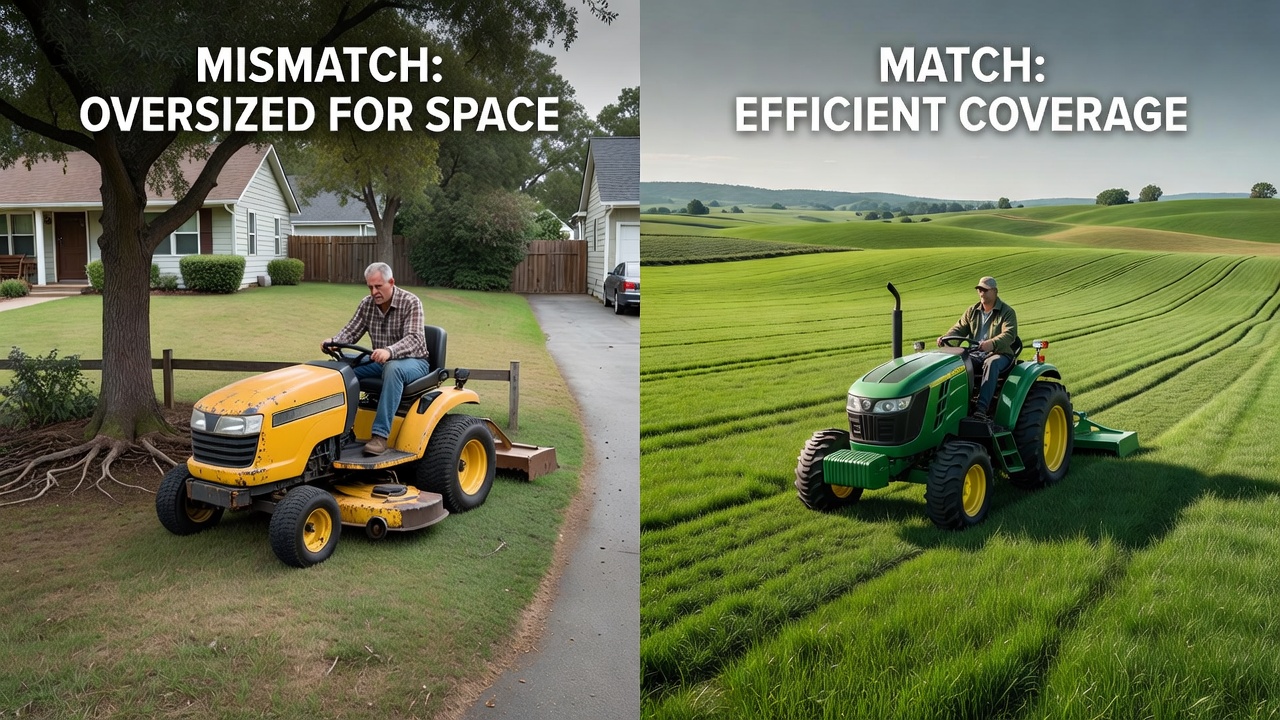
Before comparing specific models, clarify what “best” means in your context. A premium commercial-grade tractor excels at mowing 5+ acres weekly but wastes money and fuel on a half-acre suburban lot. A budget model may save $3,000 upfront but cost more in repairs and downtime. The right tractor balances four priorities:
- Efficiency: Cutting the right acreage in reasonable time without overworking the engine
- Durability: Lasting 10+ years with manageable maintenance and available replacement parts
- Maneuverability: Tight turning radius and stable handling on your specific terrain
- Value: Purchase price plus operating costs versus resale value and longevity
The tractor that scores highest on all four for your situation is your best choice.
Key Factors to Evaluate Before Buying
Yard Size and Terrain Type
Lawn tractor sizing begins with acreage and slope. A typical residential lot of 1–2 acres calls for a cutting deck of 42–48 inches; 3–5 acres benefits from 50–54 inches; 5+ acres justifies a 60-inch deck or larger. Terrain matters equally: flat yards are forgiving, but slopes steeper than 15 degrees demand hydrostatic transmissions and weight distribution that prevent tipping. Sandy or wet soil may require better traction than gravel or firm ground.
Engine Power (Horsepower)
Horsepower (HP) affects cutting speed, hill-climbing ability, and fuel consumption. Most residential zero-turn tractors range from 15–25 HP; traditional rear-engine models often run 12–18 HP. The rule of thumb: allocate 1–2 HP per inch of cutting width for adequate performance. A 48-inch deck on flat, well-maintained grass needs 20–22 HP to cut cleanly at full speed; the same deck on thick, wet, or tall growth benefits from 24+ HP. Oversizing wastes fuel; undersizing forces you to slow down or double-cut, reducing efficiency.
Budget and Total Cost of Ownership
Purchase price is only the first expense. Budget entries vary widely:
- Entry-level zero-turn: $2,500–$4,500
- Mid-range zero-turn: $4,500–$8,000
- Premium/commercial zero-turn: $8,000–$15,000+
- Traditional rear-engine tractor: $1,500–$4,000
- Garden tractor (sub-compact): $1,000–$2,500
Add annual maintenance (oil, filters, spark plugs, blade sharpening): $150–$300 for residential use. Factor in fuel costs (typically $200–$400 per mowing season for 20–30 acres of cutting) and potential repairs or parts replacement after 500+ operating hours. Brands with strong dealer networks and parts availability (John Deere, Kubota, Husqvarna, Cub Cadet) reduce downtime and repair costs.
Transmission Type and Cutting Features
Hydrostatic transmissions offer smooth, infinitely variable speed control and are gentler on the engine; they suit hilly terrain and frequent speed changes. Gear transmissions are cheaper, more durable in extreme conditions, but require manual shifting and offer fewer speed options. For residential use, hydrostatic wins on comfort and ease of operation.
Cutting quality depends on deck design, blade sharpness, and airflow. Look for:
- Mulching capability (finely chops clippings for nutrient return)
- Bagging option (collects clippings for composting or cleanup)
- Side discharge (fastest for large, open lawns)
- Deck construction (welded steel is durable; stamped steel is lighter but less rigid)
Types of Lawn Tractors: Choosing the Right Category
Zero-Turn-Radius (ZTR) Tractors
Zero-turn models pivot on independent rear wheels, enabling 0-degree turning radius. They excel at speed (up to 10+ mph mowing), maneuverability in tight spaces, and efficiency on 1–5 acre properties. Trade-offs: higher upfront cost, steeper learning curve for operator control, and less stability on extreme slopes. Best for: suburban homeowners who value time savings and clean, efficient cuts.
Traditional Rear-Engine Tractors
These compact, sit-down mowers have the engine and transmission at the rear, steering at the front. Advantages: affordable, stable on slight slopes, simple to operate, long track record of reliability. Disadvantages: slower (3–5 mph), larger turning radius, less precise control on uneven ground. Best for: budget-conscious buyers, aging properties with slight terrain variation, or smaller lots (under 1 acre) where speed is less critical.
Garden Tractors (Sub-Compact Tractors)
Mini versions designed for very small properties, gardens, or light landscaping. Typically 10–15 HP, 30–40 inch decks, and prices under $2,500. They sacrifice power and durability for affordability and space efficiency. Best for: small residential lots, elderly operators, or seasonal light use.
Mid-Engine Tractors
Engine mounted under the operator seat, combining some zero-turn benefits with greater stability. Less common than the above types but worth considering if terrain is moderately hilly or acreage falls between 2–5 acres.
Critical Specifications to Compare
| Specification | What It Means | What to Look For |
|---|---|---|
| Cutting Deck Size | Width of grass cut per pass; larger = fewer passes required | 42–48″ for 1–2 acres; 50–54″ for 3–5 acres; 60″+ for 5+ acres |
| Horsepower | Engine output; affects cutting speed, hill ability, fuel use | 1–2 HP per inch of deck width; 20–24 HP adequate for most residential use |
| Transmission | How engine power is delivered to wheels and blades | Hydrostatic for smooth, variable speed; gear shift for durability and cost savings |
| Fuel Tank Capacity | Distance between fill-ups before running dry | 3–5 gallons typical; larger tanks reduce mid-mow refueling on big properties |
| Blade Engagement | Method to start/stop blade rotation without stopping engine | Electric PTO (Power Take-Off) is convenient; mechanical is simpler and less prone to electrical failure |
| Warranty | Manufacturer coverage against defects and failures | Check coverage length (typically 2–5 years) and parts/labor included; dealer availability matters |
Comparing Value Across Price Points
Budget Tier ($1,500–$4,000)
Entry-level rear-engine tractors and basic zero-turn models. Adequate for small to medium residential lots with light use. Drawback: fewer features, potentially shorter lifespan (7–10 years), limited brand recognition or dealer support. Best value in this range: established brands with strong used-market presence (Cub Cadet, MTD-based models, entry-level Husqvarna).
Mid-Range Tier ($4,000–$8,000)
Most popular segment. Solid zero-turn models from John Deere, Kubota, Husqvarna, or Cub Cadet. Good balance of power, features, reliability, and resale value. Expected lifespan: 10–15 years with regular maintenance. Parts and dealer service are accessible. Best value: look for previous-year models or dealer floor clearance to save $500–$1,500.
Premium Tier ($8,000–$15,000+)
Commercial-grade or high-end residential tractors. Overkill for most homeowners unless acreage exceeds 5 acres or use is heavy-duty. Superior build quality, longer warranties, and advanced features (GPS, precision cutting, suspension) justify cost only for professionals or enthusiasts. Resale value is strong but absolute dollar recovery depends on market demand.
Brand Reliability and Resale Value
Established lawn equipment brands hold value and parts availability better than obscure or discontinued lines. John Deere dominates resale value and dealer density but commands a premium price. Kubota and Husqvarna offer strong durability and mid-market pricing. Cub Cadet provides excellent value for budget and mid-range buyers. MTD-based models (Yard-Man, Troy-Bilt) are affordable but have inconsistent reliability and narrower dealer networks.
When buying used, inspect maintenance records, blade condition, and belt wear. A well-maintained 5-year-old model from a reputable brand often outperforms a neglected new budget model.
Maintenance and Long-Term Durability
The best lawn tractor is only as good as your willingness to maintain it. Annual tasks:
- Oil and filter changes (per manual, typically every 50–100 hours)
- Air filter cleaning or replacement
- Spark plug replacement
- Blade sharpening or replacement (at least annually; more often if mowing frequently)
- Belt inspection and replacement if worn
- Deck cleaning after each use to prevent grass buildup and rust
Seasonal storage matters: drain fuel or add stabilizer before winter; check tire pressure and battery condition in spring. Neglecting these steps cuts tractor lifespan from 15 years to 8–10 and leads to costly repairs.
How to Choose: A Decision Framework
Follow these steps to identify your best option:
- Measure your property and note terrain. Acreage and slope grade directly determine tractor size and transmission type.
- Define your budget—purchase and 5-year operating cost. Include fuel, maintenance, and potential repairs.
- Decide on priority: speed, ease of use, or durability. Zero-turns prioritize speed; rear-engine models prioritize simplicity and affordability; mid-range balances all three.
- Research brands with strong local dealer networks. Proximity to parts and service is worth more than a slightly cheaper model 50 miles away.
- Test-drive 2–3 finalists if possible. Comfort, visibility, and control feel vary; what suits one operator may not suit another.
- Check warranty, included maintenance, and trade-in value. Some dealers offer extended warranties or free first-season service; factor these into total cost.
- Read independent owner reviews for long-term reliability. Forums and review sites reveal recurring issues better than marketing materials.
Red Flags and What to Avoid
- Extreme price undercut: If a model costs 40% less than competitors, suspect corners cut in build quality or parts availability.
- Discontinued brands or models: Avoid obscure brands with no local dealer network; parts become unavailable after 5–10 years.
- No warranty or suspiciously short warranty: A 1-year or 50-hour warranty suggests the manufacturer lacks confidence in durability.
- Heavy rust or obvious damage on showroom model: Indicates poor storage or quality control at the dealer.
- Overwhelmingly negative reviews mentioning the same defect: Common issues (transmission failure, blade engagement problems) are red flags.
Frequently Asked Questions
What size lawn tractor do I need for a 2-acre property?
For 2 acres of typical residential grass, a 48-inch cutting deck with 20–22 HP is ideal. A zero-turn model cuts the lawn in roughly 2–3 hours; a traditional rear-engine model takes 3–4 hours. If terrain is hilly or the grass is thick and tall, consider 24+ HP or a deck size of 50–54 inches to handle the workload comfortably.
Is a zero-turn tractor worth the extra cost?
For properties under 1 acre, a zero-turn saves minimal time and isn’t worth the $2,000–$4,000 premium. For 2–3 acres, a zero-turn saves 30–60 minutes per mowing session and reduces fatigue from steering. For 4+ acres or frequent use, the time savings and maneuverability justify the cost within 2–3 years of ownership.
How long do lawn tractors typically last?
Well-maintained tractors last 12–18 years or 1,500–2,500 operating hours. Budget models may decline in performance after 1,000 hours; premium brands often exceed 2,500 hours. Annual maintenance, proper storage, and blade care extend lifespan significantly. Neglected tractors often fail after 7–10 years despite lower operating hours.
Should I buy new or used?
A used tractor from a reputable brand (John Deere, Kubota, Husqvarna) with documented maintenance history often provides better value than a new budget model. Look for 3–7 year-old models with 300–500 operating hours. Price typically 40–60% below new. Avoid very old models (15+ years) unless you’re handy with repairs or the price reflects potential issues.
Conclusion
The best lawn tractor matches your acreage, terrain, budget, and maintenance commitment. For most residential homeowners, a mid-range zero-turn or traditional tractor from an established brand offers the best balance of cost, performance, and durability. Prioritize dealer proximity and parts availability over brand prestige, invest in annual maintenance, and test-drive before buying. A careful choice now saves frustration, money, and time for the next decade of lawn care.