Direct Answer: How to Turn Off a Lawn Mower
To turn off a lawn mower safely: (1) Release or disengage the blade control to stop cutting, (2) Move the throttle to idle or low speed, (3) Turn the ignition key to OFF or press the stop button, and (4) wait for all moving parts to stop completely before touching the mower. Always consult your owner’s manual for model-specific procedures, as shutdown sequences vary slightly between push mowers, riding mowers, and electric models.
Why Proper Lawn Mower Shutdown Matters
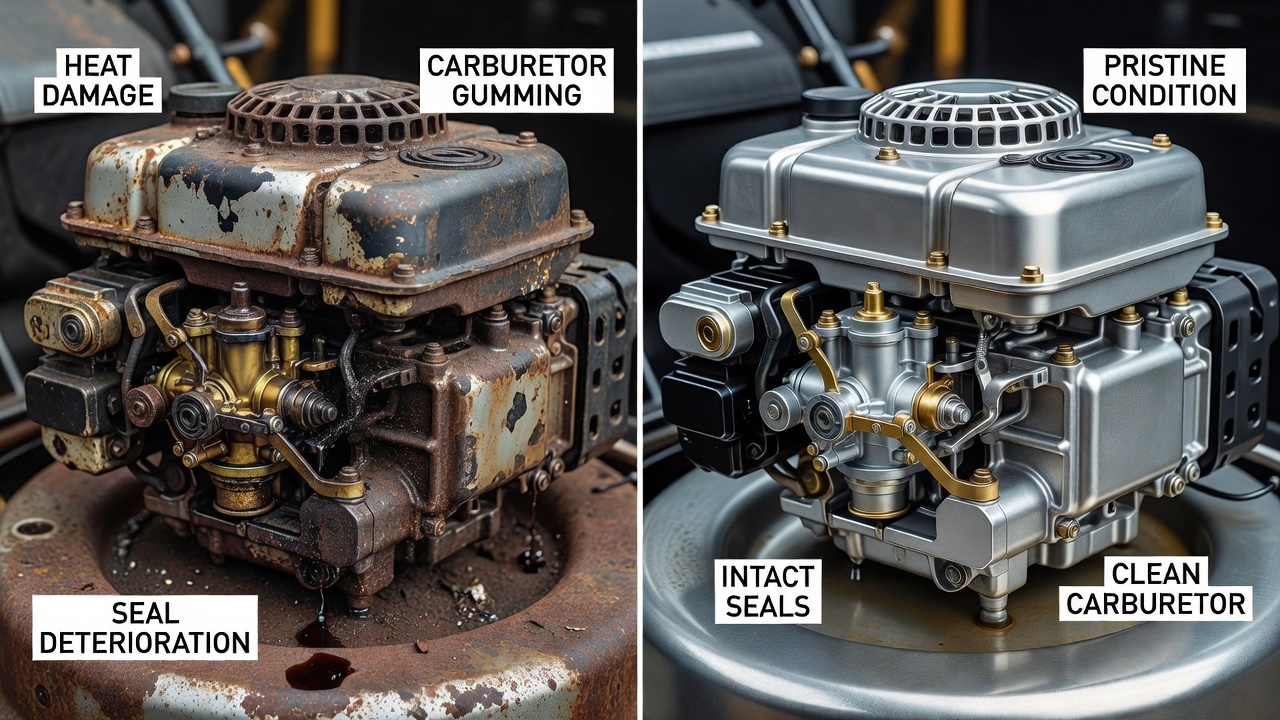
Turning off a lawn mower correctly isn’t just about convenience, it’s a safety and maintenance issue. Improper shutdown can damage your engine, wear out internal components prematurely, and create unnecessary safety hazards.
Safety risks of poor shutdown: If you turn off the ignition while the blade is still engaged or the engine is under load, you risk sudden jerking movements, blade damage, or carburetor flooding. Additionally, touching a mower immediately after shutdown can cause burns, as engines remain extremely hot for several minutes.
Engine longevity: Gradual shutdown, moving the throttle to idle before killing the engine, allows the cooling system to function properly and reduces stress on internal seals and bearings. This simple step can add years to your mower’s life.
Fuel system health: On gas mowers, proper shutdown prevents fuel from gumming up the carburetor during storage, a common cause of starting problems the following season.
Universal Shutdown Steps for Any Lawn Mower
While specific mower types have unique features, these core steps apply to nearly all gas and electric lawn mowers:
- Disengage the cutting blade: Release the blade control lever (on push mowers) or turn off the PTO (Power Take-Off) switch on riding mowers. This stops the blade from spinning and allows the engine to lighten its load.
- Move to idle speed: Gradually reduce the throttle to the lowest setting or “idle” position. Never shut off an engine at full throttle.
- Activate the stop control: Turn the ignition key to OFF, press the engine stop button, or move the fuel shutoff valve to CLOSED. The engine should come to a complete stop within a few seconds.
- Wait before servicing: Allow the mower to rest for at least 5 minutes before servicing, refueling, or storing. The engine and blade can cause severe burns or cuts if touched immediately.
- Check that everything has stopped: Ensure the blade is no longer rotating and the engine is silent before walking away from the mower.
Shutting Down Push Mowers (Gas-Powered)
Push mowers are the most common residential lawn mower type. They typically feature a single blade, a throttle control, and an ignition switch.
- Release the blade control lever: Most push mowers have a deadman switch or blade engagement lever on the handle. Squeeze and release this lever to disengage the blade immediately. You’ll notice the blade sound change as it coasts to a stop.
- Move the throttle to idle: If your mower has a separate throttle control, reduce it to the lowest setting. Many modern push mowers have automatic idle, so this step may not apply.
- Turn the ignition switch: Locate the ignition switch (usually on the engine housing or handle) and turn it to OFF. On some mowers, you may need to press a button or move a lever instead.
- Wait for the blade to stop: Modern push mowers have blade brakes that stop rotation within 3 to 5 seconds. Ensure the blade has completely stopped before moving the mower.
- Allow cooling time: Wait at least 5 minutes before refueling, servicing, or storing. Gas mower engines reach temperatures of 400°F or higher during operation.
Tip: If your push mower won’t start the next time you use it, improper shutdown and carburetor gumming are common culprits. To prevent this, run the mower on idle for 30 seconds before shutdown, which clears fuel from the carburetor.
Shutting Down Riding Mowers
Riding mowers are larger and require attention to additional systems like the parking brake and deck engagement. Before finalizing equipment decisions, refer to our comprehensive marshall stanmore iii vs harman kardon onyx studio 8 comparison.
Step-by-step shutdown for riding mowers:
- Disengage the cutting deck: Turn off the PTO (Power Take-Off) switch or move the deck engagement lever to the OFF position. This stops the blades from spinning and relieves engine load.
- Move to idle: Gradually reduce the throttle to idle speed. On riding mowers with cruise control, release the cruise lever first.
- Engage the parking brake: Pull the parking brake lever or pedal fully toward you. This prevents the mower from rolling if parked on a slope.
- Turn off the ignition: Turn the key to OFF or press the stop button. The engine will shut down within seconds.
- Remove the key: Once the engine has stopped, remove the ignition key and store it safely. This prevents accidental starting if someone else uses the mower.
- Cool before servicing: Wait at least 10 minutes before refueling, checking the oil, or performing blade maintenance on a riding mower, as the engine takes longer to cool on larger models.
Important safety note: Never leave a running riding mower unattended, even with the parking brake engaged. Always shut it off completely before dismounting. For broader ecosystem context, read through our operational guide on dyson v8 cyclone vs bissell featherweight stick.
Turning Off Electric and Battery-Powered Mowers
Electric mowers eliminate many shutdown complications because they don’t require cooling time or carburetor maintenance. However, they have their own specific procedures.
- Disengage the blade by releasing the blade control lever.
- Press the stop button or move the power switch to OFF.
- Unplug the power cord from the outlet as soon as the blade stops.
- Allow the blade to come to a complete stop (typically within 1 to 2 seconds) before coiling the cord.
Battery-powered mower shutdown:
- Release the blade engagement control to stop cutting.
- Press the power button or switch to OFF.
- Remove the battery from the mower if you won’t be using it for an extended period.
- Store the battery in a cool, dry location at 40 to 60% charge for optimal longevity. Storing a fully charged or fully depleted battery reduces its lifespan.
Advantage of electric mowers: Unlike gas mowers, electric mowers require no cooling period and produce no carburetor gumming issues. You can refuel (or swap batteries) almost immediately after shutdown.
Post-Shutdown Safety Checklist
Your responsibilities don’t end when the engine stops. Follow these safety practices:
| Safety Checkpoint | What to Do | Why It Matters |
|---|---|---|
| Blade contact | Never touch the blade for at least 10 minutes after shutdown. Use a stick or tool to clear debris instead. | Blade brakes may fail; skin contact with mower blades causes severe lacerations. |
| Engine temperature | Wait until the engine cools before refueling. Touch the engine housing briefly, if too hot to hold your hand for 5 seconds, it’s not ready. | Hot engine surfaces can ignite gasoline or cause burns. |
| Fuel handling | Refuel only outdoors or in a well-ventilated area, away from the engine and spark plug. | Gas fumes are flammable; hot engine parts can ignite fuel vapors. |
| Storage position | Store the mower on level ground with the blade horizontal and pointing away from walkways. | Prevents accidental blade contact and reduces pressure on hydraulic seals. |
| Children and pets | Keep everyone at least 10 feet away from the mower until it has completely stopped and cooled. | Residual blade rotation, heat, and escaping fuel vapors pose serious hazards. |
Maintenance Performed After Shutdown
Once your mower has cooled, this is an ideal time for routine maintenance:
- Clear debris: Use a brush or compressed air to remove grass clippings from the deck, undercarriage, and cooling vents. Clogged cooling vents reduce engine life.
- Check the oil: On gas mowers, inspect the oil level when the engine is cool and on level ground. Top up if necessary before your next mowing session.
- Inspect the blade: Look for bent, cracked, or dull blades. A dull blade tears grass instead of cutting it cleanly, making your lawn more vulnerable to disease.
- Examine the spark plug: On push mowers, remove and inspect the spark plug for corrosion or carbon buildup. Replace it yearly if it appears worn.
- Document fuel type and date: Write down the fuel type and date added to your mower. This helps you track carburetor issues and seasonal storage problems.
Seasonal Storage: Extended Shutdown Procedures
If you’re storing your mower for winter or an extended period, proper shutdown goes beyond the daily routine.
For gas mowers:
- Run the mower on idle for 2 to 3 minutes to stabilize fuel flow.
- Add fuel stabilizer to the gas tank according to product instructions (typically 2 ounces per 5 gallons).
- Run the mower for another 5 to 10 minutes so the stabilized fuel reaches the carburetor and fuel lines.
- Turn off the mower and let it cool.
- Drain the oil and replace with fresh oil if you haven’t done so recently.
- Clean or replace the air filter.
- Store the mower in a dry location, preferably indoors.
For battery-powered mowers:
- Remove the battery and store it indoors at 40 to 60% charge.
- Clean the mower deck and motor housing.
- Store in a cool, dry location away from temperature extremes.
For corded electric mowers:
- Inspect the power cord for cracks or damage before storing.
- Coil the cord loosely to prevent kinks and breakage.
- Store indoors in a dry location.
Troubleshooting Shutdown Problems
Engine won’t shut off: If your mower’s engine continues running after you’ve moved the ignition to OFF, the stop switch may be faulty. Locate the fuel shutoff valve (usually on the fuel line) and move it to the CLOSED position. Once the engine stops, contact a repair technician to fix the switch.
Blade won’t stop spinning: If the blade continues rotating several seconds after you’ve disengaged it, the blade brake may be worn. Stop using the mower and have the brake inspected before your next mowing session, as this is a safety hazard.
Engine won’t start after shutdown: Carburetor gumming is the most common cause. This happens when you shut off the engine at full throttle or let old fuel sit in the carburetor over winter. Use fuel stabilizer during seasonal storage and always reduce throttle to idle before shutdown.
Everything You Need to Know: How To Turn Off A Lawn Mower FAQ
How long does it take for a lawn mower blade to stop after shutdown?
Most modern lawn mowers have blade brakes that stop the blade within 3 to 5 seconds of disengagement. Some older models or commercial mowers may take up to 10 seconds. Never assume the blade has stopped, always wait and listen for complete silence before moving the mower or servicing it.
Can you turn off a lawn mower while it’s cutting?
Yes, but you should always disengage the blade first by releasing the blade control lever, then reduce the throttle to idle before turning off the ignition. Turning off the engine while the blade is engaged and the throttle is at full speed can cause sudden jerking, damage the engine, and is unsafe.
Is it bad to leave a lawn mower running between uses?
Yes. Leaving a mower idling wastes fuel, increases engine wear, and can cause carburetor flooding. Always shut off the engine when you’re finished mowing. If you need a break, turn off the mower rather than letting it run.
How do you know when a lawn mower engine has cooled enough to refuel?
Wait at least 5 minutes after shutdown, then use the back of your hand to briefly touch the engine housing. If you can hold your hand against it for 5 seconds without pain or discomfort, it’s cool enough to refuel. On riding mowers, wait 10 minutes to be safe. Always refuel outdoors or in a well-ventilated area away from ignition sources.
Related Maintenance and Operating Guides
To keep your equipment running at peak operating efficiency, explore our related technical walkthroughs and maintenance tutorials:
- Consult our detailed breakdown on bissell crosswave hydrosteam vs shark stainforce.
Shutting Down a Mower Safely
Releasing the blade control or throttle and then switching off the ignition stops the engine in the right order. Waiting for the blade to stop completely before walking away prevents accidental contact. Readers interested in general shutdown and safety habits can look to American National Standards Institute (ANSI).