

Quick Answer: Choosing the Best Vacuum Cleaner Robots
When choosing the best vacuum cleaner robots in 2026, focus first on suction measured in Pascals for debris lift across floor types and reliable navigation such as LiDAR for complete room coverage without random paths. Pair these with self-maintenance docks and anti-tangle systems to match pet ownership or multi-surface needs for lasting daily performance.
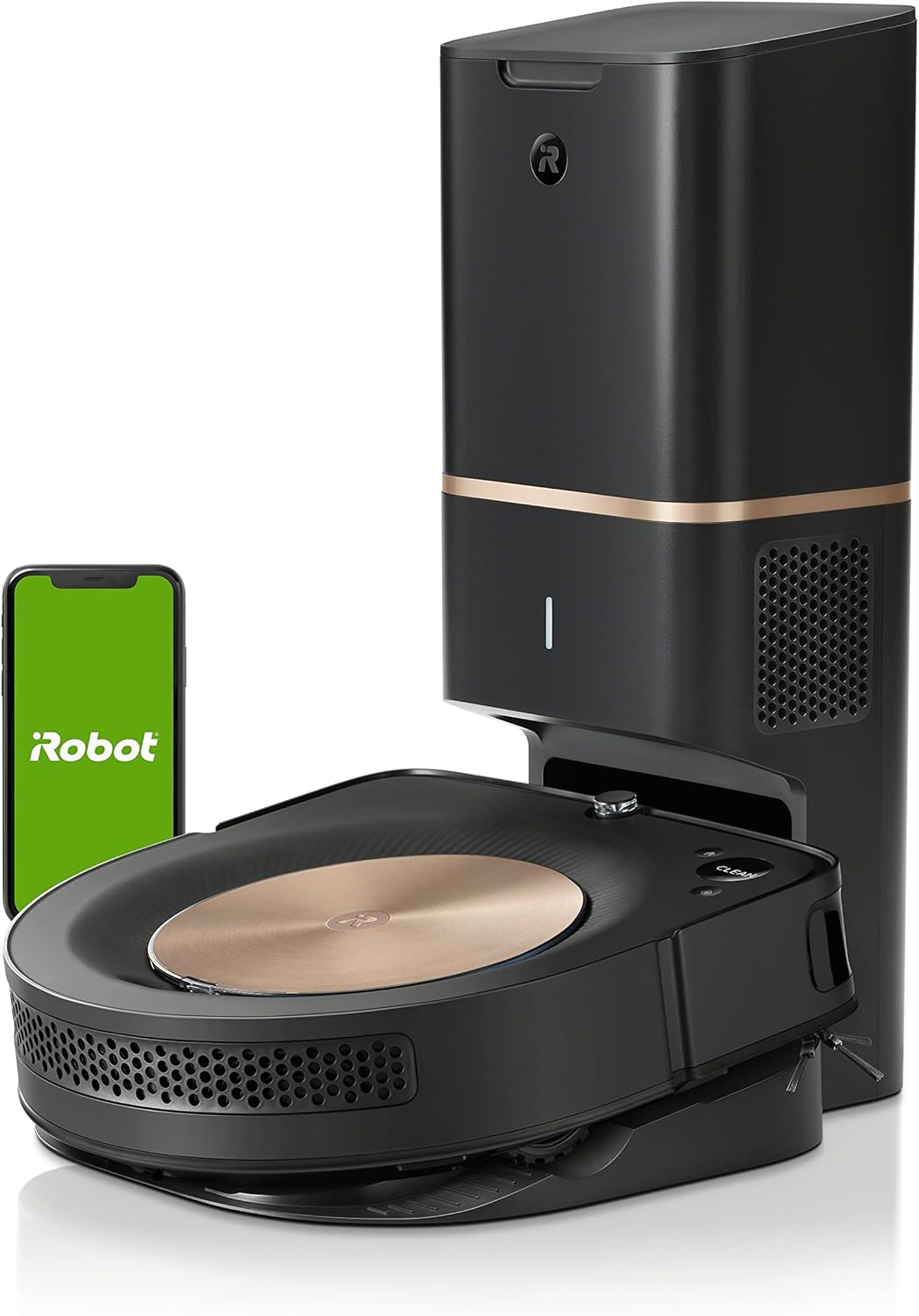
Pros
- Exceptional suction power for deep carpet cleaning.
- Advanced mapping technology prevents the robot from getting stuck or missing areas.
- Convenient self-emptying base reduces manual maintenance to a minimum.
- Effective at handling pet hair without brush roll tangles.
Cons
- High price point compared to newer and more compact models.
- The physical footprint of the Clean Base is relatively large and requires dedicated space.
- Some users may find the noise level during the automatic emptying cycle quite loud.
The Ultimate Hands-Free Cleaning Solution
The iRobot Roomba s9+ robot vacuum stands as the flagship solution for homeowners who demand a pristine living space without the daily chore of vacuuming. Designed for those with large homes or significant pet shedding, this device combines raw suction power with industry-leading mapping capabilities. It is a premium investment for anyone looking to reclaim their time through high-end automation.
Performance and Navigation
What sets the s9+ apart is its proprietary PerfectEdge Technology. Unlike traditional round vacuums, the D-shaped design allows it to navigate into corners and along edges with precision. With 40x more suction than base-level models, it excels at pulling deeply embedded dirt from rugs and carpets. The vSLAM navigation system is incredibly intelligent, capturing thousands of data points per second to ensure no corner is left uncleaned while avoiding obstacles effectively.
Smart Integration and Maintenance
The standout feature is undoubtedly the Clean Base Automatic Dirt Disposal, which allows the robot to empty its own bin for up to two months. Combined with the iRobot OS, which provides personalized cleaning schedules based on seasonal pollen or pet shedding cycles, the vacuum feels truly proactive. Users can easily partition their home into specific rooms or zones, allowing for targeted cleaning via simple voice commands or the intuitive mobile app.
Final Verdict
While the iRobot Roomba s9+ carries a higher price tag, it justifies the cost through its comprehensive feature set and autonomous reliability. It is a robust machine that prioritizes performance and deep cleaning. While it occupies a larger space than smaller robots and operates with significant noise during self-emptying, the trade-off is a consistently clean home with virtually zero manual effort required.

Pros
- Incredibly powerful suction that excels at deep carpet cleaning.
- Advanced AI obstacle avoidance prevents the robot from getting stuck on household clutter.
- Large capacity auto-empty base reduces manual maintenance to once every two months.
- Smart mapping is fast and highly customizable via the Roomba Home App.
Cons
- Does not include a mopping module for wet cleaning.
- The auto-empty process is briefly loud during the debris transfer cycle.
The iRobot Roomba Max 705 Robot Vacuum represents a significant leap forward in automated home maintenance, designed specifically for busy households and pet owners. This model combines extreme suction power with intelligent navigation to deliver a truly hands-free cleaning experience. If you are tired of daily vacuuming chores, this smart appliance offers a robust solution that takes care of itself for weeks at a time.
Exceptional Cleaning Performance and Smart Navigation
At the core of this vacuum is its outstanding 180x power-lifting suction, which works in tandem with dual anti-tangle rubber brushes. This combination ensures that pet hair, fine dust, and heavy debris are lifted from both hard floors and deep carpets without clogging the system. Navigation is handled by ClearView Pro LiDAR and PrecisionVision AI, allowing the robot to map your home in minutes and safely navigate around obstacles like shoes, cords, and pet waste, even in complete darkness.
Hands-Free Maintenance with the AutoEmpty Dock
One of the most convenient aspects of this system is the AutoEmpty Dock. Once the robot completes its cleaning run, it returns to the base, which automatically vacuums out the onboard dustbin into an enclosed bag. This bag traps allergens and fine dust down to 0.7 microns and holds up to 75 days of debris, meaning you only have to think about vacuuming once every couple of months.
Considerations and Verdict
While the performance is top-tier, users should note that the auto-empty process is loud, though it only lasts for a few seconds. Additionally, this is a dedicated vacuum and does not feature mopping functions. Overall, the Roomba Max 705 is a highly reliable, powerful, and genuinely smart vacuum that excels at keeping carpets and hard floors immaculate with minimal human intervention.
Technical Specifications
- Suction Power: 180x stronger than Roomba 600 series in Spot Clean mode
- Navigation: ClearView Pro LiDAR and PrecisionVision AI Technology
- Brush System: Dual Multi-Surface Rubber Brushes and Edge-Sweeping Brush
- Dock Capacity: Up to 75 days of dust and debris containment
- Smart Connectivity: Compatible with Alexa, Google Assistant, Siri, and Roomba Home App
- Floor Compatibility: Carpet, rugs, tile, hardwood, and laminate

Pros
- Detachable deep cleaner for carpets, sofas, stairs, and car seats
- Manufacturer-stated 20,000 Pa suction with carpet detection
- DuoSpiral anti-tangle brushes designed to reduce hair wrap on rollers
- CornerRover arm extends along walls and into corners for edge cleaning
- Station self-empties, self-washes, self-refills mops, and hot-air dries
Cons
- Heavy at 44.64 pounds, with a large footprint for storage and moving
- Wi-Fi supports 2.4 GHz only; 5 GHz networks are not supported

Pros
- Superior obstacle avoidance with 3D camera and LiDAR.
- Automatic dust disposal reduces maintenance frequency.
- Convenient remote monitoring via live video stream.
- Excellent compatibility with major voice assistants.
- Washable dustbin for easy, long-term maintenance.
Cons
- Higher price point compared to standard robotic vacuums.
- Limited 90 minute battery life may not suit very large floor plans.
- Large size of the Clean Station base requires dedicated floor space.
Experience Next-Gen Automated Cleaning
The Samsung Jet Bot AI+ Robot Vacuum represents a significant leap forward in home automation. Designed for those who value both performance and convenience, this vacuum utilizes a sophisticated combination of LiDAR navigation and 3D camera technology to map your home with pinpoint accuracy. Unlike entry-level bots that bump into furniture, the Jet Bot AI+ intelligently identifies and maneuvers around objects, ensuring a thorough clean without the need to clear your floors first.
Smart Features and Real-Time Control
What sets this model apart is its integration with the SmartThings ecosystem. Users can not only schedule cleanings or define no-go zones via the app but also tap into the front-facing camera for live video monitoring. Whether you want to check on pets while you are away or simply verify that the vacuum has finished its task, the real-time tracking features provide complete peace of mind.
Performance and Maintenance
When it comes to suction power, the Jet Bot AI+ does not disappoint. It automatically adjusts its intensity based on the surface type, ensuring that fine dust is lifted from carpets while hardwood floors are cleaned gently. The standout feature remains the Clean Station, which uses Air Pulse technology to empty the dustbin automatically. This, paired with a high-efficiency 5-layer HEPA filtration system, makes it a top-tier choice for allergy sufferers. While the unit does have a shorter runtime than some competitors and a larger base station footprint, the trade-off in maintenance-free convenience is well worth it for most modern households.

Pros
- Incredible 12,000Pa suction power handles heavy debris effortlessly
- Fully automated dock handles emptying, washing, and warm-air drying with ease
- Zero-tangle brush design is highly effective for pet hair
- FlexiArm reach ensures thorough corner and edge cleaning
Cons
- Only supports 2.4GHz WiFi networks, not 5GHz
- The multi-functional dock requires a significant amount of floor space
- App setup can take some time for multi-floor mapping configurations
The Roborock Qrevo S5V Robot Vacuum and Mop represents a major leap forward in automated home cleaning, designed specifically for busy households, pet owners, and large multi-level homes. By combining industry-leading suction power with an advanced self-cleaning dock, this premium appliance aims to take the chore out of floor maintenance entirely.
Unmatched Performance and Smart Navigation
At the heart of this machine is an incredible 12,000Pa HyperForce suction motor that lifts deep-seated dirt from thick carpets and hard floor crevices alike. Navigating complex home layouts is seamless thanks to PreciSense LiDAR technology and structured light sensors. The robot dynamically maps up to four floors, automatically identifying obstacles like cables and shoes to plan the most efficient route without getting stuck.
Advanced Mopping and Self-Maintenance
Unlike standard hybrid vacuums, the dual spinning mops rotate at 200 RPM to scrub away stubborn spills. The innovative FlexiArm design extends the mop pad to reach corners and baseboards that other vacuums miss. When transitioning to carpet, the mop pads lift by 10mm to keep your rugs dry. Once the job is done, the all-in-one dock takes over by emptying the dustbin, washing the mops, and drying them with warm air to eliminate odors.
Minor Drawbacks and Final Verdict
While the cleaning performance is exceptional, users should note that the device only connects to 2.4GHz WiFi networks, which may require adjusting dual-band router settings during initial setup. Additionally, the comprehensive dock has a relatively large physical footprint. Overall, this robot vacuum delivers outstanding hands-free cleaning, making it a highly recommended investment for anyone looking to automate their daily home maintenance.

Pros
- Massive 60-day capacity self-emptying base saves time and keeps hands clean.
- LiDAR mapping works flawlessly in both bright and pitch-black rooms.
- Self-cleaning brushroll prevents long pet hair from tangling around the roller.
- Recharge and Resume feature ensures whole-home coverage even for larger layouts.
Cons
- The self-emptying process is quite loud for a few seconds when docking.
- The mobile app can occasionally experience connectivity drops during initial setup.
- Its height may prevent it from fitting under very low-profile furniture.
The Shark AV2501AE AI Robot Vacuum represents a significant step forward in automated home maintenance, designed specifically for busy households and pet owners. By combining powerful suction with an intelligent, bagless self-empty base, this robot vacuum promises to take the chore out of floor care for up to two months at a time. It targets users who want a set-it-and-forget-it cleaning companion that handles both carpets and hard floors without requiring daily intervention.
Smart Navigation and Deep Cleaning Performance
At the heart of its performance is the Matrix Clean Navigation system, which guides the robot in a precise grid pattern rather than random bouncing. Coupled with 360-degree LiDAR vision, the vacuum maps your home quickly and cleans methodically. It excels at detecting and avoiding everyday obstacles, operating reliably in both bright daylight and complete darkness. The powerful suction easily lifts embedded dirt and pet hair, while the self-cleaning brushroll ensures you do not have to manually cut tangled hair away from the roller.
Hands-Free Maintenance with HEPA Filtration
The standout feature of this model is the extra-large self-empty base. Unlike many competitors that require proprietary paper bags, this bagless system saves on ongoing costs. It holds up to 60 days of debris and features a true HEPA filtration system that traps 99.97% of dust and allergens down to 0.3 microns. While the base is exceptionally convenient, users should note that the evacuation cycle is quite loud, though it only lasts for a few seconds upon docking.
Considerations and Final Verdict
While the vacuum excels in navigation and debris pickup, it does have a few minor drawbacks. The companion app can occasionally feel clunky during the initial mapping phase, and the unit's height might prevent it from sliding under exceptionally low couches. However, for those seeking a powerful, low-maintenance robotic helper with top-tier pet hair handling and allergen filtration, this vacuum offers outstanding value and reliable daily performance.
Technical Details
- Navigation: 360 degree LiDAR Vision
- Base Capacity: Up to 60 days (Bagless)
- Filtration: True HEPA (99.97 percent efficiency)
- Runtime: Up to 120 minutes
- Voice Control: Amazon Alexa and Google Assistant
- Floor Types: Carpet and Hard Floors

Pros
- Strong suction tackles both fine dust and larger debris effectively
- Self-cleaning dock reduces daily upkeep significantly
- Extendable tools improve edge and corner coverage
- Carpet protection features keep rugs dry during mopping
Cons
- Mop is not removable without manual intervention
- Limited voice control options compared to some competitors
- App customization requires initial setup time
Overview
The Mova P50 Ultra is a self-maintaining robot vacuum and mop designed for users who want comprehensive floor cleaning without constant intervention. It combines high suction power with automated dock functions to handle daily dirt pickup and mop care.
Standout Features and Performance
With 19000Pa suction and extendable side brushes plus mops, the robot reaches tight corners and baseboards thoroughly. The dual rotating mops adjust water output across 32 levels while the CleanLift system raises components on carpets to avoid moisture transfer. Real-world use shows reliable transitions between vacuuming and mopping modes.
Design and Build
The unit features a compact dock that stores dust for up to 75 days and washes mop pads at 75 degrees Celsius before drying them. Sensors provide 360-degree detection and obstacle avoidance, allowing smooth operation across varied home layouts and thresholds.
Drawbacks
The fixed mop design means manual removal if deep cleaning the pads outside the dock cycle is needed. Voice assistant support is basic and lacks video features found in higher models.
Verdict
Overall the Mova P50 Ultra delivers strong value for households seeking automated edge cleaning and low-maintenance upkeep. It earns a recommendation for most users prioritizing suction and self-cleaning over advanced voice controls.
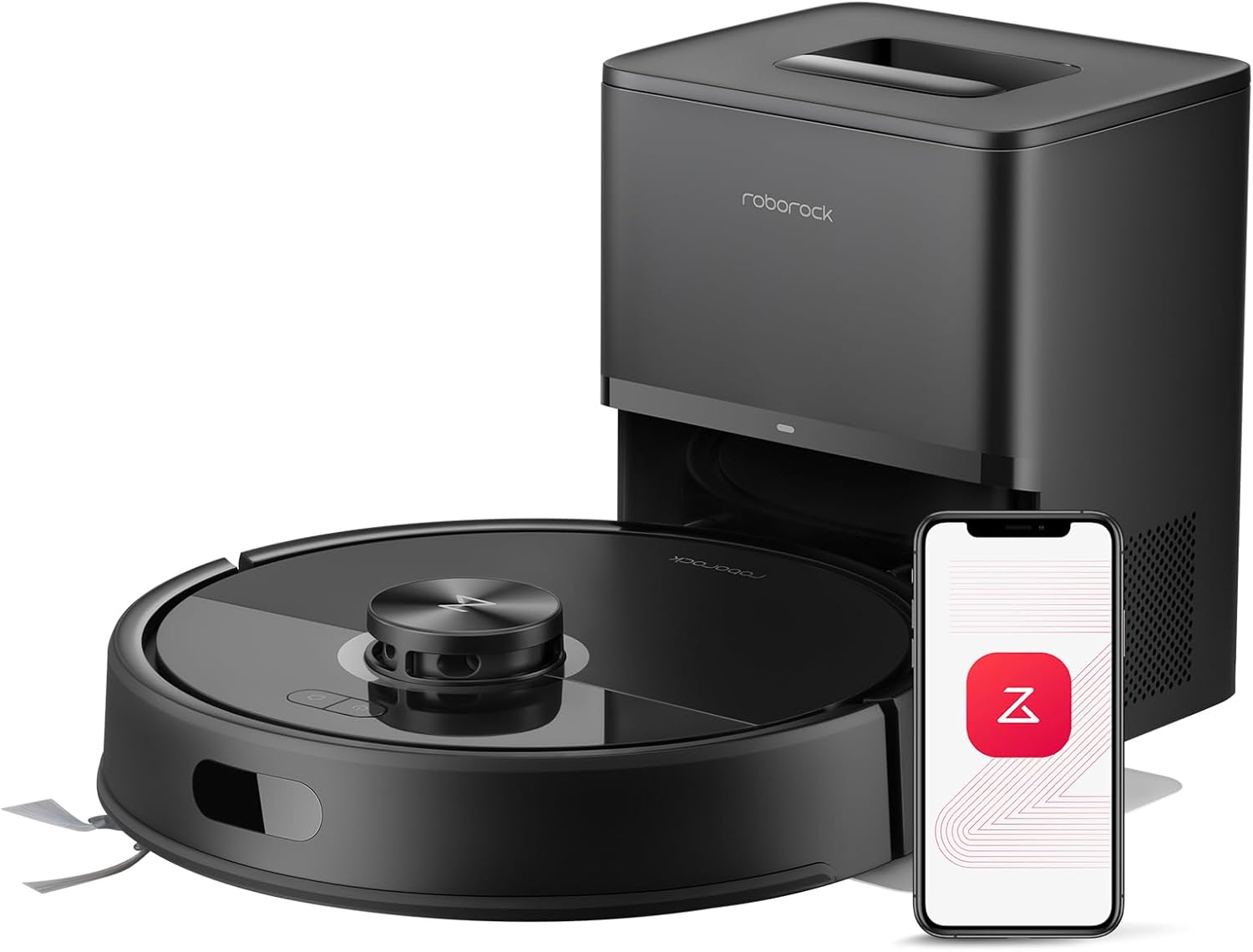
Pros
- Powerful 10,000Pa suction excels at deep carpet cleaning and debris pickup
- Large 2.7L self-empty dock reduces maintenance to once every two months
- Highly effective dual anti-tangle brush design for households with pets
- Precise LiDAR navigation works flawlessly even in completely dark rooms
Cons
- App control requires a 2.4GHz Wi-Fi connection and does not support 5GHz bands
- Electronic mopping system is basic compared to premium vibrating or rotating mop models
Effortless Automated Cleaning for Busy Homes
The Roborock Q7 M5+ Robot Vacuum and Mop is designed to take the hassle out of daily floor maintenance. Offering a significant upgrade over previous generations, this hybrid cleaning device is perfect for pet owners and busy families who want clean floors without the daily upkeep. By combining powerful suction with an intelligent self-emptying dock, it delivers weeks of hands-free operation.
Unmatched Suction and Smart Navigation
At the core of this robot vacuum is an impressive 10,000Pa HyperForce suction system. It easily extracts embedded dust, pet hair, and crumbs from both deep-pile carpets and hardwood crevices. Navigating your home is seamless thanks to the PreciSense LiDAR system, which maps your home in real-time. This allows the vacuum to calculate the most efficient cleaning paths, avoiding obstacles and navigating multi-level homes with ease.
Dual Anti-Tangle System for Pet Owners
One of the standout design features is the dual anti-tangle system. Featuring a specialized main brush and a zero-tangling side brush, it resists hair wraps from long-haired pets, reducing the need for manual detangling. Additionally, the integrated electronic mopping system allows you to vacuum and wipe down hard floors in a single run, capturing fine dust particles that dry vacuuming alone might miss.
A Few Minor Considerations
While the cleaning performance is exceptional, there are a couple of limitations. The Roborock App only supports 2.4GHz Wi-Fi networks, which might require adjusting your router settings during setup. Furthermore, the electronic mopping system is excellent for light dust and maintenance but does not scrub stubborn, dried-on stains as effectively as premium vibrating mop modules.
The Verdict
Overall, this robotic cleaner offers a fantastic balance of high-end performance and convenience. With its self-emptying dock, industry-leading suction, and smart mapping capabilities, it is a highly recommended investment for anyone looking to automate their home cleaning routine with minimal manual intervention.
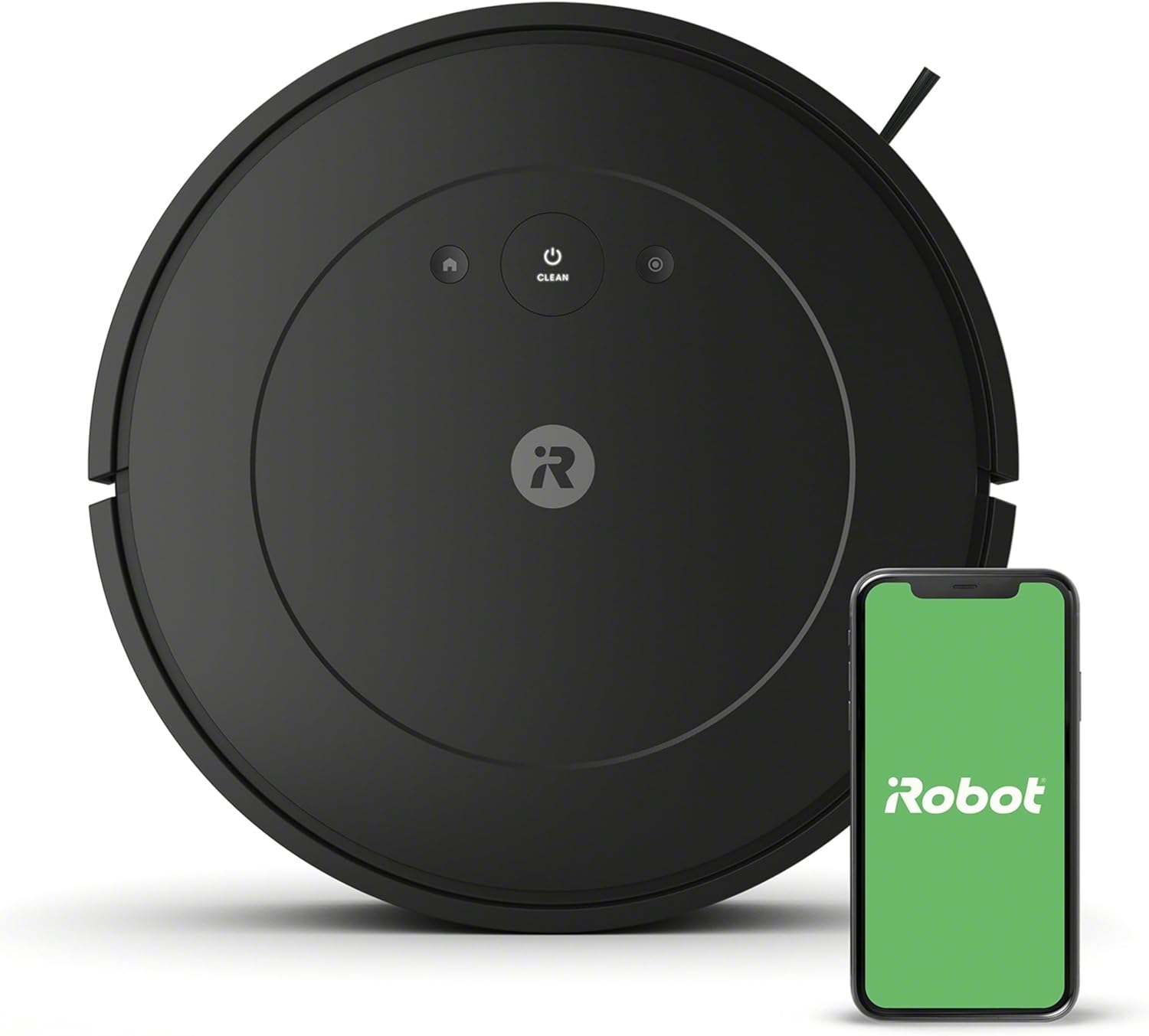
Pros
- Simple app setup and voice assistant compatibility for convenient control
- Effective edge and corner cleaning with the dedicated brush
- Self-charging capability reduces daily maintenance
- Multiple suction levels allow quieter operation when desired
Cons
- Basic navigation may miss spots in complex layouts compared to premium models
- Requires consistent 2.4 GHz Wi-Fi connection for full app features
- Mixed user feedback suggests occasional reliability inconsistencies
What the iRobot Roomba Vac Offers
The iRobot Roomba Vac Essential provides straightforward automated vacuuming for users who want reliable daily floor maintenance without advanced mapping. It targets apartments and smaller homes needing basic suction and navigation at an accessible level.
Standout Features and Performance
Its 3-stage system delivers strong suction across three power settings while the V-shaped brush and edge sweeper tackle debris on multiple surfaces. Smart sensors guide it in orderly rows for thorough coverage and stair avoidance, making whole-home sessions efficient for most layouts.
Design, Build and Ease of Use
The slim profile lets it slide under sofas and beds where dust collects, and setup takes minutes via the iRobot Home App for scheduling or spot cleaning. Self-return charging keeps it ready without intervention, though it depends on a stable 2.4 GHz network.
Drawbacks to Consider
Some users report it can get stuck on transitions or overlook areas in cluttered spaces, reflecting its entry-level navigation. It lacks the obstacle avoidance or zone cleaning found in higher-end Roombas.
Final Verdict
Overall this model earns consideration for beginners prioritizing simplicity and value in robot vacuums, delivering solid essentials despite not matching premium performance.

Pros
- SLAM navigation with 12 sensors plans cleaning paths (manufacturer-stated)
- Scheduled cleaning lets the robot run while you are away
- Real-time view of the cleaning path and progress
- 5200 mAh battery with manufacturer-stated multi-protection design
Cons
- Rated runtime of about 2.5 hours per charge (manufacturer-stated)
- Listing details are incomplete, with no customer reviews or full description
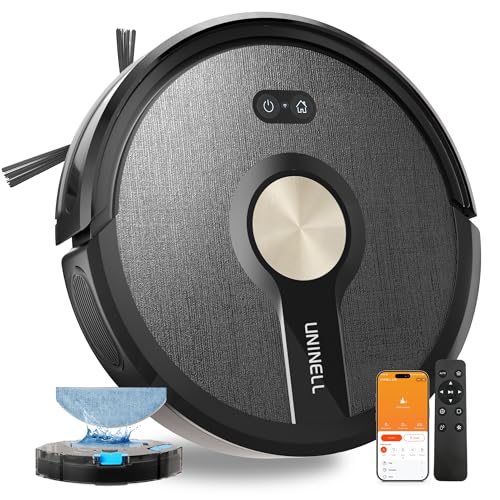
Pros
- Claimed 5000Pa suction aimed at pet hair and carpets
- Manufacturer-stated 180-minute runtime per charge
- Ultra-slim 2.99-inch profile for under-furniture spots
- App, remote and Alexa control options
- Returns to charger on its own when battery is at or below 15%
Cons
- Suction and runtime figures are manufacturer-stated, not verified
- Mop water capacity and dock details are not listed

Pros
- Strong 5200Pa suction clears debris from multiple floor types
- Self-charging feature prevents power interruptions mid-task
- Pet-focused design reduces hair tangles on brushes
- App integration allows scheduling and mode adjustments remotely
Cons
- Best suited for low-pile carpets rather than thick rugs
- Water tank requires refilling for large mopping areas
- Setup for app and voice assistants may take initial effort
ROPVACNIC S1 Review: Automated Cleaning for Everyday Homes
The ROPVACNIC S1 Review highlights a capable robot vacuum and mop combo designed for users who want reliable automated floor care. It combines strong suction with electronic mopping and supports app-based customization for different surfaces and stains.
Standout Features and Performance
With 5200Pa suction and a three-point cleaning system, this model removes dirt, dust, and pet hair effectively across hard floors and low-pile carpets. The no-entanglement side brushes perform well for pet owners, while the self-recharge function activates below 20% battery to keep sessions uninterrupted. Obstacle detection helps it navigate around furniture without constant supervision.
Design and Build Quality
The compact 2.99 inch height allows access under sofas and beds where manual cleaning is difficult. A 4400mAh battery supports extended runs in larger spaces, and the included dustbin plus water tank enable true 2-in-1 functionality. Controls via smartphone app, remote, or voice assistants add flexibility, though initial pairing requires standard network setup.
Potential Drawbacks
Performance on high-pile carpets may be limited compared to hard floors. Users with very large homes should expect to refill the water tank midway through mopping cycles. Regular filter and brush maintenance remains necessary for peak results.
Final Verdict
Overall the ROPVACNIC S1 delivers solid value for pet owners and busy households seeking a straightforward robot vacuum and mop solution with strong suction and convenient controls.

Pros
- 5000 Pa suction with manufacturer-stated carpet auto-boost
- Tangle-free design aims to reduce hand-removal of pet hair
- Returns to its dock automatically when the battery runs low
- Five cleaning modes: Auto, Manual, Edge, Spot, and Room
- 2.87-inch profile for under beds and low furniture
Cons
- Small 250 mL dustbin and 200 mL water tank for large areas
- Runtime and coverage figures are manufacturer-stated

Pros
- Combines vacuuming and mopping in one unit
- Voice control listed as a feature
- Compact body described for tight spaces
- Gloss black finish, 12 x 12 x 2.99 inches
Cons
- Suction and pet-hair claims lack specific numbers
- Battery runtime and mapping details are not listed

Pros
- Manufacturer-stated 2900Pa suction for hair, dust and litter
- Four cleaning modes: auto, random, edge and spot
- HEPA filter design focused on hair and debris on hard floors
- Returns to dock to recharge after cleaning finishes
- Anti-collision, anti-drop and soft-cushion protection for furniture
Cons
- Listed runtime drops to about 100 minutes on high suction
- Carpet cleaning is limited to low-pile surfaces per the listing
Essential Engineering Checklist for Best Vacuum Cleaner Robots
Selecting among available models requires matching core specifications to home size, floor composition, and maintenance preferences rather than relying solely on brand familiarity. Evaluate how each unit performs on the metrics that determine long-term satisfaction, from debris extraction depth to autonomous operation intervals. The following criteria draw directly from technical data across the top-rated units reviewed to guide precise comparisons.
Suction Power and Debris Extraction
Suction power in Pascals determines how effectively a unit lifts embedded particles from carpets versus surface debris on hard floors. Models offering 10,000 Pa or higher, such as several Roborock entries with HyperForce systems, extract pet hair and crumbs that lower-rated units around 2,300 Pa leave behind on medium-pile rugs. For mixed homes, seek automatic boost modes that increase force on carpet detection while conserving energy on hardwood. Anti-tangle main and side brushes further improve results by preventing hair wrap that reduces airflow over time, especially useful in pet environments where daily shedding occurs. To evaluate matched hardware tolerances, consult our detailed overview of why robot vacuum keeps getting lost lidar fix.
Navigation and Mapping Accuracy
Navigation technology separates inefficient random-bounce units from systematic cleaners that complete rooms in fewer passes. LiDAR systems create detailed maps for optimized routes, multi-floor storage, and real-time obstacle detection, reducing missed spots and collisions with furniture legs or cords. Infrared-only approaches work for open single rooms but struggle in complex layouts. Units supporting no-go zones and room-specific scheduling via app provide further control. Homes with multiple levels benefit from devices capable of storing several floor plans, a feature covered extensively when researching robot vacuums with advanced mapping capabilities.
Self-Emptying Docks and Maintenance Intervals
Self-emptying bases transform daily upkeep by transferring debris into larger sealed bags or bins lasting 60 to 90 days, minimizing dust exposure for allergy-sensitive users. Complementary features include automatic mop washing at elevated temperatures and warm-air drying to prevent odors and bacterial growth. Manual-empty designs suit smaller spaces but require more frequent intervention. Consider bag capacity in liters alongside claimed weeks of hands-free use when matching to household dirt volume. Slim-profile robots under 3 inches tall also expand access under low furniture, a trait shared with options in our overview of the smallest robot vacuum designs.
Battery Runtime and Recharge Behavior
Runtime claims range from 100 to 150 minutes depending on suction level and floor type, with auto-return and resume ensuring incomplete sessions finish after docking. Higher-capacity batteries paired with efficient pathing cover larger homes without mid-clean interruptions. Quiet operation near 55 dB supports daytime use around family members or pets. Verify that the unit supports 2.4 GHz Wi-Fi only where app features are required, as this remains common across current models. To evaluate matched hardware tolerances, consult our detailed overview of why is my robot vacuum not dispensing water.
Mopping Integration and Floor Adaptability
Combined vacuum-and-mop systems with dual spinning pads or sonic vibration remove sticky residues more thoroughly than vacuum-only units. Look for mop-lifting mechanisms of 8 mm to 10 mm that protect carpets from moisture during transitions, plus adjustable water flow levels for different surfaces. Edge-reaching arms improve coverage along baseboards. For pure hard-floor homes these add daily stain control, while carpet-heavy spaces may prioritize pure suction with carpet-boost sensors. When planning workspace deployment, consider the engineering criteria outlined in our roborock qrevo s pro vs dreame l10s pro ultra heat guide.
Smart Controls and Customization
App-based scheduling, voice integration with Alexa or Google Assistant, and zone selection enable set-and-forget operation. Advanced software automatically adjusts suction and mop intensity based on room history or dirt detection. Units lacking connectivity rely on remote or onboard buttons and suit simpler needs. Confirm multi-floor map support and virtual barriers for homes with stairs or restricted areas.
Our evaluation of top-rated models centers on transparent comparison of published technical specifications, including suction ratings in Pascals, navigation sensor types, claimed battery runtimes, dustbin or bag capacities, and anti-tangle brush designs. We assess build features such as low-profile heights for under-furniture reach, mop-lifting heights, and dock functions like auto-empty intervals or self-cleaning temperatures. Brand reliability factors and available user satisfaction indicators inform rankings for long-term value across hard floors, low- to medium-pile carpets, and pet-heavy environments. Warranty terms and connectivity requirements receive equal weight so recommendations align with practical ownership rather than isolated peak claims. This process isolates units delivering consistent coverage and reduced maintenance within the available entry-level to premium.
Final Verdict: Choosing the Right Robot Vacuums
After systematic comparison, clear leaders emerge according to distinct buyer needs. The following recommendations prioritize measured performance attributes over marketing language.
Best Overall Best Vacuum Cleaner Robots: The Roborock Qrevo S Pro stands out with 18,500 Pa suction, dual spinning mops, zero-tangle brushes, and a multifunctional dock offering 167°F mop self-cleaning plus 113°F drying alongside 7-9 week auto-empty capacity. Its smart obstacle avoidance and low 3.8-inch profile deliver thorough whole-home results suitable for mixed surfaces and pet households seeking minimal intervention.
Best Value / Budget Choice: The Lefant M210 provides strong brushless suction, 120-minute runtime, 2.99-inch slim height, six cleaning modes, and app plus Alexa control at an accessible entry point. Its FreeMove 3.0 sensors and tangle-resistant design make it practical for smaller spaces or first-time buyers focused on daily hard-floor and low-pile carpet maintenance without advanced docks.
Best for Pet Hair and Busy Homes: The Shark AV2501AE combines powerful suction, Matrix Clean navigation, 360° LiDAR mapping, bagless self-empty base holding 60 days of debris with true HEPA filtration, and self-cleaning brushroll. Extended 120-minute runtime and voice control further suit high-shed environments, aligning with needs explored in related coverage of Shark ion robot vacuum models and multi-function options like those in the Ecovacs Deebot T20 Omni category.
Common Questions on Best Vacuum Cleaner Robots Answered
What suction power is ideal for the best vacuum cleaner robots?
Suction of at least 5,000 to 6,000 Pa handles most hard floors and low-pile carpets effectively, while 10,000 Pa and above extracts deeper debris and pet hair from medium rugs. Higher figures like 12,000 or 18,500 Pa improve results in high-traffic or multi-pet homes without requiring multiple passes.
Are self-emptying bases worth the investment for robot vacuums?
Yes, self-emptying bases that store 60 to 90 days of debris reduce weekly maintenance and dust exposure substantially for allergy sufferers or busy users. Models with sealed bags or HEPA filtration add further air-quality benefits compared with manual bin emptying after every few runs.
How does LiDAR navigation improve cleaning efficiency?
LiDAR creates precise real-time maps for systematic paths, multi-floor memory, and obstacle avoidance, covering rooms faster and more completely than random or basic infrared methods. This technology supports no-go zones and room selection for customized routines.
Can the best vacuum cleaner robots handle high-pile carpets?
Many modern units with carpet boost, auto suction increase, and mop-lift features perform well on low- to medium-pile carpets, though very thick high-pile may still challenge climbing ability and tangle resistance. Check climbing height ratings around 15 mm or higher and dual rubber brushes for best results on varied rugs.
How often should sensors and brushes be cleaned on these robots?
Wipe optical and cliff sensors with a dry microfiber cloth every one to two weeks to maintain navigation accuracy, and clear main or side brushes of hair as needed based on pet load. Regular dock maintenance keeps self-empty and mop systems functioning, with additional details available in our vacuum cleaner category overview.
Robots That Handle Daily Dirt
Daily cleaning robots work best when the floor stays clear of socks, toys, and loose cords. A short tidy before each run helps the robot finish. Basic home electrical safety tips are provided by the International Electrotechnical Commission (IEC).









