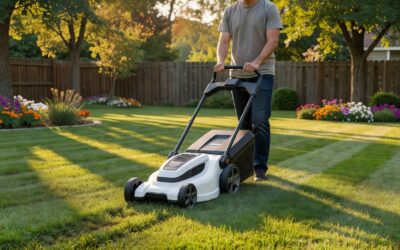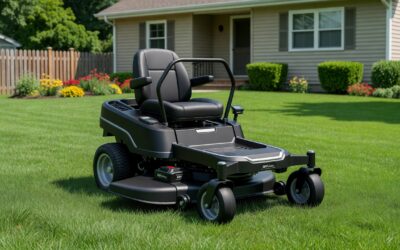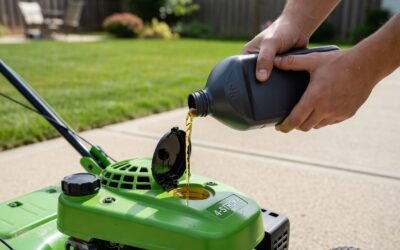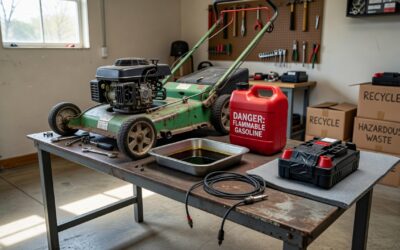
Yes, a lawn mower can physically get wet from rain or sprinklers, but prolonged exposure or submersion is harmful. Water can cause electrical shorts in electric models, rust internal components, and lead to engine damage or starting issues in gas models. It’s safest to keep your mower dry, store it under cover, and ensure it’s completely dry before attempting to use it after getting wet.
Understanding the Risks: What Happens When a Lawn Mower Gets Wet
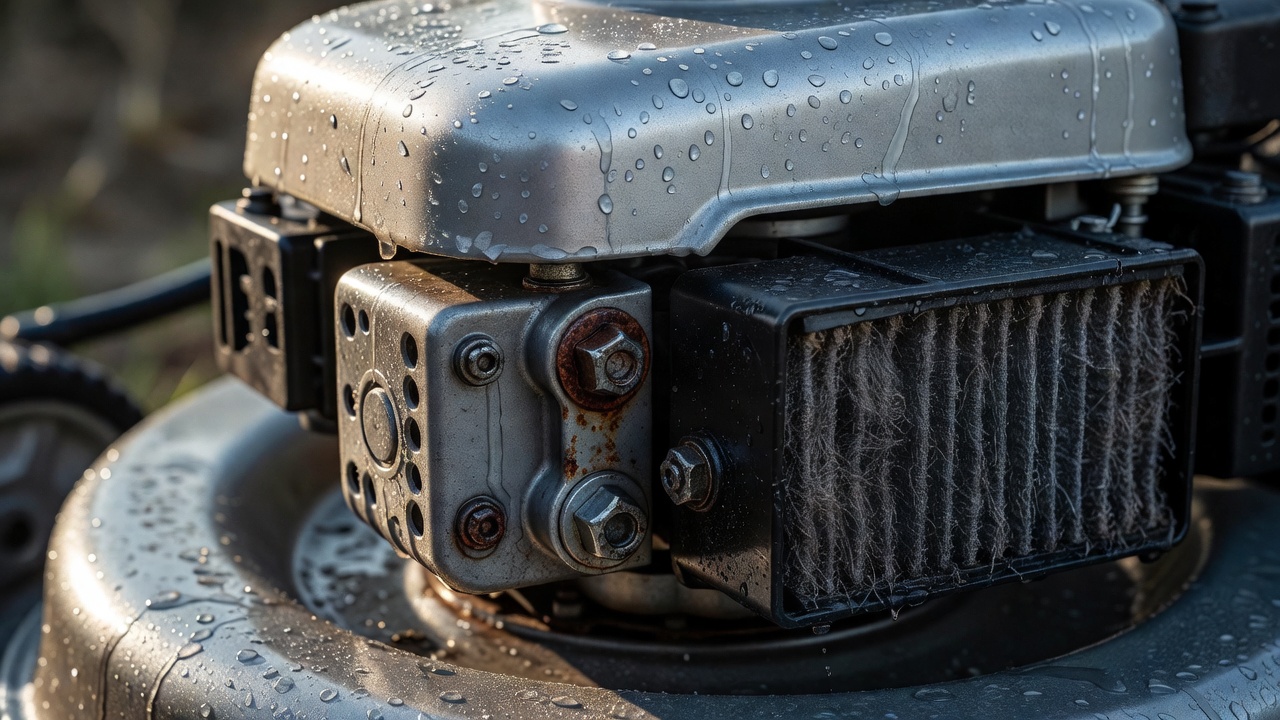
When your lawn mower is exposed to water, the potential damage depends heavily on the type of mower you own and the extent of the exposure. Both electric and gas models face unique risks, but the fundamental problem is the same: water and machinery don’t mix well.
Electric vs. Gas Mower Vulnerabilities
Electric lawn mowers, whether corded or battery-powered, are particularly sensitive to water. The primary risk is electrical short circuits. Water can create a conductive path between electrical components that should remain separate, potentially damaging the motor, control board, or battery. In severe cases, this can render the mower inoperable and create a safety hazard.
Gas lawn mowers have different concerns. While the engine itself is designed to operate in outdoor conditions, water can infiltrate the air filter, carburetor, or fuel system. This can cause the engine to run poorly, stall, or fail to start. Water in the fuel tank can lead to corrosion and long-term engine damage.
Why Water Exposure Is Dangerous
Beyond immediate electrical or engine issues, water exposure sets the stage for gradual deterioration. Metal components begin to rust when exposed to moisture, especially if the protective coatings are worn or scratched. This rust can affect moving parts, fasteners, and the mower deck, potentially leading to costly repairs or reduced lifespan.
Additionally, water can wash away lubricants from bearings and moving parts, increasing friction and wear. This is particularly problematic for components that require consistent lubrication to function properly.
Key Factors: Assessing the Type and Extent of Water Exposure
Not all water exposure is equal. Understanding the severity of the situation helps determine the appropriate response and potential risks.
Light Rain vs. Heavy Rain or Submersion
A brief exposure to light rain typically poses minimal risk if the mower is dried promptly. The main concern is surface moisture that can be easily removed. However, heavy rain, prolonged exposure, or direct contact with sprinklers presents greater challenges. Water can penetrate deeper into the machine, reaching sensitive components that are harder to dry.
Complete submersion, such as from flooding, is the most serious scenario. This can force water into every crevice of the machine, requiring extensive drying and potentially professional inspection before safe operation.
Signs of Water Damage
After your mower gets wet, watch for these warning signs that indicate potential damage:
- Difficulty starting or failure to start: This suggests water in the fuel system (gas models) or electrical issues (electric models).
- Unusual noises during operation: Grinding, squealing, or rattling sounds may indicate water has displaced lubricants or caused component damage.
- Visible rust or corrosion: Check the mower deck, fasteners, and exposed metal parts for early signs of rust formation.
- Electrical issues: For electric mowers, look for sparking, intermittent power, or error indicators.
Step-by-Step Guide: What to Do If Your Lawn Mower Gets Wet
If your lawn mower has been exposed to water, taking immediate and proper action can minimize damage and restore functionality.
Immediate Response Steps
- Safety first: Disconnect the spark plug wire (gas models) or remove the battery/unplug the unit (electric models) before performing any inspection or drying.
- Remove standing water: Tilt the mower to drain any pooled water from the deck, engine area, or electrical compartments.
- Wipe down surfaces: Use clean, dry cloths to remove moisture from all accessible surfaces, including the handle, controls, and exterior.
Proper Drying Techniques
Thorough drying is crucial to prevent rust and electrical issues. Here’s how to approach it effectively:
- Air drying: Position the mower in a well-ventilated, dry area with good airflow. Avoid direct sunlight, which can cause rapid drying and potentially damage plastic components.
- Compressed air: Use low-pressure compressed air to blow moisture out of crevices, around the engine, and from electrical connections. Be gentle to avoid forcing water deeper into components.
- Absorbent materials: Place towels or absorbent pads under and around the mower to catch dripping water. Replace them as they become saturated.
- Dehumidifier: In humid environments, running a dehumidifier in the storage area can help remove ambient moisture and accelerate drying.
Post-Drying Inspection and Maintenance
Once the mower appears dry, perform these checks before attempting to use it:
- Check the air filter: On gas mowers, remove and inspect the air filter. If it’s wet or contaminated, replace it before starting the engine.
- Inspect the spark plug: Remove the spark plug and check for moisture. Dry it thoroughly or replace it if necessary.
- Check electrical connections: For electric mowers, inspect all connectors and wiring for signs of moisture or corrosion.
- Test operation: After reassembling everything, test the mower briefly in a safe area to ensure it operates normally before using it for lawn care.
Prevention and Protection: How to Keep Your Lawn Mower Dry
The best way to avoid water damage is through proper storage and preventive measures.
Storage Best Practices
- Indoor storage: Whenever possible, store your lawn mower in a garage, shed, or other covered structure. This protects it from rain, dew, and humidity.
- Elevated storage: If storing outdoors is unavoidable, use a raised platform or pallet to keep the mower off damp ground.
- Covered storage: Invest in a quality, weather-resistant cover designed specifically for lawn mowers. Ensure it provides adequate ventilation to prevent moisture buildup underneath.
Protective Measures for Outdoor Storage
If you must store your mower outdoors, take these additional precautions:
-
li>Choose a sheltered location: Position the mower under an overhang, awning, or tree canopy to reduce direct exposure to rain.
- Use waterproof covers: A breathable, waterproof cover protects against rain while allowing moisture to escape. Avoid plastic tarps that can trap condensation.
- Regular maintenance: Keep moving parts lubricated and touch up any paint chips or scratches on the mower deck to prevent rust formation.
Long-Term Maintenance for Moisture Resistance
Regular maintenance helps your mower withstand occasional moisture exposure:
- Keep the mower clean: Remove grass clippings, dirt, and debris after each use. These materials can trap moisture against metal surfaces.
- Apply protective coatings: Consider using rust-inhibiting sprays or wax on metal components, following manufacturer recommendations.
- Inspect regularly: Check for early signs of rust, corrosion, or wear, especially after periods of wet weather.
By understanding the risks of water exposure and taking appropriate preventive and responsive measures, you can protect your lawn mower from damage and ensure it remains reliable for years to come. Remember, while occasional light rain exposure is manageable with prompt drying, it’s always best to keep your equipment as dry as possible to avoid potential problems.