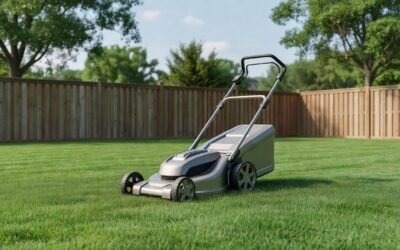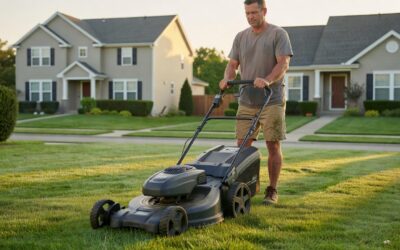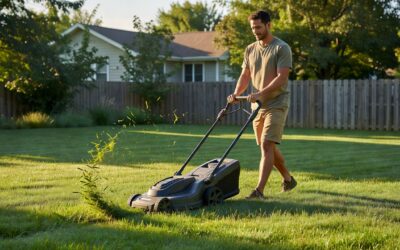
What Does “Best” Mean for a Lawn Mower?
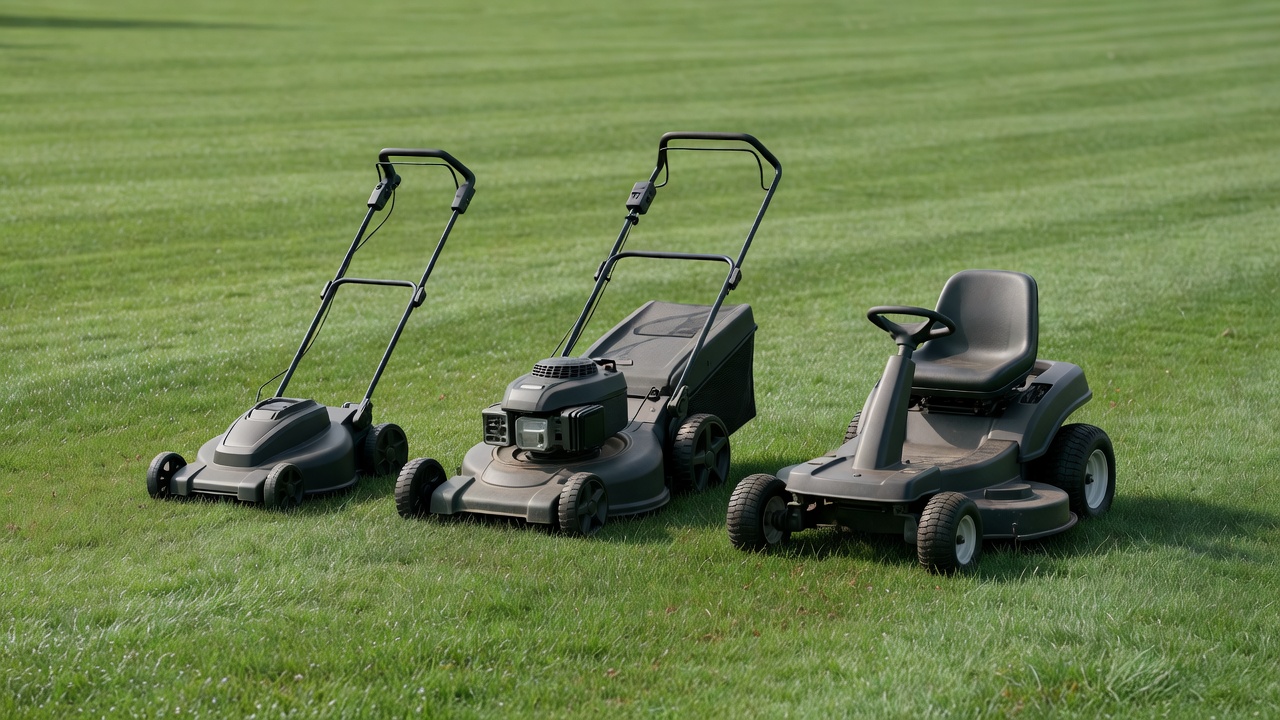
When searching for the best lawn mower, the first and most important realization is that there is no single, universal answer. The “best” mower is entirely subjective and depends on a unique combination of your personal circumstances. What works perfectly for a small, urban plot would be inefficient and frustrating for a sprawling rural property.
To begin your search effectively, you must define your own needs. Consider your primary factors: the size of your lawn, the complexity of your terrain (flat, sloped, or full of obstacles), your budget for both purchase and ongoing maintenance, and your personal preferences regarding effort, noise, and environmental impact. Answering these questions will guide you to the right category of mower long before you compare specific models.
Key Factors to Consider When Choosing a Lawn Mower
Before diving into mower types, understanding the core decision criteria will help you evaluate any option. These factors are the foundation of your choice.
How does lawn size influence mower choice?
Lawn size is the primary determinant. A very small yard (under a quarter-acre) is easily managed with a basic push mower. Medium-sized lawns (a quarter-acre to half-acre) benefit from the reduced effort of a self-propelled model. Large properties (over half an acre) often necessitate a riding mower or zero-turn to complete the job in a reasonable time.
What should you consider for slopes, uneven ground, and obstacles?
Terrain dramatically affects safety and ease of use. Steep slopes can be dangerous with certain riding mowers and may require a mower with a low center of gravity or specific traction features. Uneven ground demands a mower with good wheel size and suspension. Lawns with many trees, flower beds, or tight corners benefit from the maneuverability of a walk-behind mower or a zero-turn riding mower.
What are the trade-offs between gas and electric (corded or battery) mowers?
The power source is a major decision with distinct pros and cons. Gas mowers typically offer longer run times and more raw power, making them suitable for very large or thick lawns. However, they require more maintenance (oil changes, spark plugs, air filters), produce emissions and noise, and involve handling fuel. Battery-powered (cordless) electric mowers are quieter, produce zero emissions at the point of use, and require significantly less maintenance. Their main limitations are run time (which depends on battery capacity and lawn size) and potentially less power for very dense grass. Corded electric mowers offer unlimited run time but restrict your range and can be cumbersome with a long extension cord.
Why do cutting width and deck material matter?
The cutting width, or deck size, determines how much grass you cut in a single pass. A wider deck reduces the total number of passes needed, saving time on large lawns. However, a very wide mower may be difficult to maneuver in tight spaces. The deck material, often steel or a composite polymer, affects durability, weight, and resistance to corrosion.
What maintenance is required for different mower types?
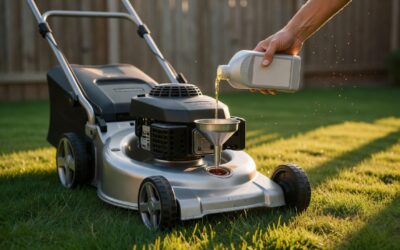
Maintenance varies widely. Gas mowers require regular engine maintenance. Electric mowers have fewer moving parts but may eventually need battery replacement. All mowers need regular blade sharpening, cleaning of the underside of the deck, and checks for loose parts. Understanding the required upkeep ensures your mower remains reliable and effective.
How to Match a Mower Type to Your Lawn: Step-by-Step Guidance
Follow this practical framework to narrow down the best category for your needs.
What steps should I take before buying a lawn mower?
1. Measure your lawn. Know the approximate square footage.
2. Assess the terrain. Note slopes, obstacles, and grass type (e.g., thick, fast-growing grass may need more power).
3. Set a budget. Consider both the upfront cost and long-term maintenance and energy costs.
4. Evaluate storage and access. Do you have a shed or garage? Can you easily move the mower to the lawn?
5. Consider your physical ability. How much effort are you willing or able to exert?
When is a push mower the right choice?
A standard push mower (gas or electric) is ideal for small, flat, and relatively obstacle-free lawns. It is the most economical choice upfront and for maintenance. If your yard is manageable and you don’t mind the physical activity, this is a straightforward and effective option.
When should I choose a self-propelled mower?
A self-propelled mower is a significant upgrade for medium-sized lawns or any yard with slopes. The mower’s engine powers the wheels, so you only need to guide it. This reduces physical strain, especially when pushing uphill or through thick grass. It’s a popular choice for balancing performance and effort.
When is a riding or zero-turn mower worth the investment?
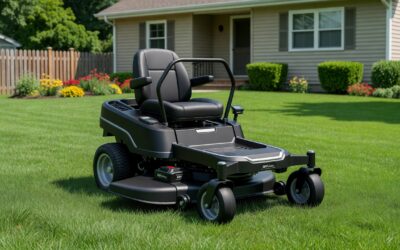
For large properties, typically over half an acre, a riding mower becomes a matter of practicality. It saves hours of time and physical labor compared to a walk-behind model. A zero-turn mower is a specialized riding mower with exceptional maneuverability, making it perfect for large lawns with many obstacles like trees and landscaping features, as it can pivot on the spot.
What are the pros and cons of robotic mowers?
Robotic mowers offer the ultimate convenience: they mow your lawn automatically on a schedule with minimal intervention. They are quiet and produce no direct emissions. However, they have a high upfront cost, require a boundary wire installation (for most models), and are best suited for simple, regular maintenance cuts on small to medium lawns rather than tackling overgrown grass.
Features That Improve Mowing Results and Convenience
Once you’ve identified a mower type, these features will help you compare models and enhance your mowing experience.
What is the difference between mulching, bagging, and side discharge?
Most mowers offer multiple ways to handle grass clippings:
Mulching: This finely chops the clippings and returns them to the lawn. Mulching mowers can provide nutrients to the soil as the clippings decompose, reducing the need for fertilizer. It’s a convenient, eco-friendly option for regular mowing.
Bagging: A bag collects the clippings, leaving a very clean, manicured look. This is preferred if you want to remove clippings or thatch from the lawn.
Side discharge: This expels clippings out the side of the mower deck. It’s useful for cutting very tall or wet grass that might clog a mulching or bagging system.
Why is adjustable cutting height important?
Adjustable cutting height allows you to set the mower to the optimal length for your grass type and the season. Different grasses thrive at different heights, and adjusting for seasonal changes (mowing higher in summer heat, for example) promotes a healthier, more resilient lawn.
How long should battery-powered mowers run per charge?
Run time is a critical specification for cordless mowers. For a small lawn, a standard battery might suffice. For larger areas, you may need a higher-capacity battery or the ability to swap in a second charged battery. It’s generally recommended to ensure the mower’s run time exceeds your estimated mowing time by a comfortable margin.
What features make a mower easier to store and maintain?
Look for features like folding handles for compact storage, washout ports on the deck for easy cleaning with a hose, and tool-free blade removal. These small conveniences can make long-term ownership much more pleasant.
What Is the Best Lawn Mower for You? A Direct Answer
Revisiting the core question, the best lawn mower is the one that best fits your specific lawn and lifestyle. To make your final decision:
For small, flat yards: A lightweight, cordless electric push mower offers quiet, low-maintenance operation. A basic gas push mower is a reliable, budget-friendly alternative.
For medium lawns or yards with slopes: A self-propelled mower (gas or high-voltage battery) is the top choice for reducing effort while maintaining control.
For large properties: A riding mower is essential for time savings. A zero-turn model is the best choice for complex layouts with obstacles.
For maximum convenience: A robotic mower provides hands-free maintenance for appropriately sized, simple lawns.
By systematically evaluating your lawn size, terrain, and preferences against these categories and features, you can confidently identify the mower that will be the best for you, ensuring a well-maintained lawn with the right tool for the job.